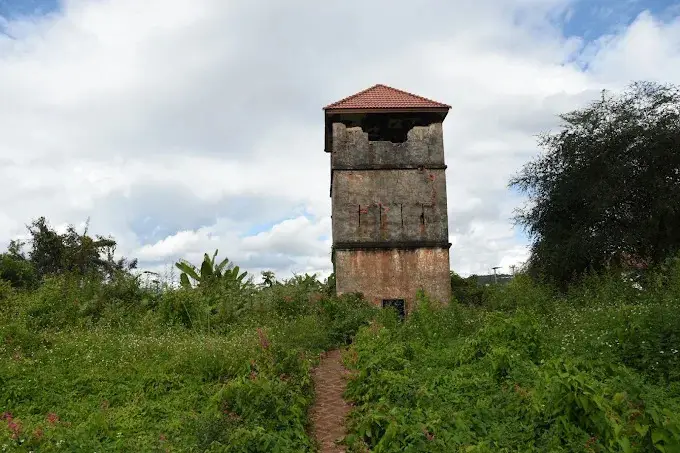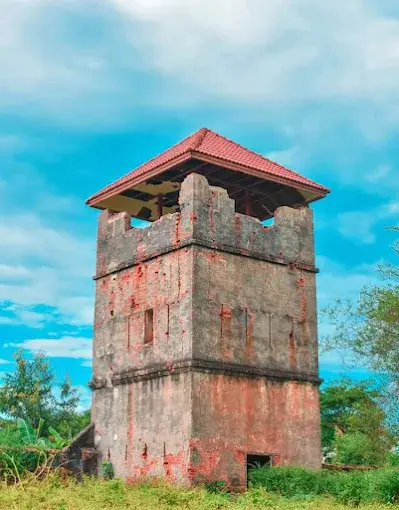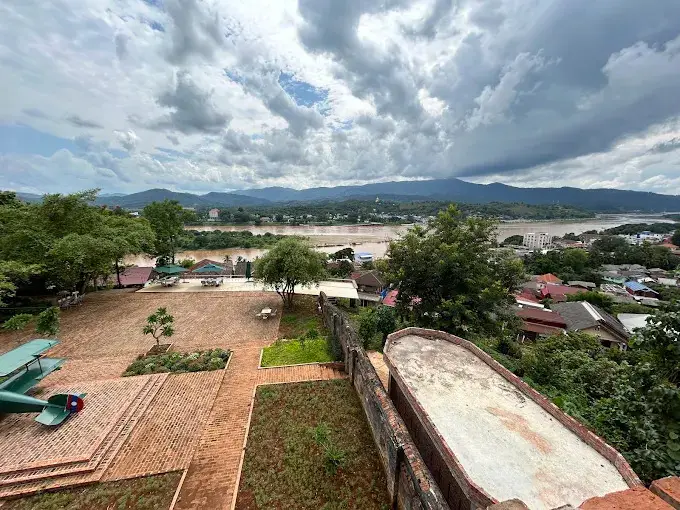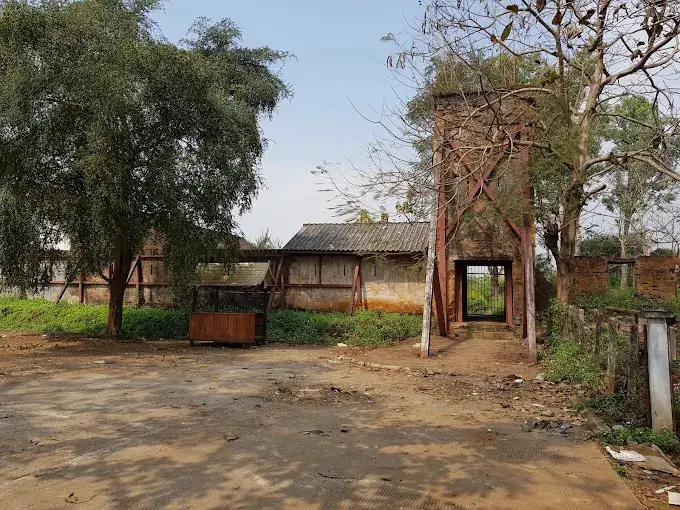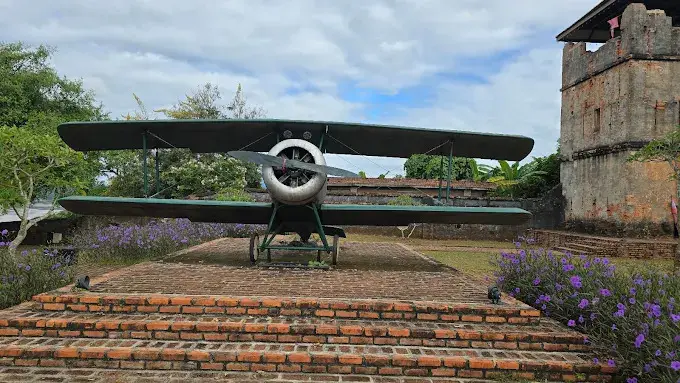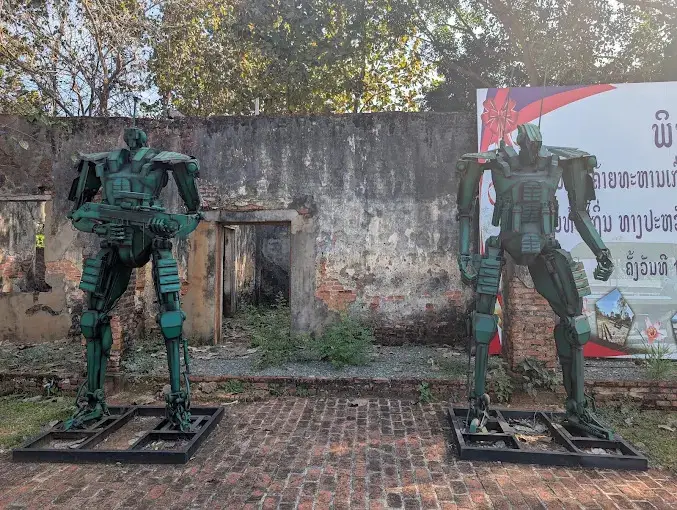
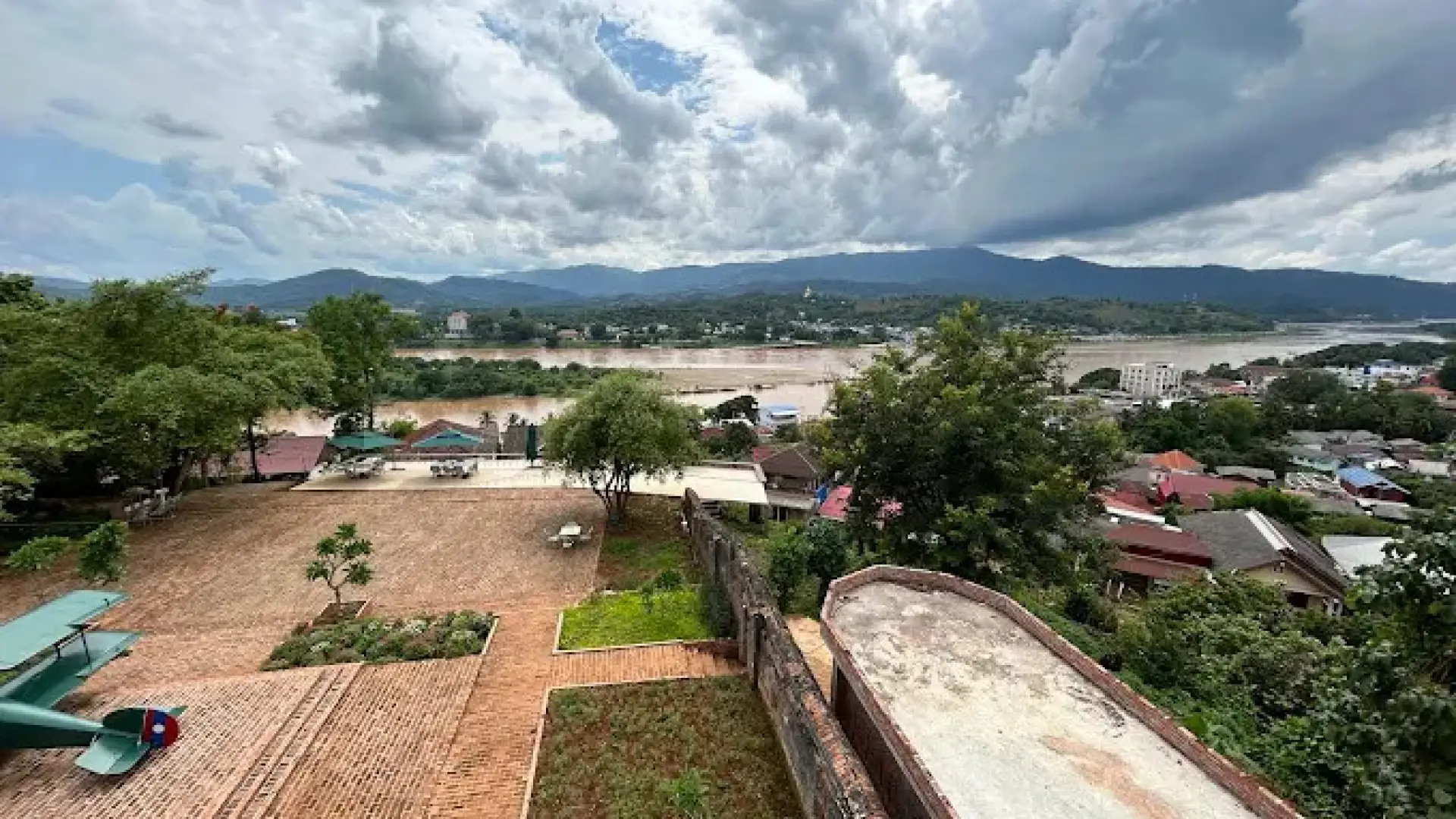
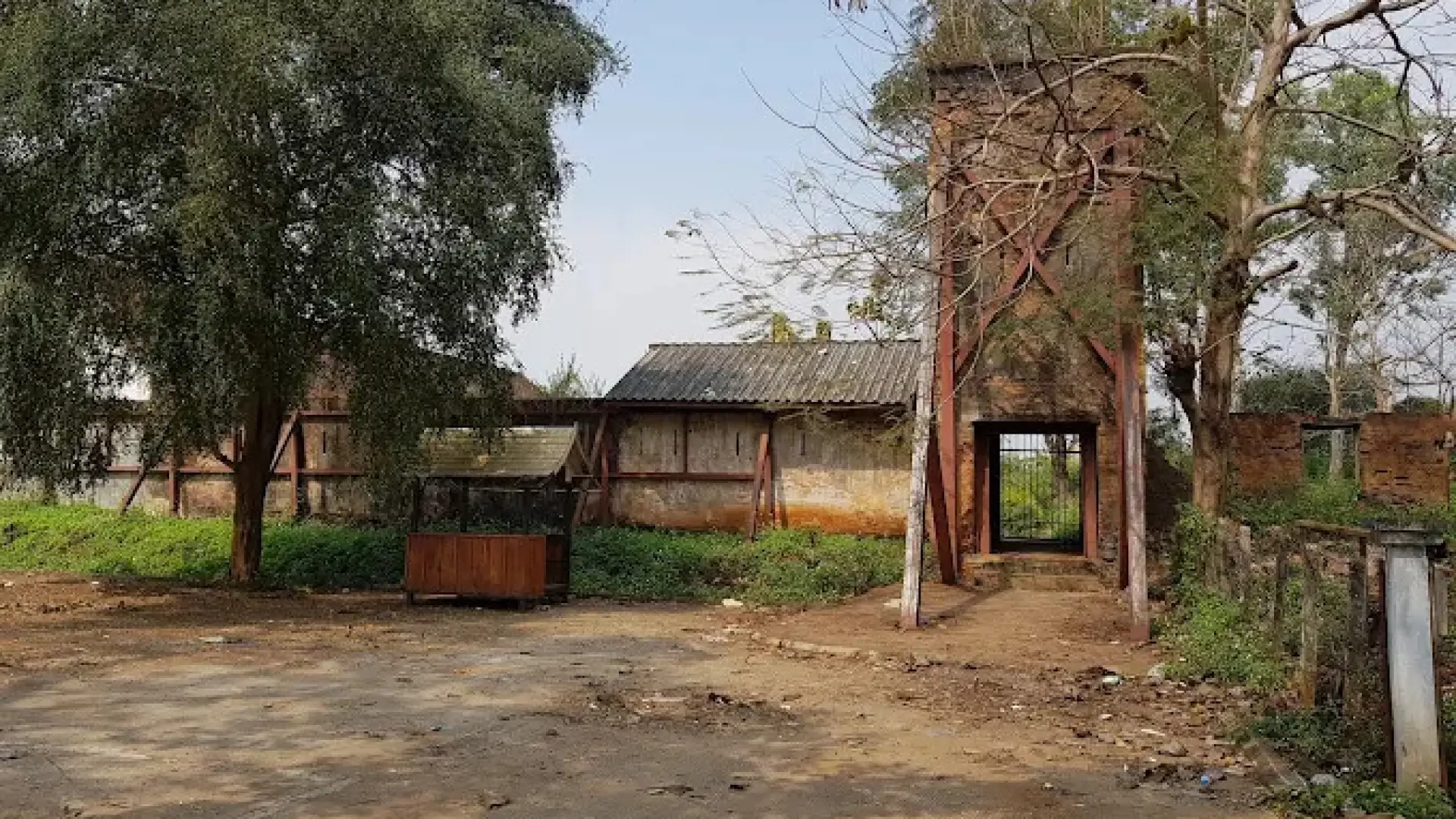
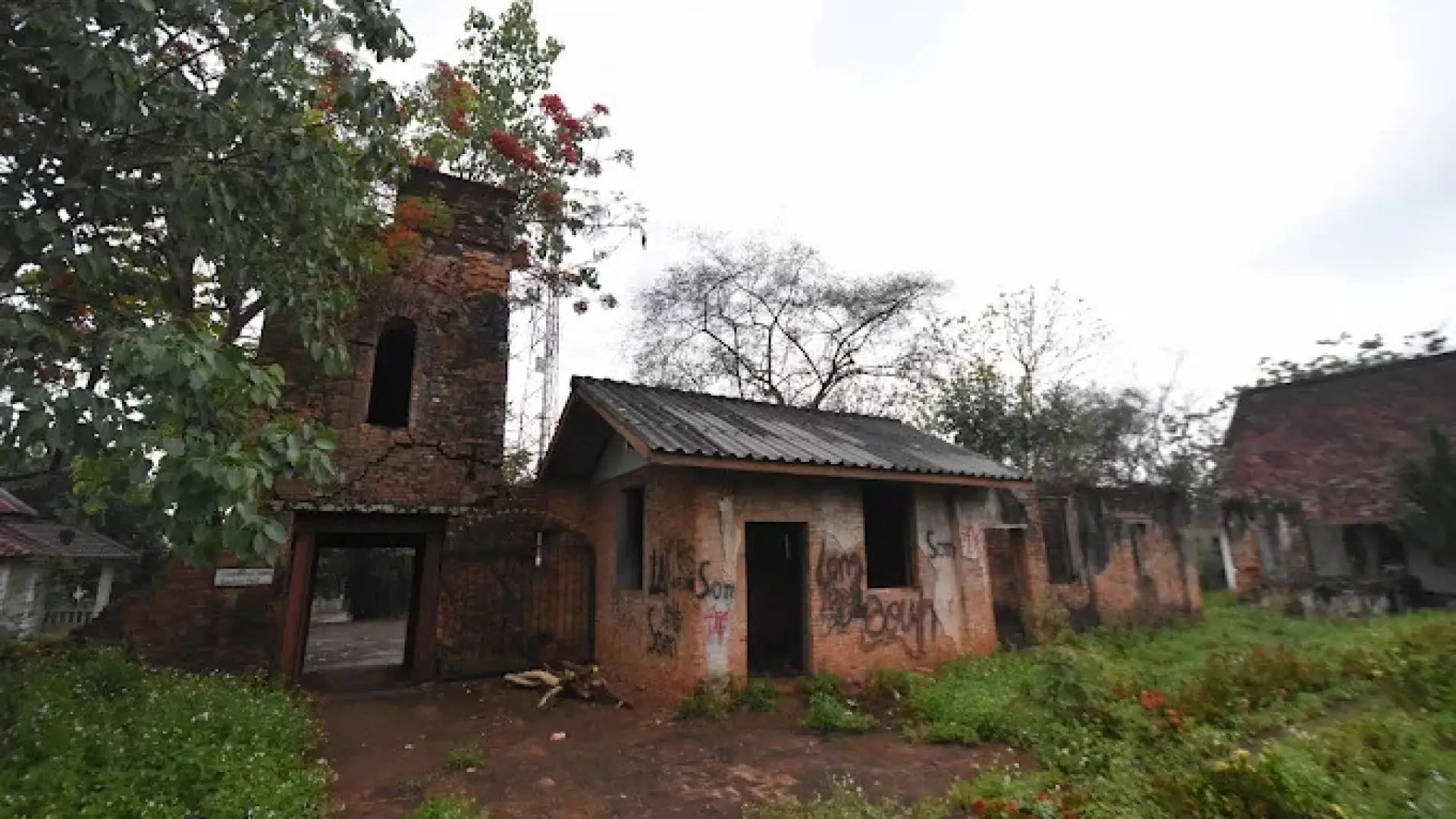
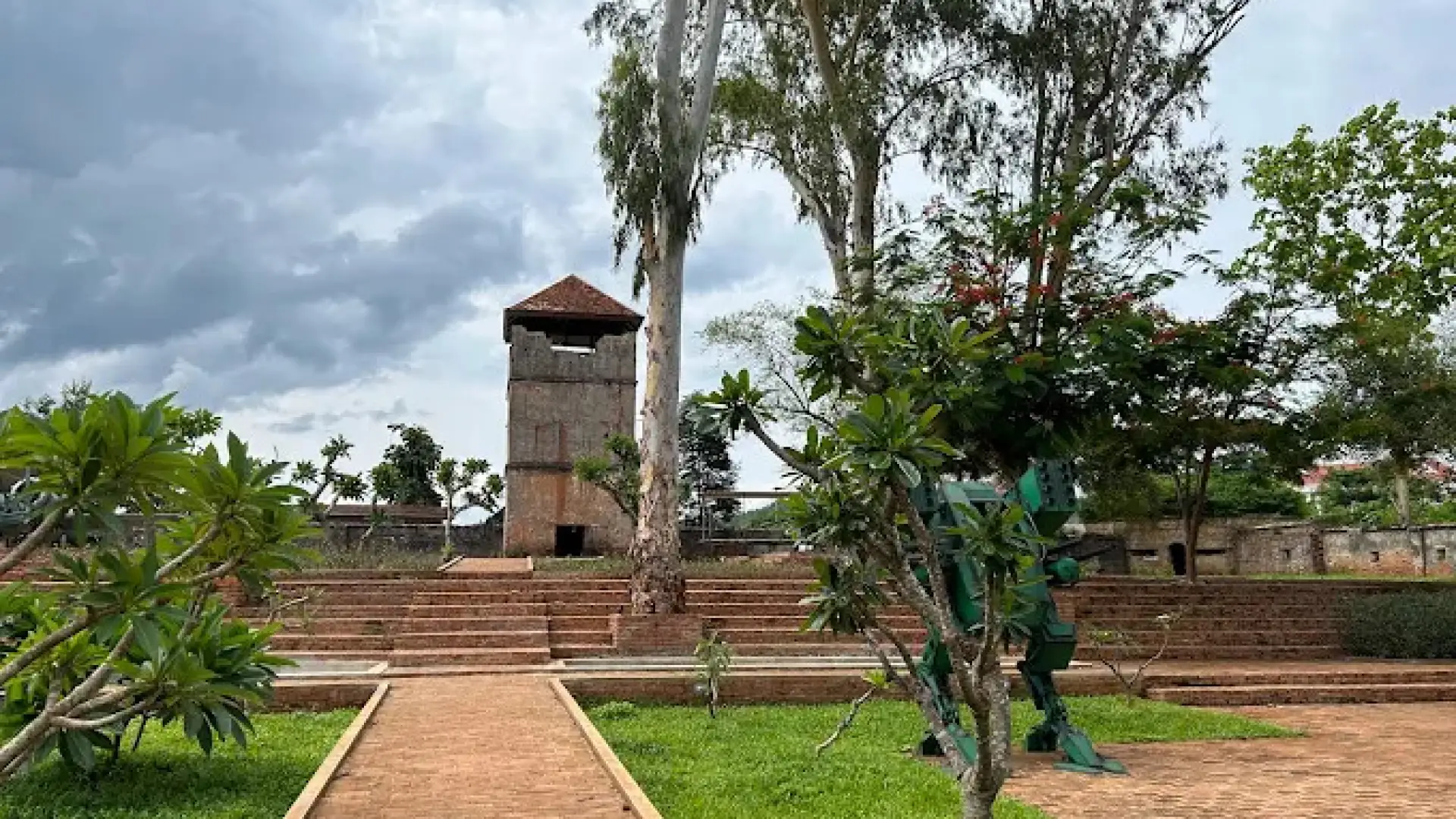
Fort Carnot is one of the most important historical landmarks in Bokeo Province and one of the best-preserved examples of French colonial military architecture in Laos. Located on a hill overlooking Houay Xay, the provincial capital of Bokeo, the fort was constructed around 1900 during the French colonial era when Laos was part of French Indochina. The fort was built to strengthen French control along the Mekong River and monitor activities along the borders with present-day Thailand and Myanmar.
Perched strategically above the town, Fort Carnot once served as a military outpost housing French officers along with Lao and Vietnamese soldiers. Although the area saw relatively little military conflict, the fort played an important role in maintaining French influence in this frontier region. After Laos gained independence in 1954, the site was taken over by the Royal Lao Army and later continued to be used by the Lao military before eventually being abandoned.
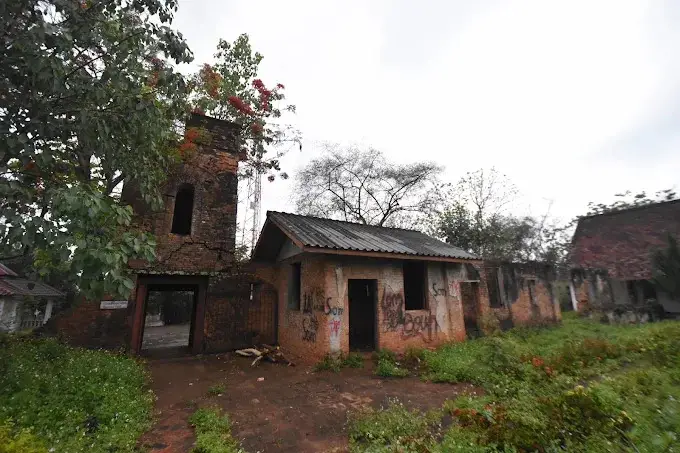
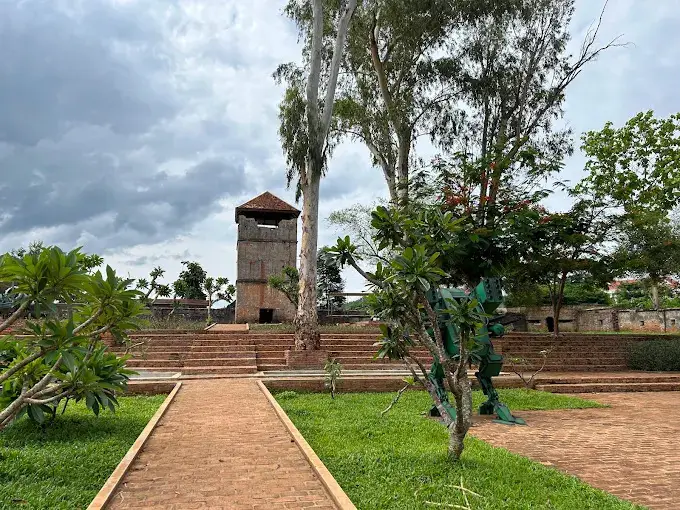
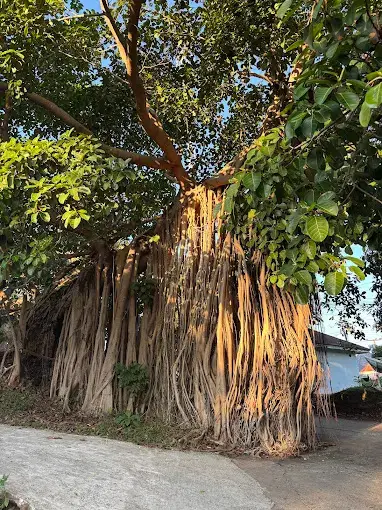
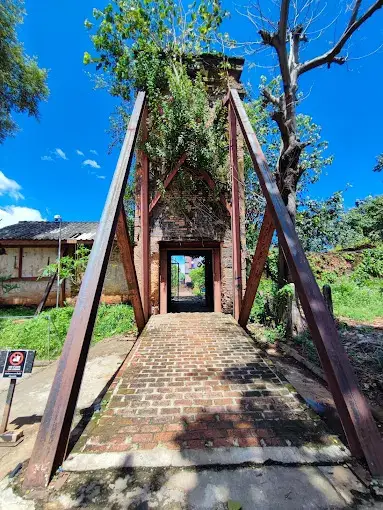
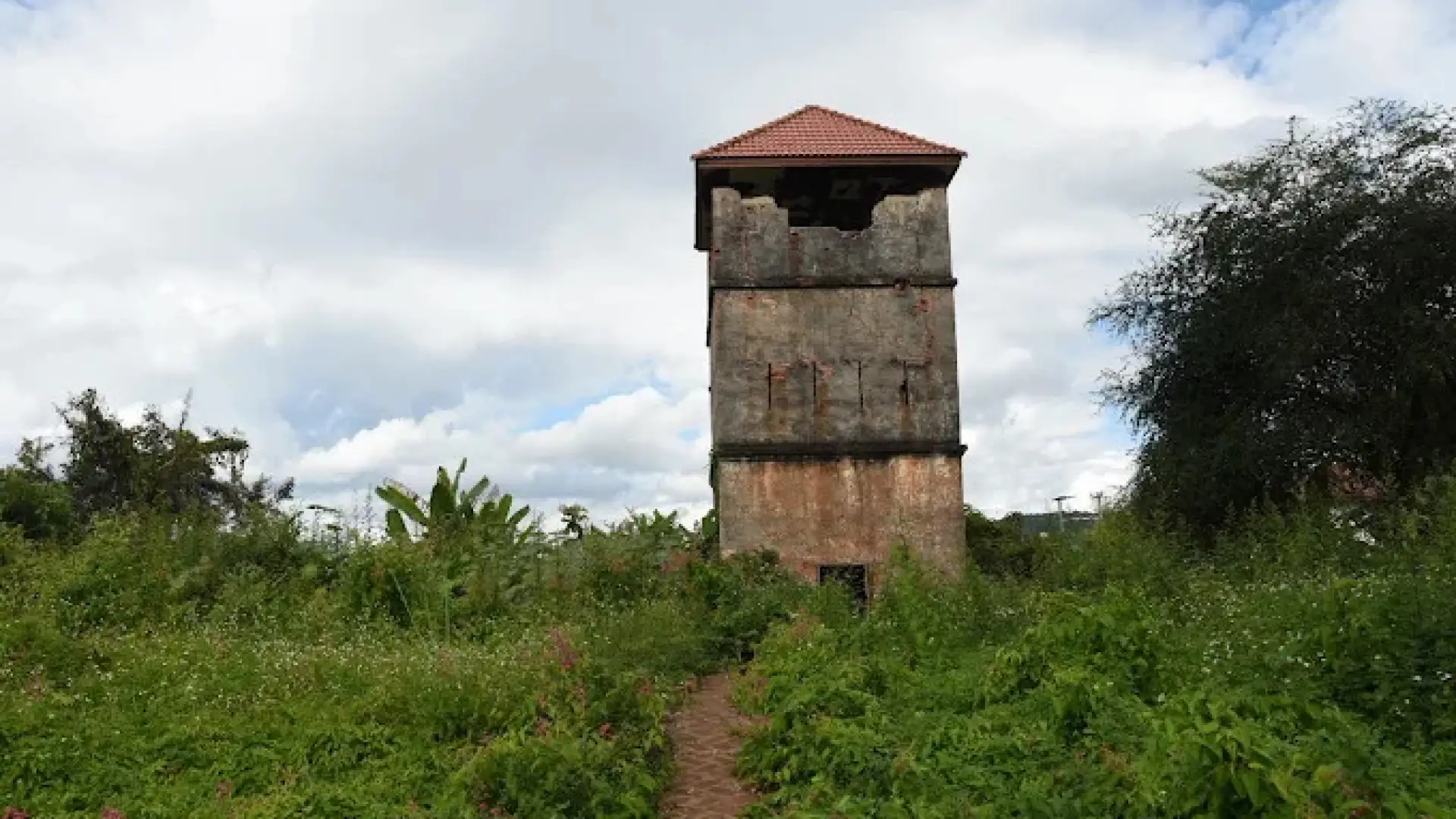
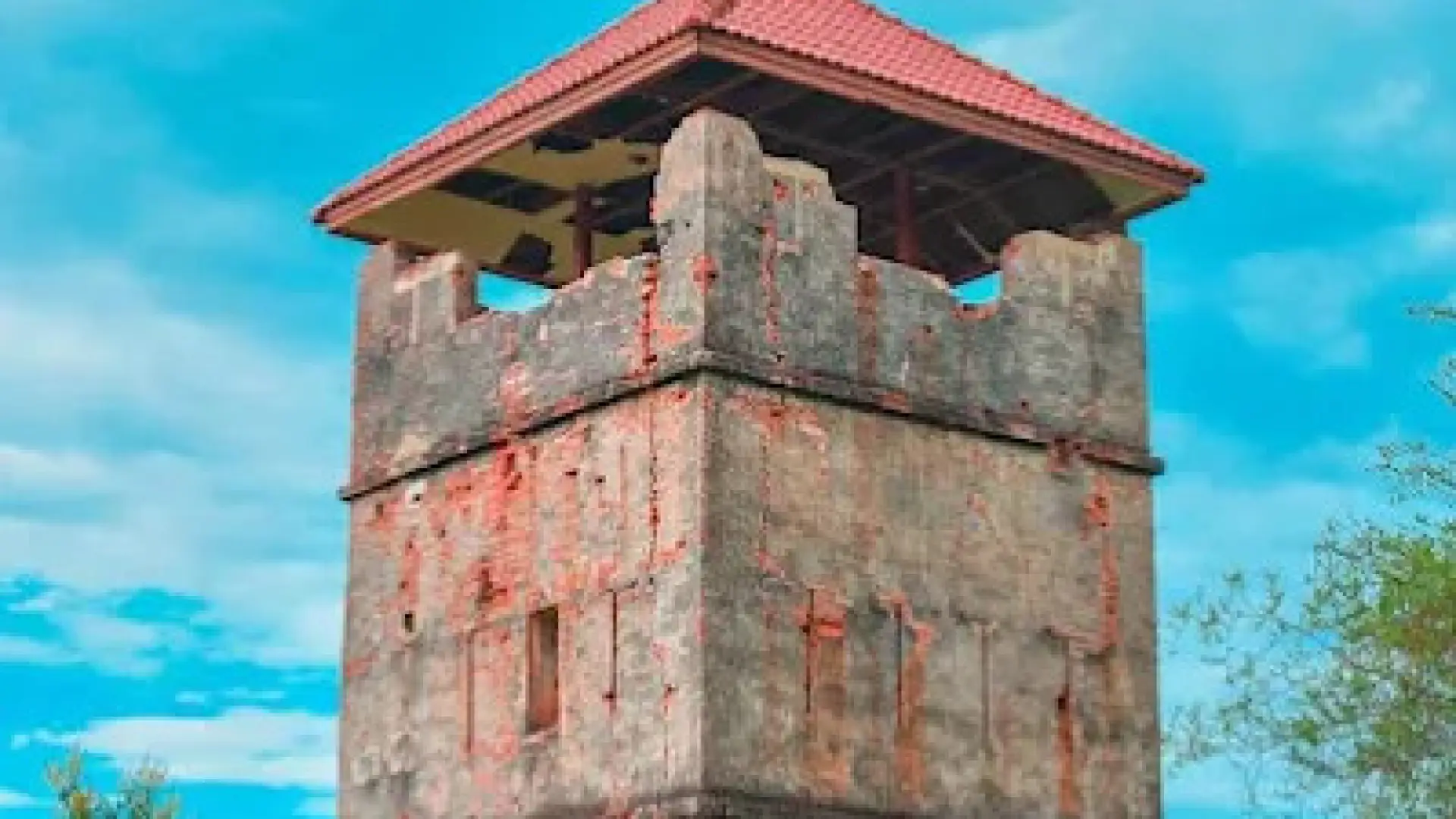
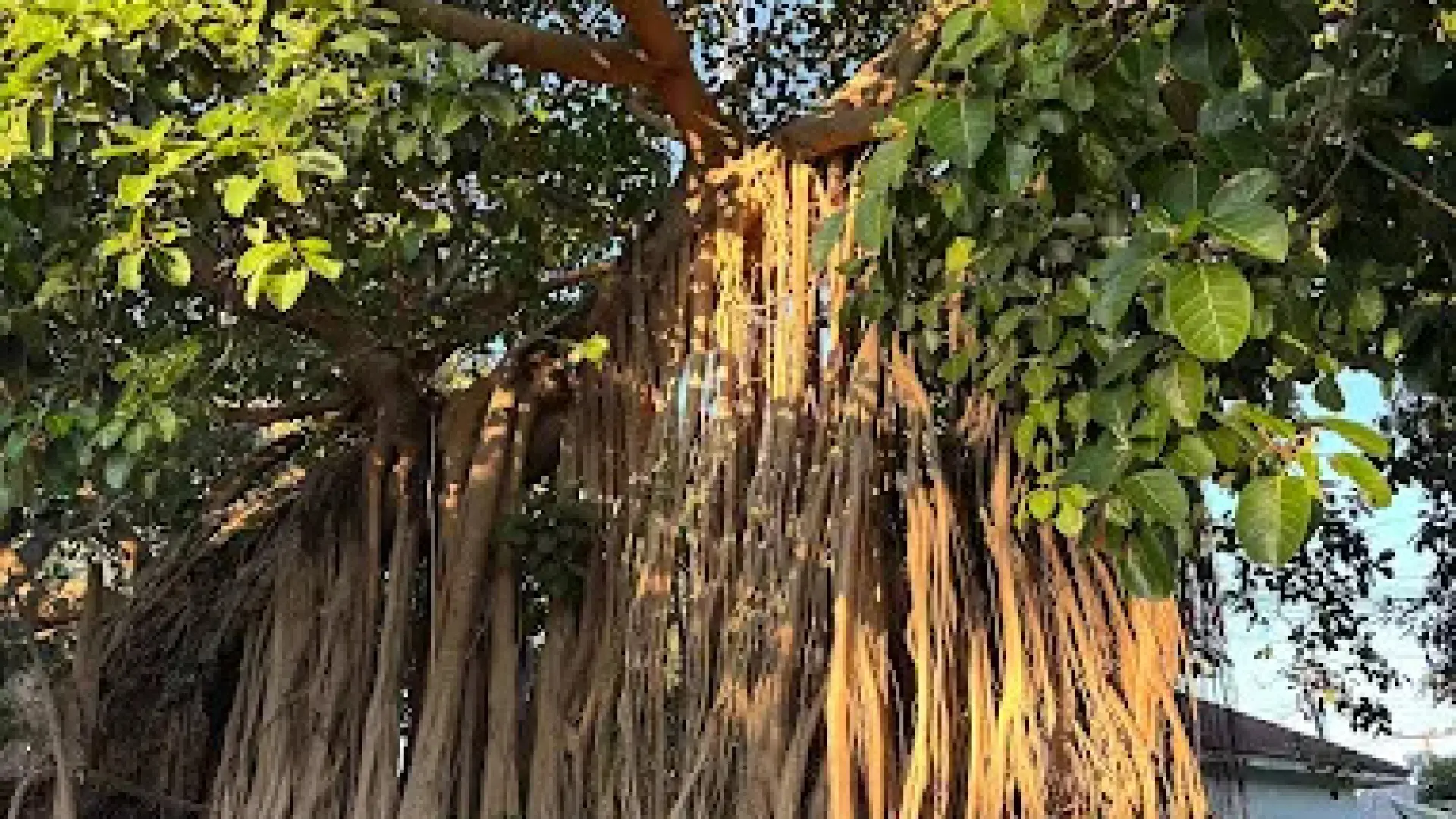
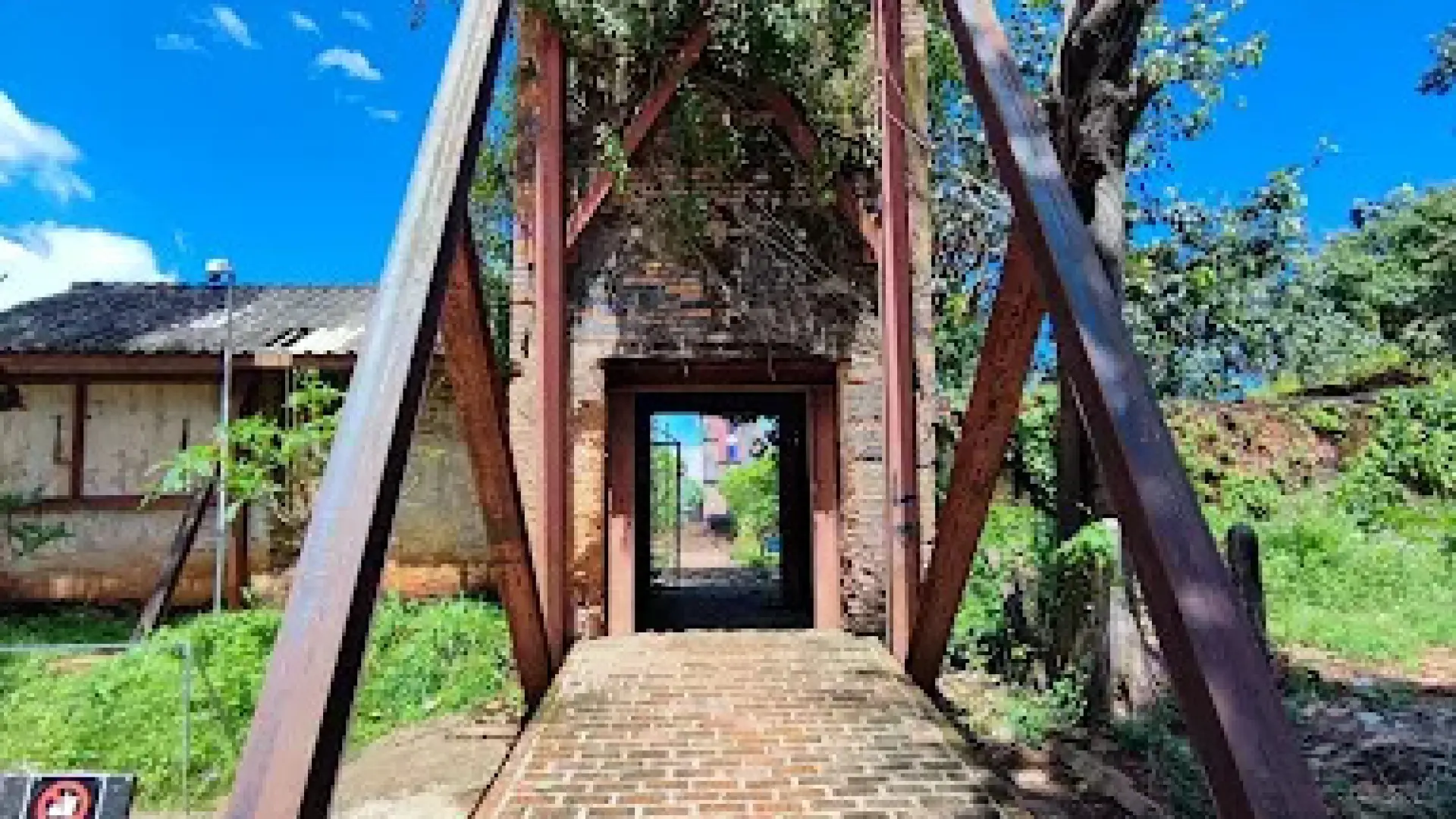
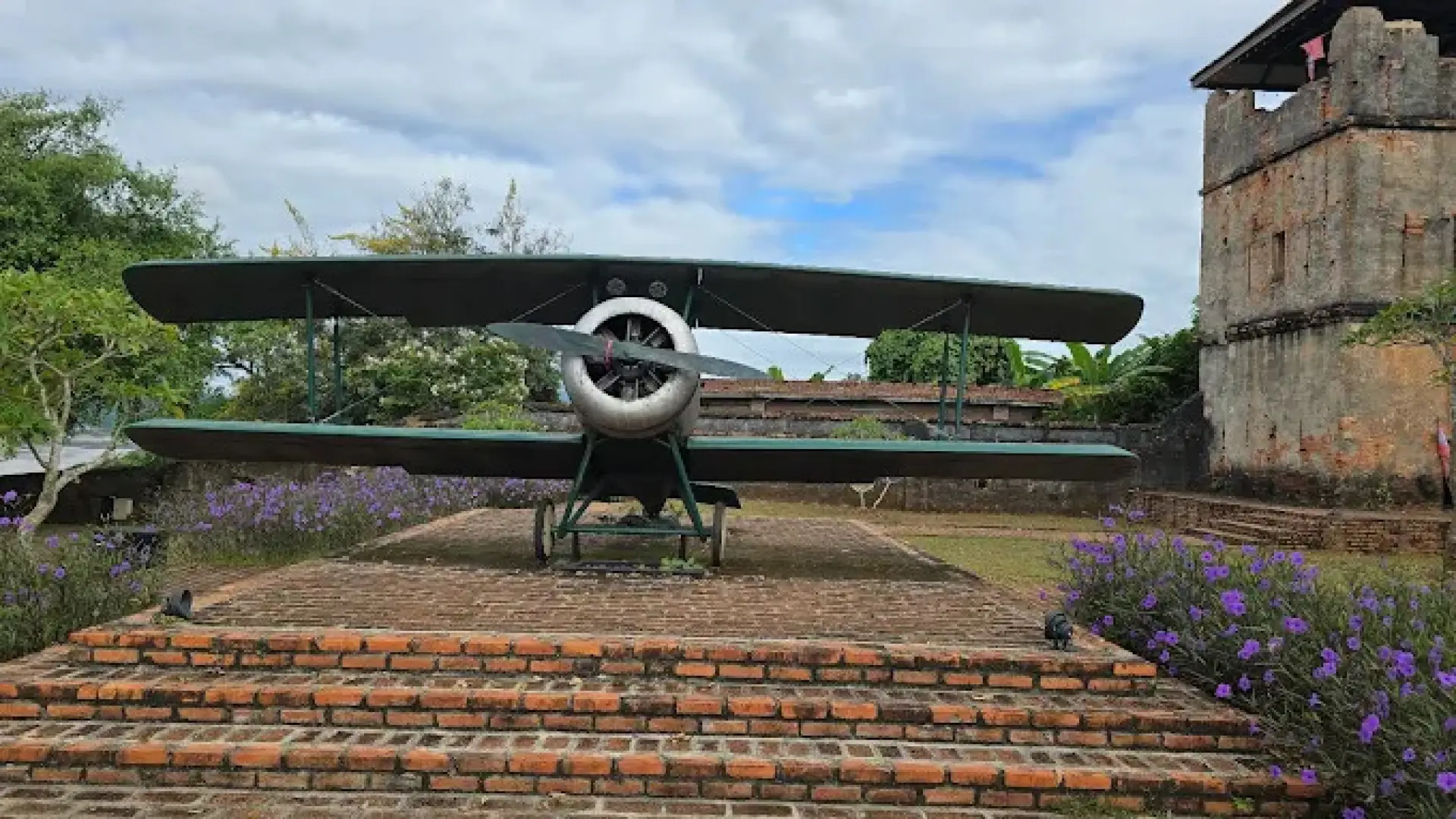
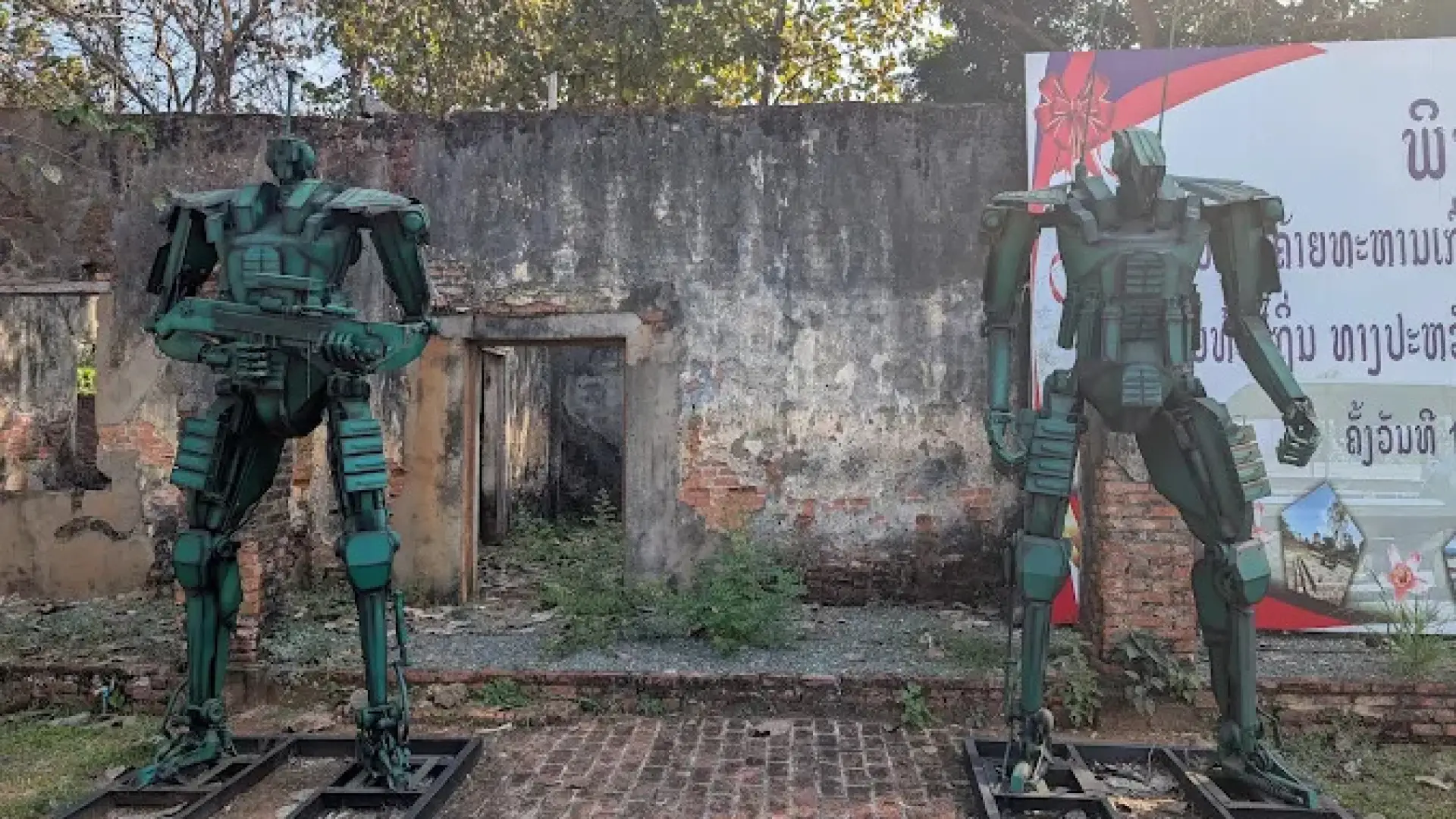
Today, visitors can explore the atmospheric ruins that remain scattered across the hilltop. The fort's most recognizable features are its two surviving watchtowers, defensive walls, bastions, and remnants of former military buildings. Large trees and tropical vegetation have gradually reclaimed portions of the structure, creating a fascinating blend of history and nature. The weathered brickwork and overgrown ruins give the site a distinctive character that appeals to history enthusiasts, photographers, and adventurous travelers.
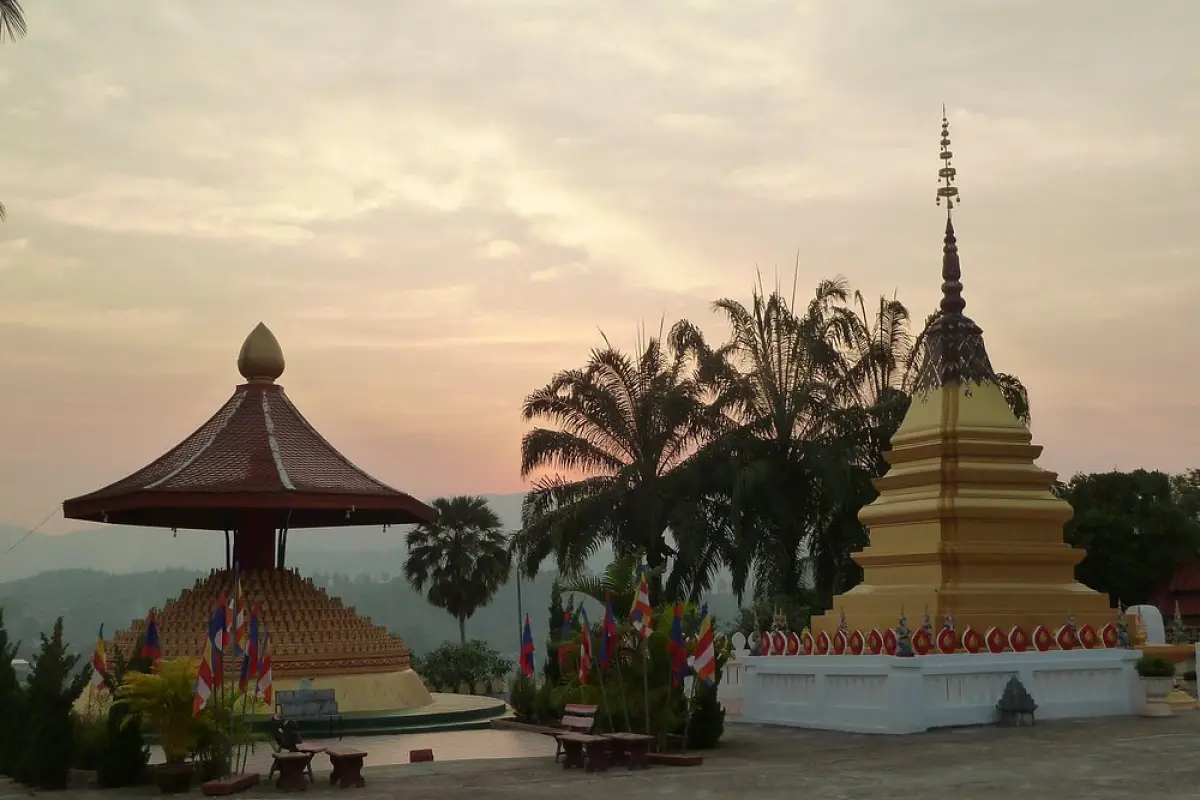
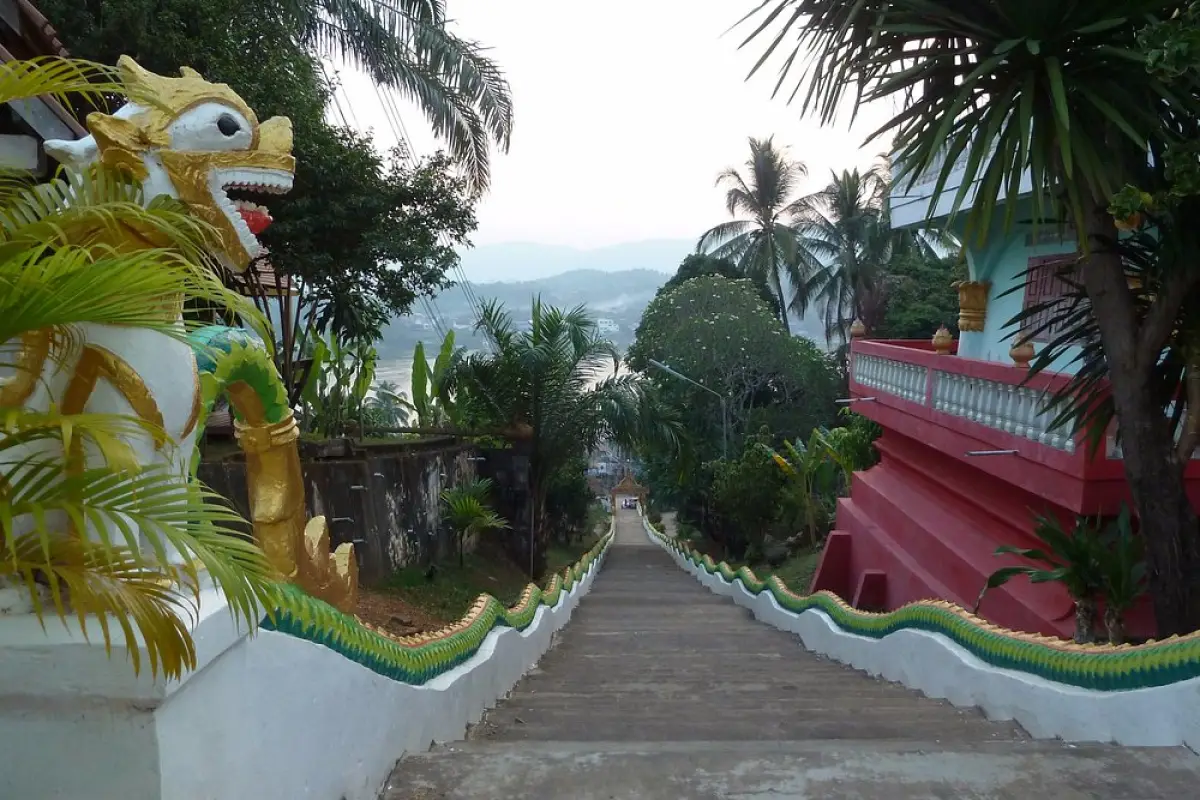
One of the main reasons to visit Fort Carnot is the spectacular panoramic view from the hilltop. Visitors can enjoy sweeping vistas of Houay Xay, the Mekong River, and the Thai town of Chiang Khong across the river. Sunrise and sunset are particularly rewarding times to visit, as the golden light illuminates both the ruins and the surrounding landscape.
The fort has become an important heritage attraction in northern Laos. In recent years, preservation efforts have sought to protect the remaining structures and highlight the site's historical significance. The fort was officially recognized as a local heritage site, helping to ensure that this important piece of colonial history is preserved for future generations.
For travelers interested in history, architecture, and scenic viewpoints, Fort Carnot offers a unique opportunity to explore a lesser-known chapter of Laos' colonial past while enjoying some of the best views in Bokeo Province. It is often combined with visits to Wat Chomkao Manilat, the Mekong riverfront, and other attractions in Houay Xay.
Opening Hours
- Daily: 08:00 AM – 05:00 PM
- Best time to visit:
- Early morning for cooler temperatures.
- Late afternoon for sunset views over the Mekong.
- November to February for comfortable weather.
Highlights
- One of the best-preserved French colonial forts in Laos.
- Built around 1900 during the French Indochina period.
- Historic watchtowers and defensive walls.
- Spectacular views of Houay Xay and the Mekong River.
- Excellent photography opportunities.
- Unique blend of history and nature.
- Important colonial heritage site.
- Peaceful hilltop setting.
- Short hike to the summit.
- Popular destination for history enthusiasts.
Visitor Tips
- Wear comfortable walking shoes for the uphill climb.
- Bring water, especially during the hot season.
- Visit near sunset for the best photography conditions.
- Exercise caution around old structures and uneven surfaces.
- Bring a camera to capture the ruins and panoramic views.
- Allow 1–2 hours to explore the site.
- Combine your visit with Wat Chomkao Manilat nearby.
- Respect the historic nature of the site and avoid climbing on fragile ruins.
Location
Fort Carnot is located on a hill above Houay Xay, Bokeo Province, northern Laos. The fort overlooks the Mekong River and is easily accessible from the town center by road and a short uphill walk.