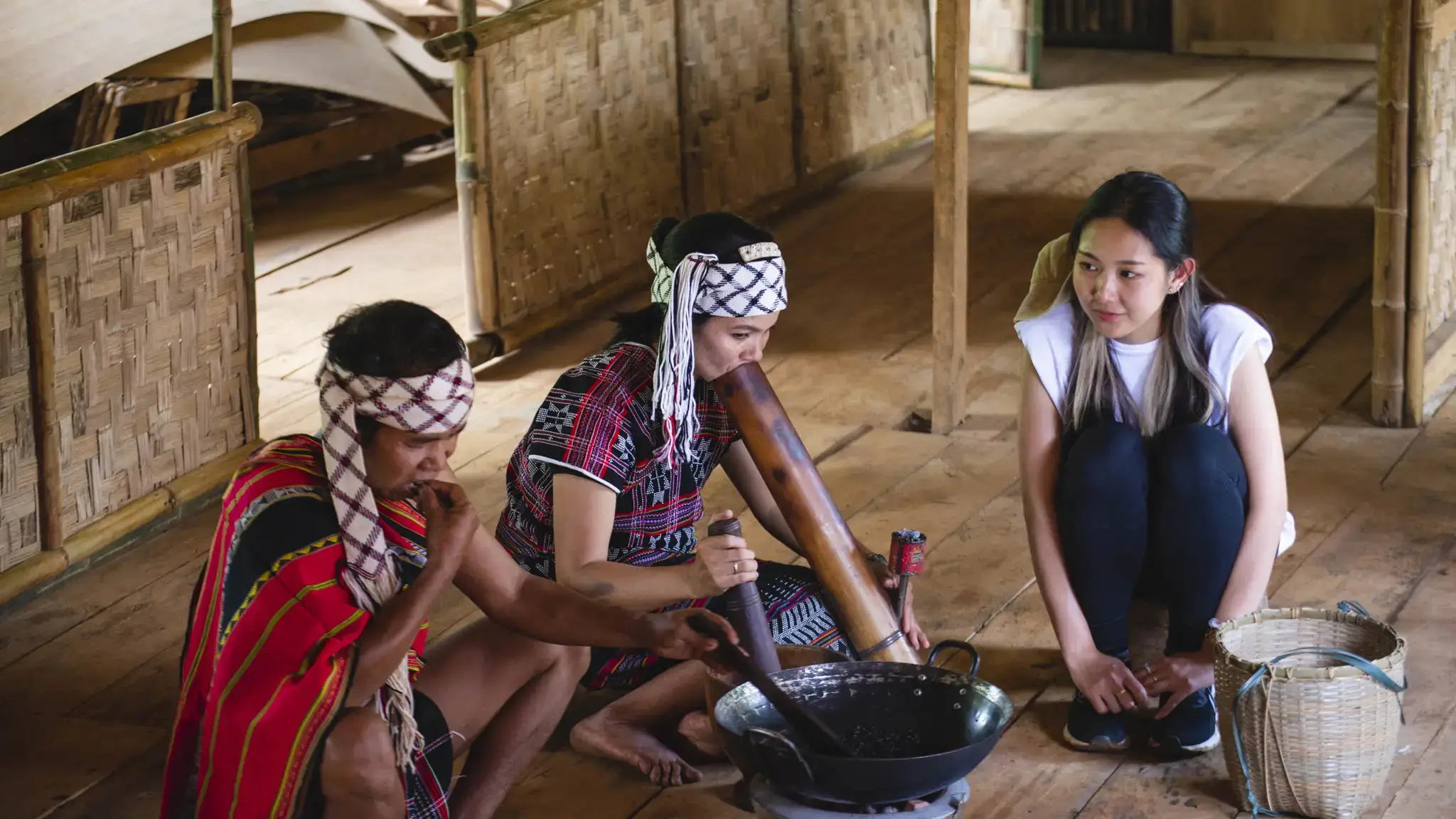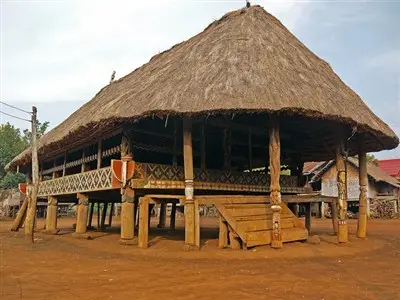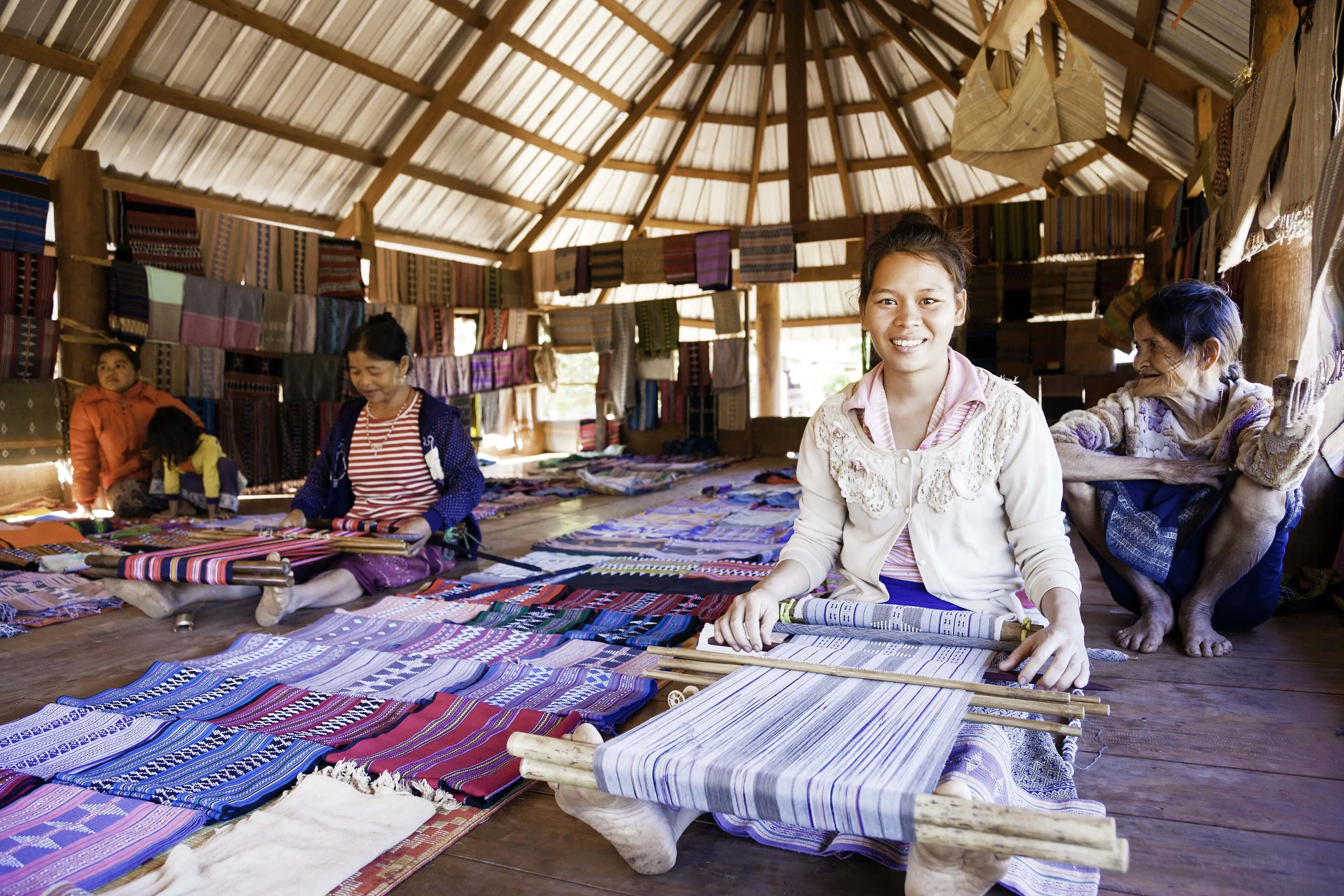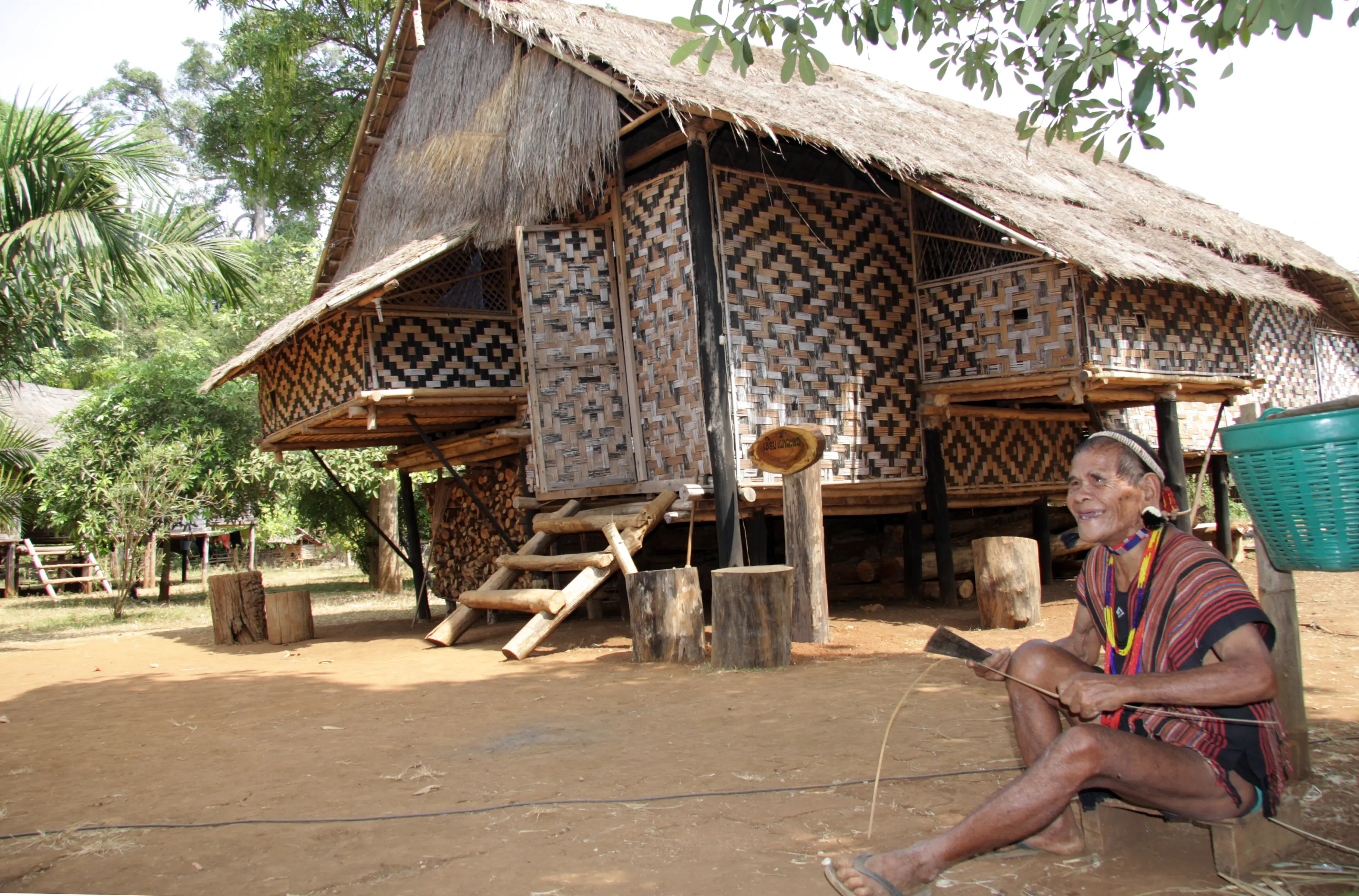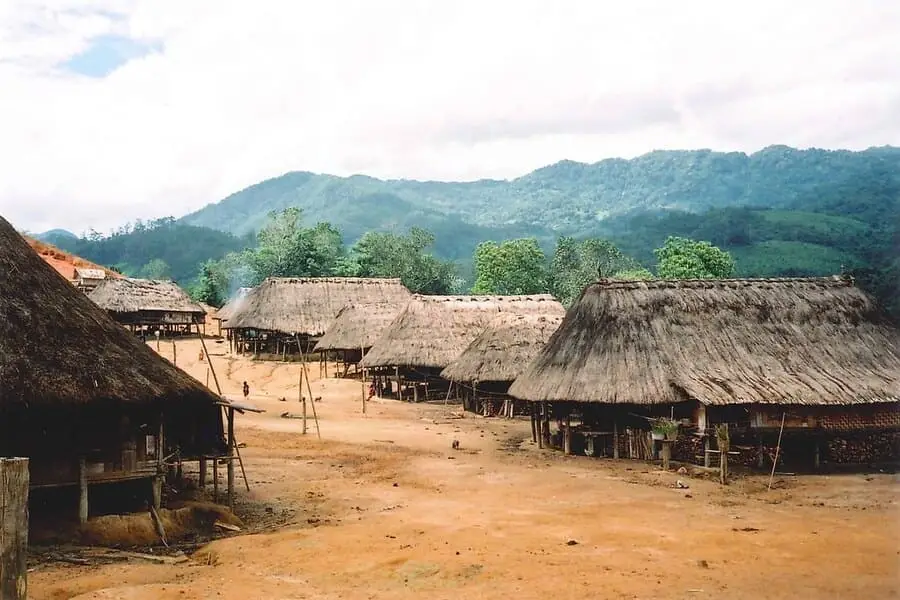
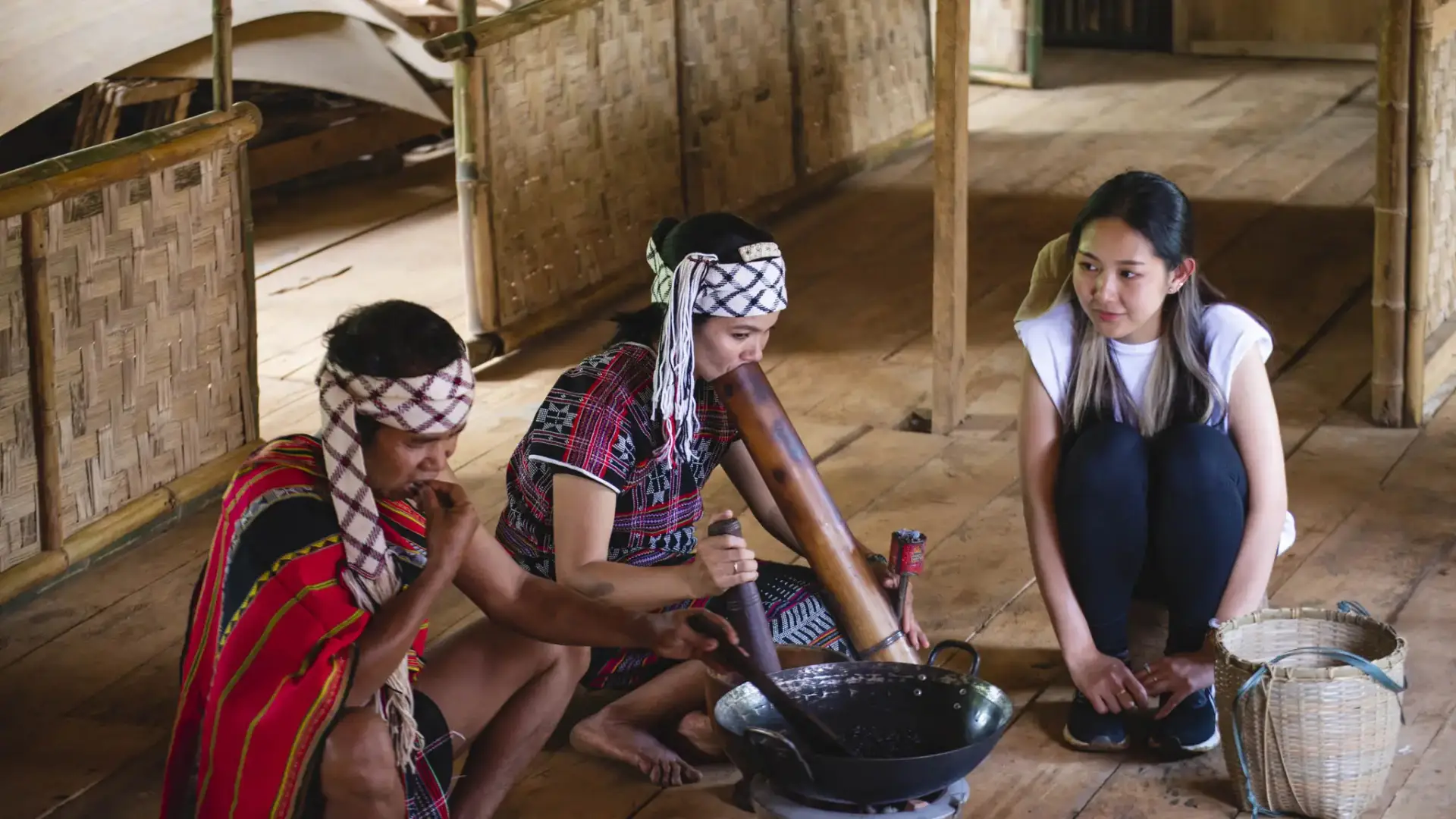
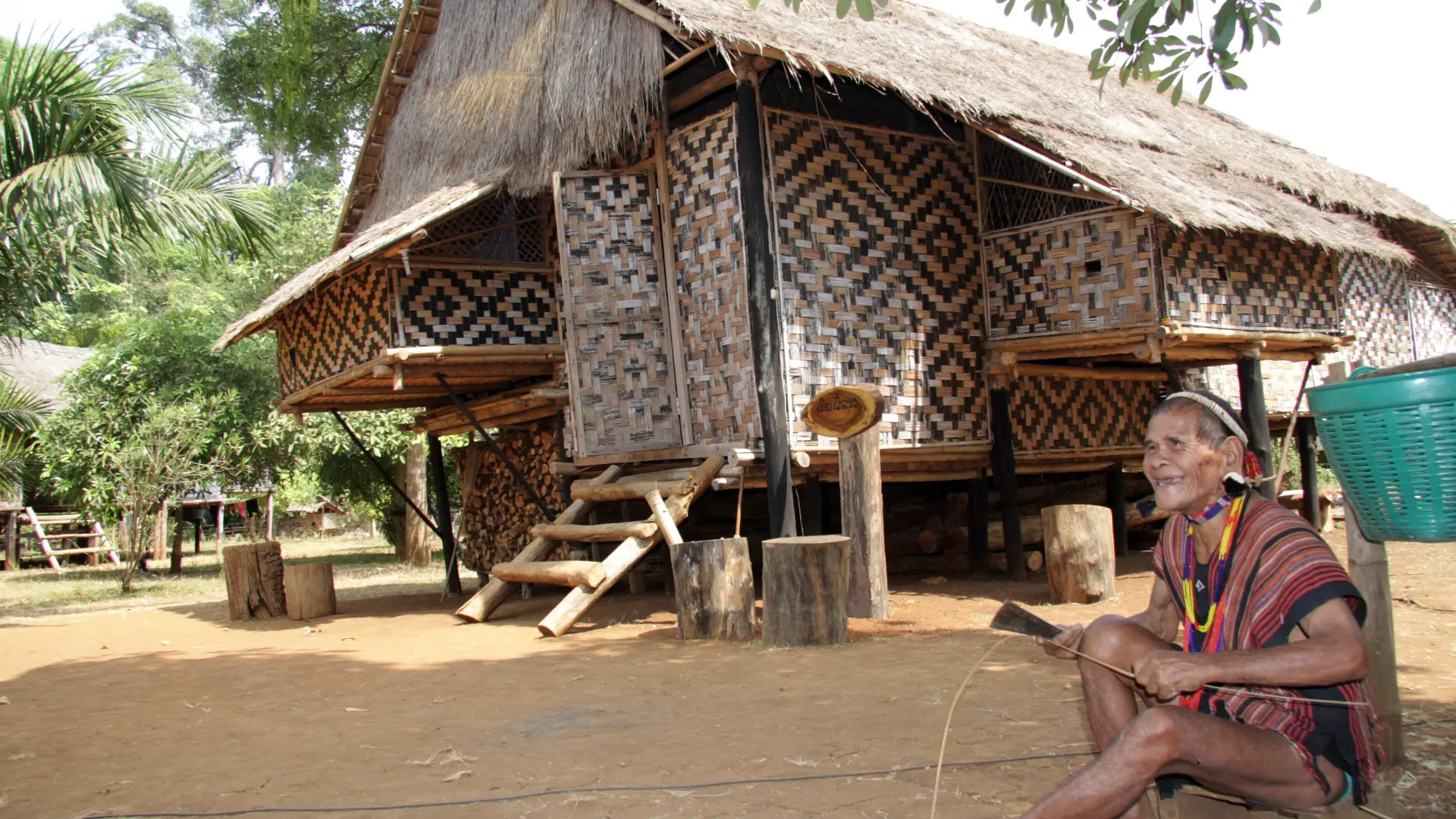
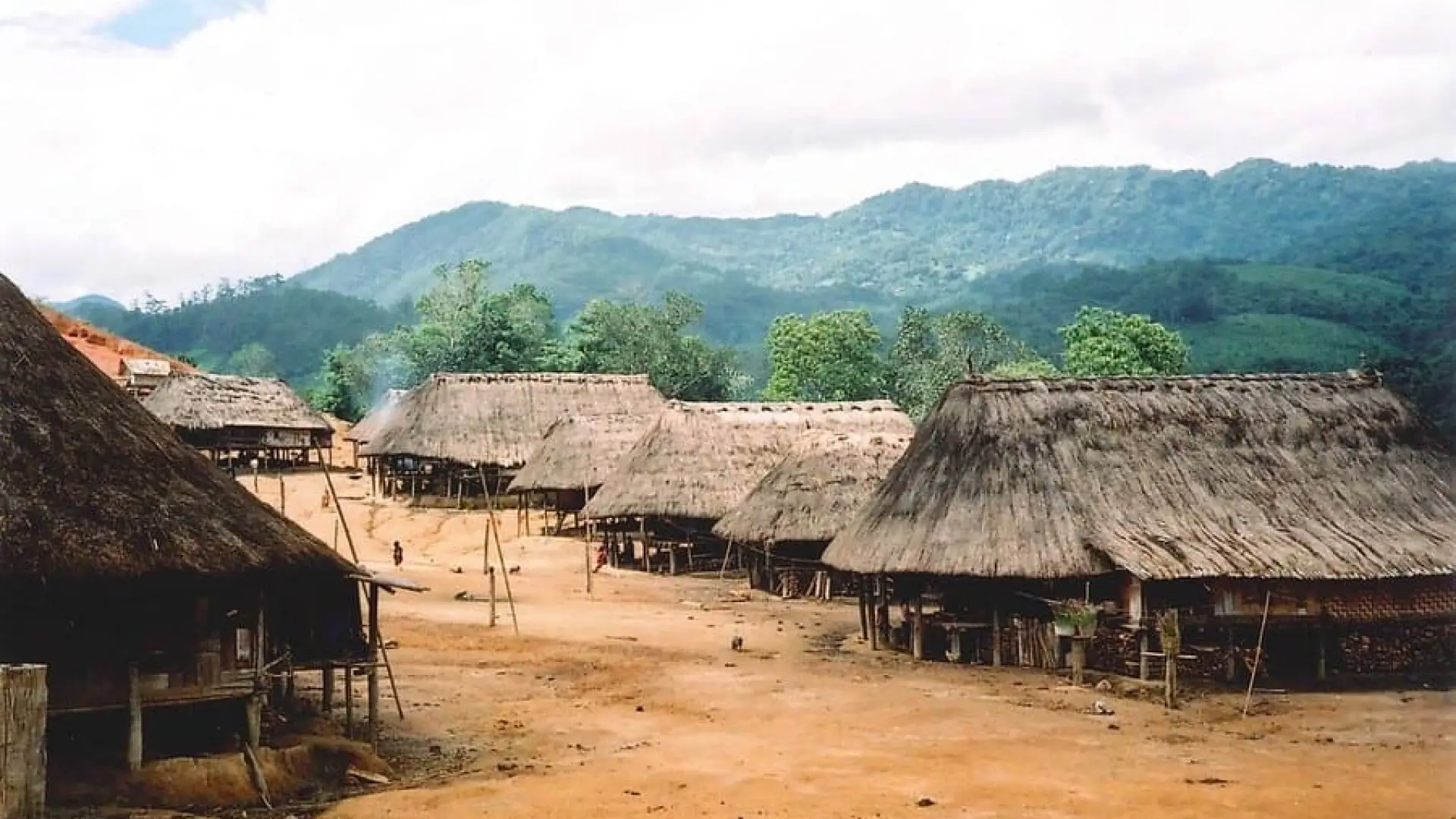
Sekong Province is one of the most culturally diverse provinces in Laos and is considered one of the best places in the country for authentic ethnic and community-based tourism. More than 95% of the population belongs to ethnic minority groups, and many traditional villages continue to preserve their ancestral customs, languages, architecture, handicrafts, and spiritual beliefs. Visitors to Sekong have a rare opportunity to experience traditional lifestyles that have remained largely unchanged for generations.
The province is home to numerous ethnic groups, including the Katu (Katuic), Alak, Tarieng (Talieng), Nge (Krieng), Laven, Souay (Suay), Dak Kang, Yaeh, Chatong, and several smaller communities. Each group possesses its own unique traditions, clothing styles, weaving techniques, ceremonies, architecture, and cultural identity.
Ethnic Groups and Villages to Visit
Ban Dak Feuang – Katu Village
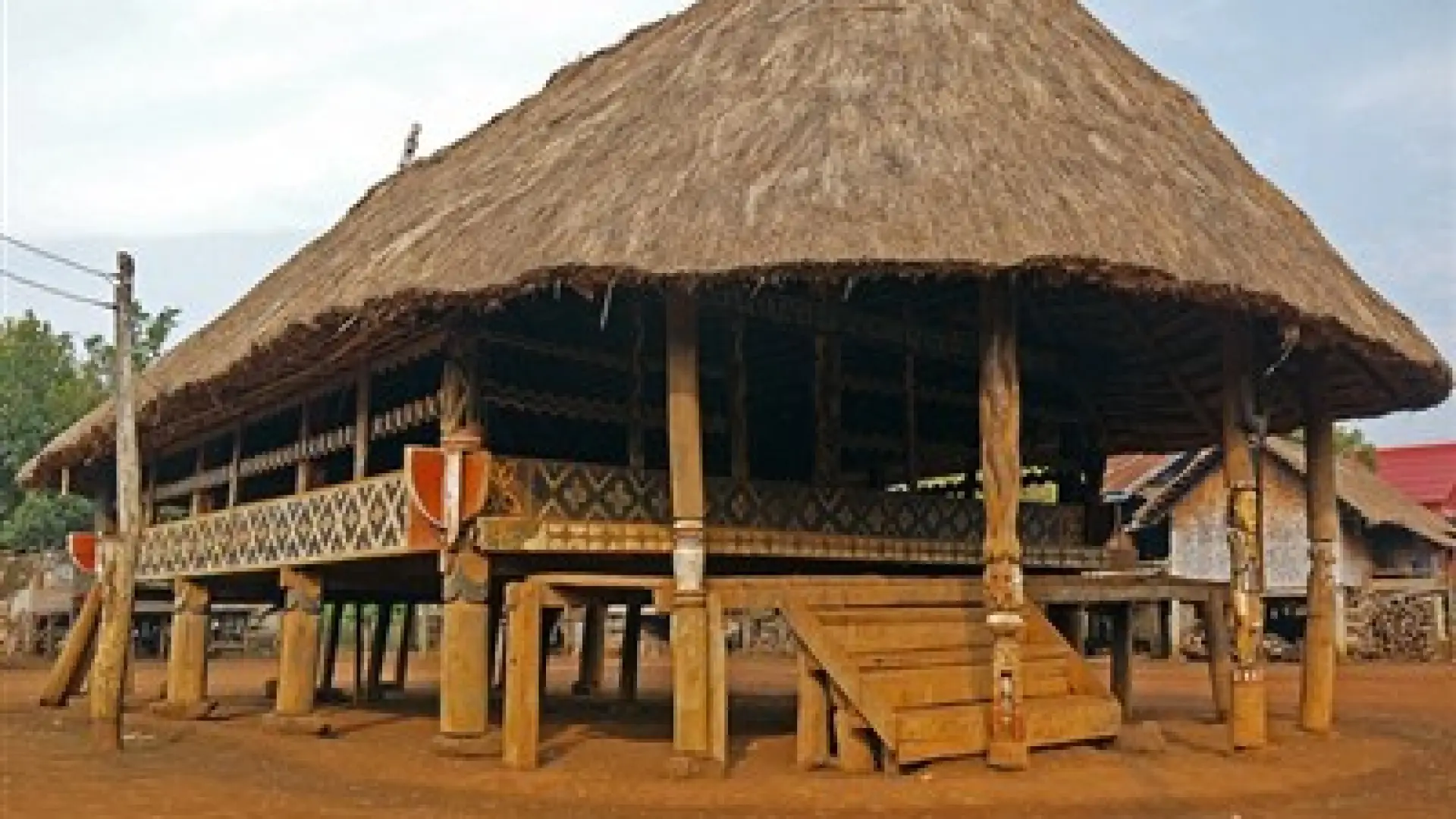
Located in Dak Cheung District, Ban Dak Feuang is one of the most accessible Katu villages in Sekong Province. The Katu people are known for their impressive communal houses, traditional weaving, wood carving, and vibrant cultural ceremonies. Visitors can observe daily village life, traditional architecture, and handicraft production.
Ban Dak Rung – Katu and Tarieng Communities
This village offers insight into both Katu and Tarieng cultures. Traditional longhouses, community gathering areas, and weaving activities can often be observed. The village is surrounded by beautiful mountain scenery and forests.
Ban Talui – Tarieng Village
The Tarieng people are renowned for their traditional costumes, bamboo handicrafts, and ceremonial gong performances. Visitors can learn about local customs and traditional agricultural practices.
Ban Kaluem – Alak Community
Located in Kaleum District, this village is home to the Alak ethnic group. The Alak maintain strong animist traditions and continue to practice many ancestral rituals associated with forest spirits and agriculture. Traditional houses and cultural ceremonies are among the highlights.
Ban Nong Mek – Nge (Krieng) Village
The Nge people are known for their weaving, basket-making, and traditional farming methods. Visitors can learn about local livelihoods and observe daily life in a peaceful rural setting.
Ban Tateng Area Villages – Laven Communities
Around Thateng District, several Laven villages can be visited. The Laven are among the largest ethnic groups on the Bolaven Plateau and are famous for coffee cultivation, traditional textiles, and cultural festivals.
Ban Dak Jang – Souay Community
The Souay people are recognized for their traditional craftsmanship, elephant-related folklore, and strong community traditions. Visitors can learn about their unique cultural heritage and village lifestyle.
Traditional Culture and Experiences
Visitors to these villages can experience:
- Traditional longhouses and communal meeting halls.
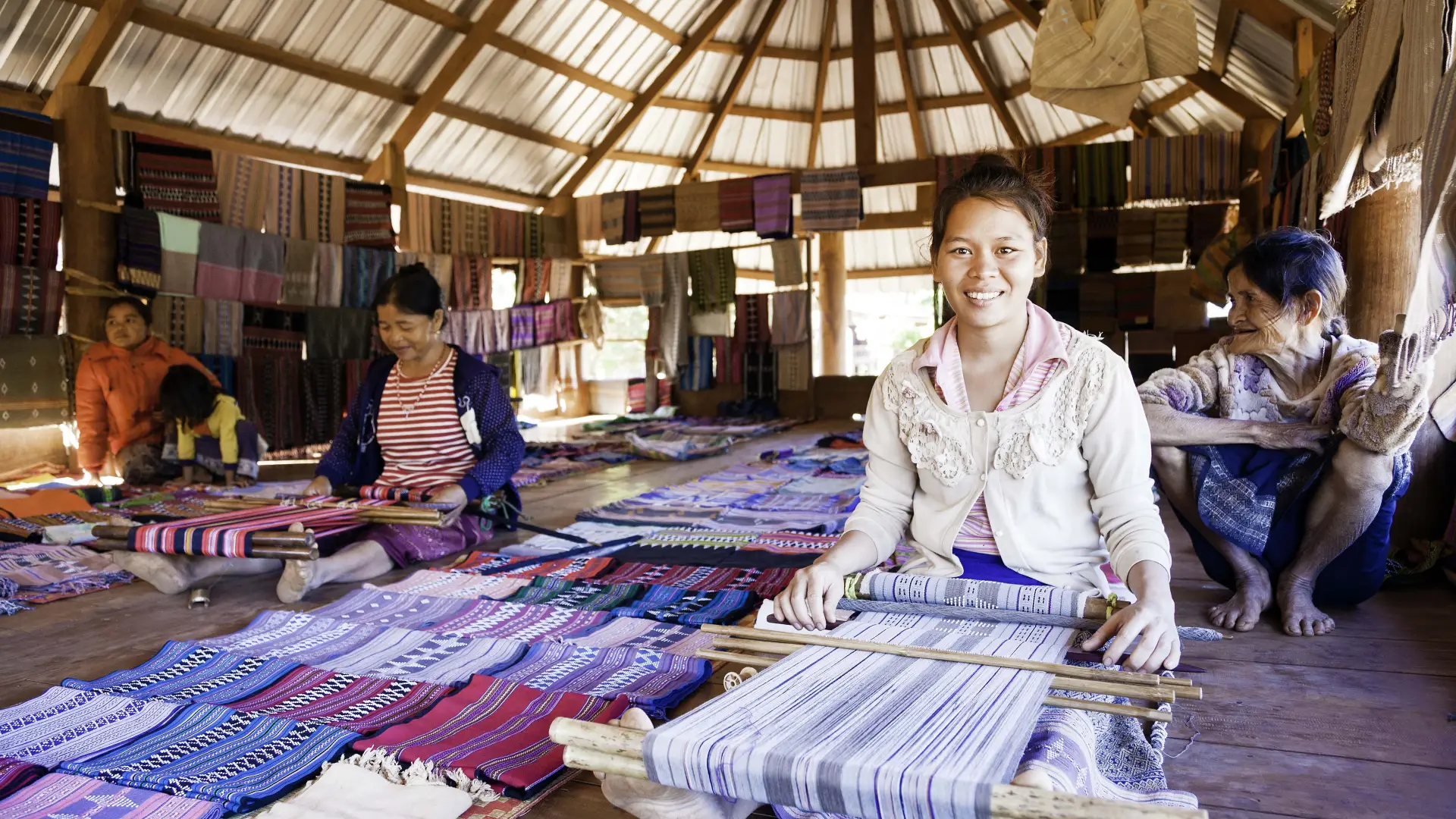
- Handwoven textiles produced using backstrap looms.
- Bamboo basket making and wood carving.
- Traditional gong and drum performances.
- Indigenous agricultural practices.
- Animist ceremonies and spiritual traditions.
- Community-based homestay experiences.
- Local food preparation and traditional cooking methods.
- Coffee farming in Laven communities.
- Traditional festivals and harvest celebrations.
Cultural Highlights
One of the most fascinating aspects of Sekong's ethnic communities is the continued practice of animism. Many villages maintain sacred forests, spirit houses, ancestor worship sites, and ceremonial grounds. Traditional beliefs remain closely connected to nature and have played an important role in preserving the region's forests and biodiversity.
Many women continue to produce colorful handwoven textiles featuring intricate geometric patterns unique to their ethnic group. Purchasing these handicrafts directly from villagers helps support local livelihoods and preserve traditional skills.
Opening Hours
- Villages are generally accessible daily: 08:00 AM – 05:00 PM
- Best time to visit:
- November to February for cooler temperatures.
- During harvest festivals and cultural celebrations.
- Morning hours for village visits and handicraft demonstrations.
Visitor Tips
- Always ask permission before taking photographs.
- Dress respectfully when visiting villages.
- Hire a local guide or community representative when possible.
- Purchase handicrafts directly from local artisans.
- Respect sacred sites, spirit forests, and ceremonial areas.
- Learn basic Lao greetings to enhance interactions.
- Bring small cash for handicraft purchases and donations.
- Consider staying in a village homestay for a deeper cultural experience.
- Avoid distributing gifts directly to children.
- Allow at least one full day to explore several villages.