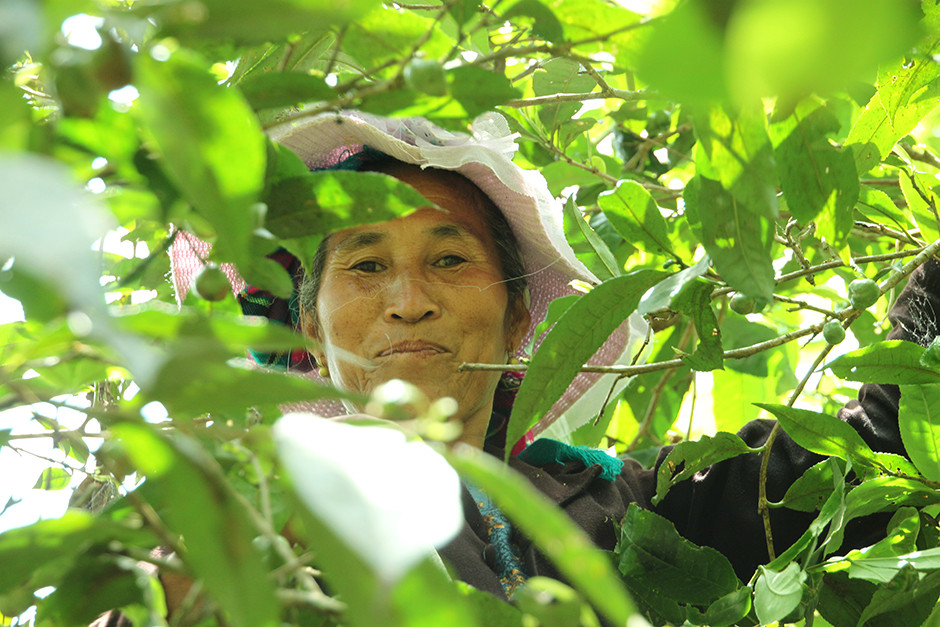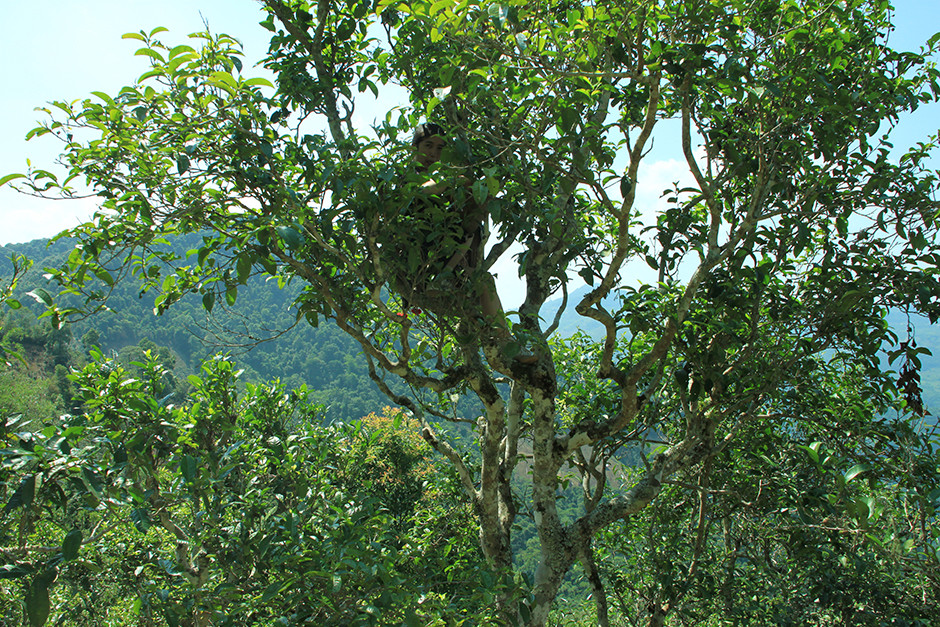
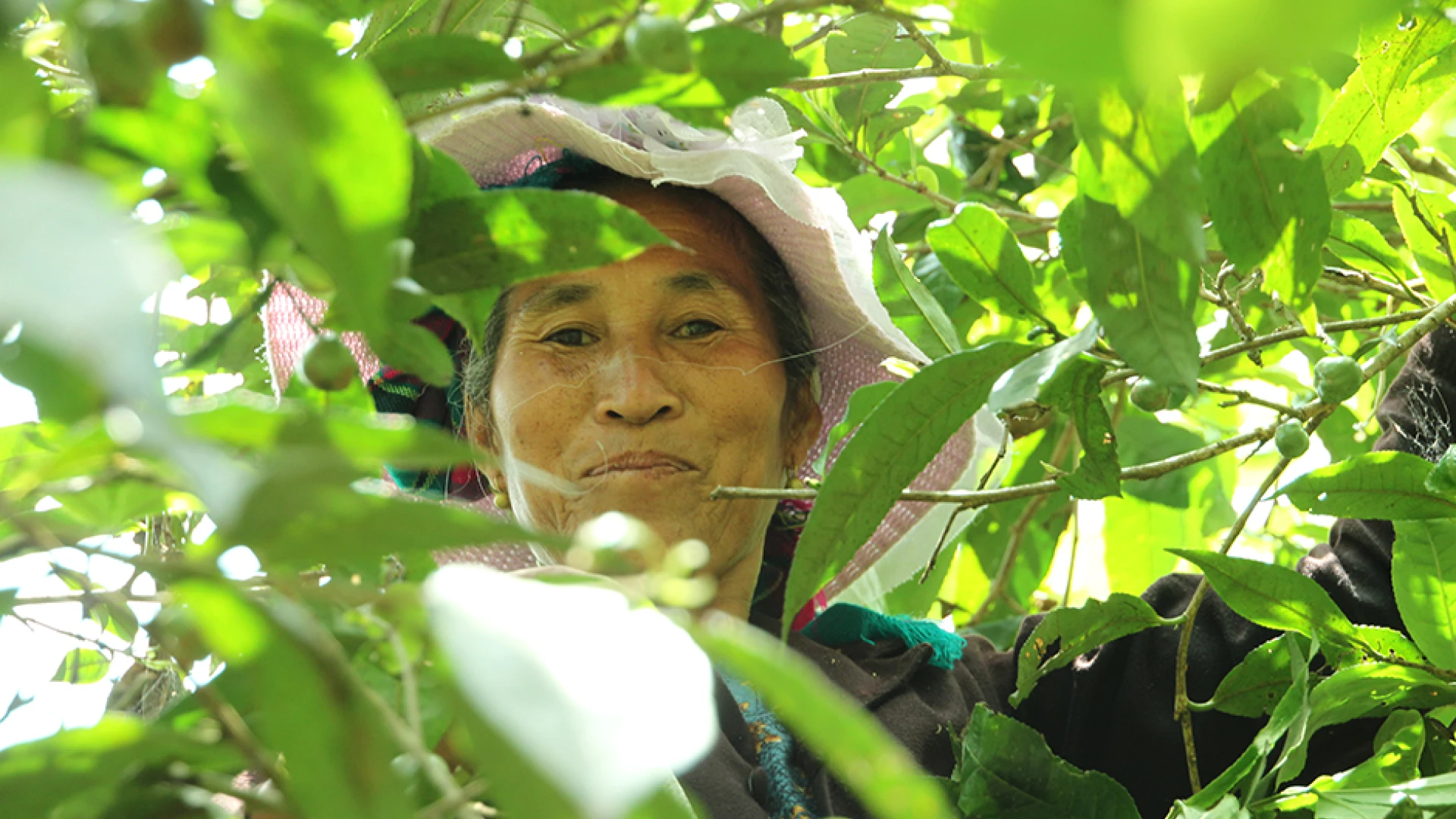
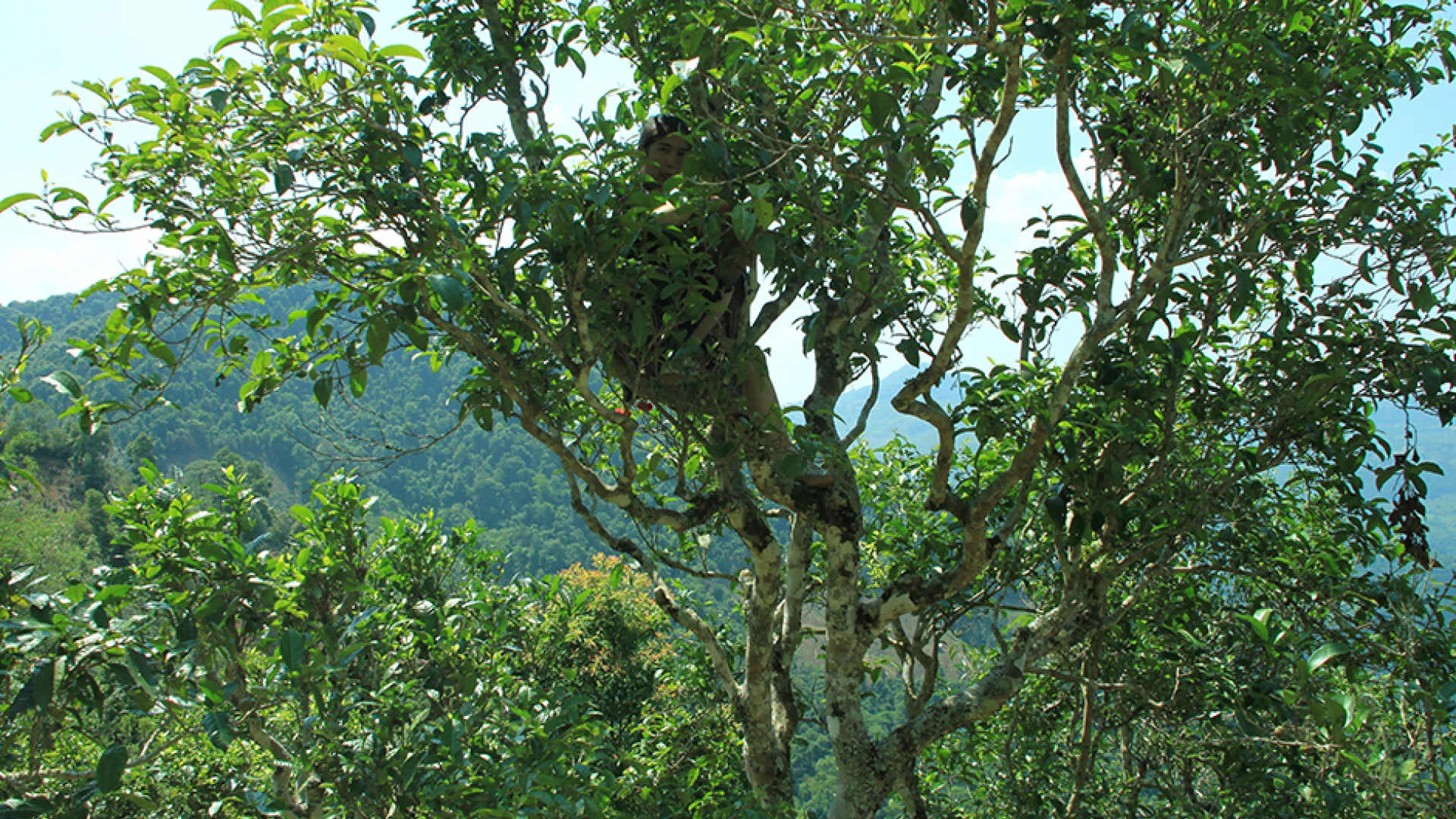
The 400-Year-Old Tea Trees of Phongsaly Province are among the most remarkable natural and cultural attractions in Laos. Located in the remote Phunoy ethnic village of Ban Komaen, approximately 18 kilometers from Phongsaly Town, these ancient tea forests are believed by many tea experts to contain some of the oldest living tea trees in the world. The centuries-old trees have become a symbol of Phongsaly's rich heritage and are one of the province's most famous tourist attractions.
Unlike conventional tea plantations where tea grows as low bushes, the tea plants in Ban Komaen grow as towering trees. Some specimens reach heights of 6 meters, with trunks measuring up to 30 centimeters in diameter. Their extensive root systems penetrate deep into the mineral-rich mountain soil, producing the distinctive aroma and flavor that make "Phongsaly Tea" highly valued among tea enthusiasts.
The tea-growing tradition in Phongsaly has been preserved for generations by local ethnic communities. Visitors can learn about traditional harvesting and processing methods at the Tea Pavilion, where exhibits explain the history of tea, its cultural significance, and how villagers transform freshly picked leaves into unique products such as traditional "tea cigars." The experience offers valuable insight into one of Laos' most important agricultural traditions.
One of the highlights of the visit is the Tea Trail, a scenic walking route that winds through the ancient tea forest. The trail takes approximately one hour and leads visitors through groves of centuries-old trees, up to panoramic viewpoints overlooking Phongsaly Town and the surrounding mountains. Along the route, visitors can also explore a village temple featuring a distinctive large-eared Buddha statue.
The area is famous not only for its tea but also for its breathtaking mountain scenery. Located at elevations of around 1,400 meters above sea level, Phongsaly Province offers cool temperatures, misty forests, and spectacular landscapes throughout much of the year. The journey to Ban Komaen passes through newer tea plantations and provides excellent opportunities for photography and cultural encounters with local ethnic communities.
Today, the ancient tea trees remain an important source of income for local villagers while also serving as a living link to centuries of Lao tea culture. For travelers interested in nature, culture, history, and tea, the 400-Year-Old Tea Trees offer one of the most unique experiences in northern Laos.
Opening Hours
- Daily: 08:00 AM – 05:00 PM
- Tea Trail accessible during daylight hours.
- Best time to visit:
- October to March for cool weather and clear mountain views.
- Early morning for misty landscapes and photography.
- Harvest season (spring months) to observe tea picking activities.
Highlights
- Some of the oldest tea trees in the world.
- Ancient tea forest over 400 years old.
- Traditional tea-growing and processing culture.
- Tea Pavilion and educational exhibits.
- Scenic Tea Trail through the plantation.
- Panoramic mountain viewpoints.
- Unique "tea cigar" production demonstrations.
- Authentic Phunoy ethnic village experience.
- Cool mountain climate and beautiful scenery.
- One of the most iconic attractions in Phongsaly Province.
Visitor Tips
- Wear comfortable walking shoes for the Tea Trail.
- Bring a camera for mountain and tea forest photography.
- Visit early in the morning for the best views.
- Carry light rain protection during the wet season.
- Respect local customs and village traditions.
- Try locally produced Phongsaly tea as a souvenir.
- Bring cash for village contributions and tea purchases.
- Allow 2–3 hours to fully explore the Tea Pavilion, trail, and village.
- Consider hiring a local guide for deeper insights into tea culture.
- Combine your visit with Phou Fa Mountain and Phongsaly Old Town.
Location
The 400-Year-Old Tea Trees are located in Ban Komaen Village, approximately 18 km from Phongsaly. The site can be reached by tuk-tuk, motorbike, bicycle, or organized tour from Phongsaly Town. Visitors are typically asked to make a small contribution to the village development fund.