Phongsaly Old Town is one of the most unique and historically preserved urban areas in Laos. Unlike many towns in northern Laos that suffered extensive damage during the Indochina conflicts, Phongsaly's old quarter survived largely intact and remains a rare example of traditional Yunnanese architecture that has almost disappeared even in neighboring Yunnan, China. The historic district offers visitors a fascinating glimpse into the cultural crossroads where Lao, Chinese, and various ethnic minority influences have blended for centuries.
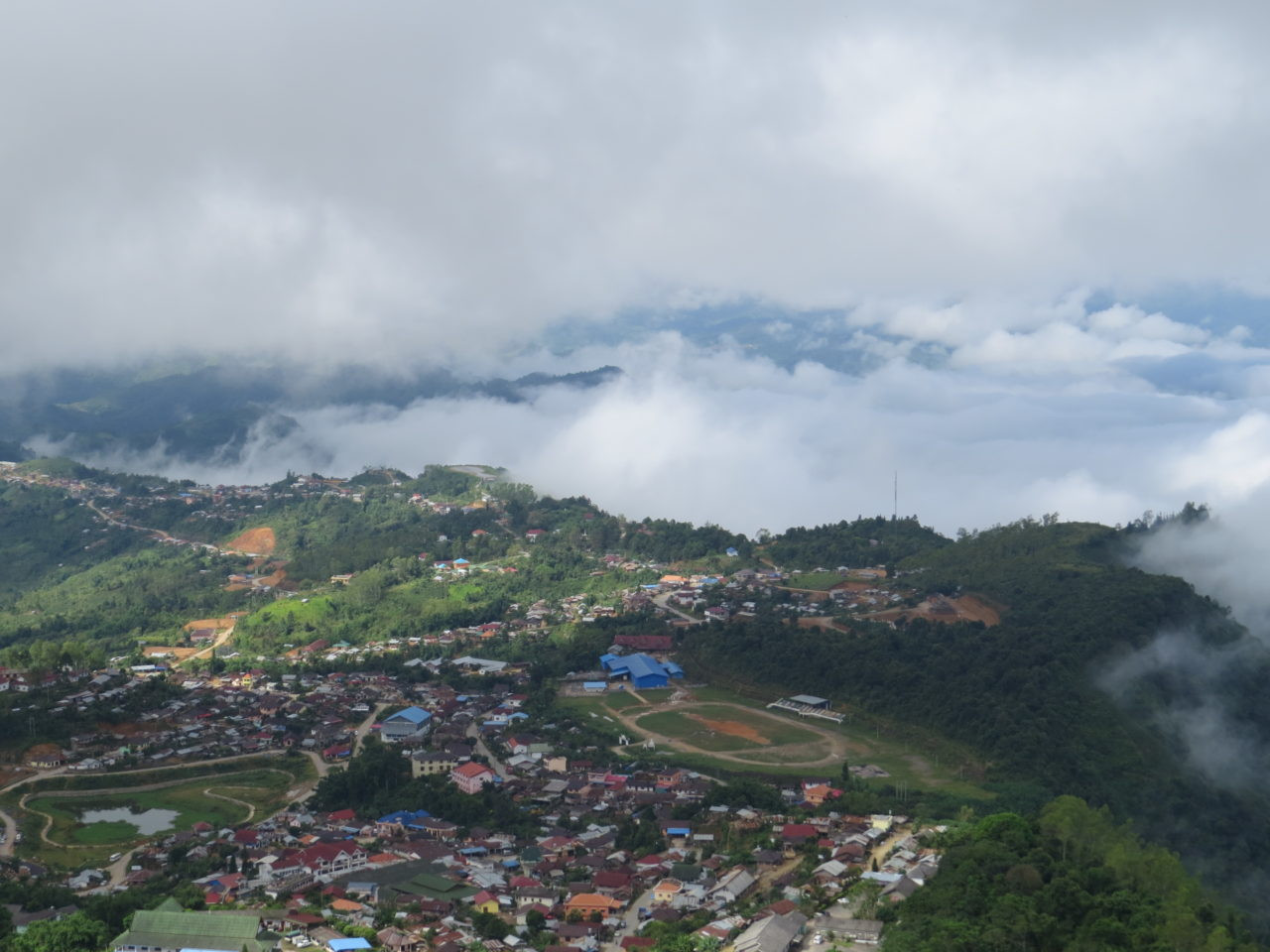
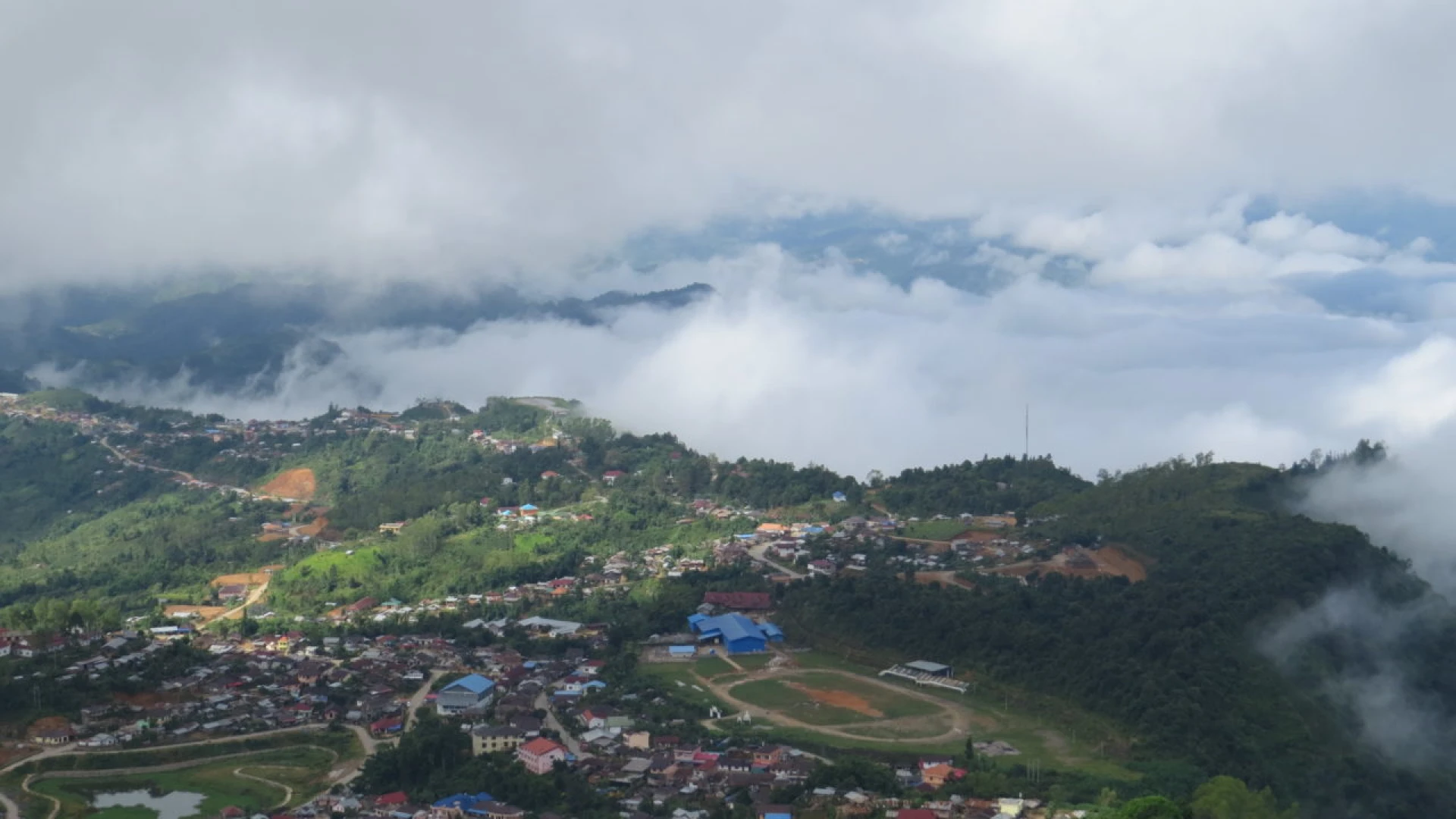
Located at approximately 1,400 meters above sea level, Phongsaly Town is the highest provincial capital in Laos. The old quarter is characterized by narrow streets, traditional wooden houses with carved facades, tiled roofs, balconies, and distinctive Chinese-style architecture. Many of these buildings are still occupied by local families, particularly members of the Hor ethnic group, whose ancestors migrated from southern China generations ago. The town retains an atmosphere that feels remarkably different from anywhere else in Laos.
Walking through the old town is like stepping back in time. Visitors can wander among historic wooden shop houses, traditional tea shops, local markets, and quiet alleyways while observing everyday life unfold much as it has for decades. The architecture reflects strong Yunnanese influence, making Phongsaly one of the few places in Southeast Asia where this style remains so well preserved.
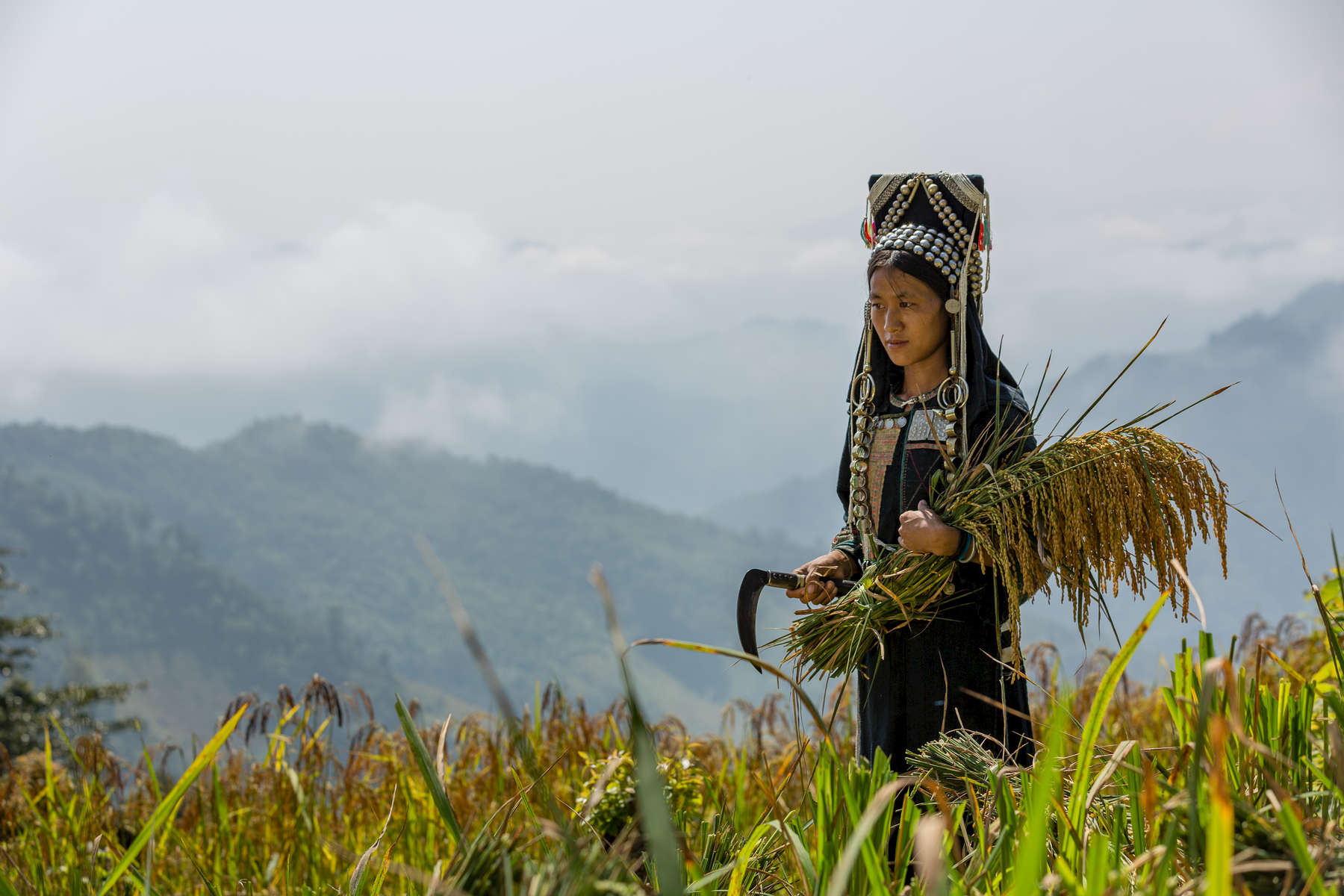
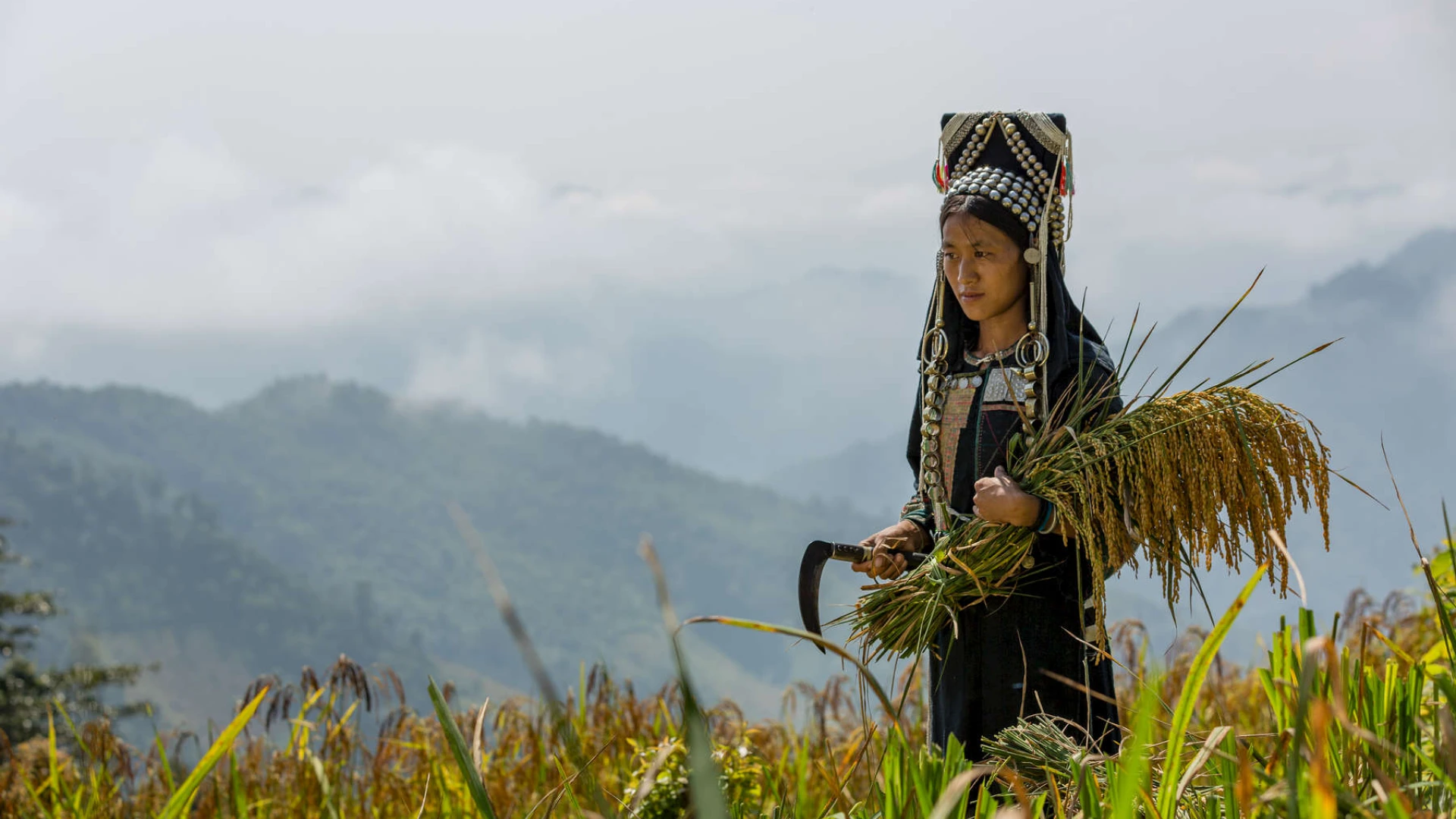
One of the highlights of exploring Phongsaly Old Town is its connection to the region's rich ethnic diversity. The province is home to more than 20 ethnic groups, including the Phounoy, Tai Lue, Akha, Khmu, Yao, and Hor peoples. Visitors can experience a unique blend of languages, traditions, cuisines, and cultural practices that contribute to the town's distinctive character.
The old town also serves as an excellent base for exploring nearby attractions such as the Museum of Ethnic Groups, the famous 400-Year-Old Tea Trees of Ban Komaen, and the scenic hike to Phou Fa Mountain. A 45-minute trek to the stupa atop Phou Fa offers spectacular panoramic views over the old town, surrounding mountains, and valleys stretching toward China and Vietnam.
Food lovers will enjoy discovering the town's unique culinary heritage, which combines traditional Lao cuisine with Yunnanese influences. Local restaurants serve handmade noodles, dumplings, tea-infused dishes, mountain herbs, and famous Phongsaly tea harvested from centuries-old tea trees. The cool mountain climate further enhances the charm of this northern highland destination.
Today, Phongsaly Old Town remains one of Laos' most authentic and least-commercialized destinations. Its preserved architecture, rich history, multicultural heritage, and peaceful atmosphere make it a must-visit attraction for travelers seeking a deeper understanding of northern Laos and its unique cultural identity.
Opening Hours
- Open daily: 24 hours
- Best time to explore:
- 06:00 AM – 10:00 AM for local market activity and photography.
- 04:00 PM – 06:30 PM for pleasant temperatures and sunset views.
- October to March for cool, clear weather and excellent visibility.
Highlights
- Historic Yunnanese wooden architecture.
- One of the best-preserved old towns in Laos.
- Traditional Chinese-influenced wooden houses.
- Rich multicultural heritage.
- Home to the Hor ethnic community.
- Historic former Chinese consulate building.
- Scenic mountain setting at 1,400 meters elevation.
- Access to Phou Fa Mountain viewpoints.
- Traditional tea culture and local markets.
- Authentic atmosphere with minimal tourism development.
Visitor Tips
- Explore on foot to fully appreciate the architecture.
- Visit early morning for the most authentic local experience.
- Bring a camera for street photography and architectural details.
- Combine your visit with the Museum of Ethnic Groups.
- Try local Phongsaly tea and Yunnan-style cuisine.
- Wear comfortable walking shoes for the hilly streets.
- Visit Phou Fa Mountain for panoramic views.
- Respect local residents and ask permission before photographing people.
- Allow 2–3 hours for a relaxed exploration of the old quarter.
- Stay overnight to enjoy the peaceful atmosphere after day visitors leave.
Location
Phongsaly Old Town is located in the center of Phongsaly, the capital of Phongsaly Province in northern Laos, near the borders of China and Vietnam. The historic quarter is easily accessible on foot from most hotels and guesthouses in town.