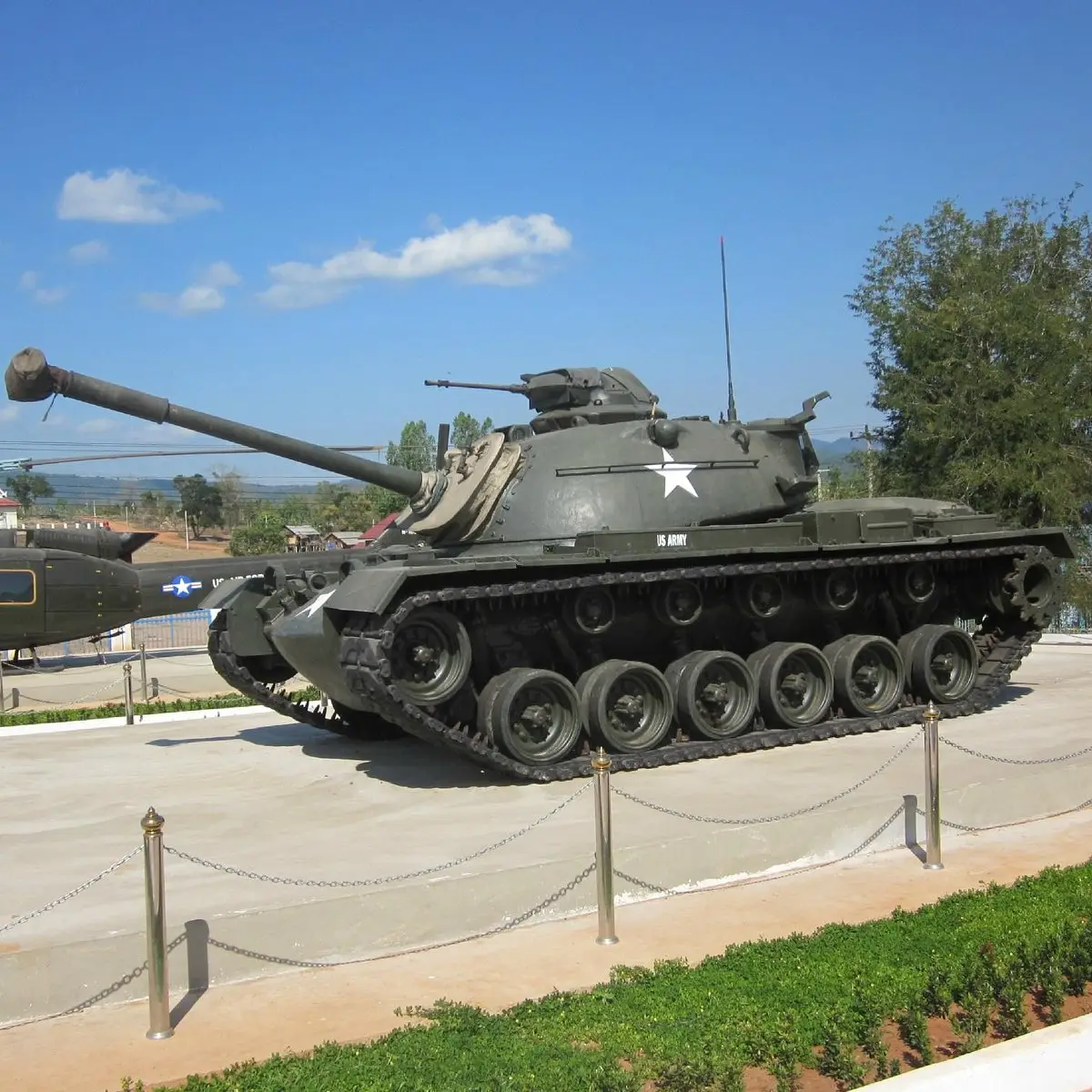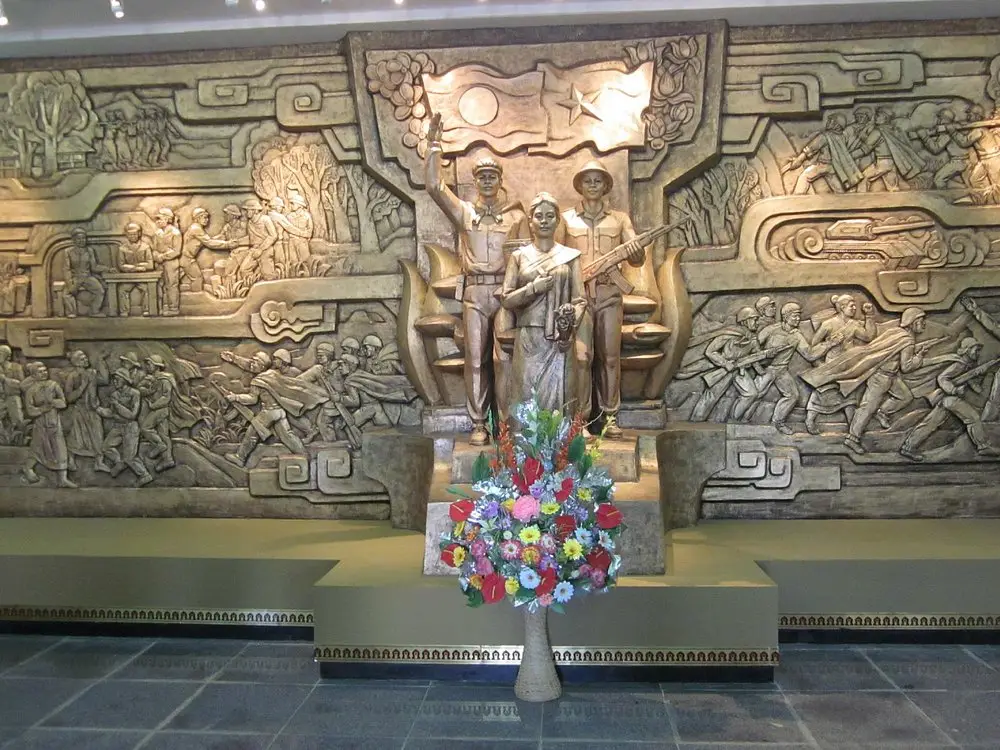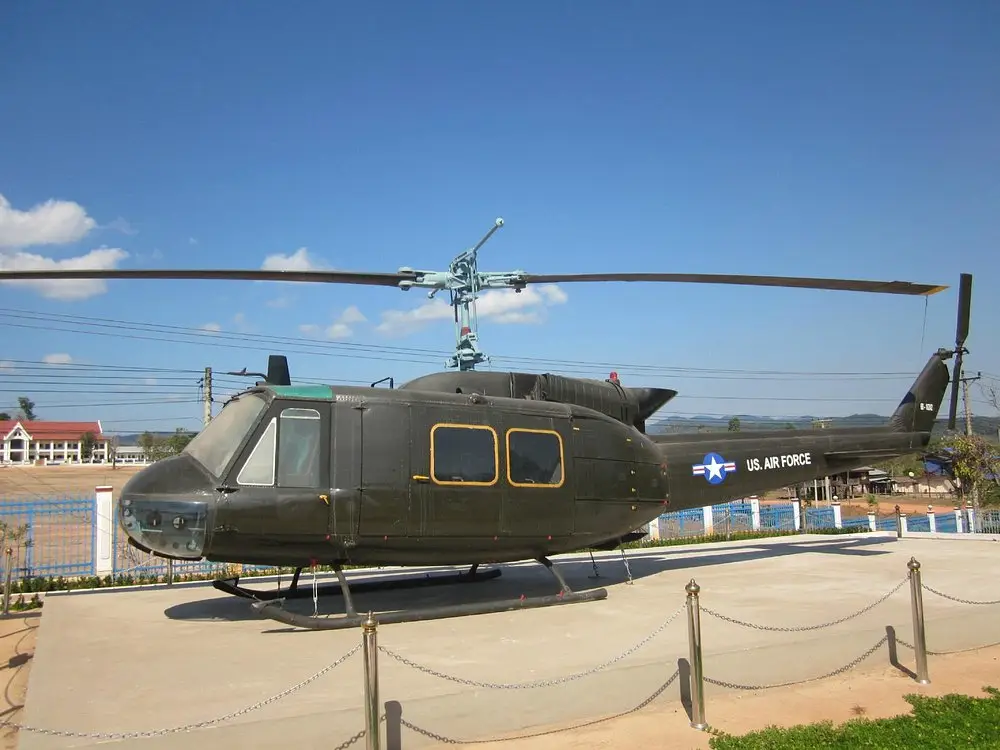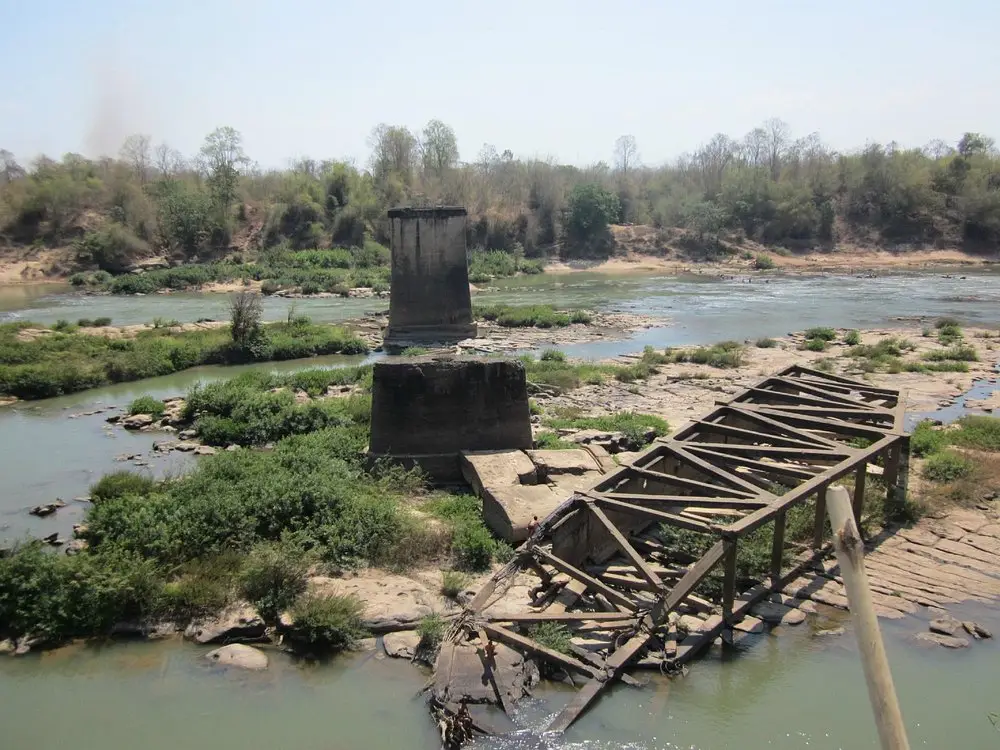
The Ho Chi Minh Trail in Salavan Province is one of the most historically significant sites in Laos and Southeast Asia. More than just a single road, the Ho Chi Minh Trail was a vast network of supply routes, roads, footpaths, bridges, pipelines, and logistical corridors that stretched through Laos, Vietnam, and Cambodia during the Vietnam War. Salavan Province played a crucial role in this network due to its strategic location along the southern Lao corridor, where supplies, troops, and equipment moved through remote mountains and forests toward South Vietnam.
Throughout the 1960s and early 1970s, large sections of the trail passed through the rugged terrain of Salavan Province, particularly around the Bolaven Plateau and eastern mountainous regions near the Vietnamese border. The dense forests, deep valleys, and isolated landscapes provided natural cover that helped conceal the transportation routes from aerial reconnaissance. As a result, the area became one of the most strategically important regions during the conflict.
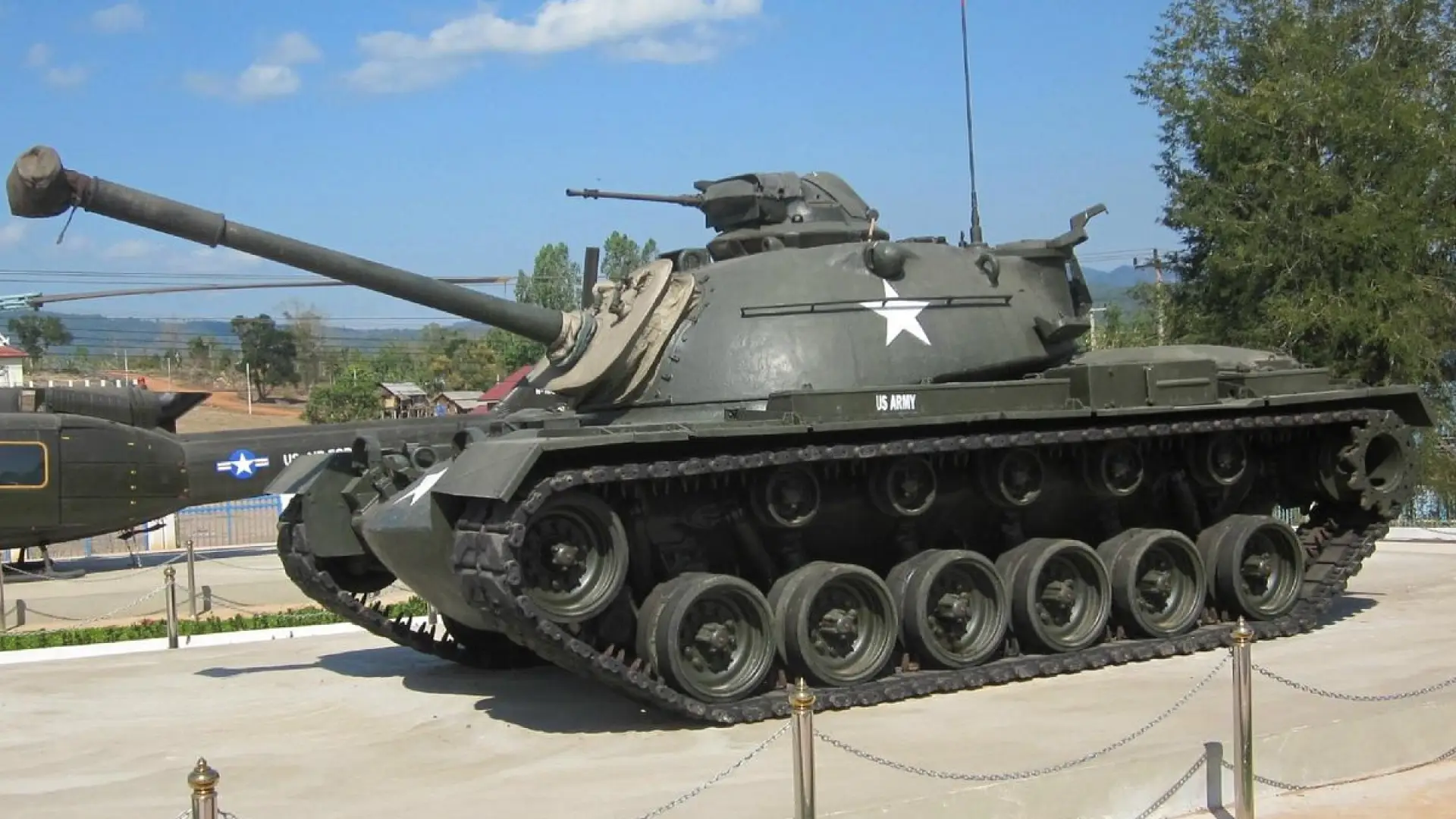
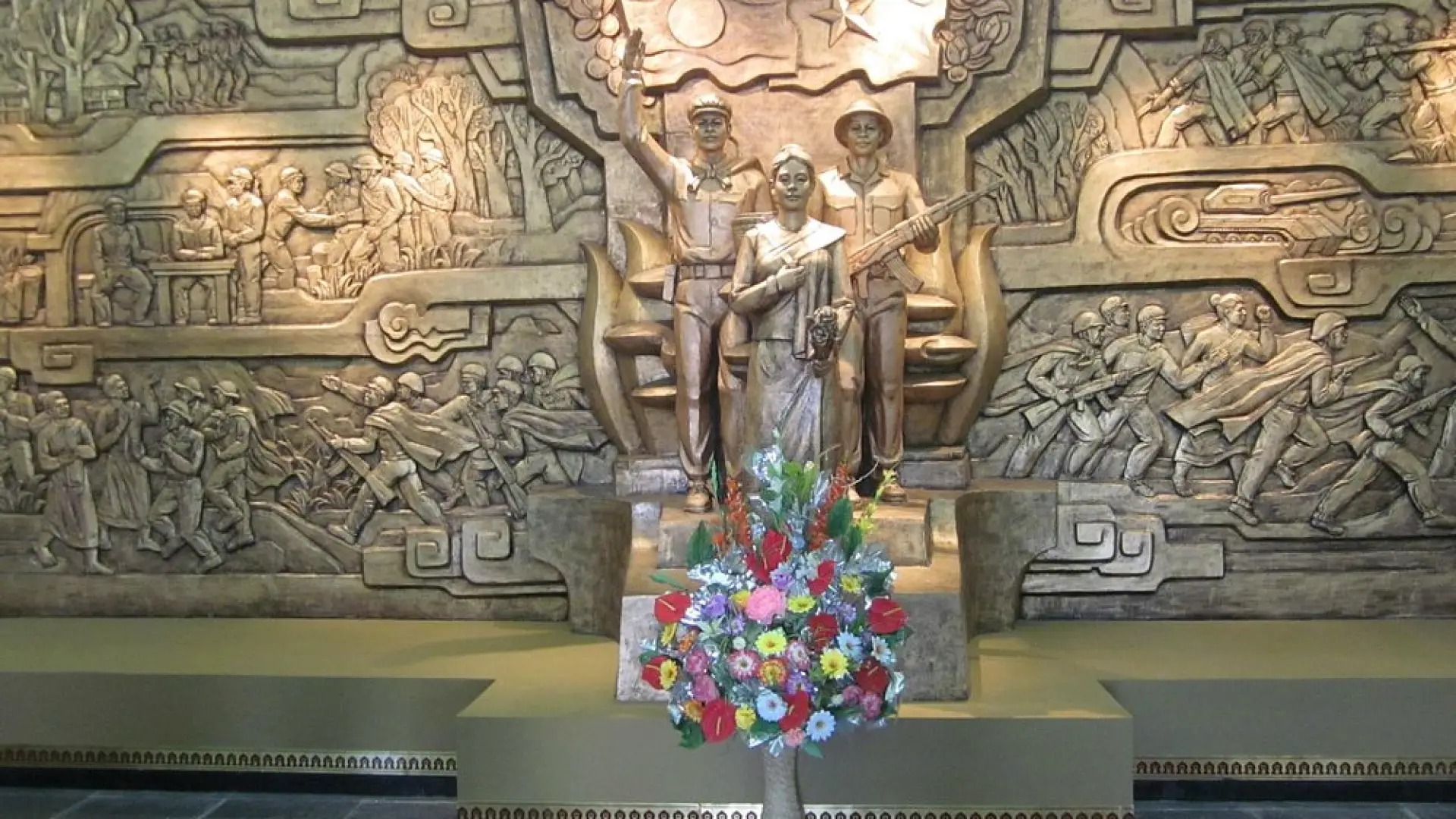
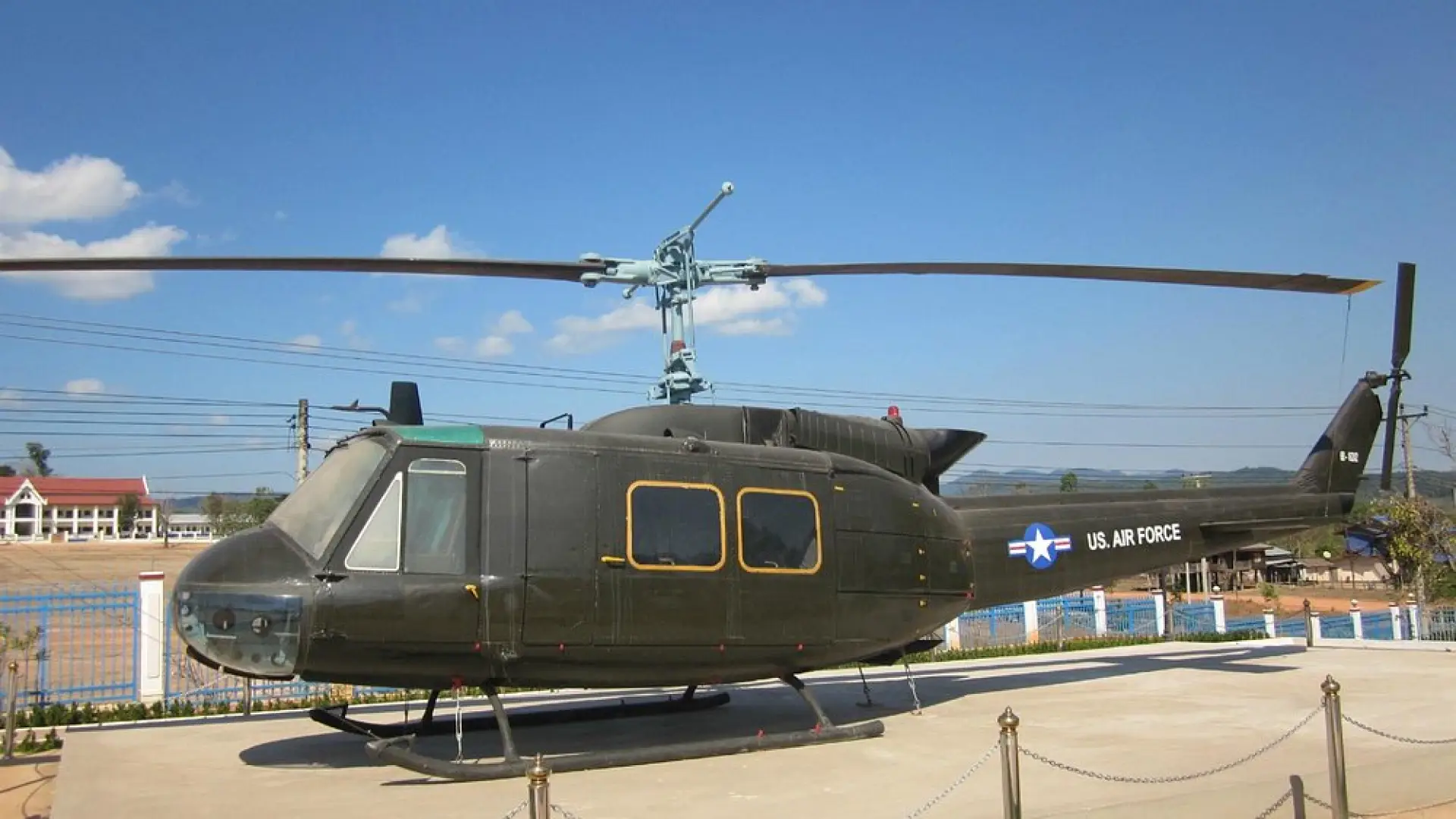
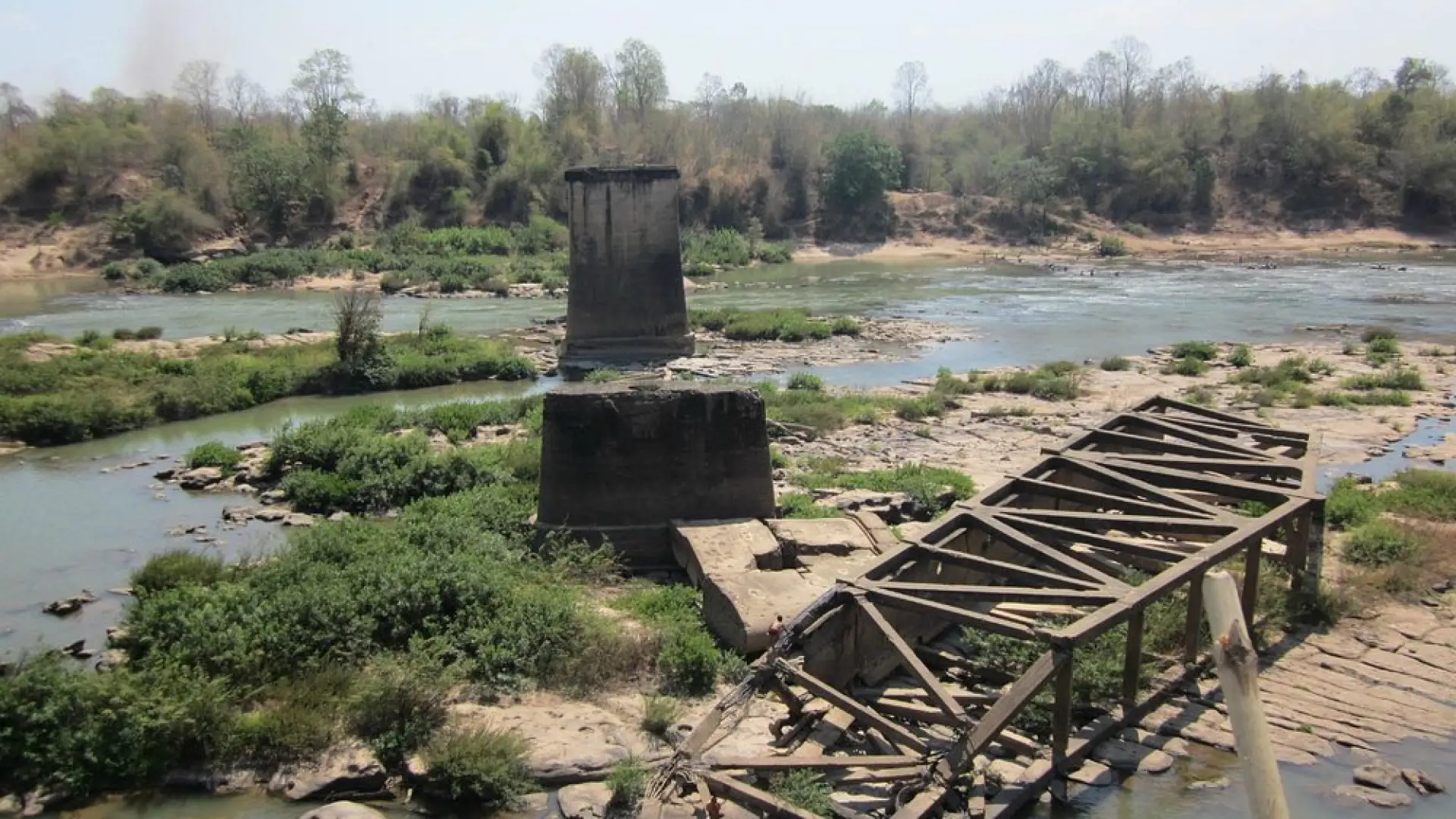
Today, visitors can explore remnants of the historic trail, including old road sections, former military supply routes, bomb craters, abandoned bunkers, and memorial sites scattered throughout Salavan Province. While many sections have been reclaimed by nature, local guides and historical tours help visitors understand the immense scale of the network and the challenges faced by those who traveled through these remote landscapes decades ago.
The surrounding scenery adds another dimension to the experience. The trail passes through some of the most beautiful areas of southern Laos, including lush forests, waterfalls, coffee plantations, ethnic minority villages, and mountain viewpoints. Many travelers combine visits to the Ho Chi Minh Trail with excursions to the Bolaven Plateau, Tad Lo, Tad Soung, and nearby cultural attractions.
Beyond its military history, the trail tells a broader story about resilience, survival, and the impact of war on Laos. During the conflict, Laos became one of the most heavily bombed countries in the world due to its strategic importance along the trail network. Today, many communities in Salavan continue to preserve stories, artifacts, and memories associated with this period of history.
For history enthusiasts, the Ho Chi Minh Trail offers a rare opportunity to stand on one of the most important logistical networks of the 20th century. For nature lovers, it provides access to spectacular landscapes and remote regions of southern Laos. The combination of historical significance and natural beauty makes it one of the most compelling destinations in Salavan Province.
Opening Hours
- Open daily: 24 hours
- Best time to visit:
- November to February for cooler weather and easier travel conditions.
- Early morning or late afternoon for sightseeing and photography.
- Dry season (November–April) for better access to remote trail sections.
Highlights
- Historic section of the famous Ho Chi Minh Trail.
- Important Vietnam War and Laos War heritage site.
- Former military supply routes and transportation corridors.
- Historical remnants including old roads, bunkers, and bomb craters.
- Scenic mountain and forest landscapes.
- Access to ethnic villages and rural communities.
- Part of one of the most important logistical networks in modern military history.
- Excellent educational and cultural experience.
- Beautiful photography opportunities.
- Often combined with Bolaven Plateau attractions.
Visitor Tips
- Hire a knowledgeable local guide for historical context.
- Wear comfortable walking or hiking shoes.
- Bring water, sunscreen, and insect repellent.
- Some remote sections may require a 4WD vehicle during the rainy season.
- Respect local communities and historical sites.
- Be aware that unexploded ordnance (UXO) may still exist in some remote areas—never leave marked paths.
- Visit nearby museums or memorials to gain a deeper understanding of the region's history.
- Allow a half-day to full-day excursion depending on the route explored.
Location
The Ho Chi Minh Trail passes through several districts of Salavan Province, particularly the eastern mountainous regions and areas connected to the Bolaven Plateau. Various accessible sections can be reached from Salavan Town, Lao Ngam District, and nearby villages along historical trail routes.