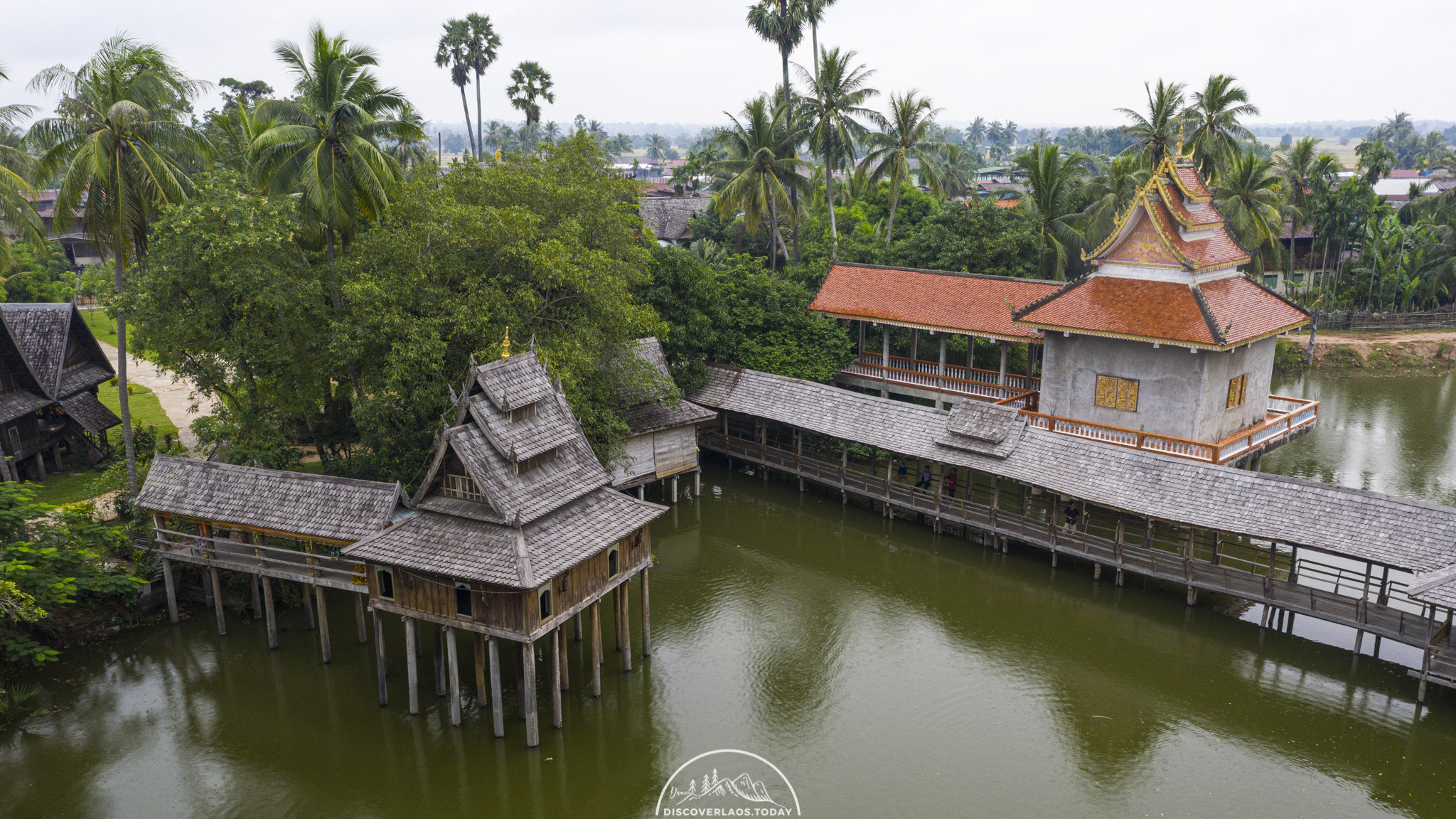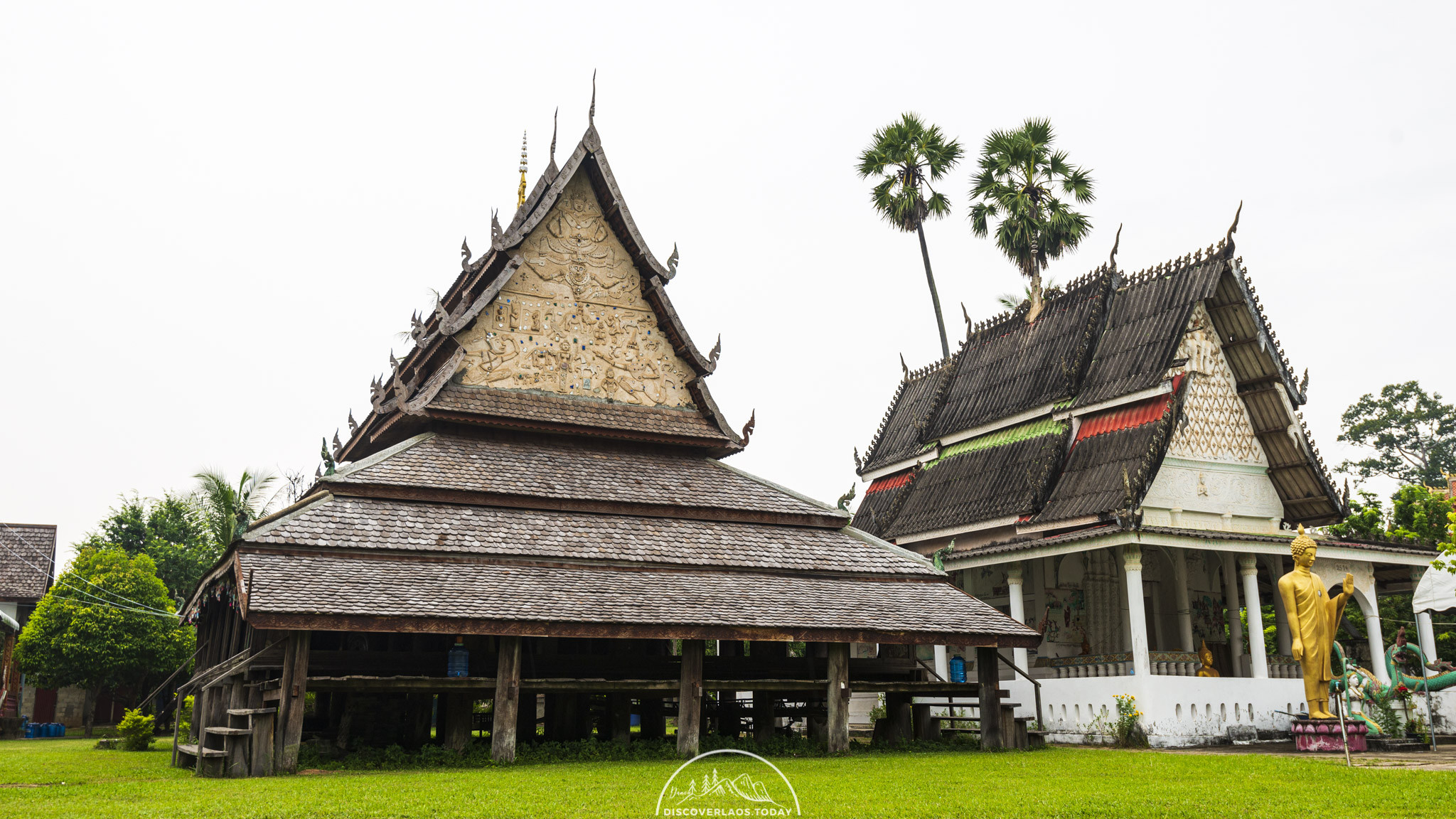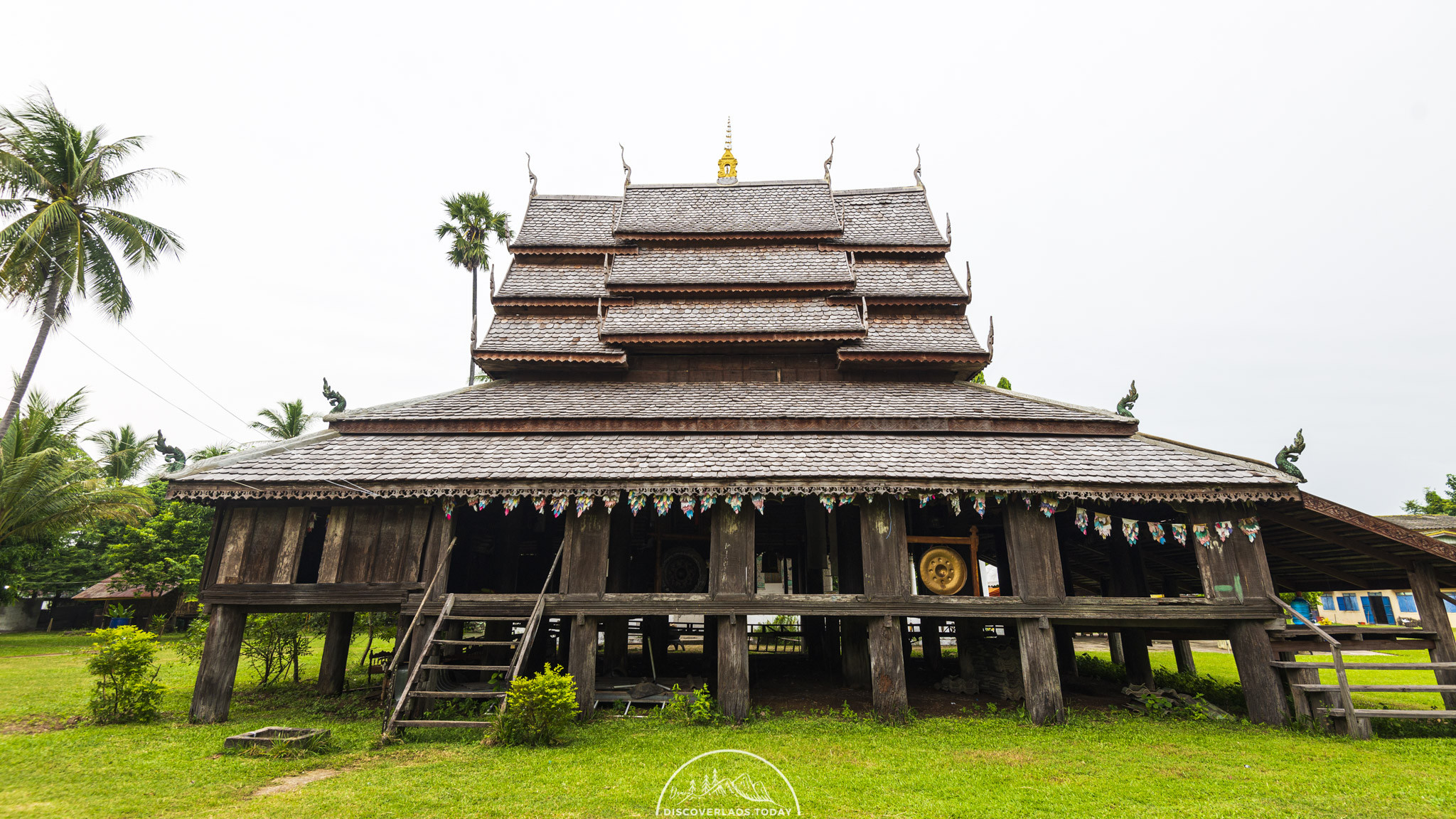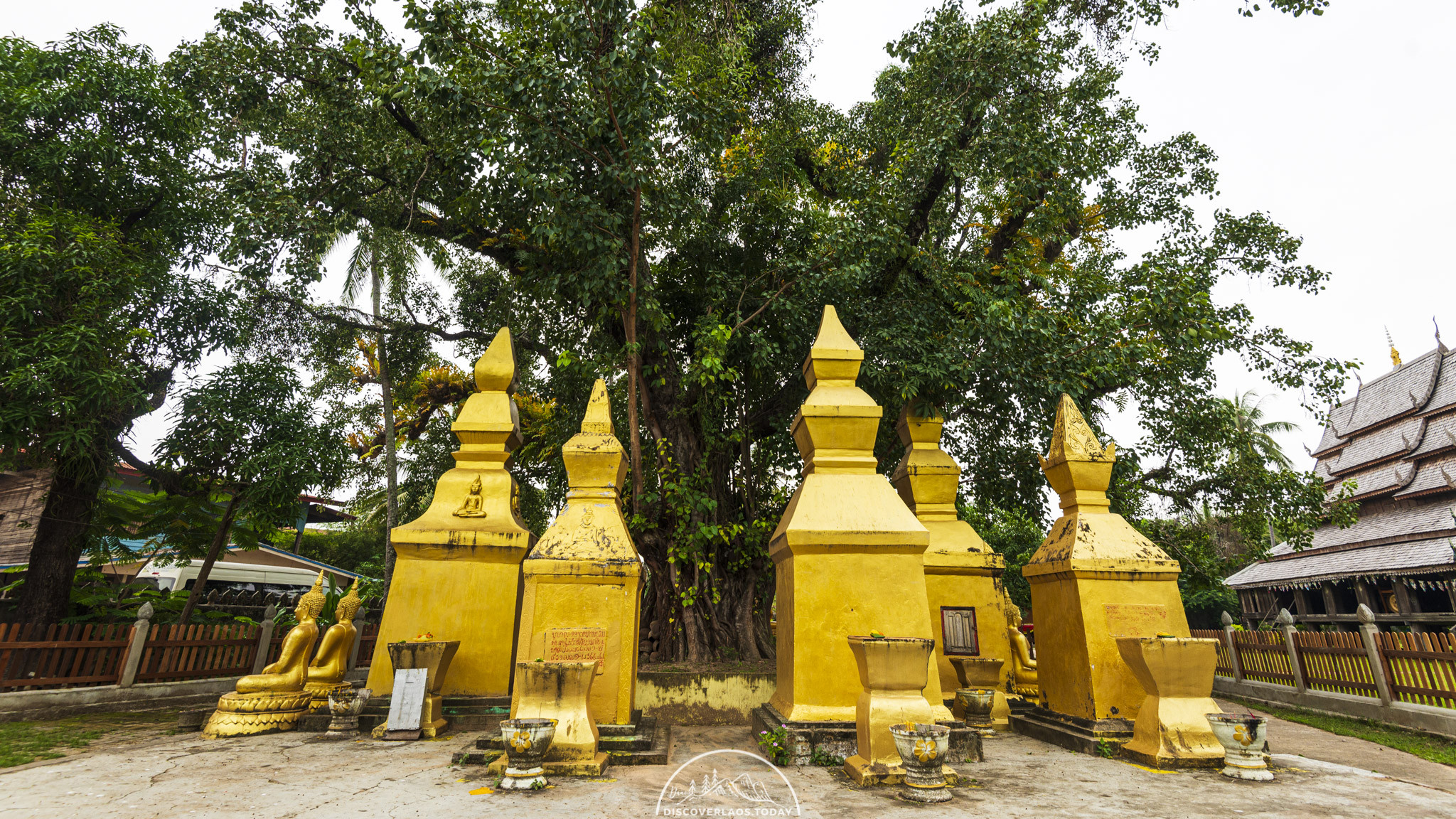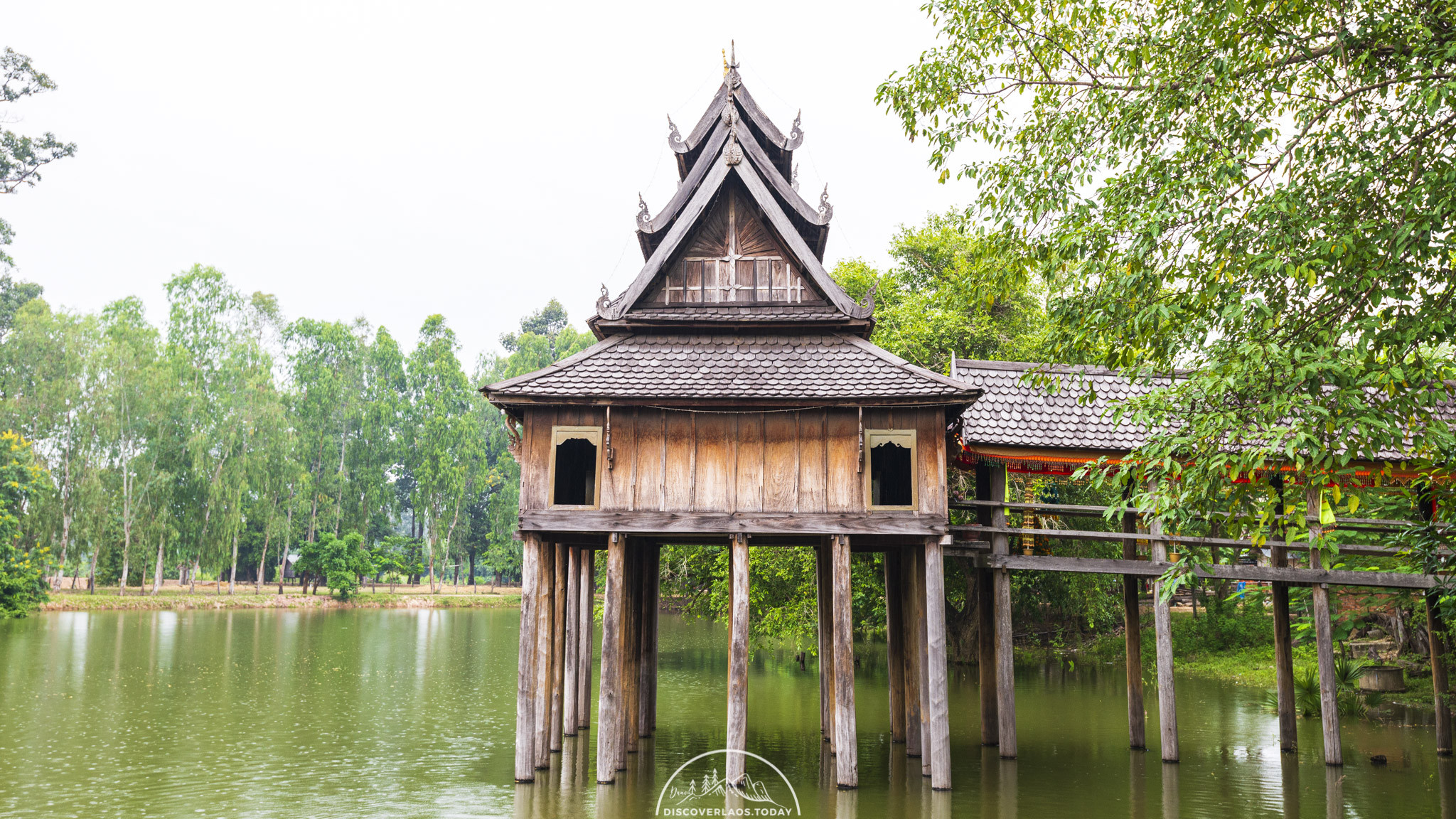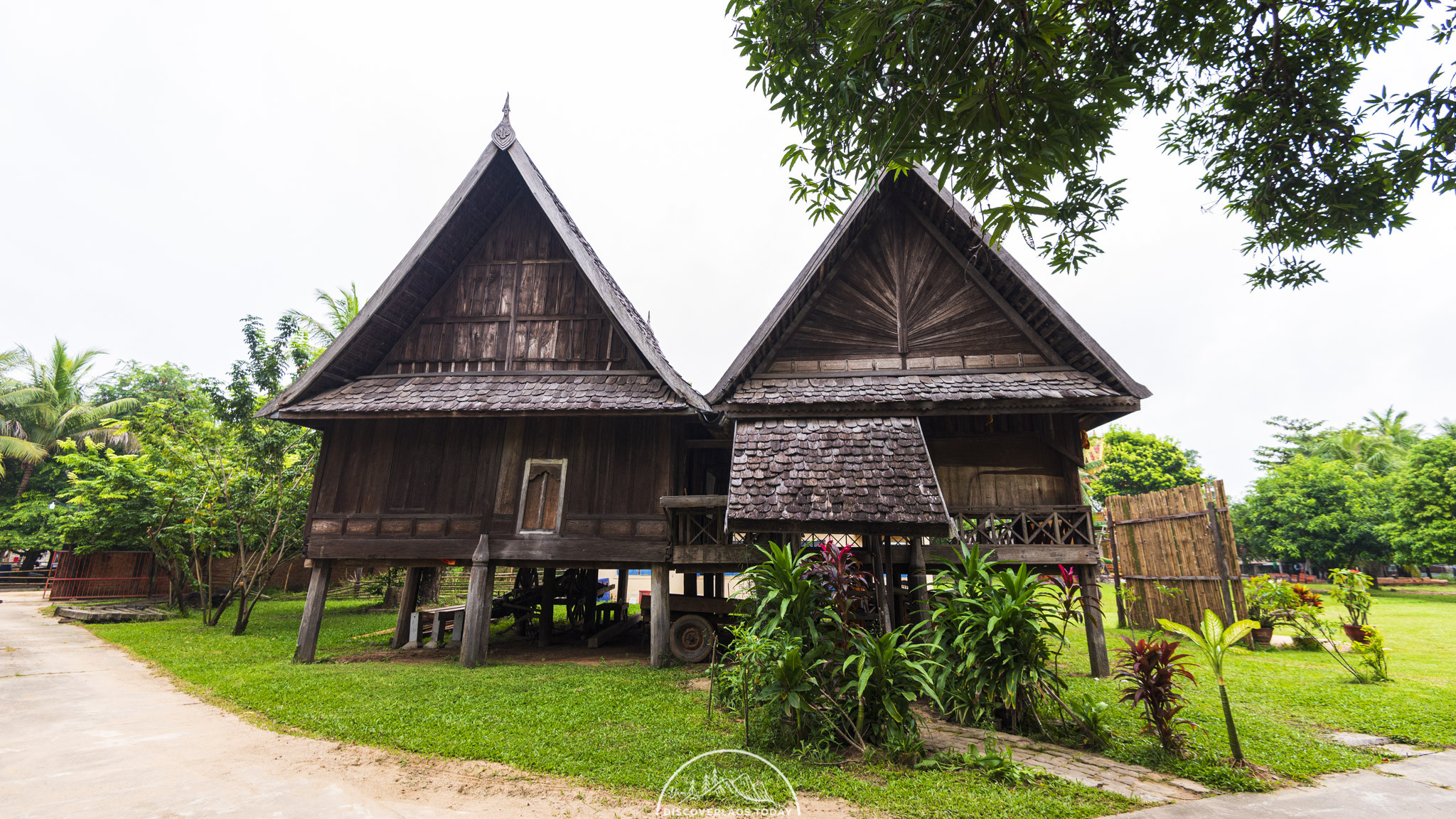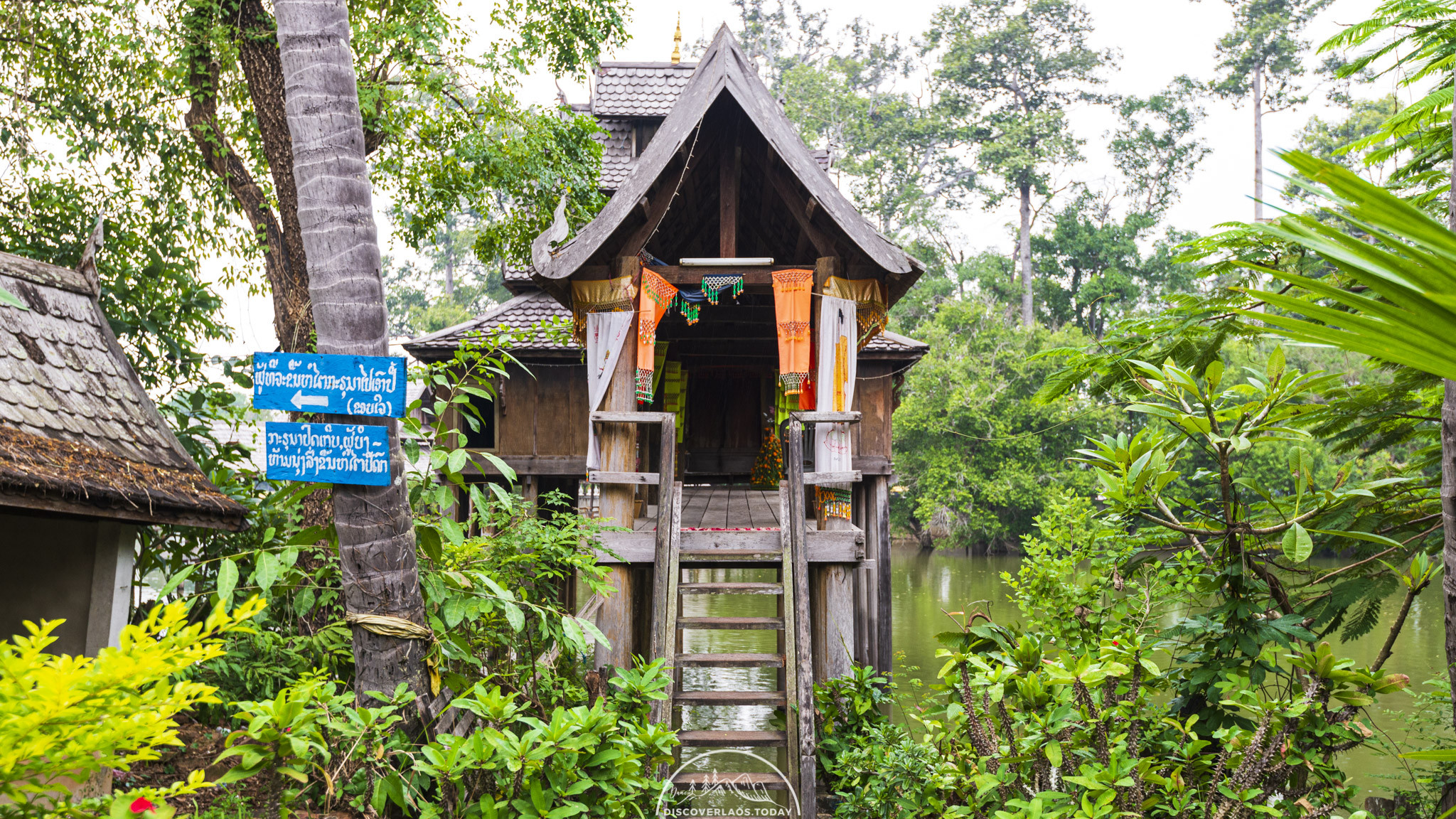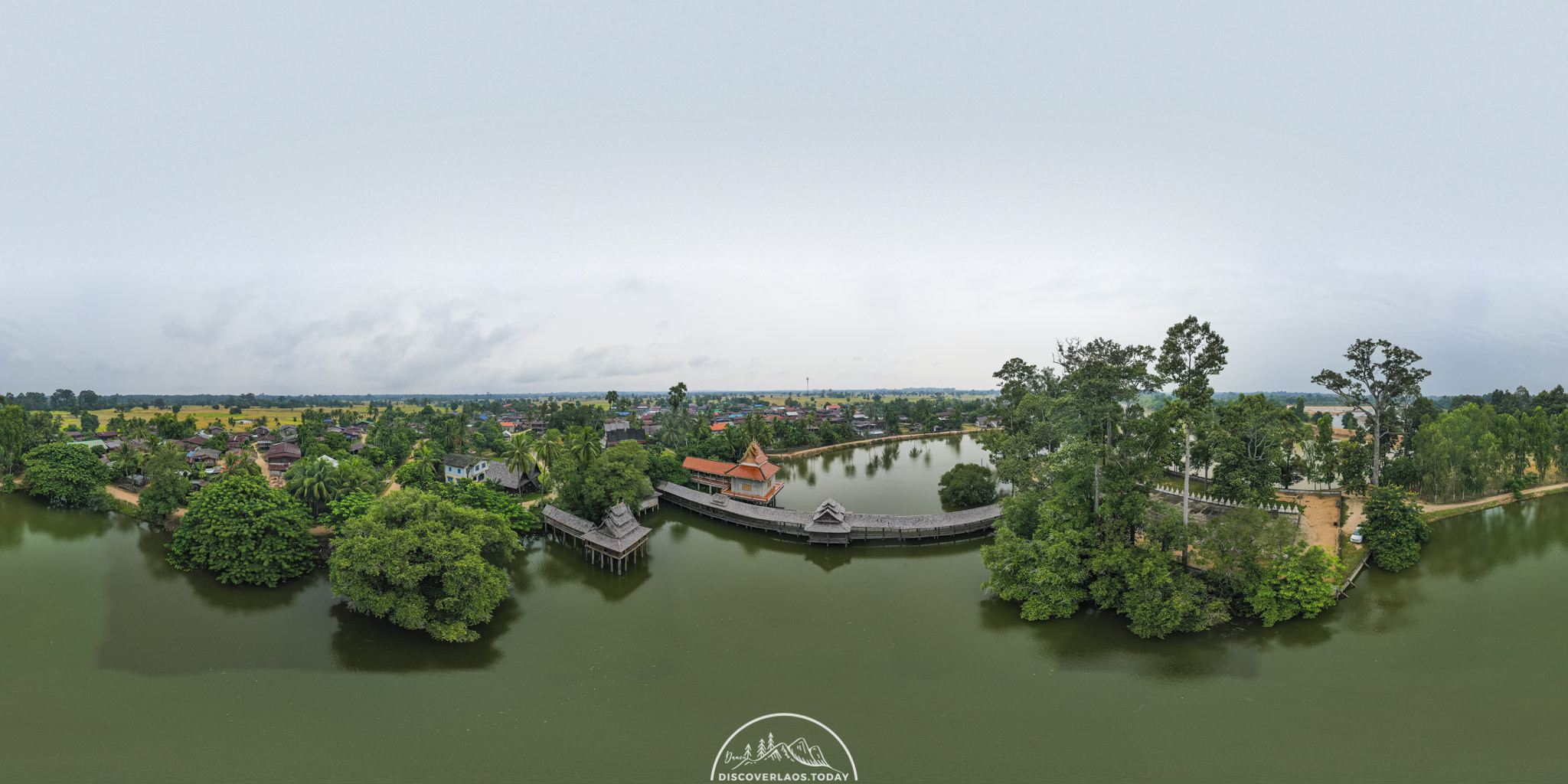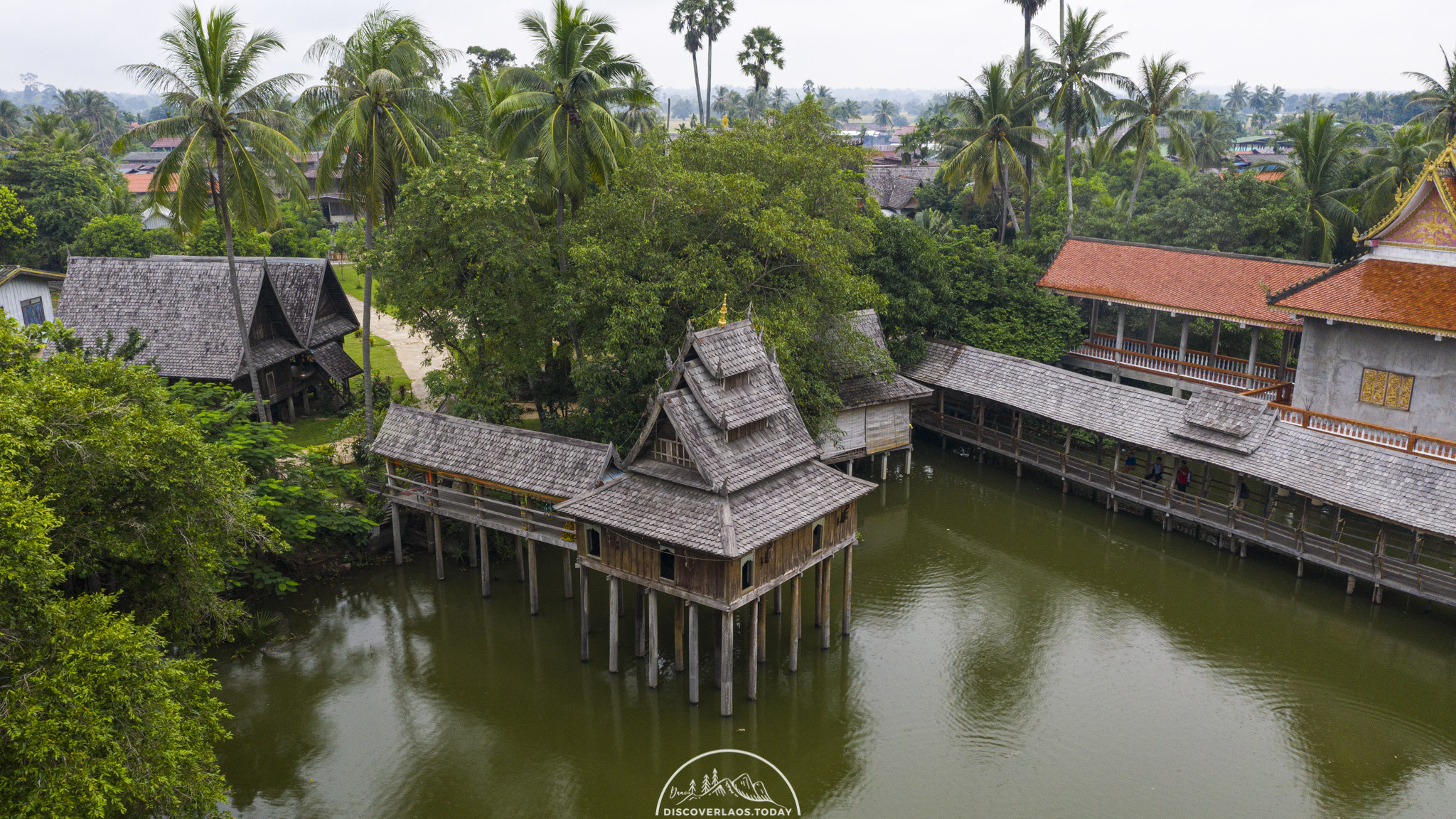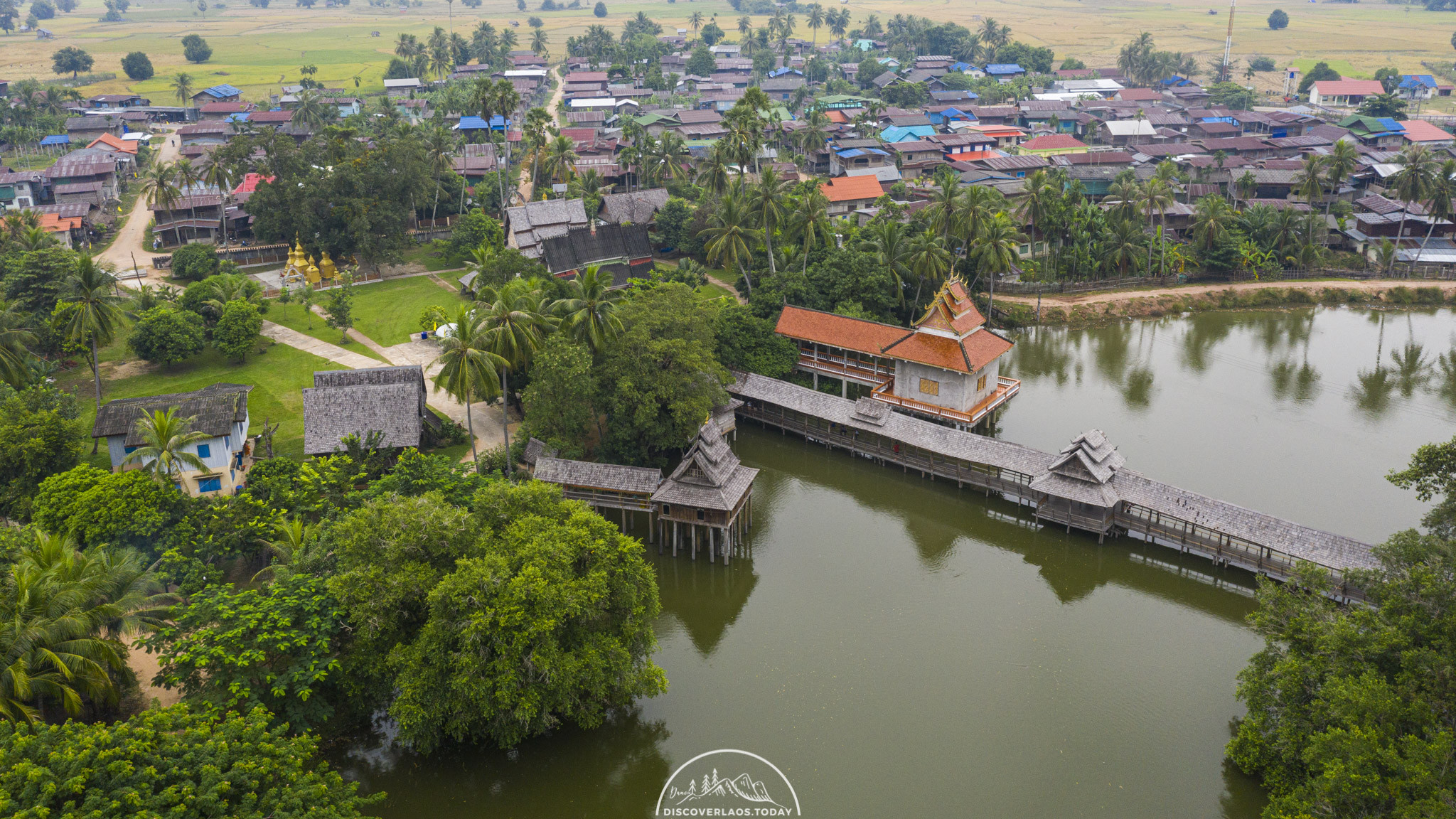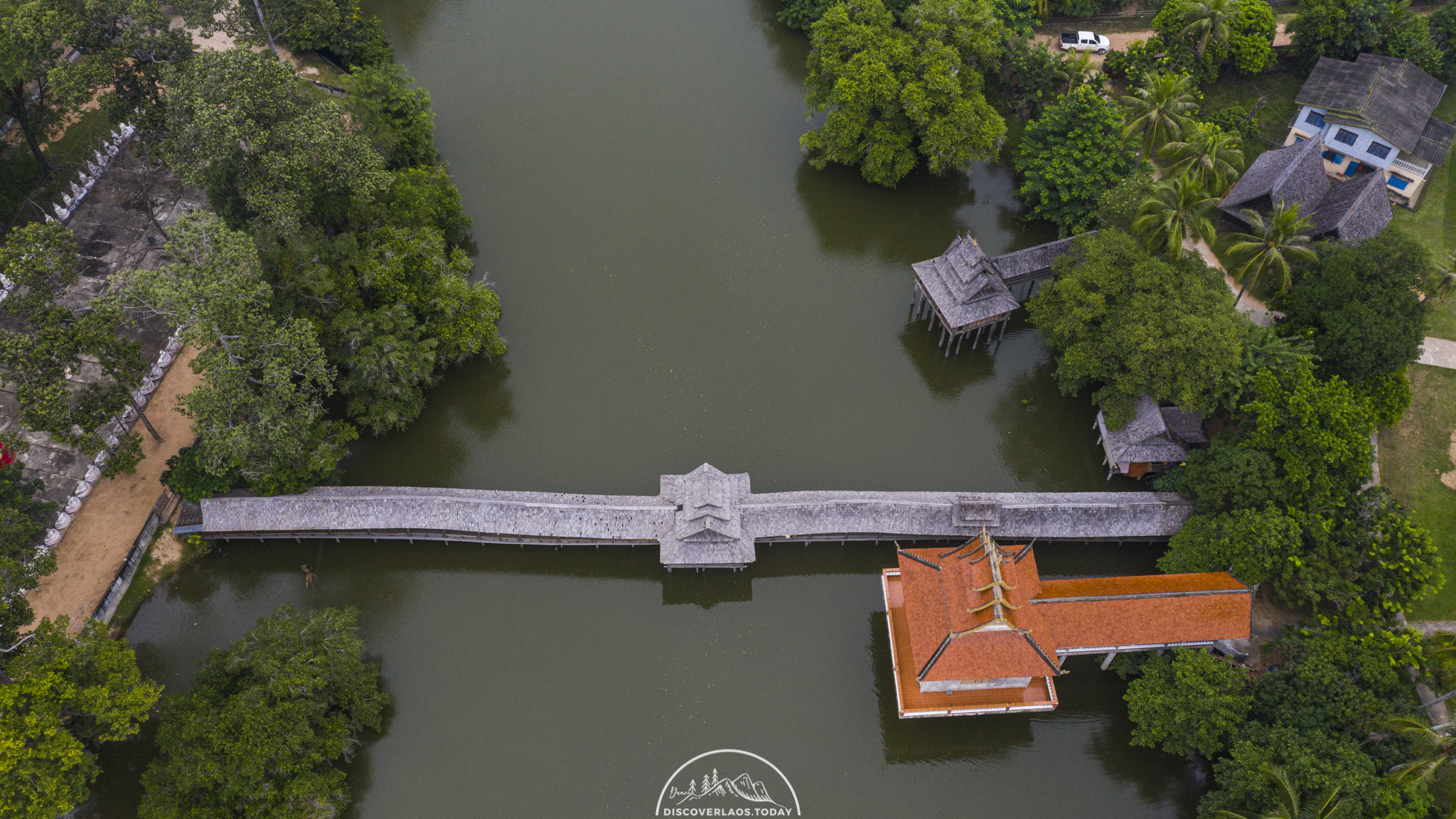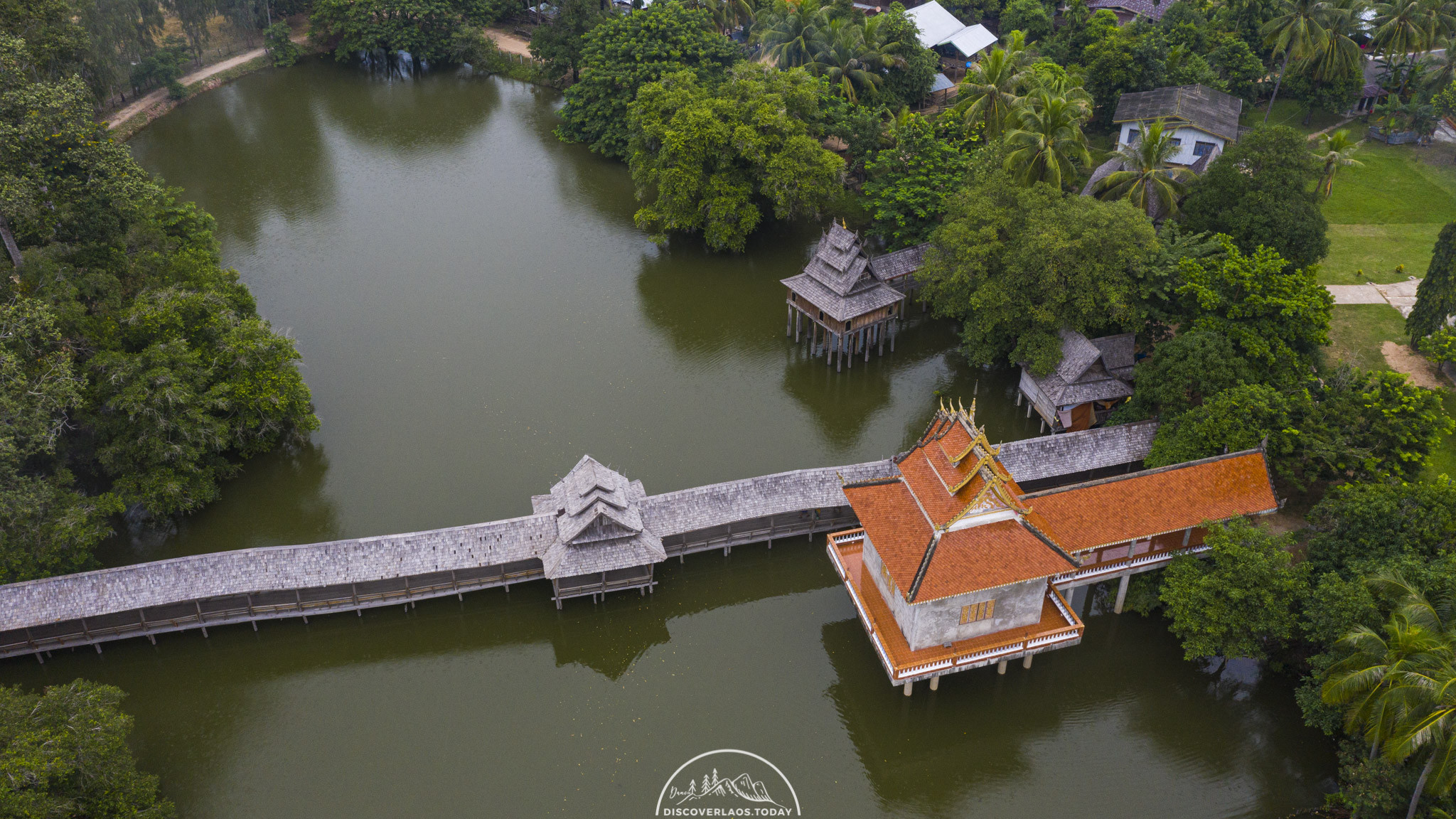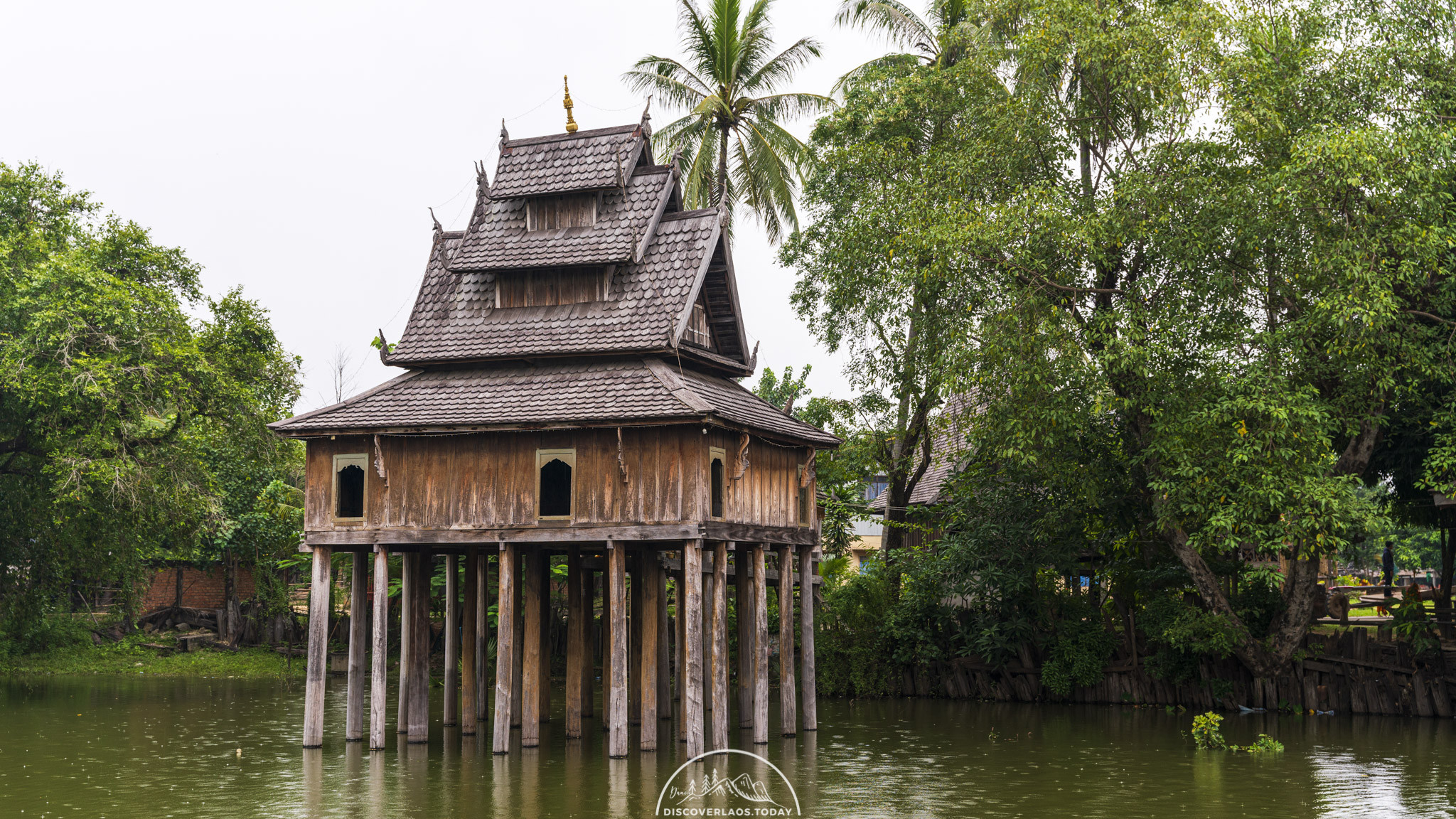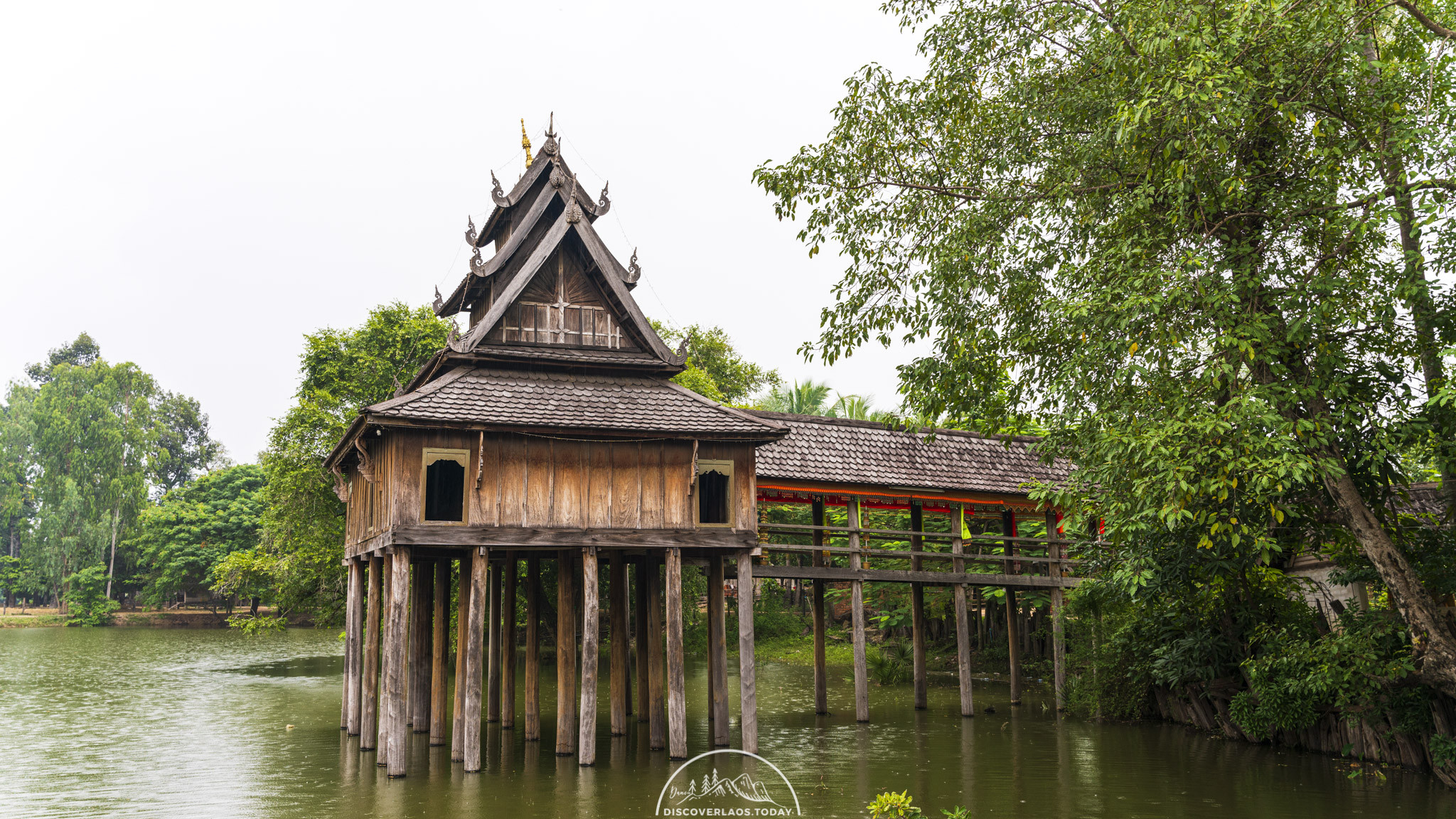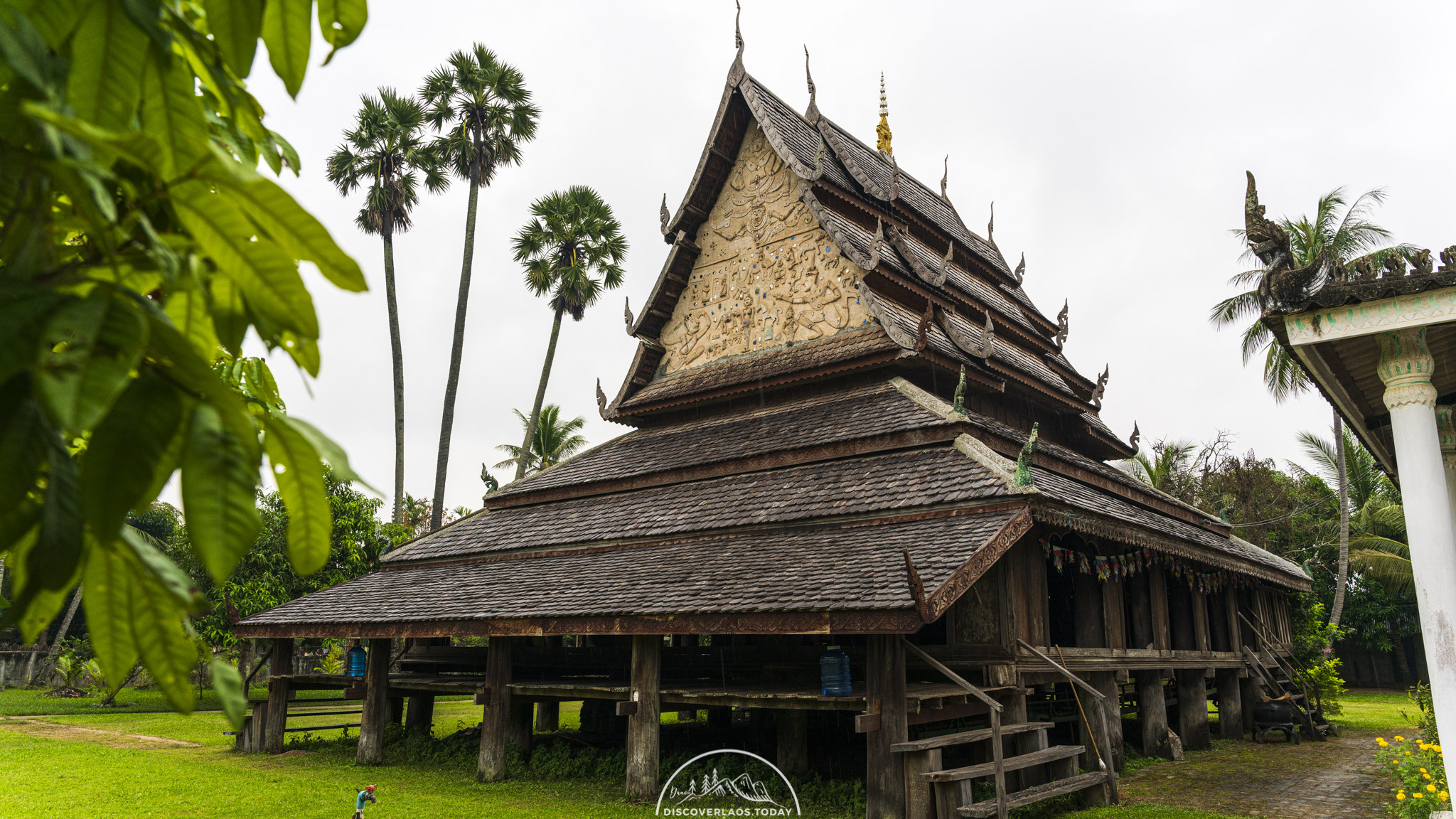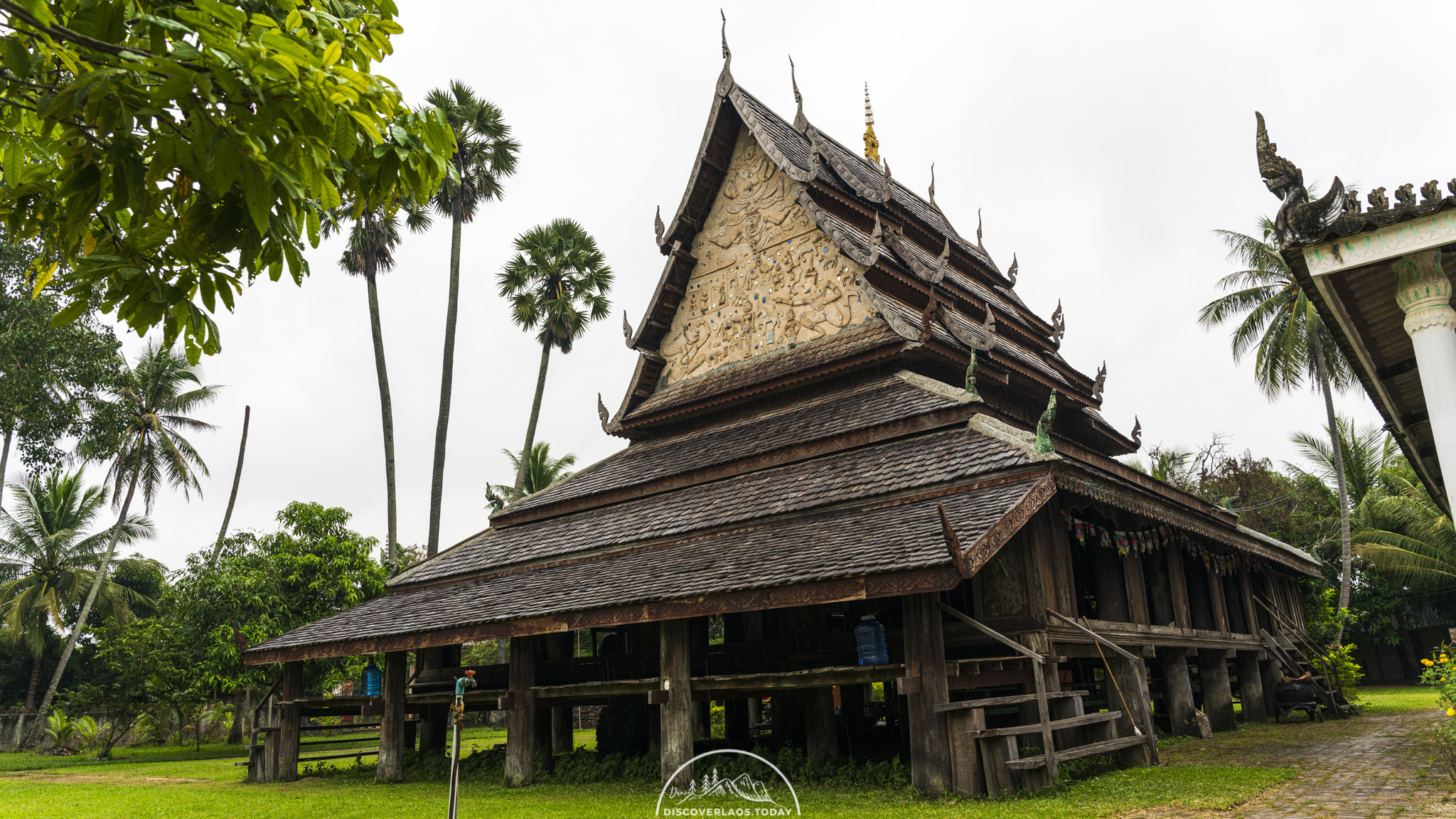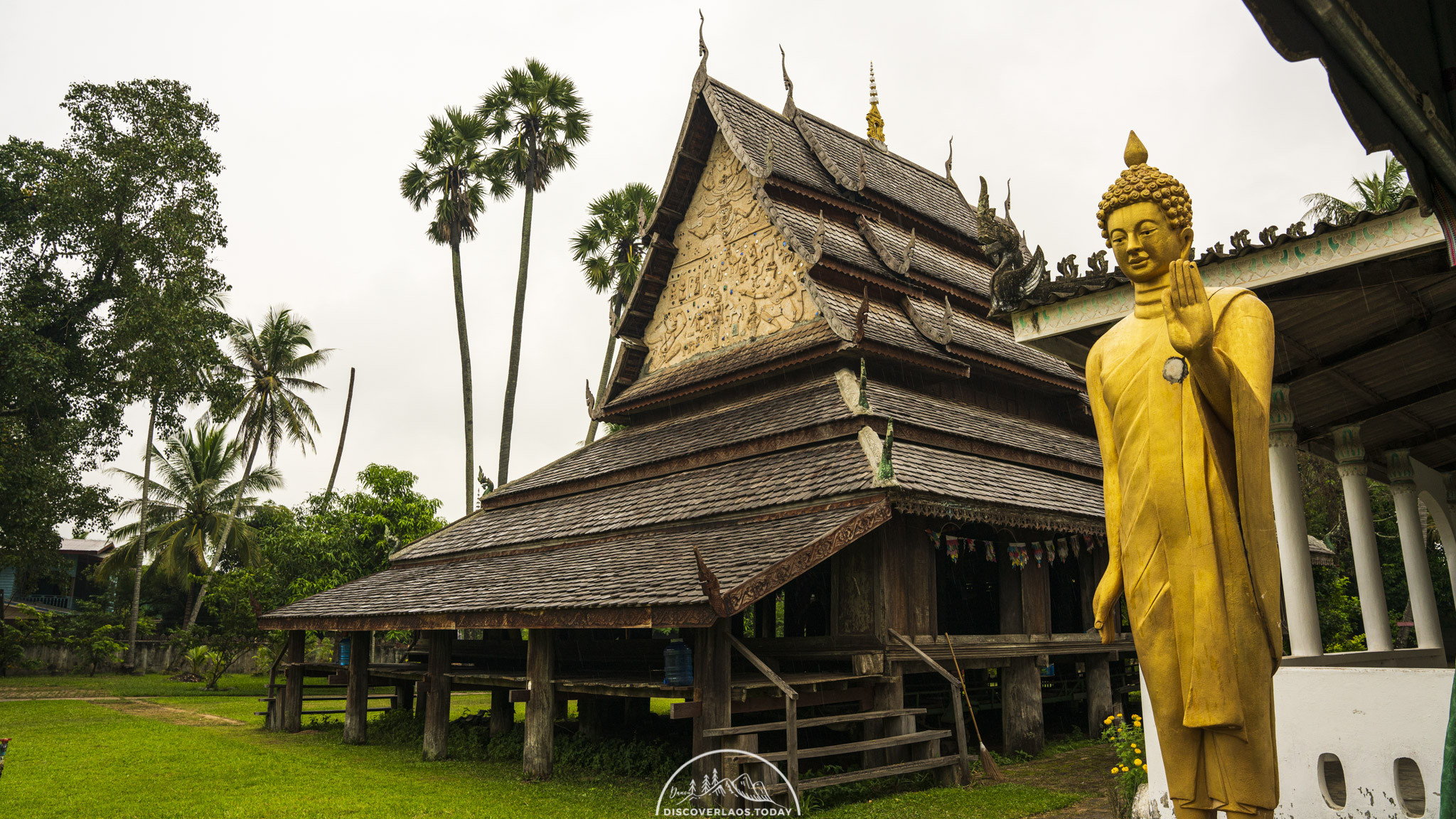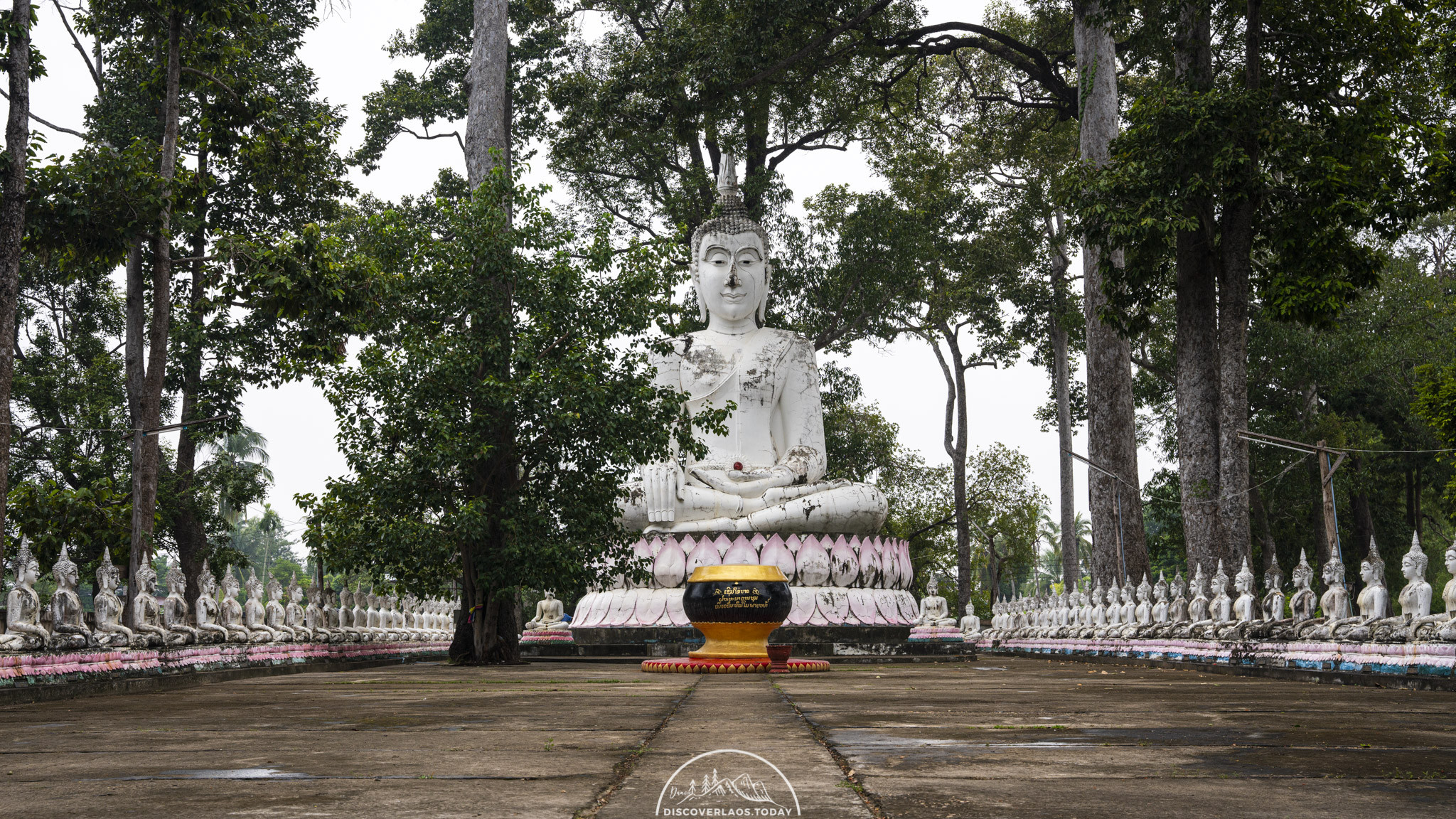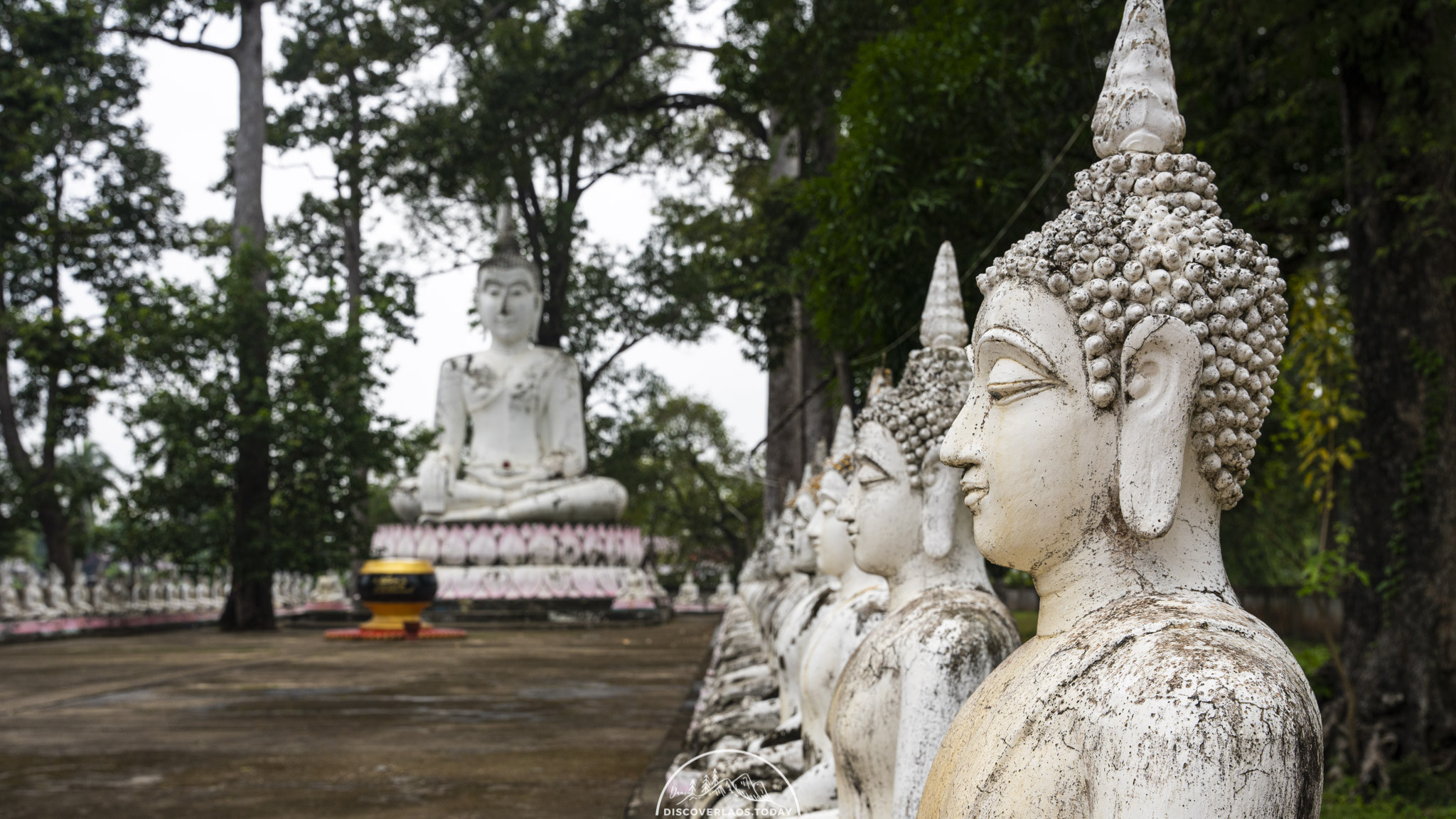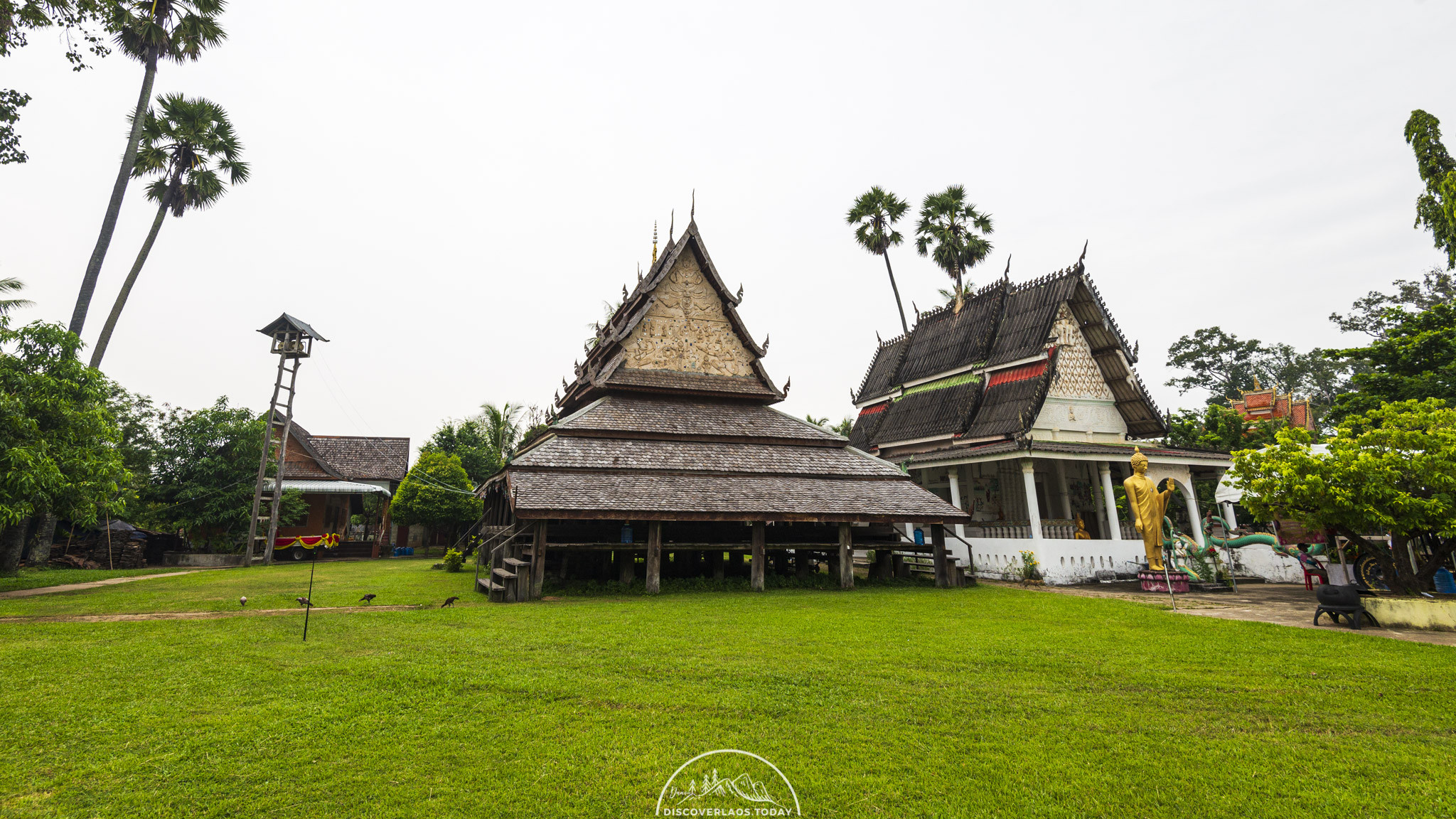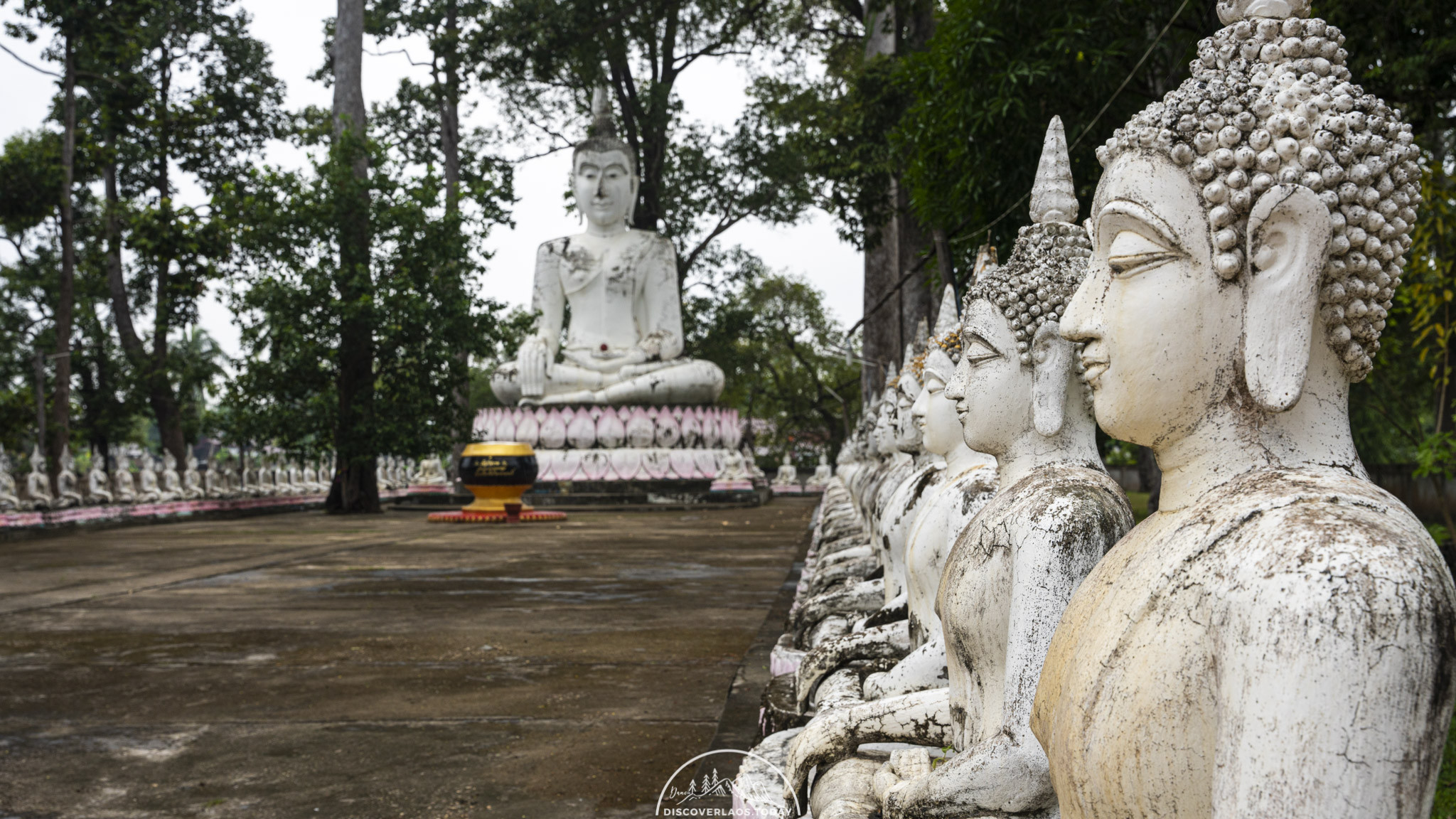
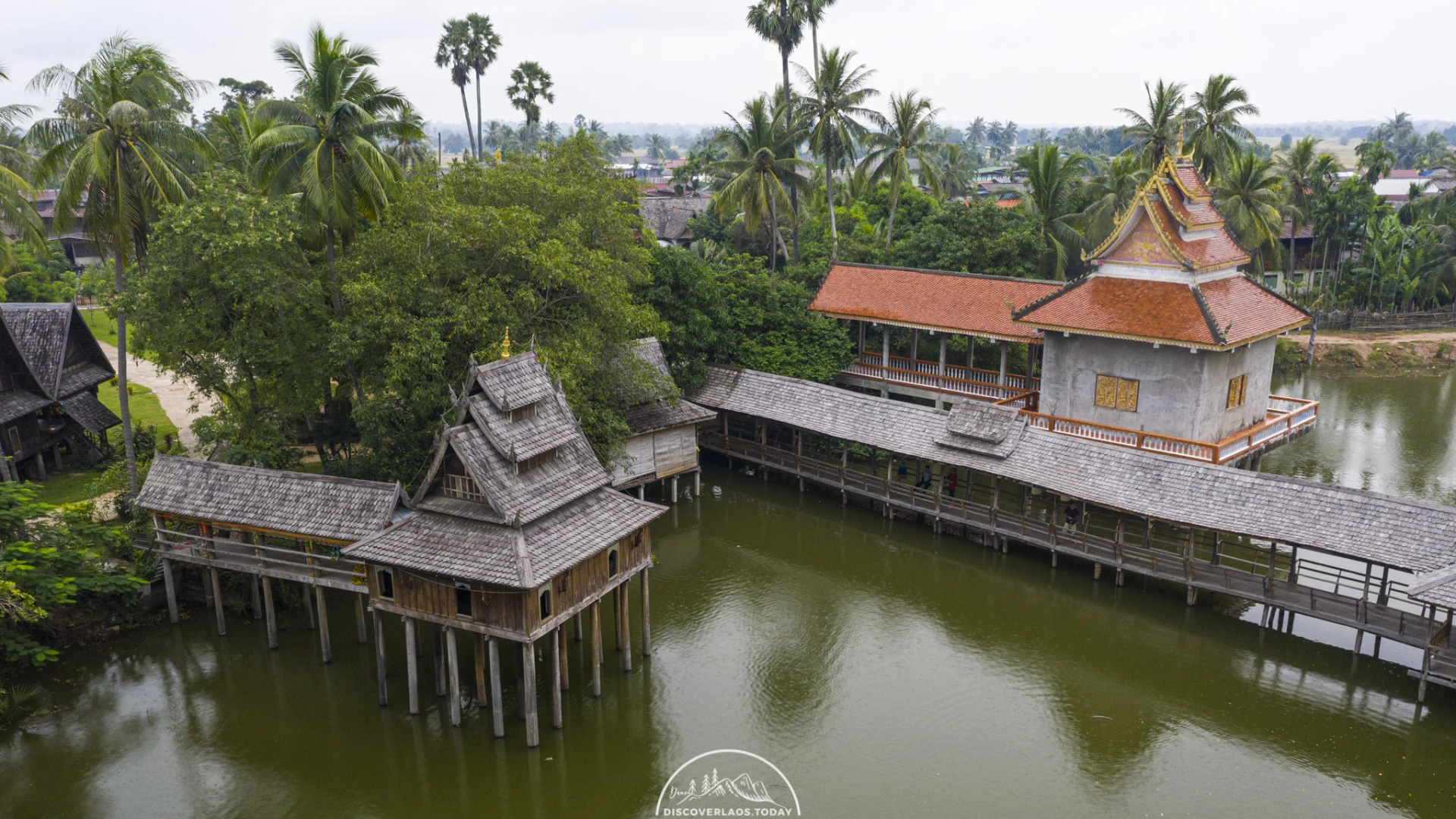
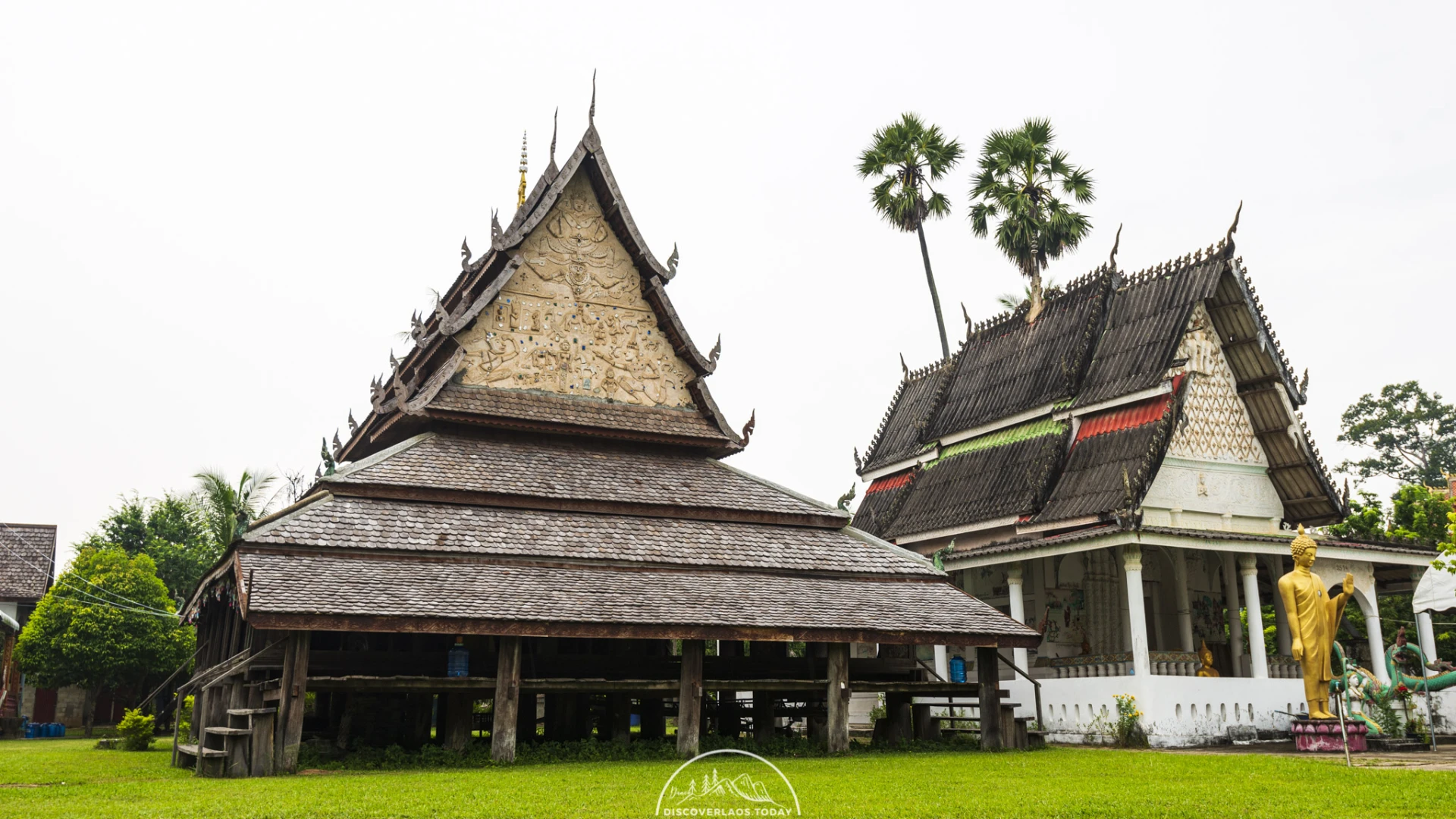
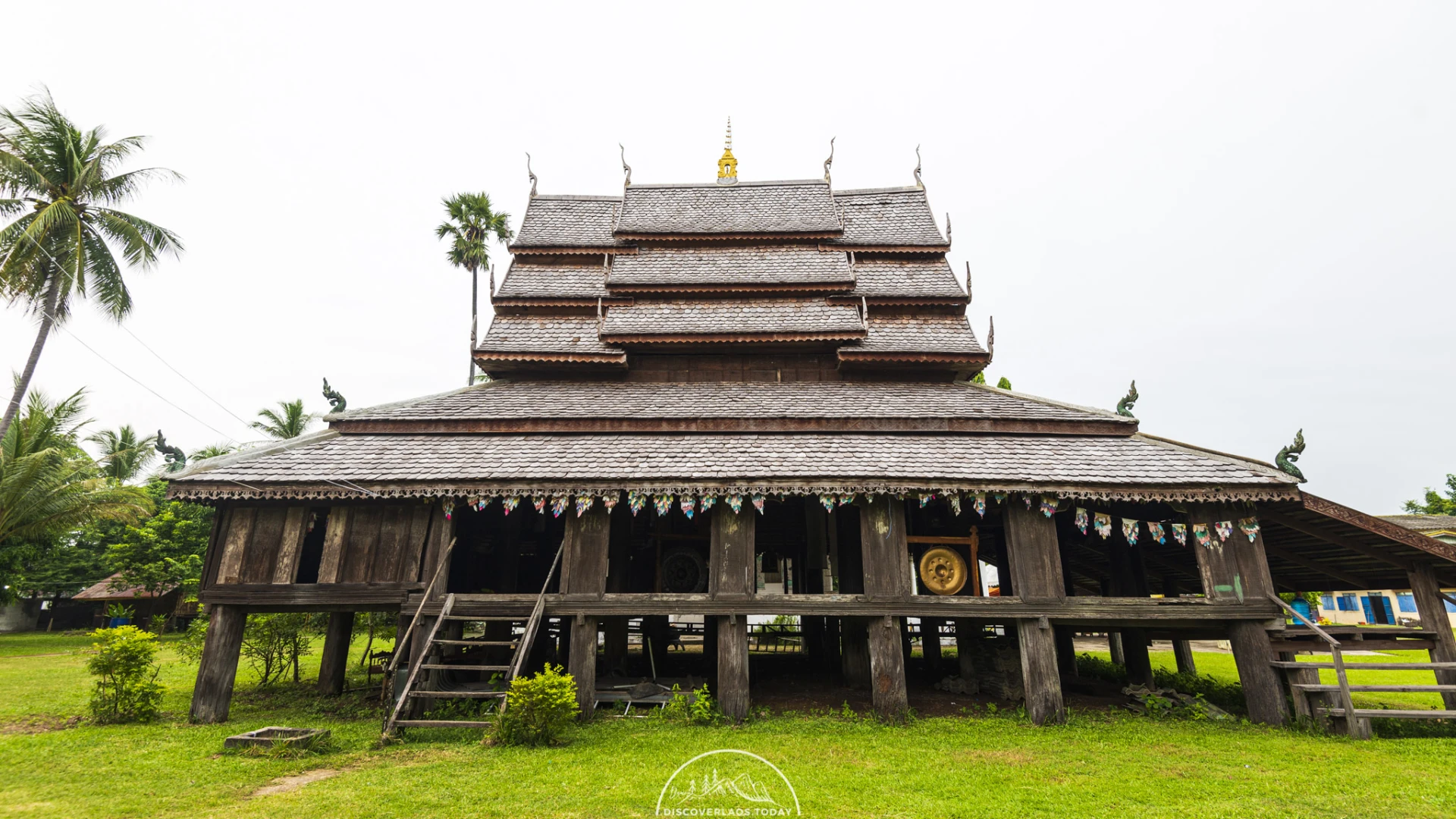
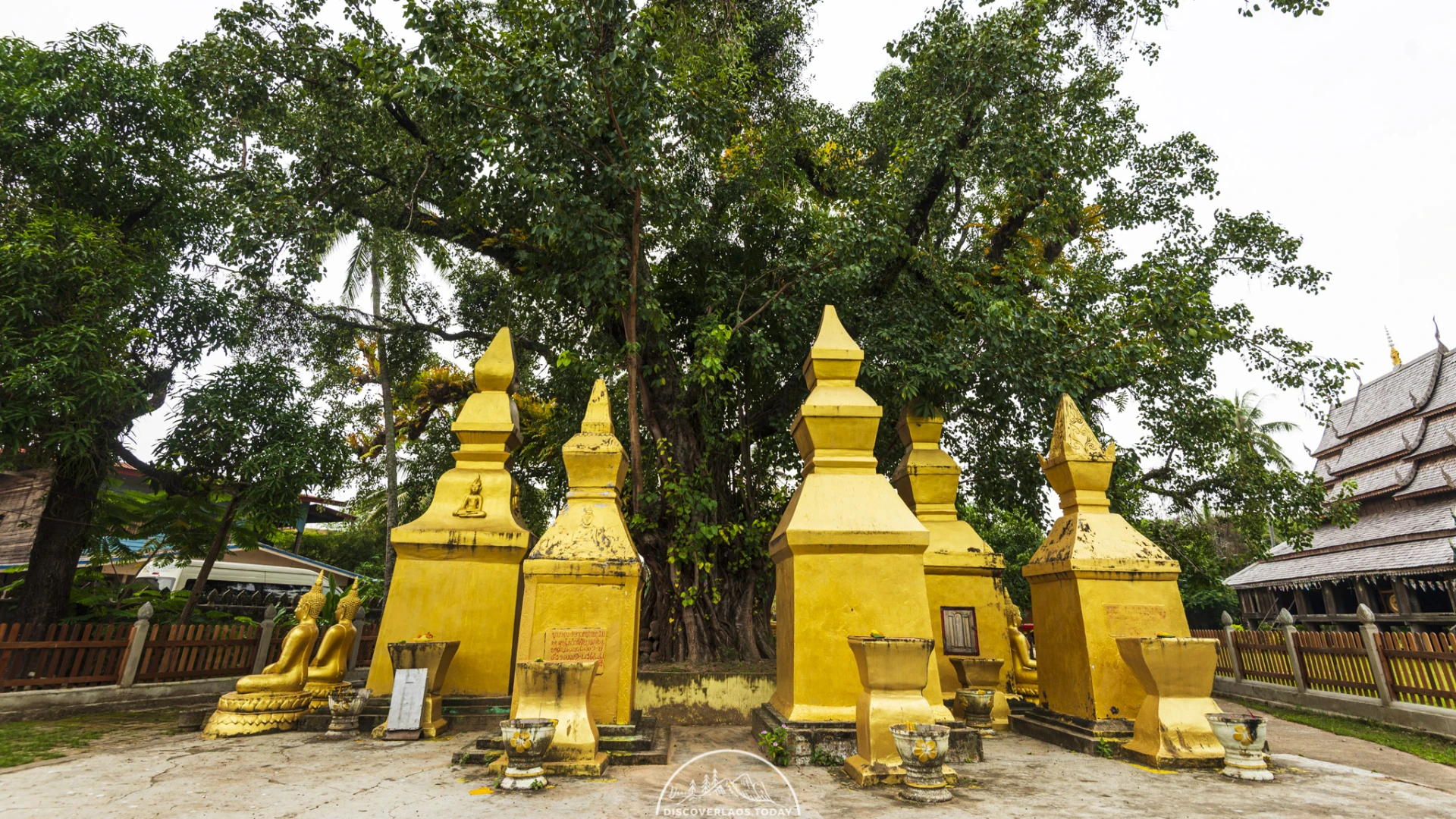
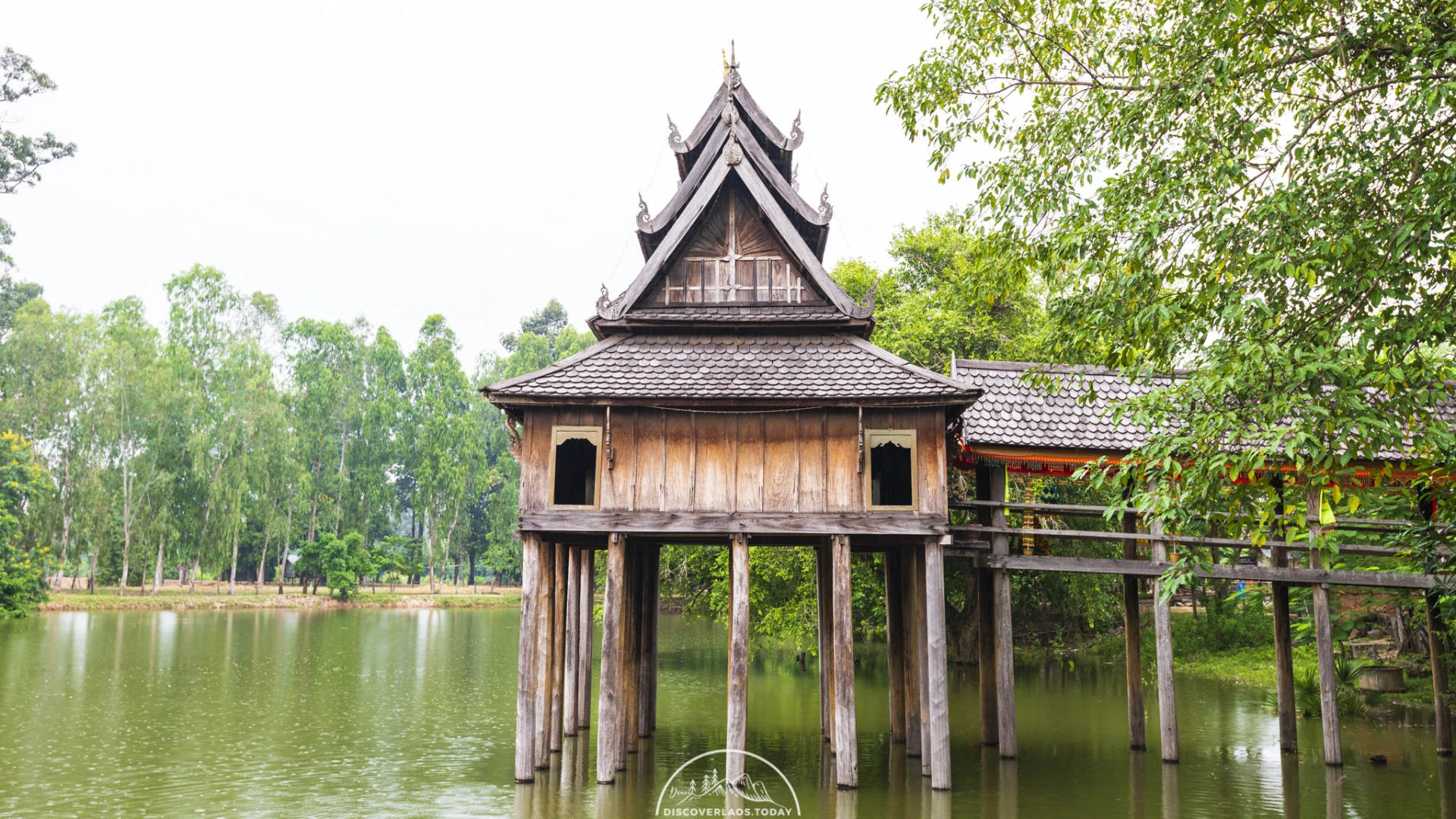
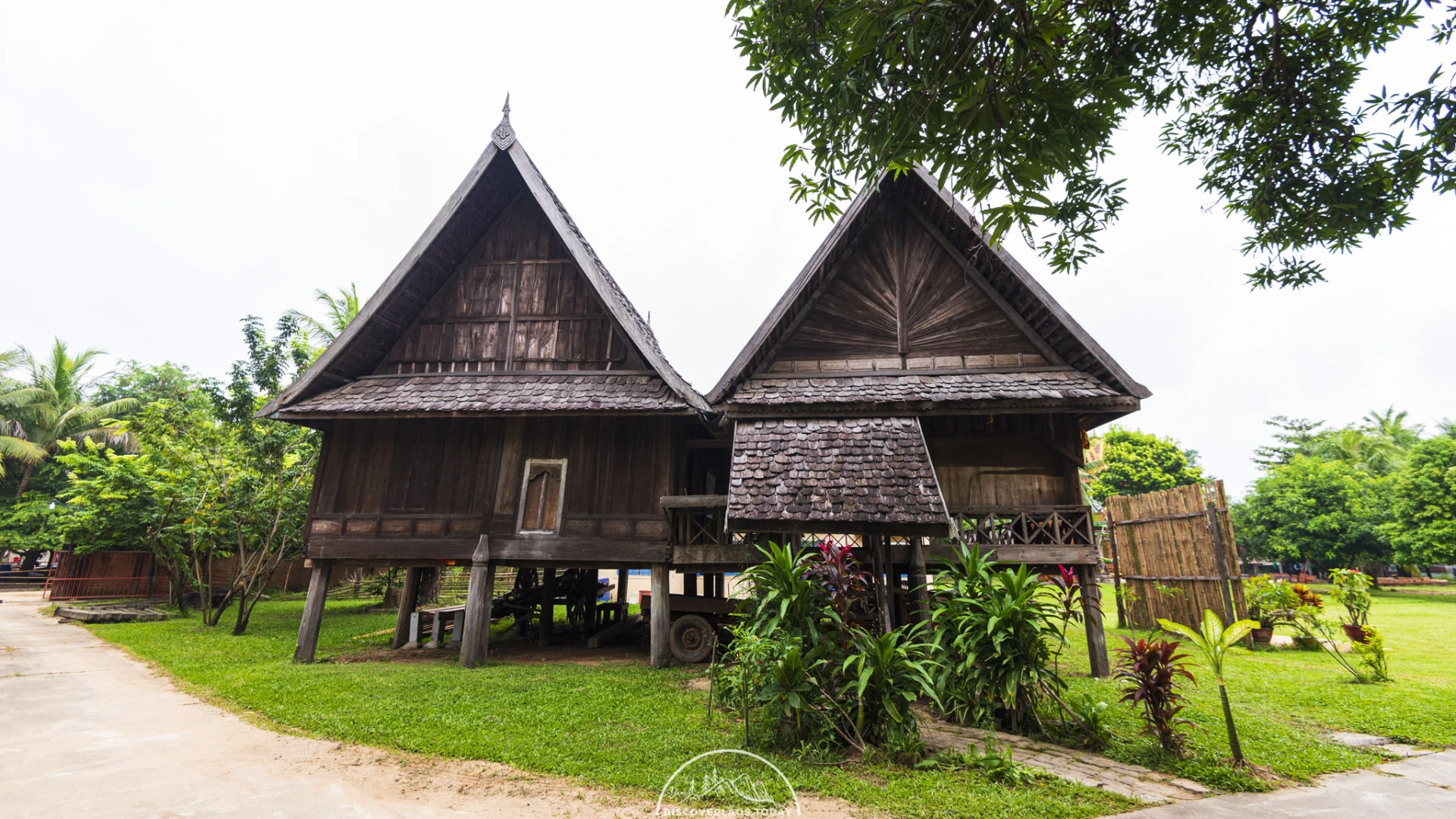
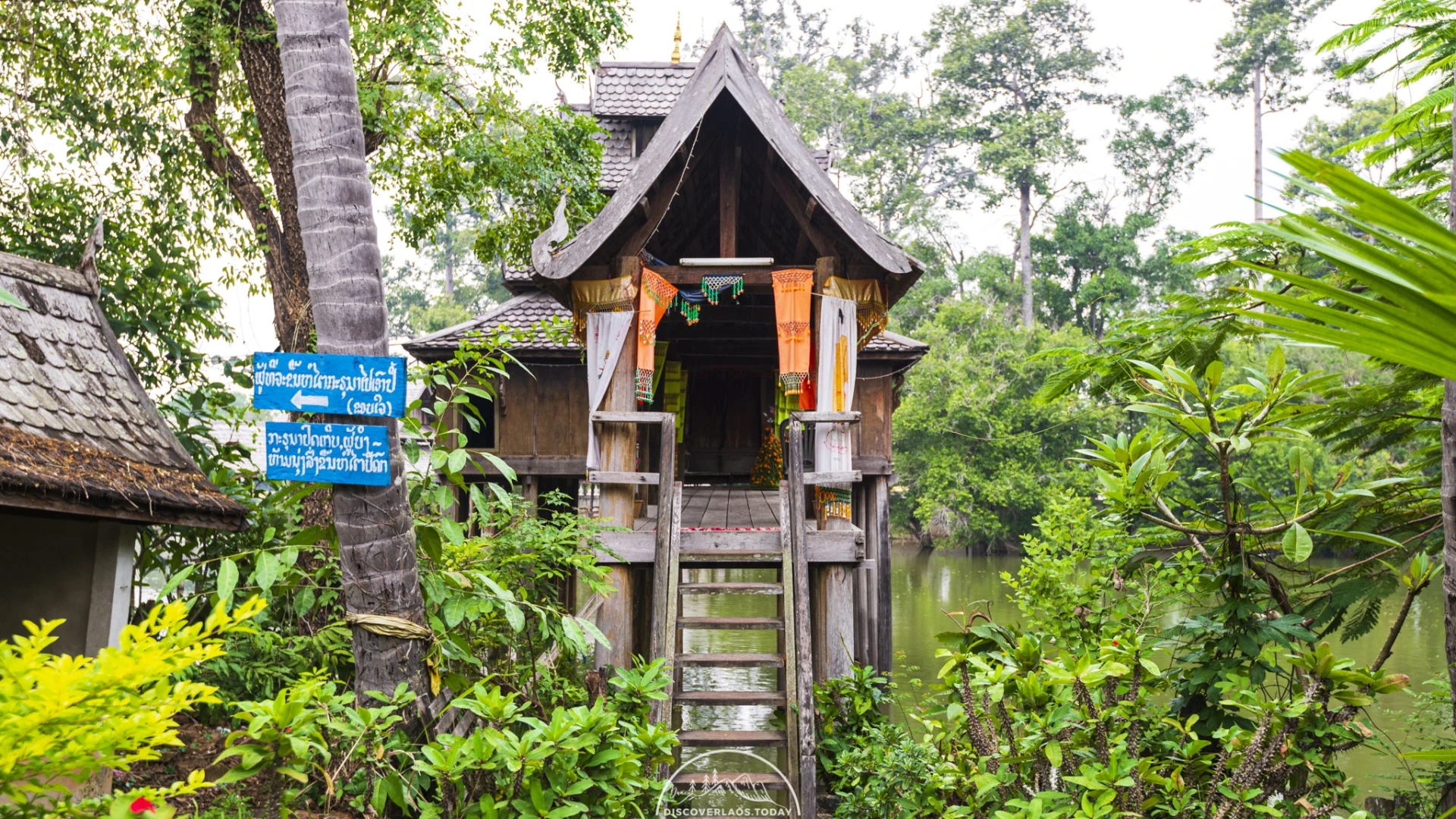
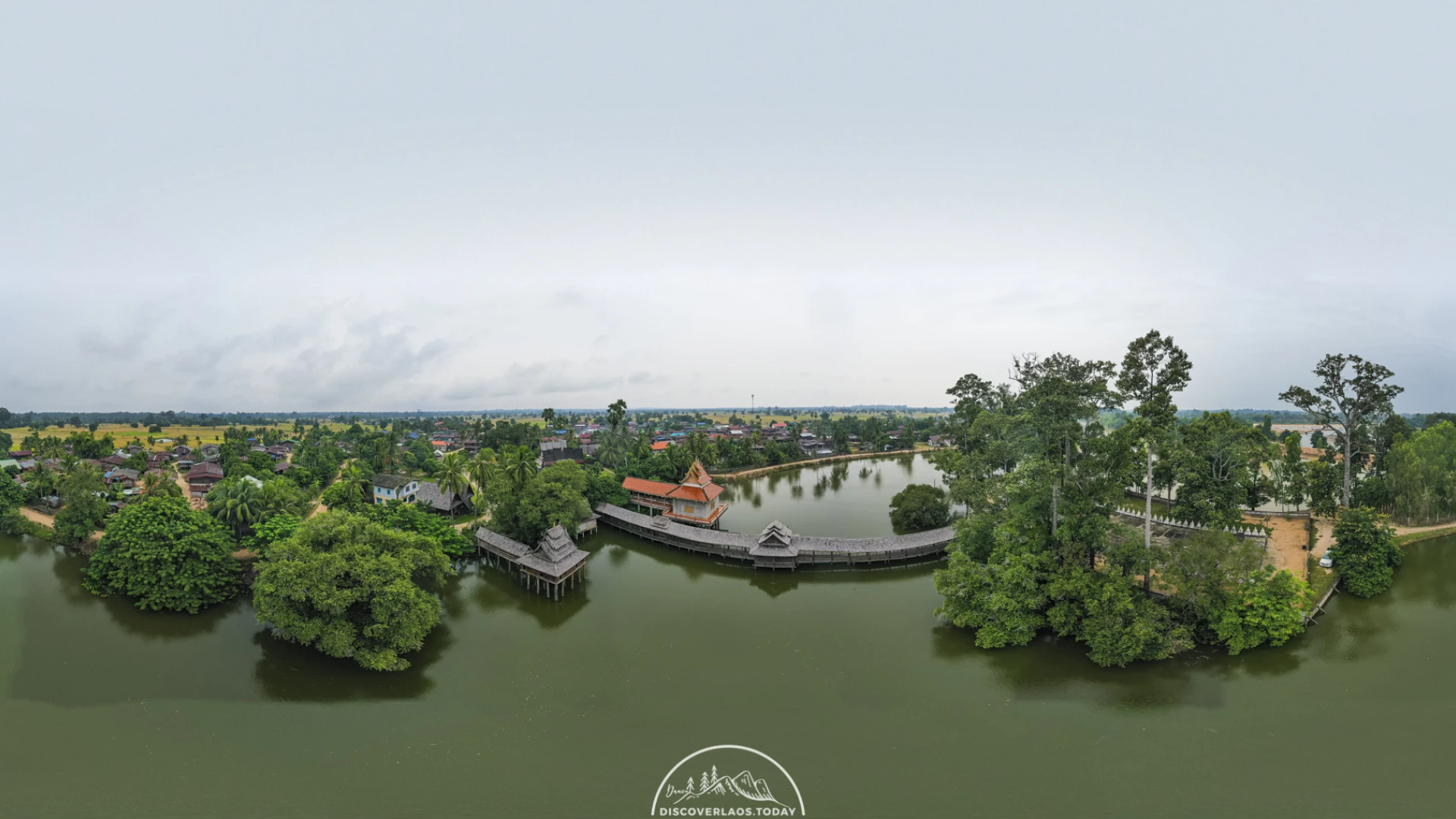
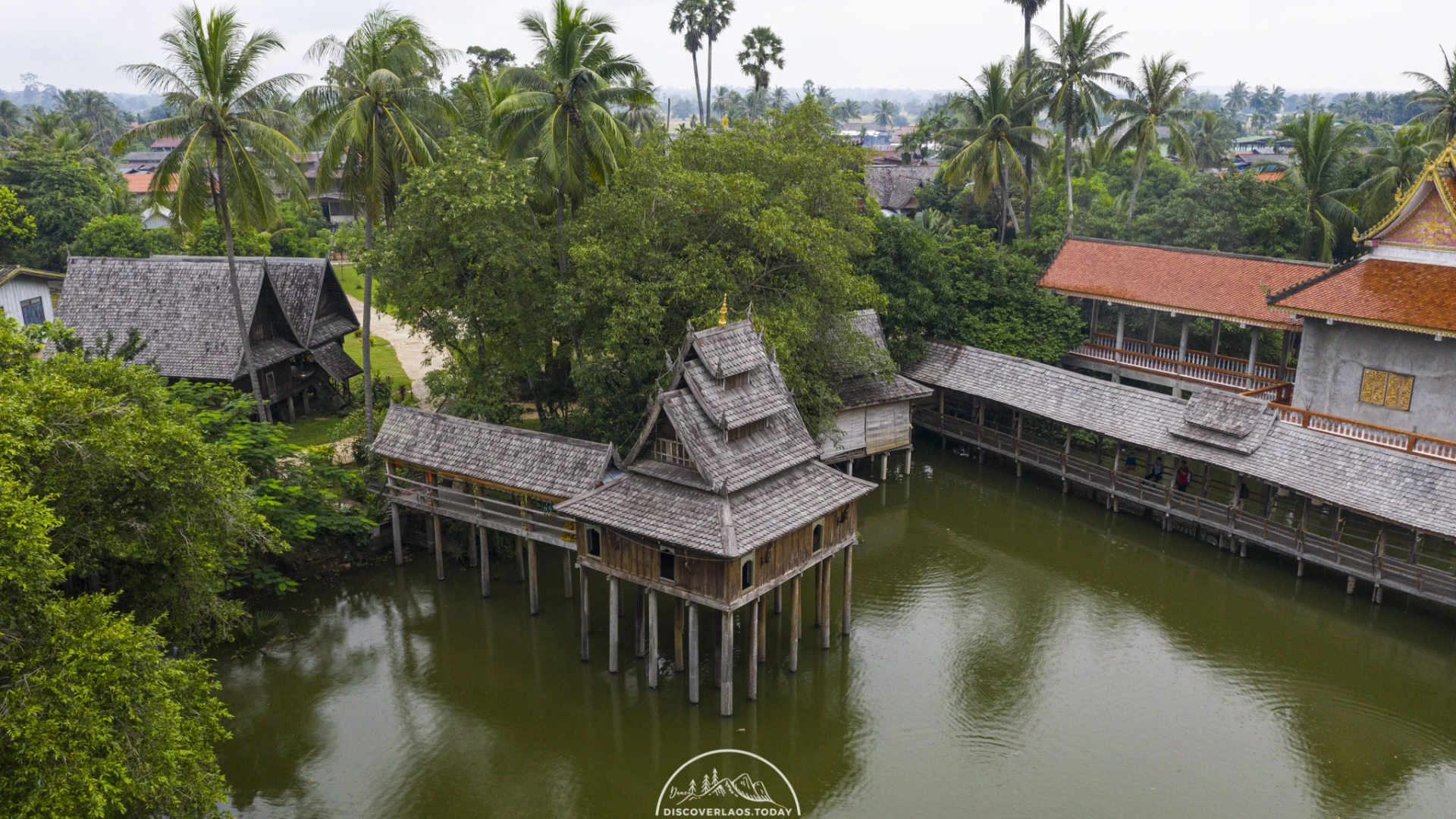
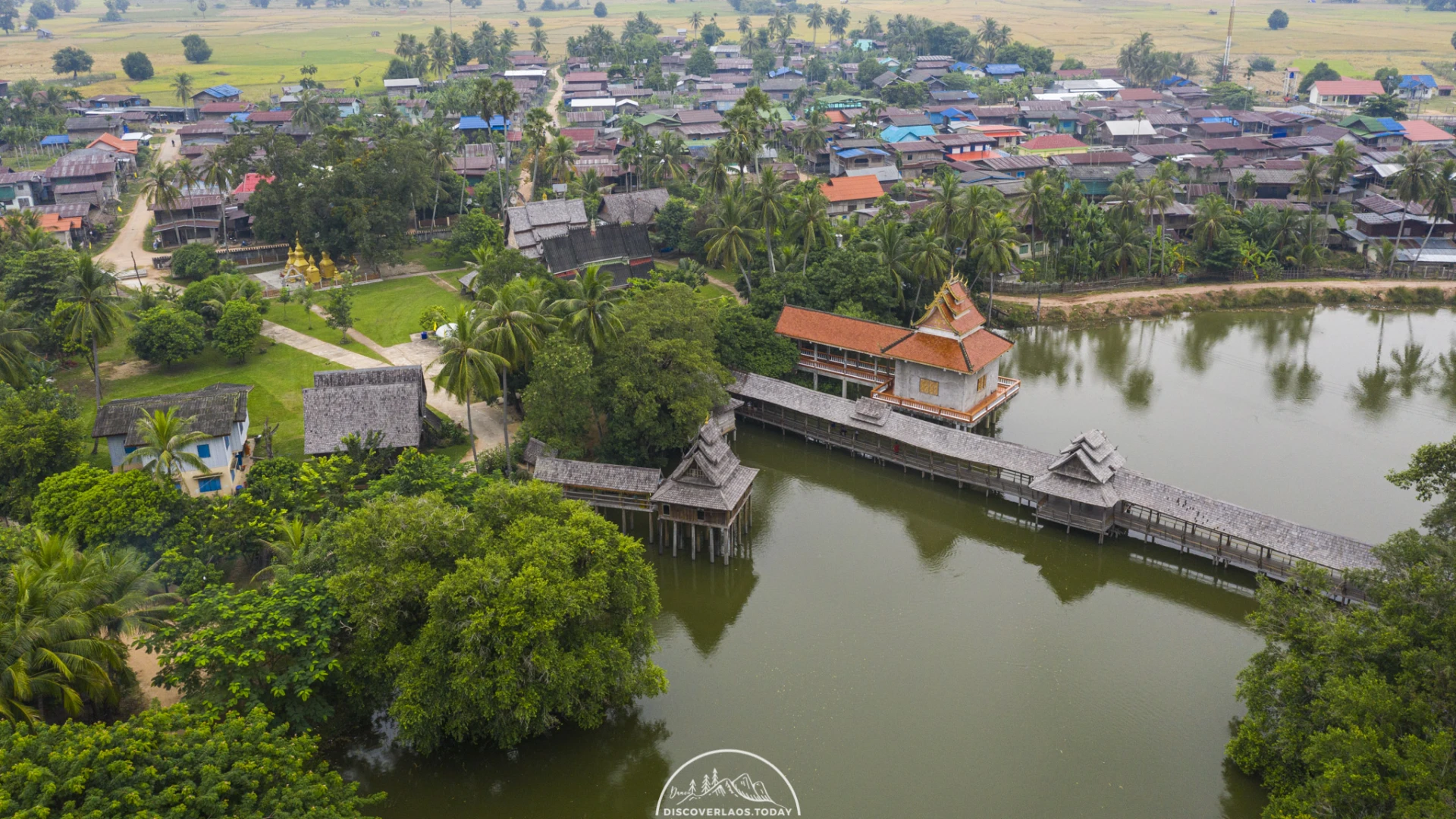
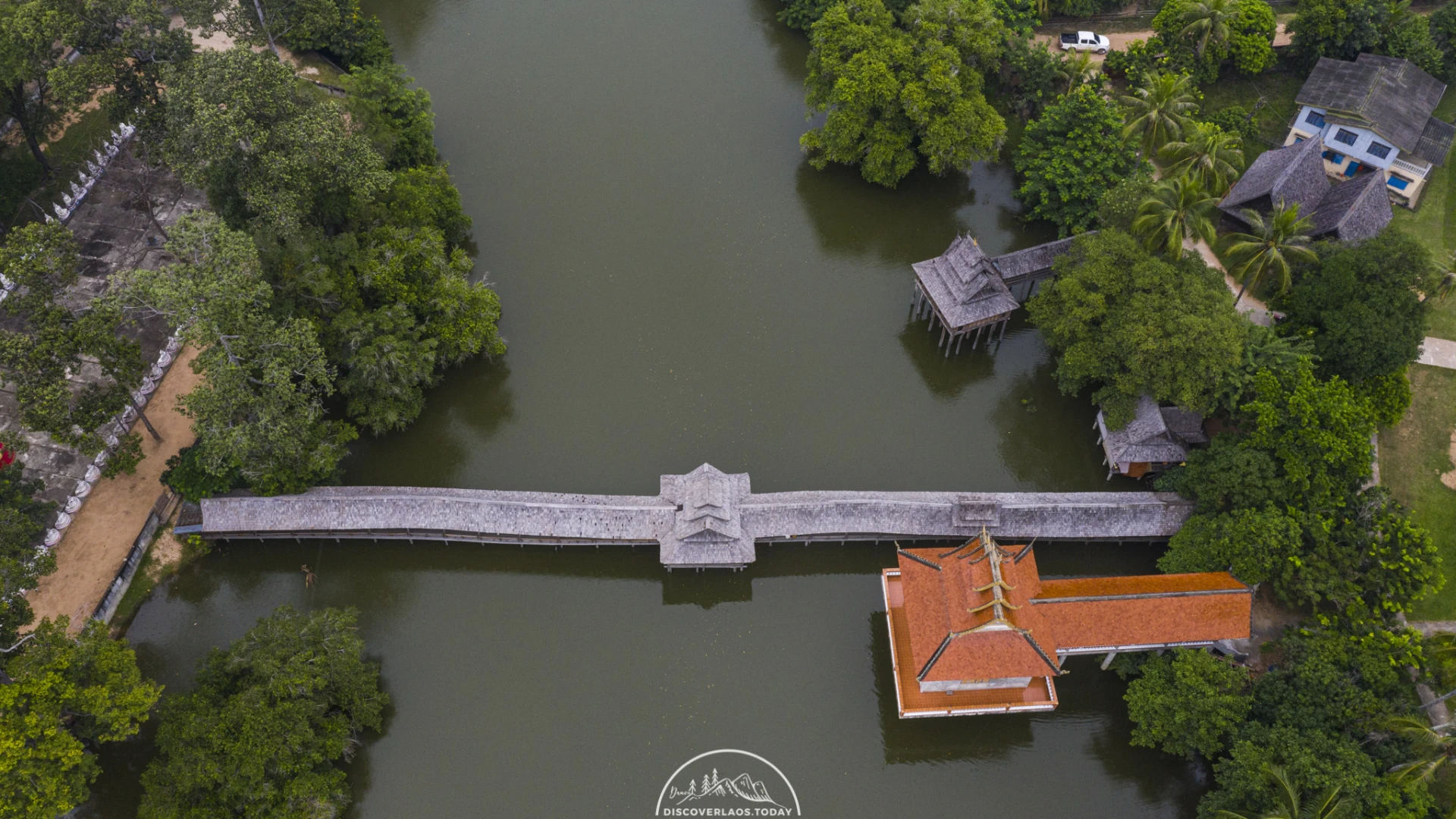
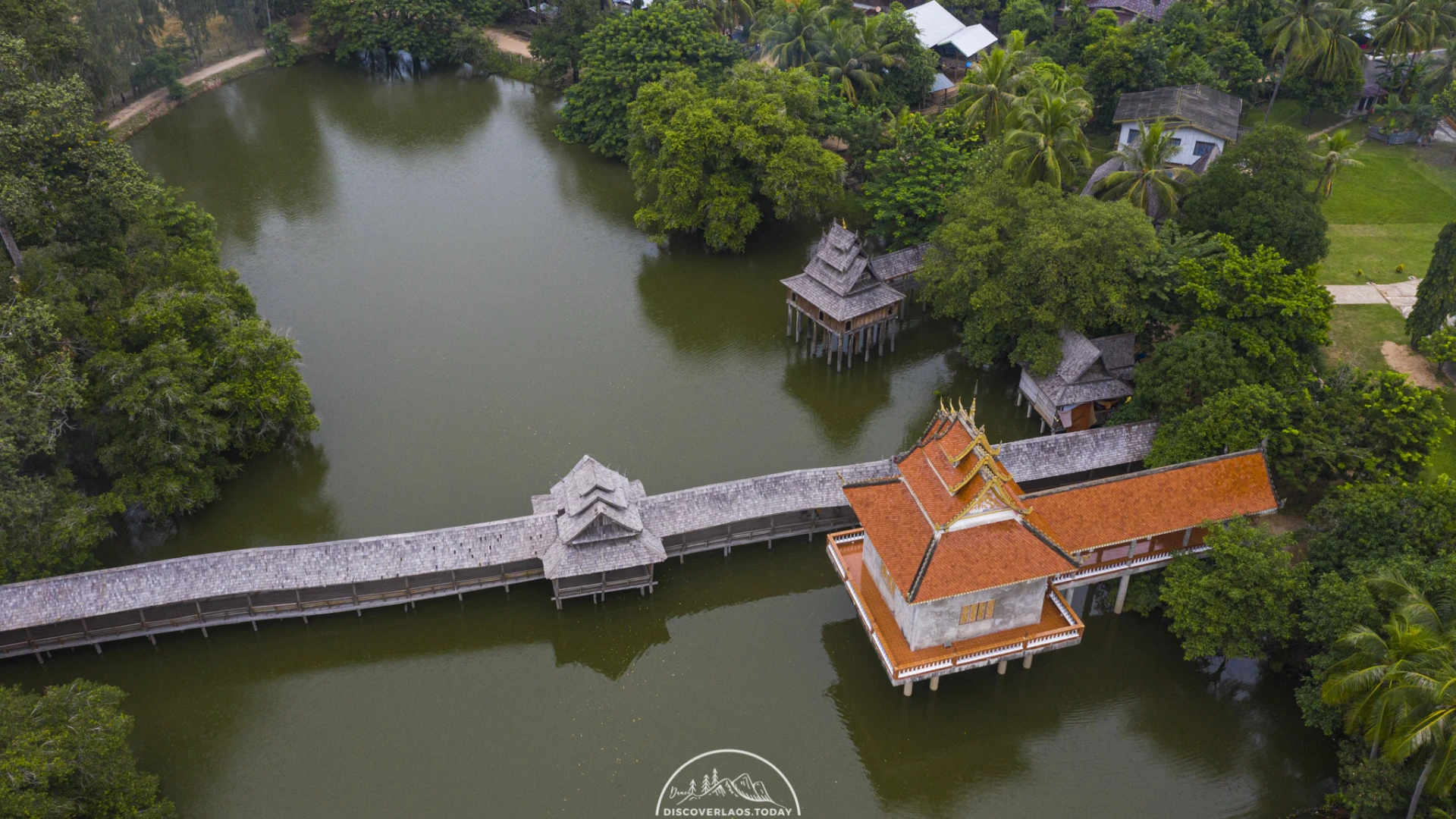
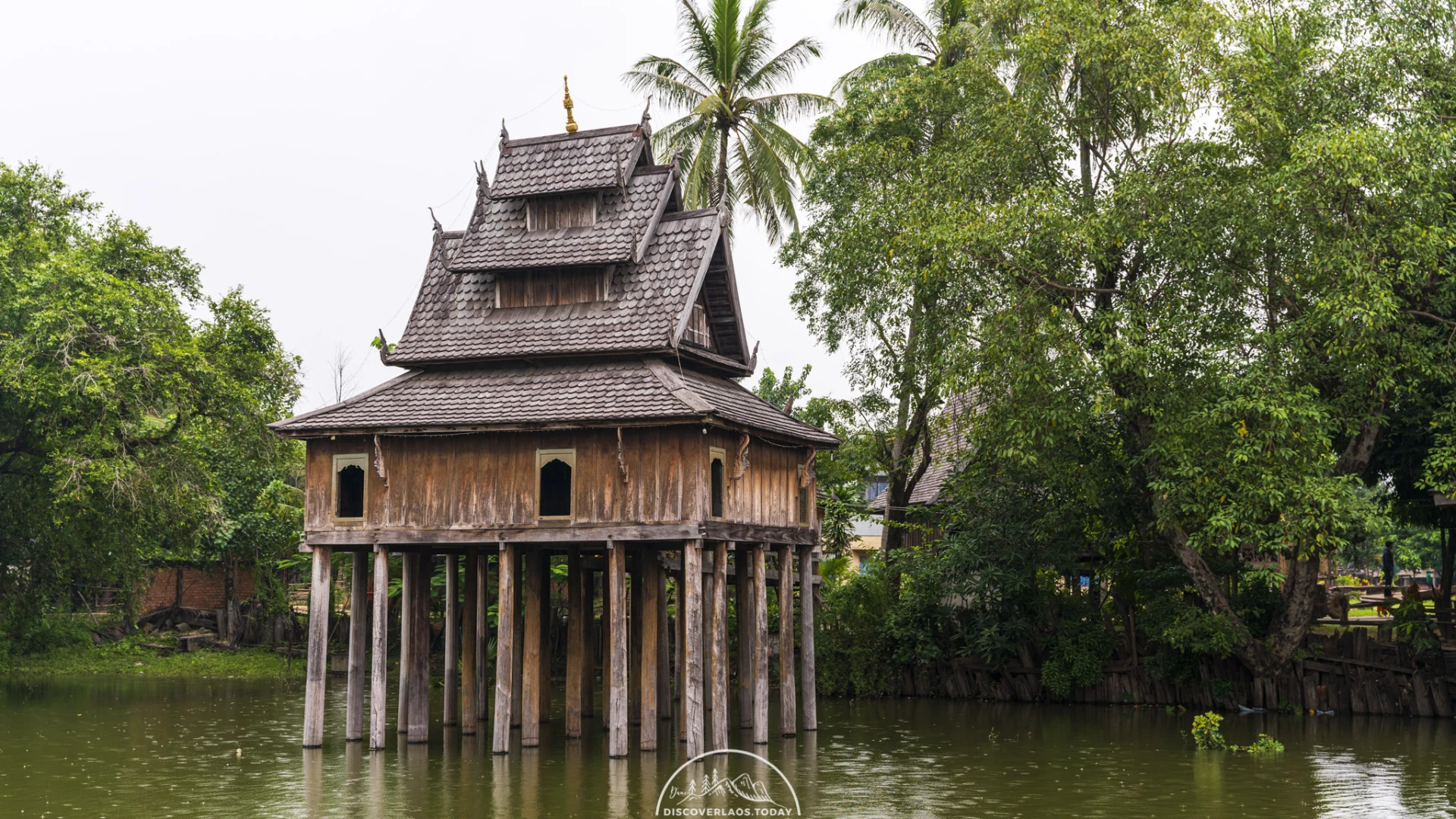
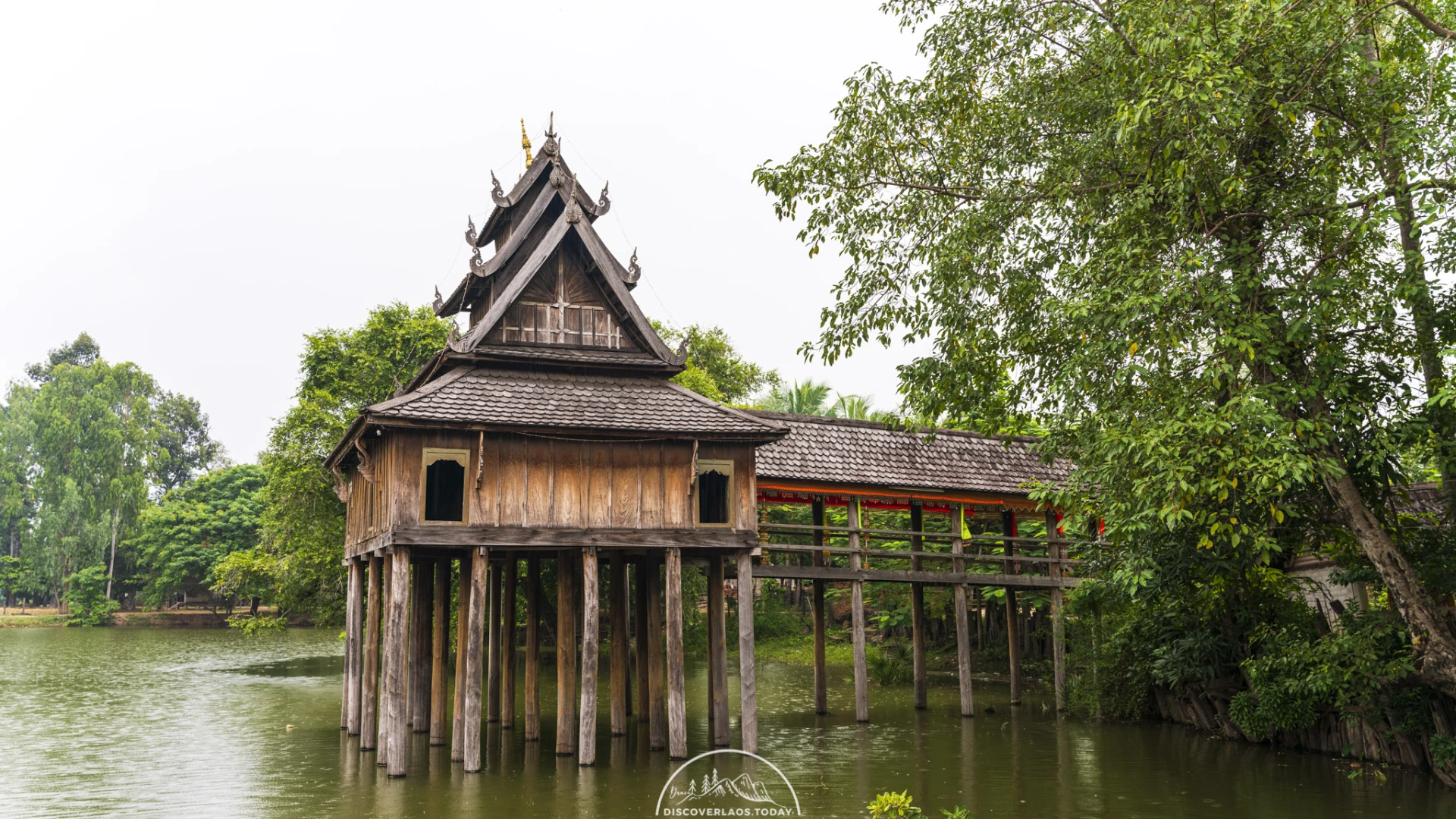
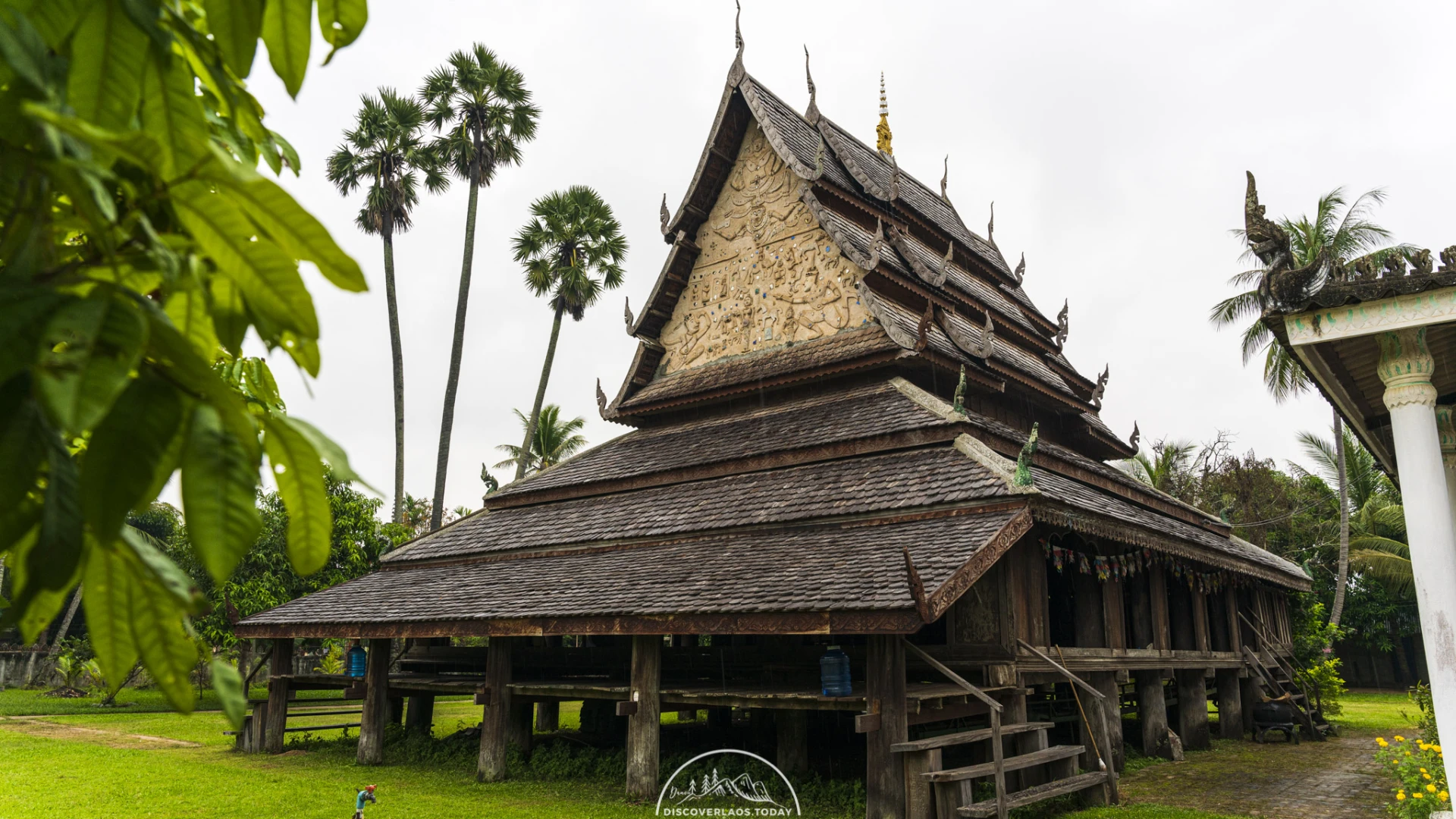
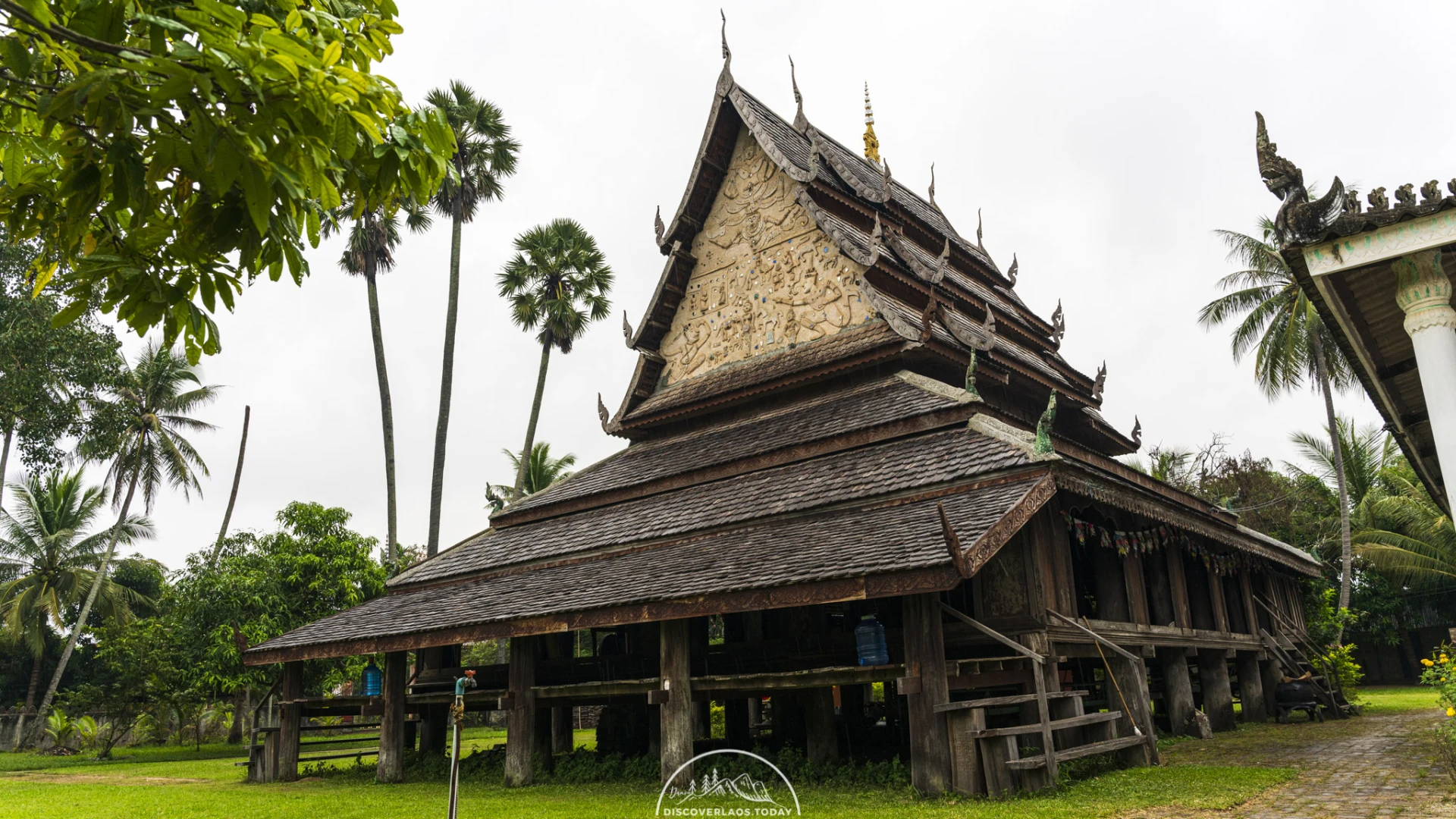
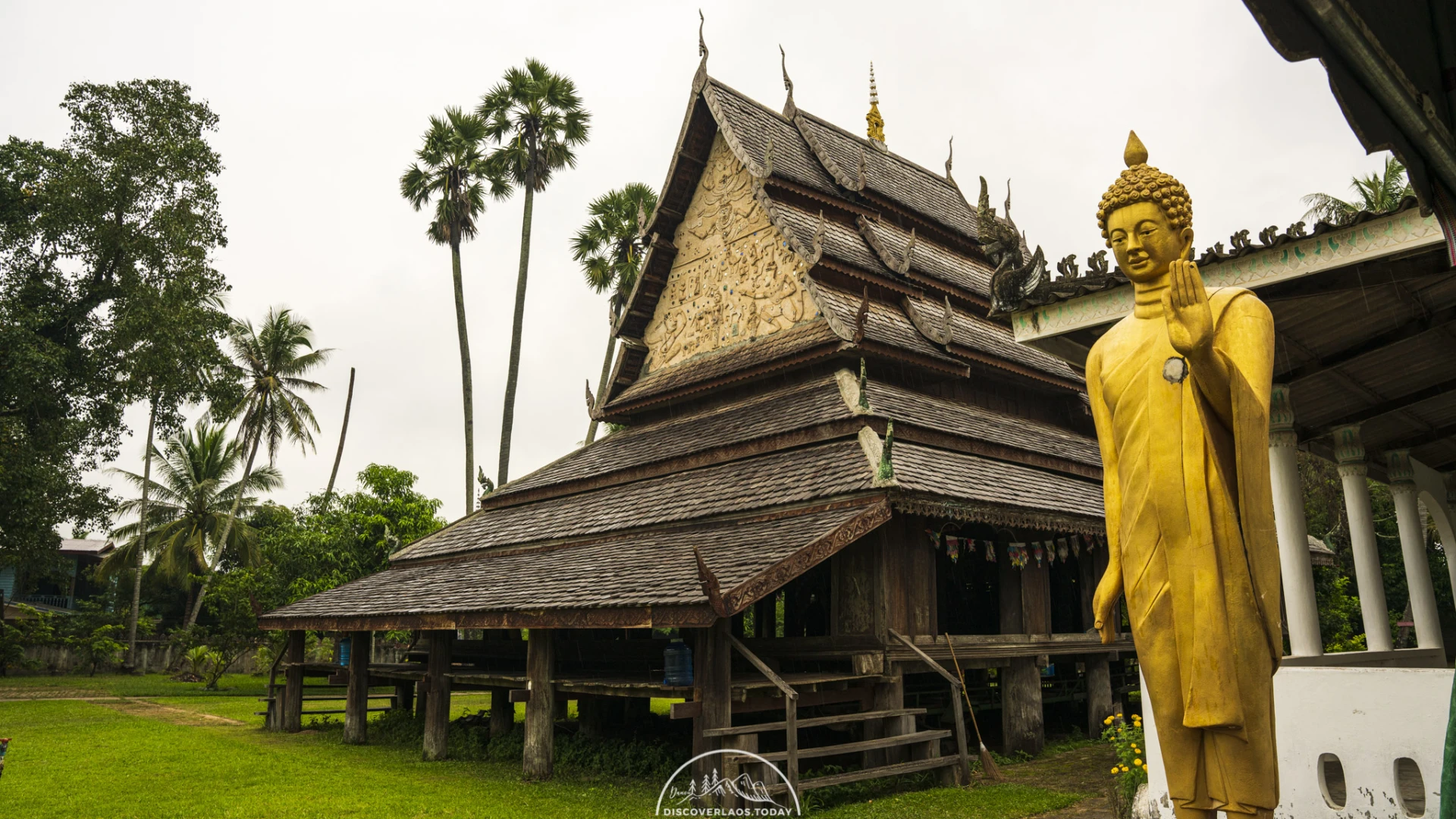
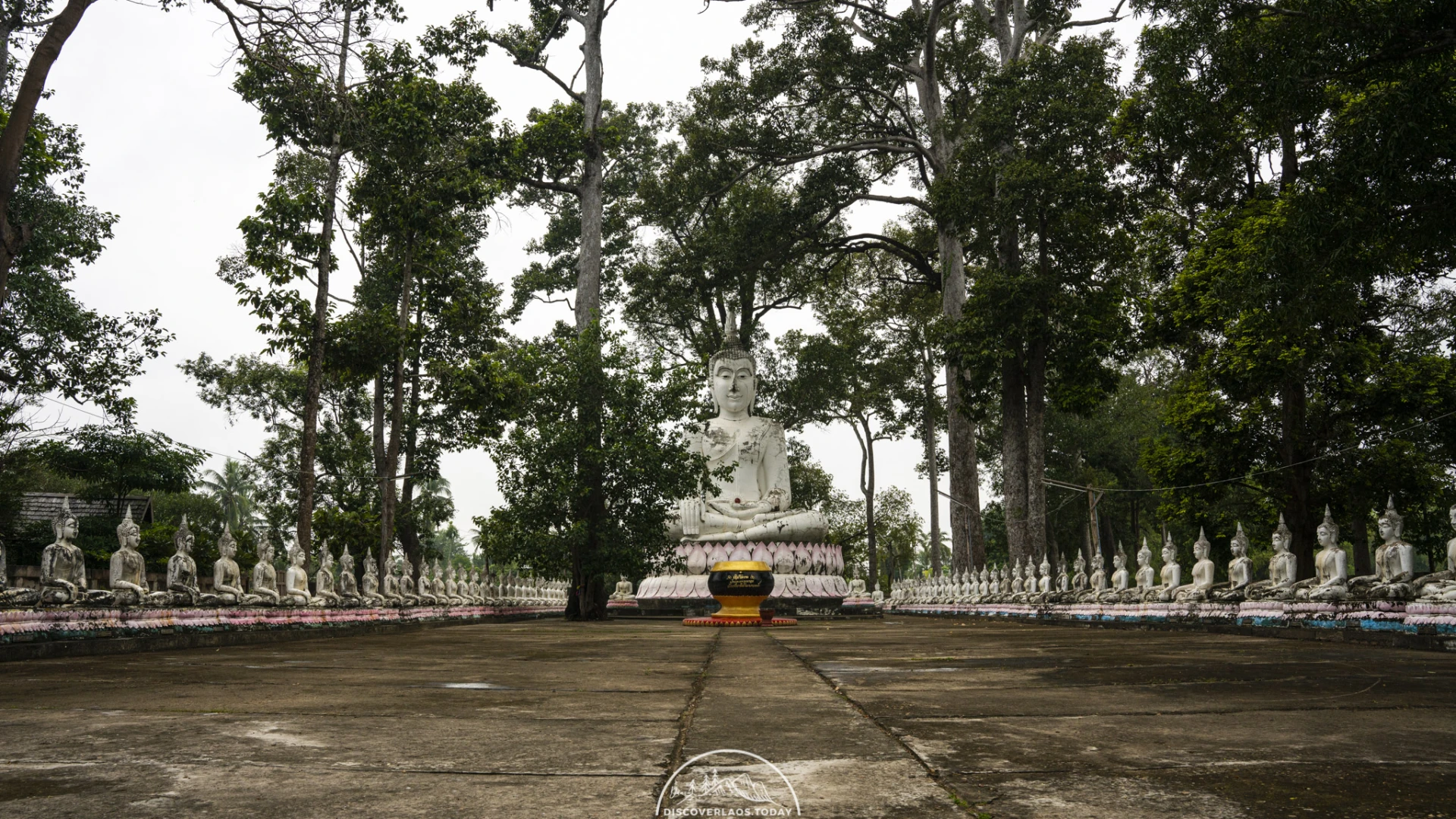
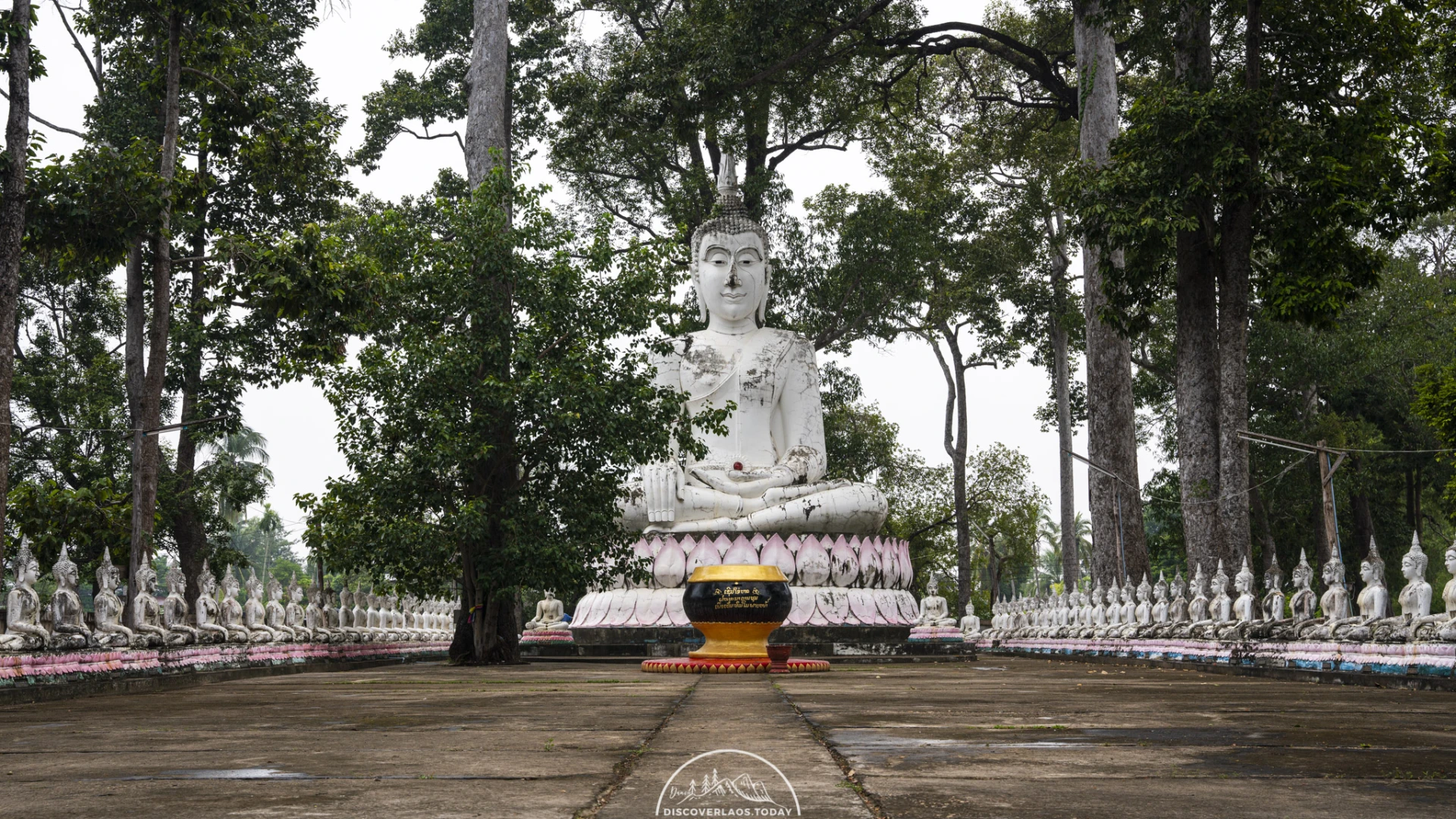
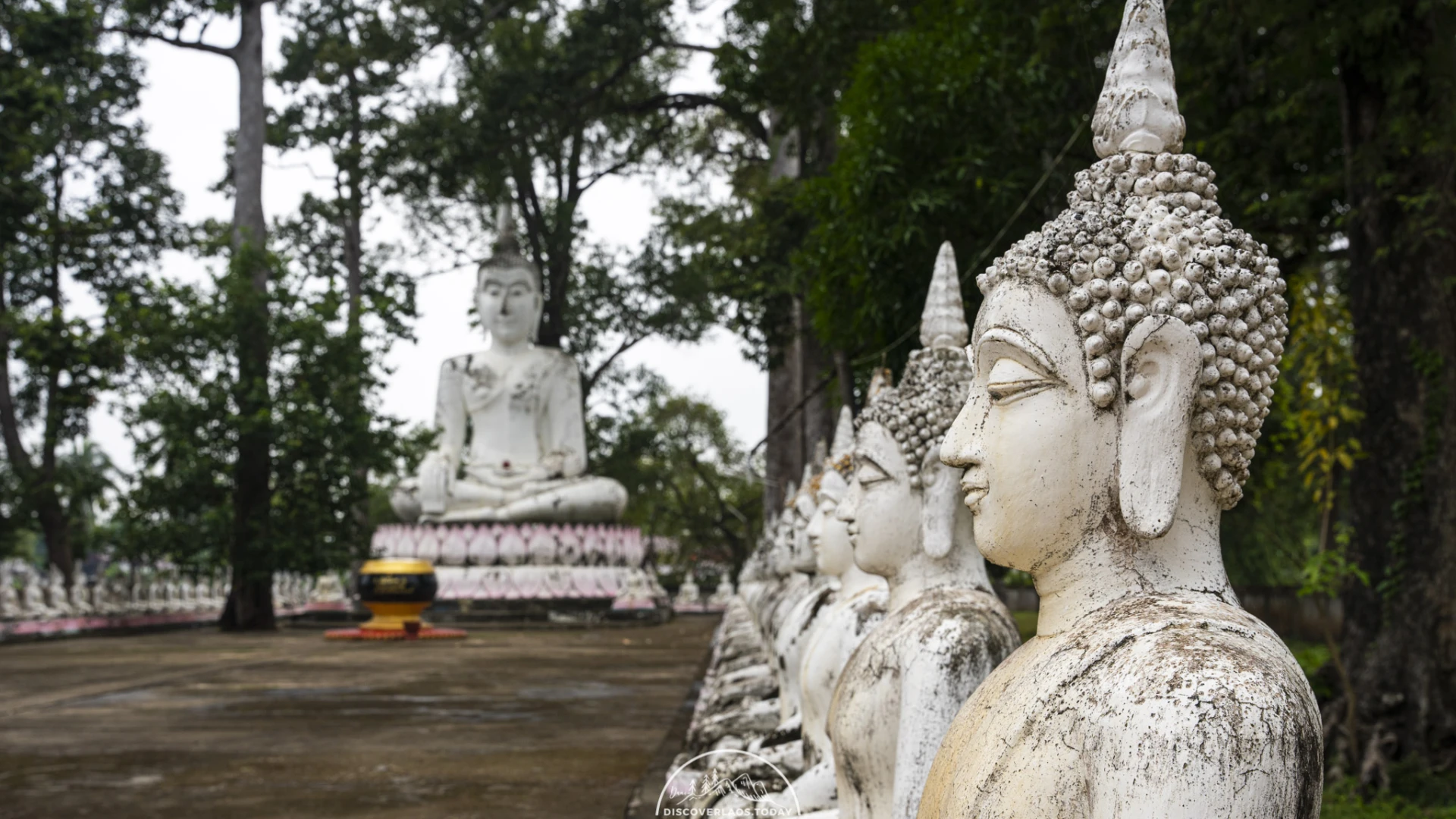
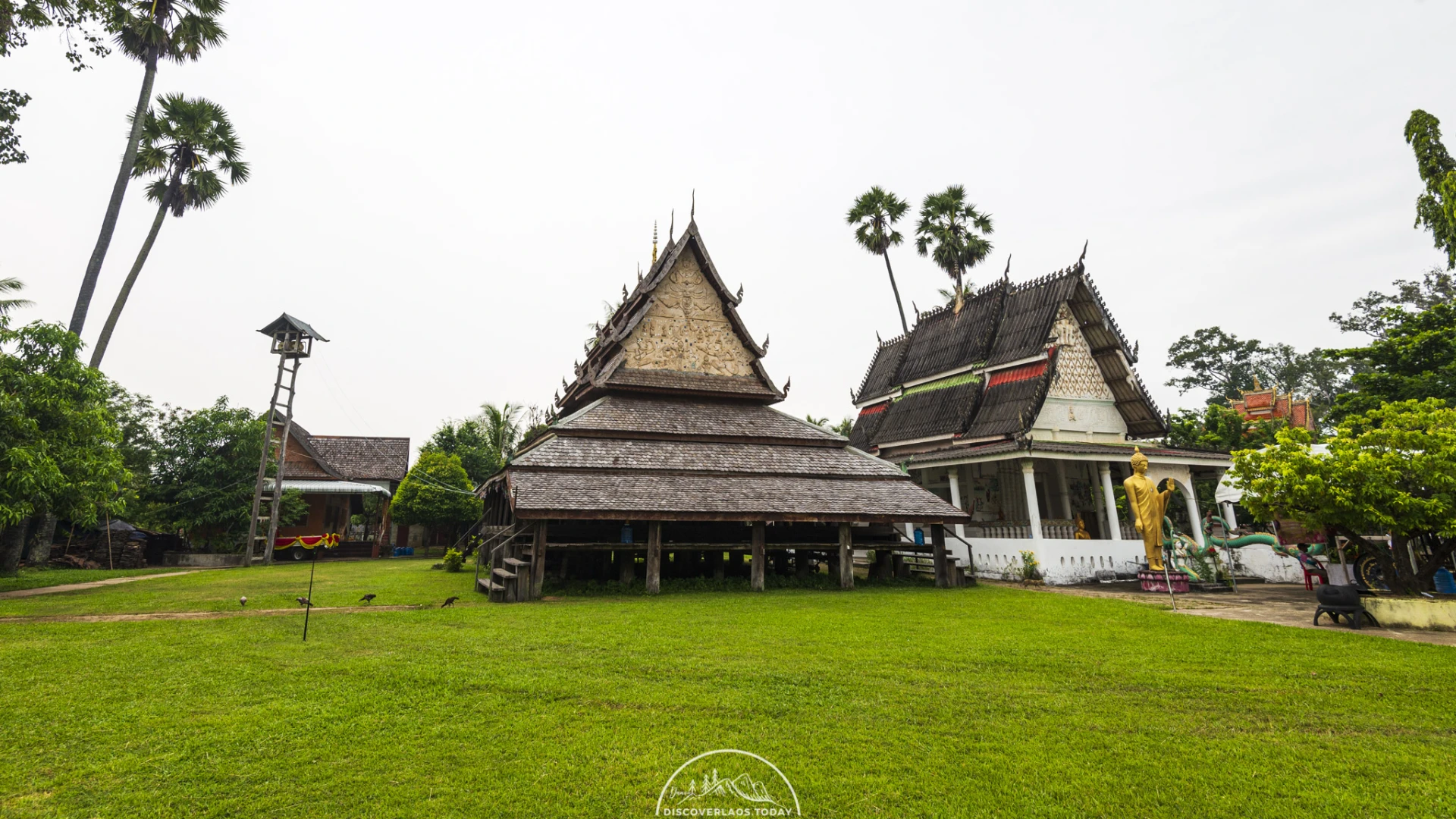
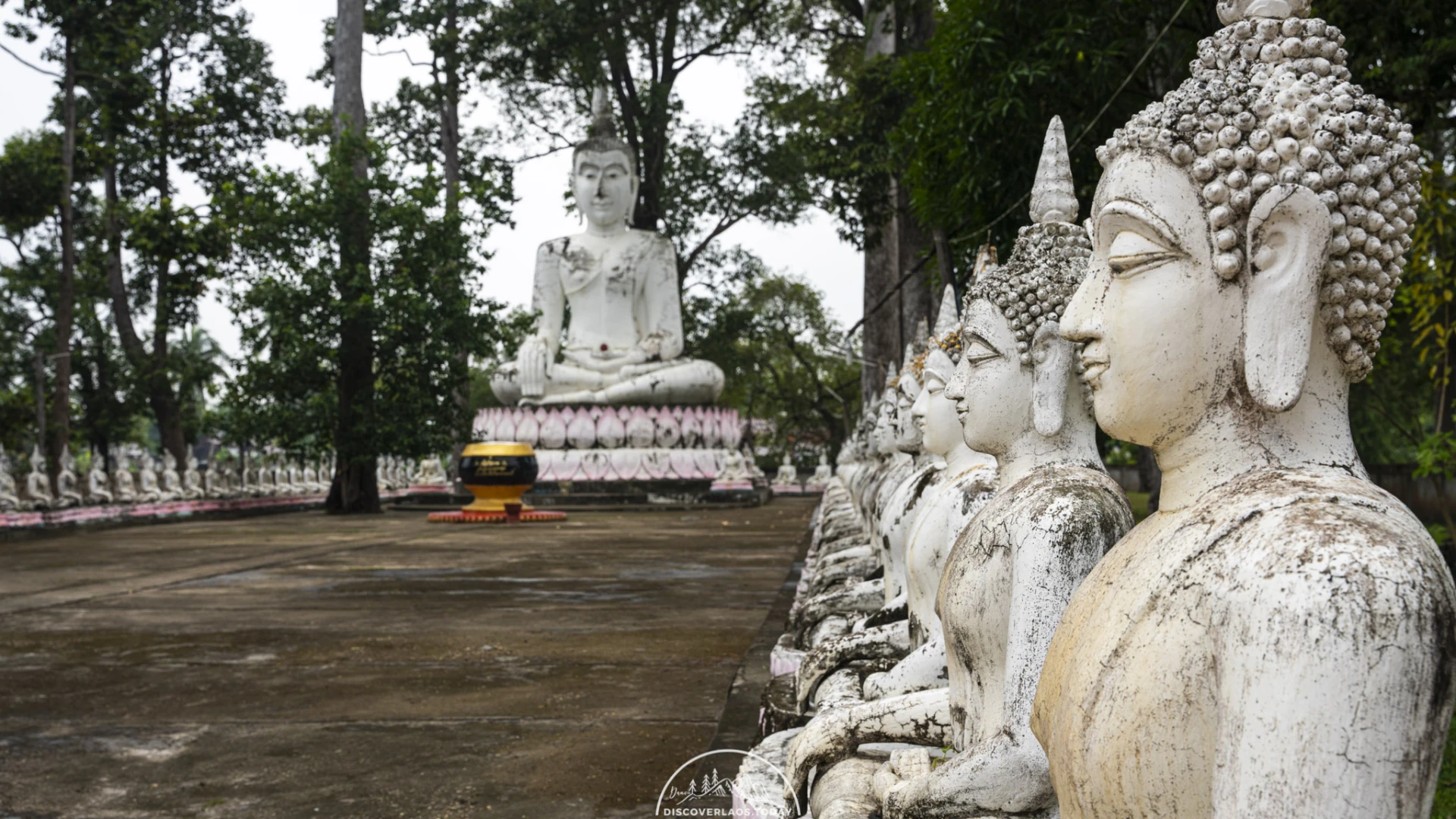
Ho Tay Pidok Library, also known as the Ancient Buddhist Scripts Library, is one of the most culturally significant and historically valuable religious landmarks in Savannakhet Province. The library serves as a repository for ancient Buddhist manuscripts, sacred texts, and traditional Lao religious knowledge that has been preserved for generations. It offers visitors a fascinating glimpse into Laos' rich spiritual heritage, literary traditions, and Buddhist scholarship.
Traditionally, a "Ho Tay Pidok" (or Ho Trai) is a special library building constructed within a temple complex to safeguard sacred Buddhist scriptures, particularly palm-leaf manuscripts known as Tripitaka or Pali Canon texts. These manuscripts contain Buddhist teachings, religious commentaries, historical records, and local wisdom that have been carefully copied and preserved by monks over centuries.
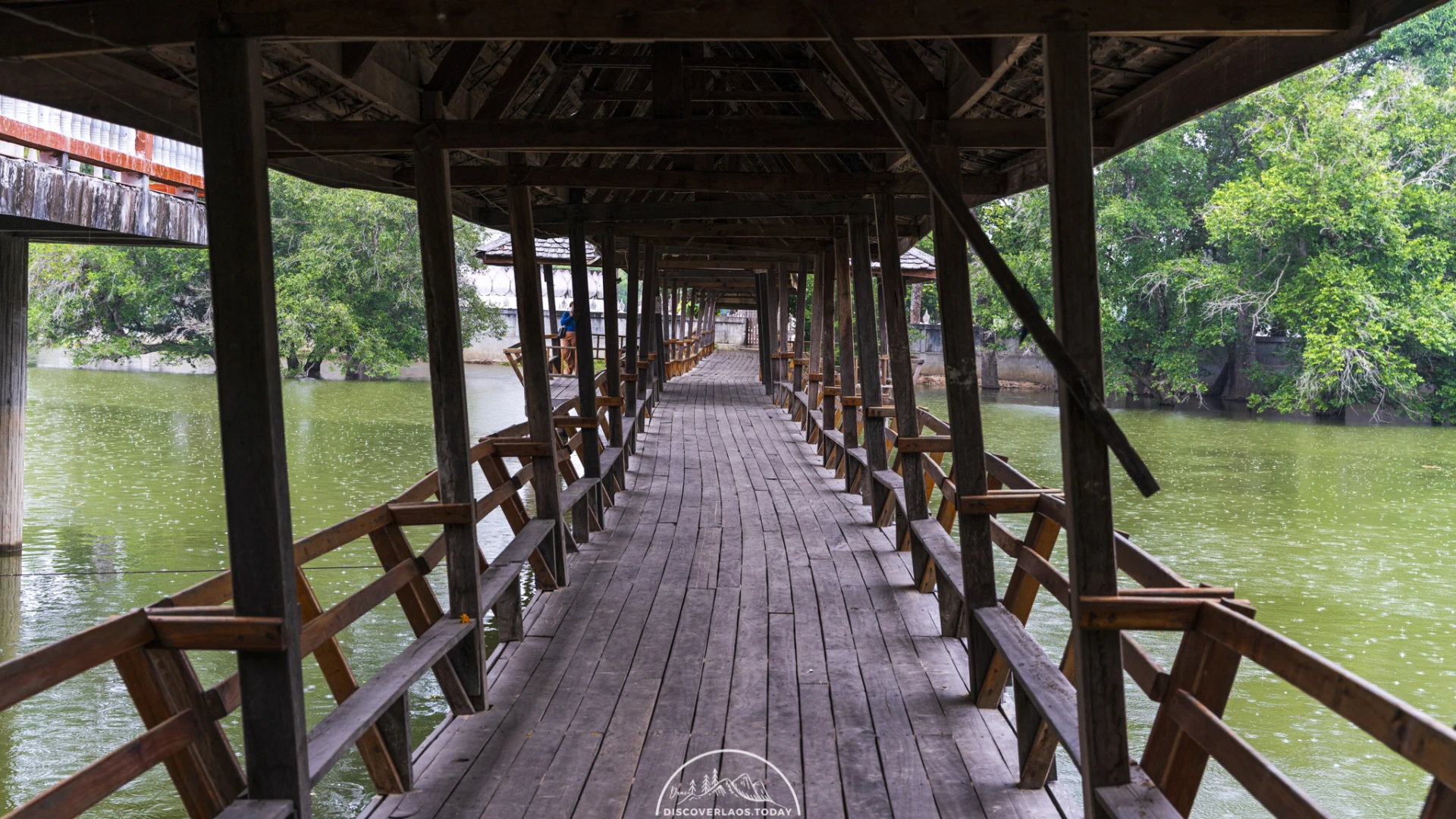
The architecture of Ho Tay Pidok reflects traditional Lao craftsmanship, often featuring elevated wooden structures designed to protect valuable manuscripts from floods, insects, and humidity. Intricate carvings, decorative roof designs, and elegant wooden details showcase the artistic skills of local craftsmen while highlighting the importance of preserving religious knowledge.
Inside the library, visitors may find collections of ancient palm-leaf manuscripts written in Pali, Lao Tham, and other traditional scripts. These texts are invaluable resources for understanding the history of Buddhism in Laos and the development of Lao culture and education. While some manuscripts are preserved for scholarly study, others remain important religious objects used during special ceremonies and teachings.
The library is closely connected to the surrounding temple community, where monks continue to study, teach, and preserve Buddhist traditions. For many visitors, Ho Tay Pidok offers a rare opportunity to appreciate the role that temples played as centers of learning, literacy, and cultural preservation long before the establishment of modern schools and universities.
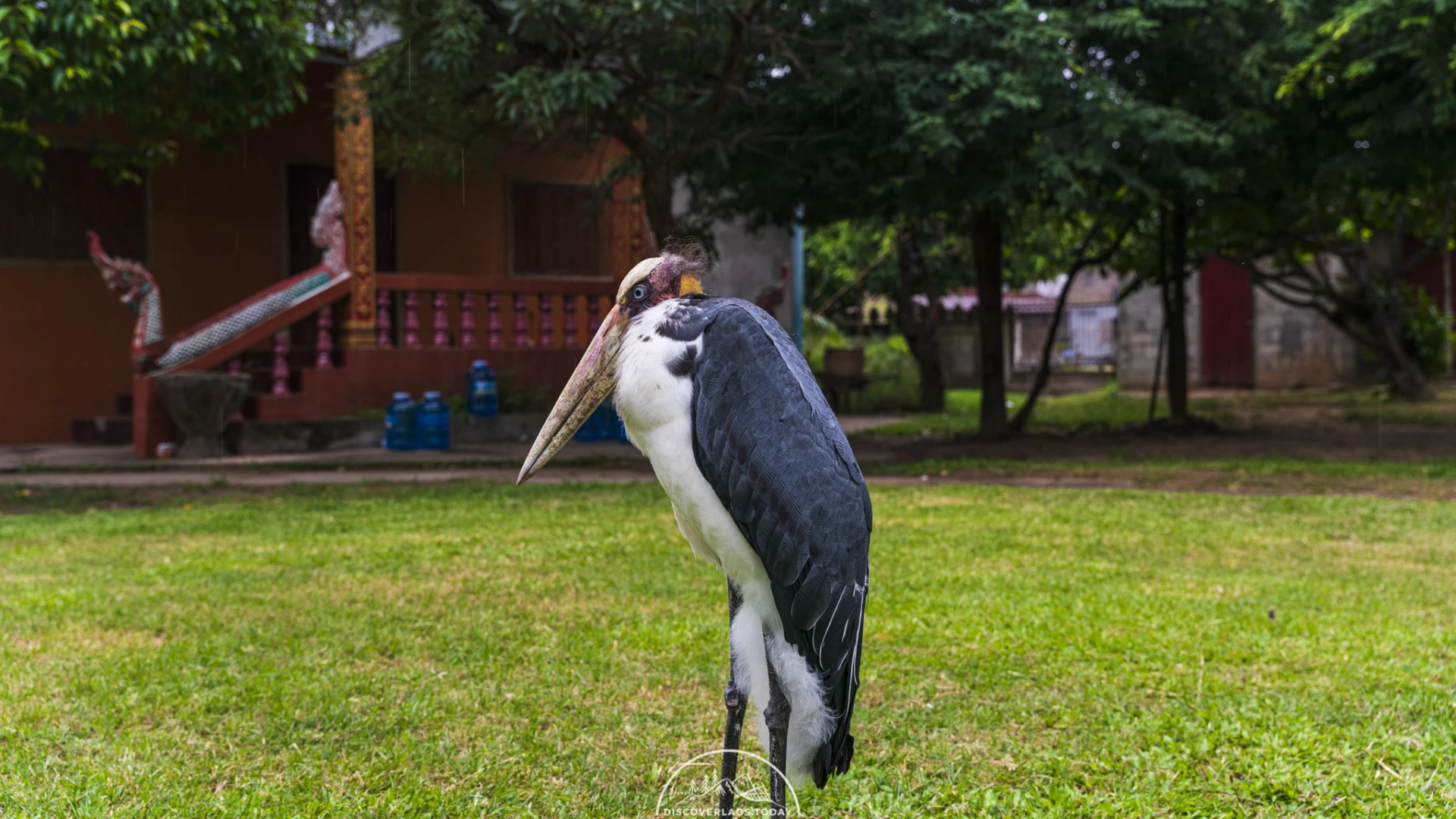
Beyond its historical significance, the library provides a peaceful atmosphere for reflection and cultural exploration. Visitors interested in history, religion, architecture, and traditional Lao culture will find Ho Tay Pidok to be a rewarding destination. It serves as a reminder of the enduring importance of knowledge, education, and spiritual practice in Lao society.
Opening Hours
- Daily: 08:00 AM – 05:00 PM
- Access may vary depending on temple activities and religious ceremonies.
- Best time to visit:
- Morning hours for a quieter experience.
- During temple festivals or cultural events for additional insights into local traditions.
Highlights
- Repository of ancient Buddhist scriptures and manuscripts.
- Traditional Lao religious architecture.
- Historical palm-leaf manuscript collections.
- Insight into Buddhist scholarship and education.
- Important cultural and religious heritage site.
- Beautiful handcrafted wooden details.
- Peaceful temple atmosphere.
- Opportunity to learn about Lao literary traditions.
- Cultural and historical significance.
- Excellent destination for history and culture enthusiasts.
Visitor Tips
- Dress modestly and respectfully.
- Remove shoes before entering temple buildings where required.
- Ask for permission before photographing manuscripts or sacred objects.
- Maintain a quiet and respectful demeanor.
- Consider visiting with a local guide to better understand the library's history.
- Combine your visit with nearby temples and cultural attractions.
- Respect any restrictions on access to fragile historical materials.
- Allow 30–60 minutes for exploration.