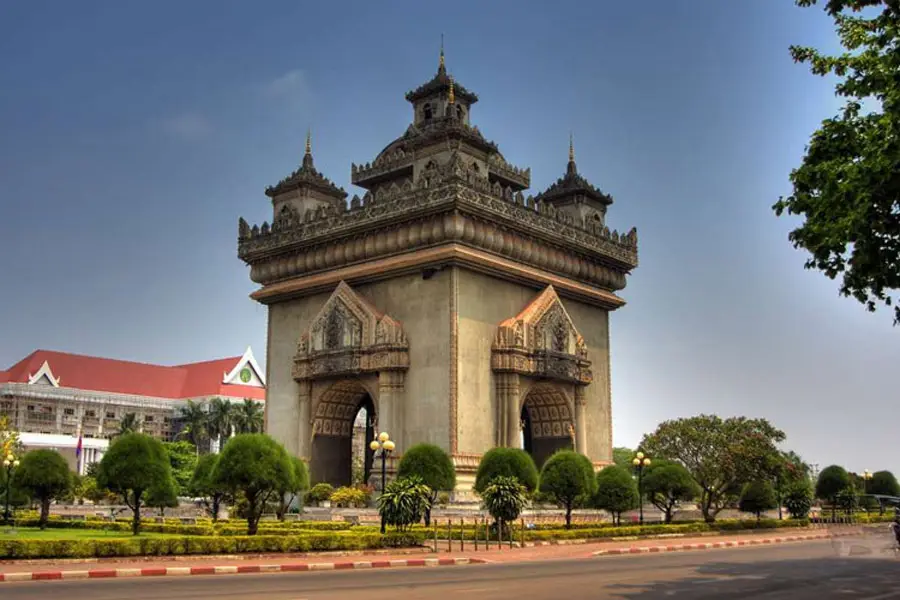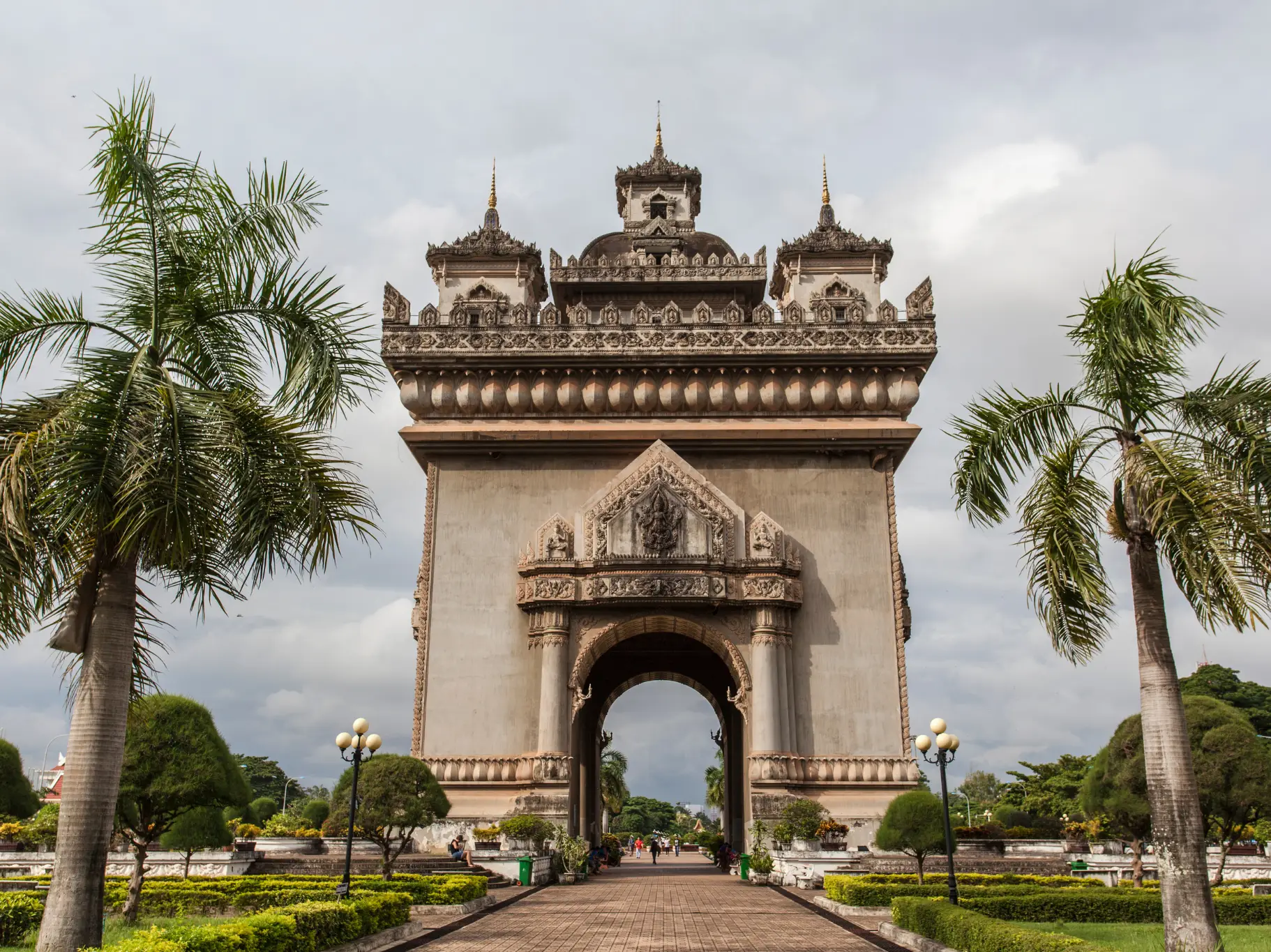
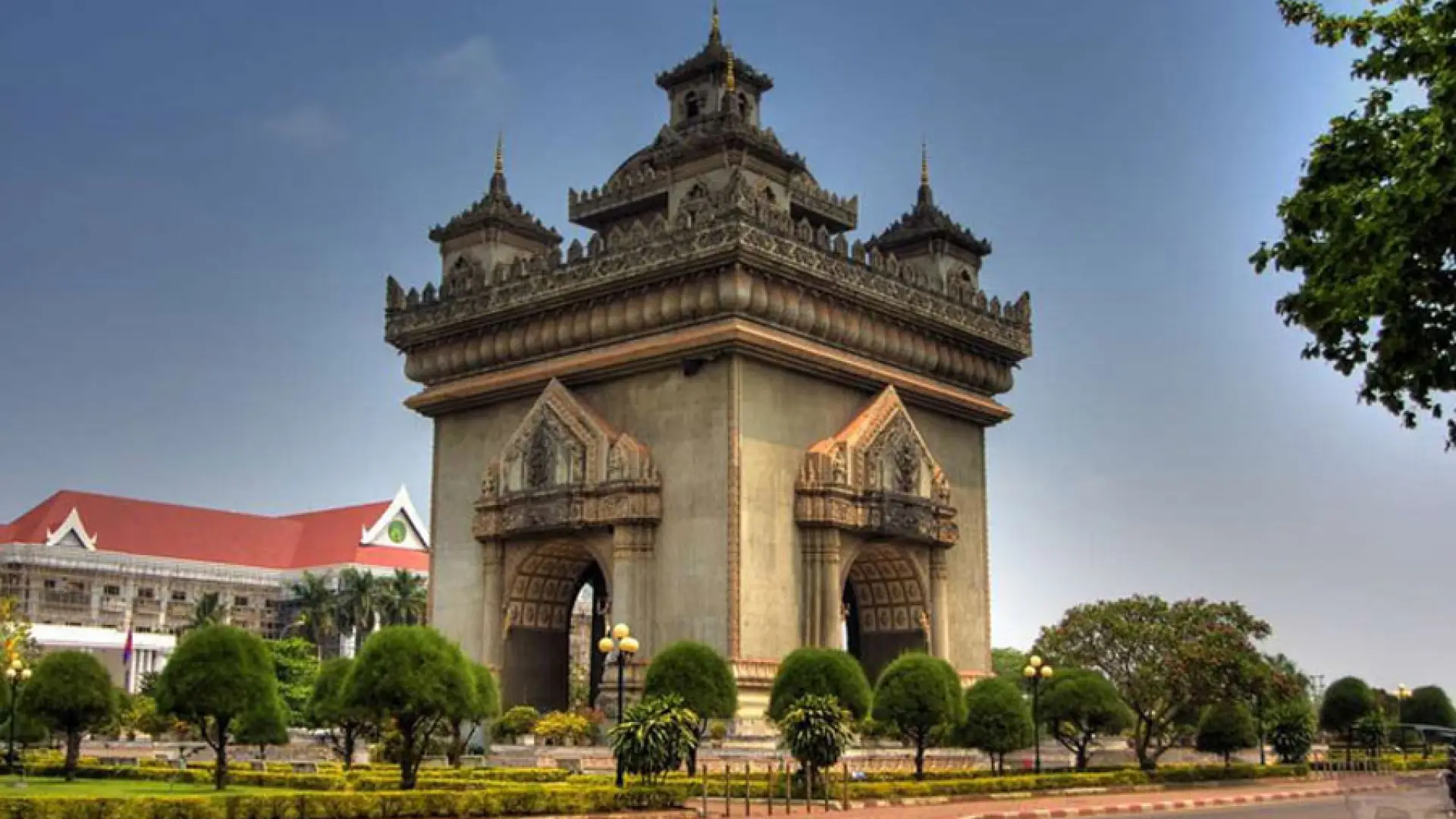
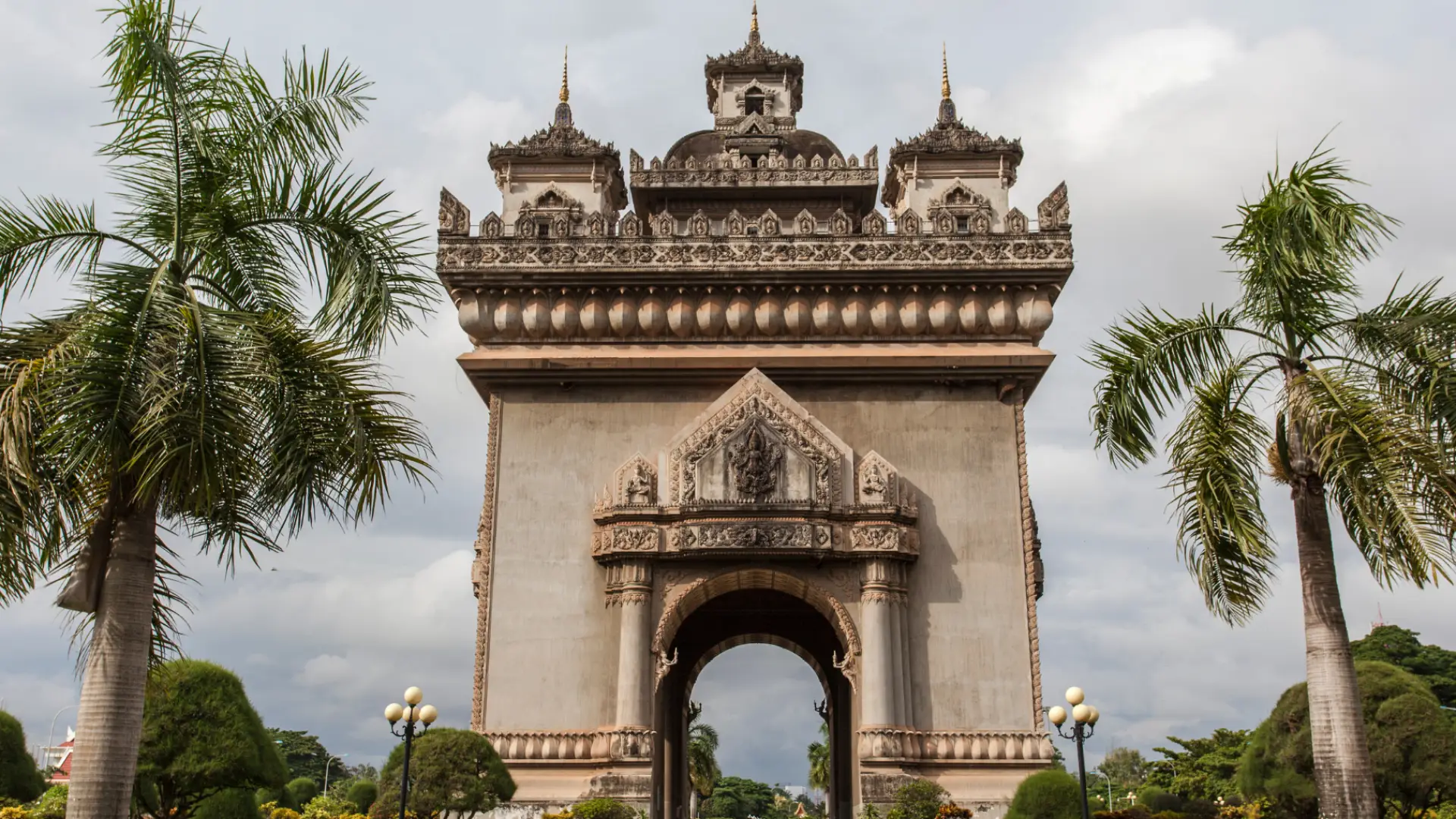
Patuxai, often referred to as the "Victory Gate" or the "Arc de Triomphe of Vientiane," is one of the most recognizable landmarks in Laos and a symbol of the nation's independence, resilience, and cultural identity. Located at the end of Lane Xang Avenue in the heart of Vientiane, the monument stands proudly in the center of Patuxai Park and is one of the most visited attractions in the country.
Construction of Patuxai began in 1957 and was largely completed in 1968. The monument was built to honor the Lao soldiers who fought for independence and lost their lives during various conflicts, particularly the struggle against French colonial rule. The name "Patuxai" comes from the Sanskrit-derived word "Patu" (gate) and the Lao word "Xai" (victory), together meaning "Victory Gate."
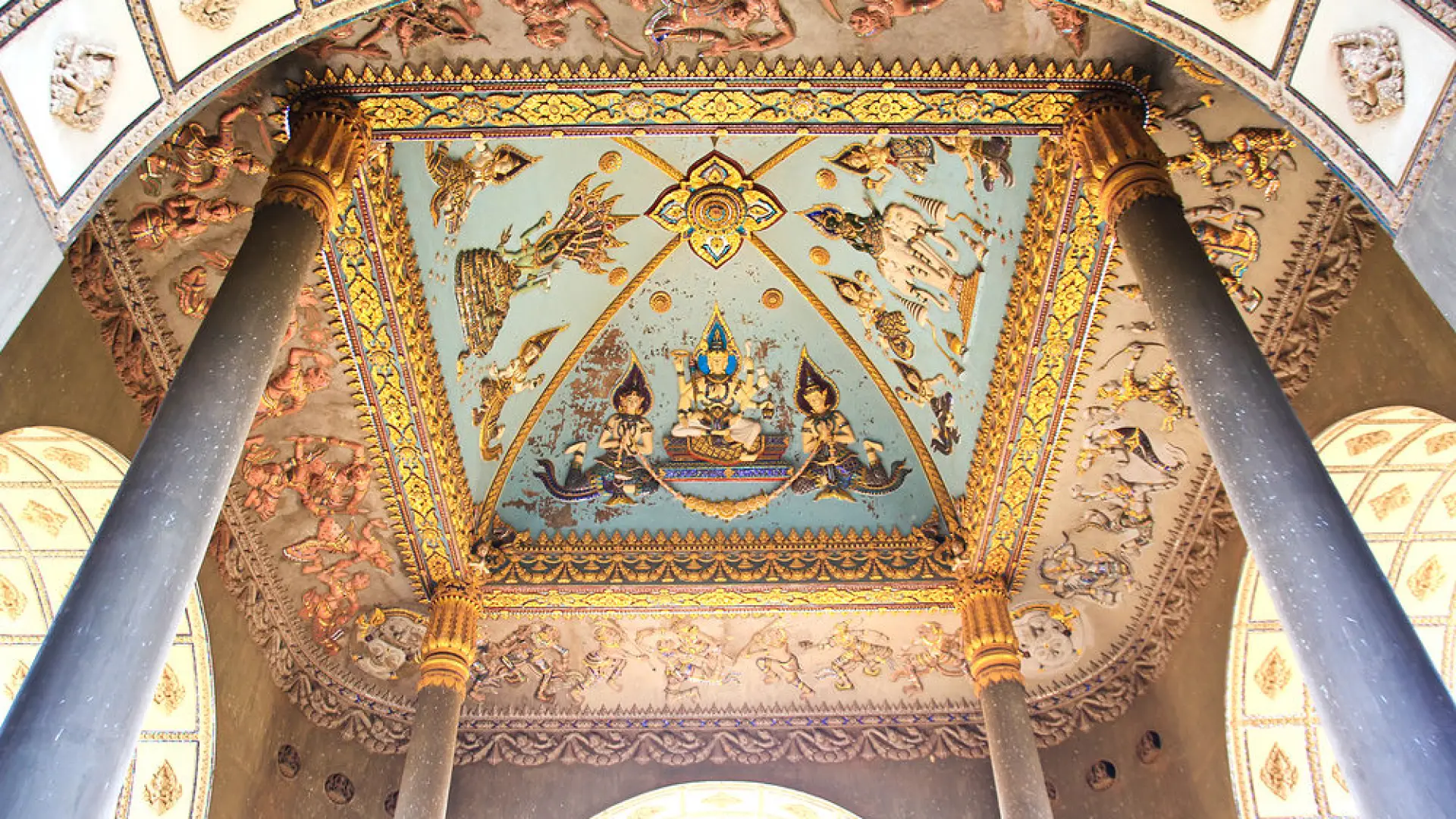
Although often compared to the famous Arc de Triomphe, Patuxai features distinctly Lao architectural elements. The structure incorporates traditional Lao motifs, Buddhist symbolism, mythological figures, lotus flowers, kinnari (half-bird, half-woman celestial beings), and decorative naga designs. Its fusion of European monument design and Lao artistic traditions makes it a unique architectural masterpiece.
The monument stands approximately 49 meters high and consists of five towers representing the five principles of peaceful coexistence among nations, as well as five Buddhist virtues: thoughtful amiability, flexibility, honesty, honor, and prosperity. Visitors can climb to the upper levels via stairs or elevators, where observation decks provide panoramic views of Vientiane, including Lane Xang Avenue, government buildings, temples, and surrounding neighborhoods.
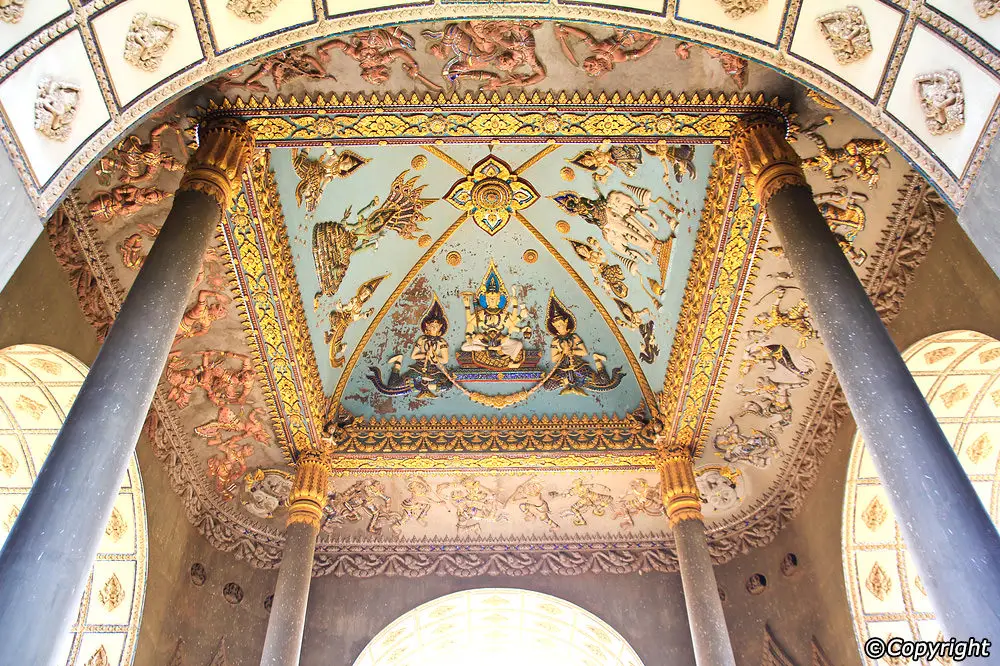
Inside the monument, visitors will find decorative ceilings adorned with colorful paintings, souvenir shops selling local handicrafts, and exhibits related to the history of the monument. The beautifully landscaped Patuxai Park surrounding the monument features fountains, gardens, walking paths, and open spaces that are popular with both locals and tourists.
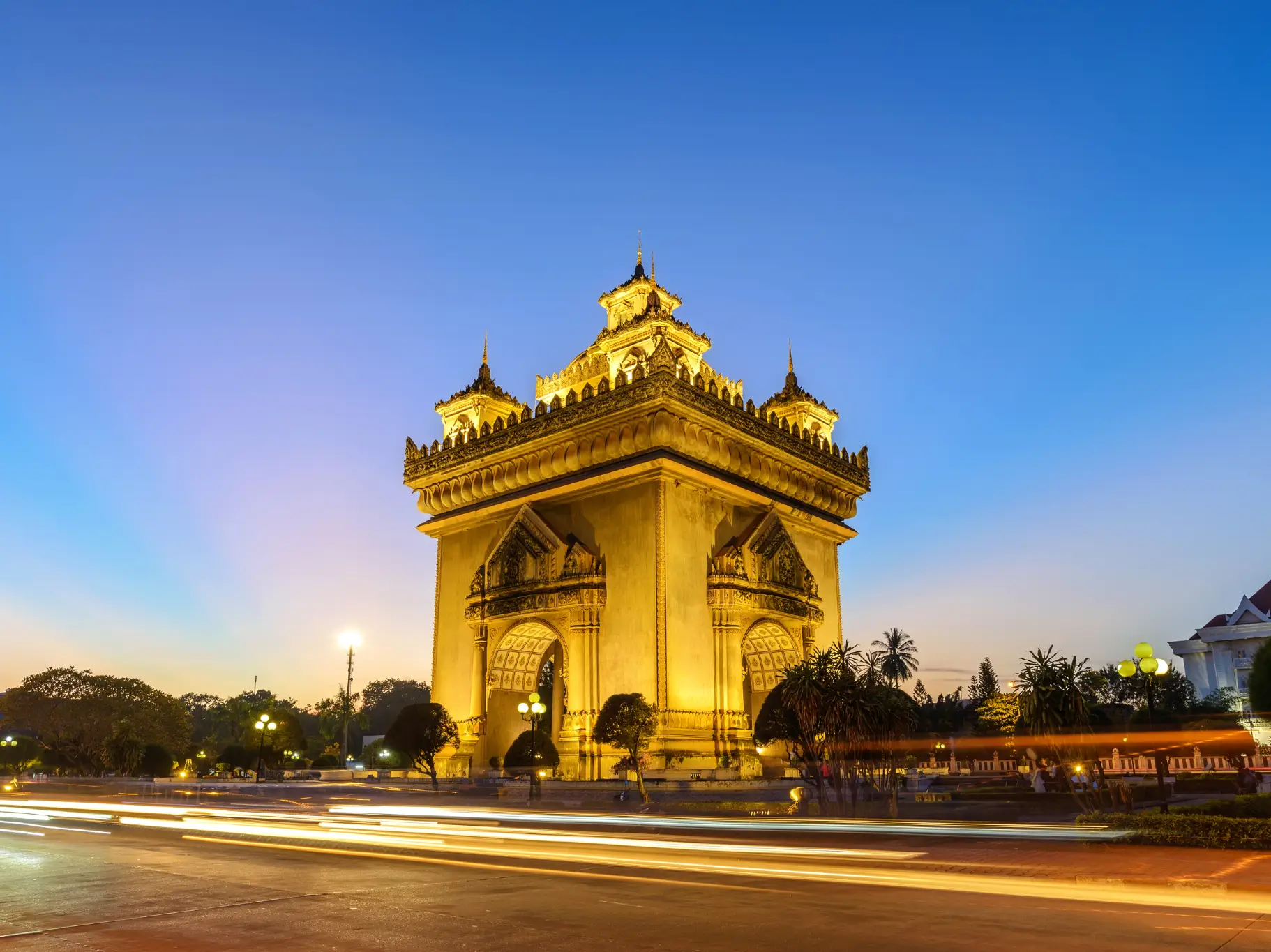
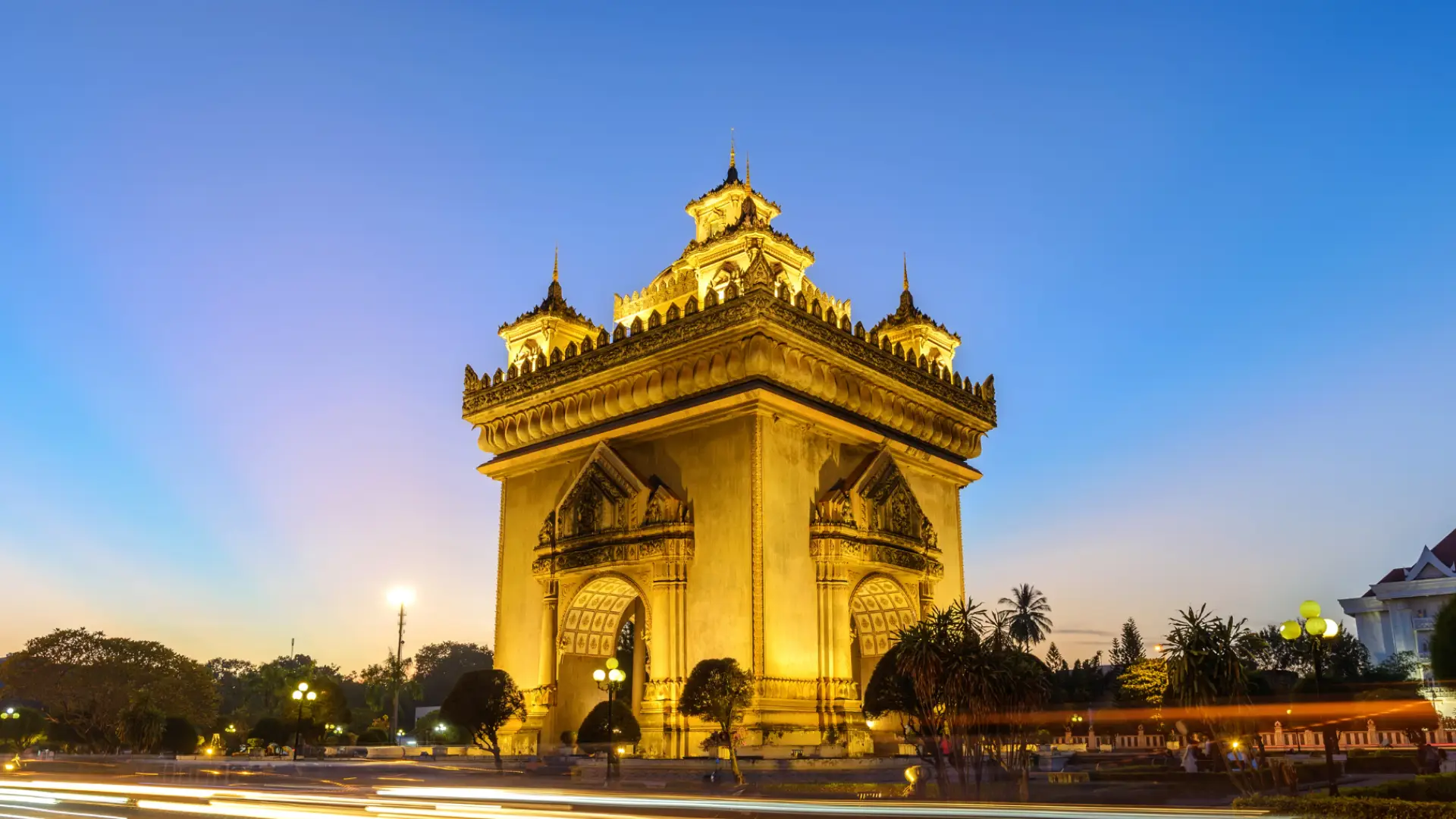
Patuxai is particularly stunning at sunrise and sunset when the monument is illuminated by soft golden light. In the evenings, the surrounding fountains and park create a lively atmosphere where visitors can relax, take photographs, and enjoy views of one of Laos' most iconic landmarks.
Today, Patuxai remains a symbol of national pride and one of the most important cultural and historical attractions in Laos, attracting visitors from around the world.
Opening Hours
- Daily: 08:00 AM – 05:00 PM
- Patuxai Park remains accessible for longer hours, especially in the evening.
- Best time to visit:
- Early morning (8:00 AM – 10:00 AM) for fewer crowds.
- Late afternoon (4:00 PM – 6:00 PM) for sunset views and photography.
Highlights
- National symbol of Laos and Vientiane.
- Built between 1957 and 1968.
- Honors Lao soldiers who fought for independence.
- Unique blend of Lao and European architecture.
- Observation decks with panoramic city views.
- Beautiful decorative ceilings and cultural motifs.
- Popular photography and sightseeing location.
- Surrounded by landscaped gardens and fountains.
Visitor Tips
- Climb to the top for the best views of Vientiane.
- Visit during sunset for spectacular photography opportunities.
- Bring water and sun protection during hot months.
- Explore nearby attractions along Lane Xang Avenue.
- Combine your visit with Pha That Luang and other city landmarks.