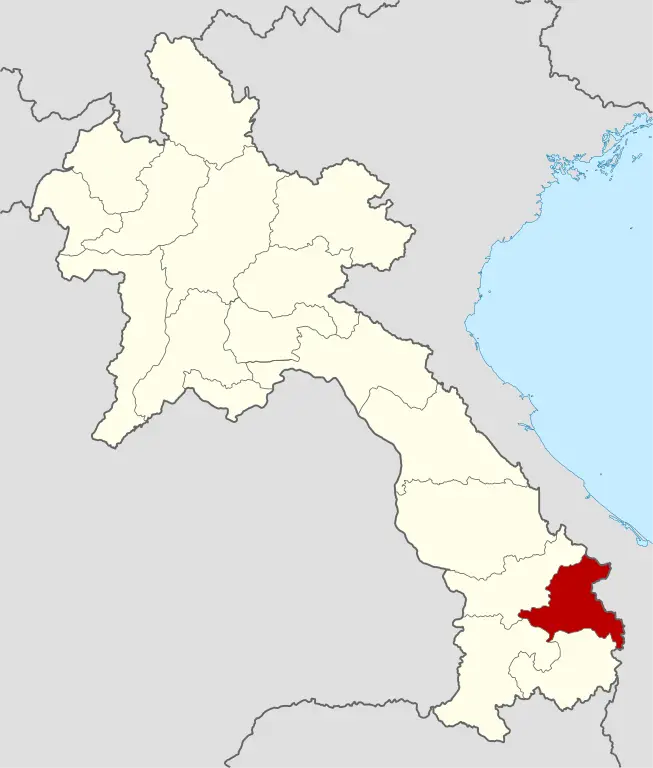
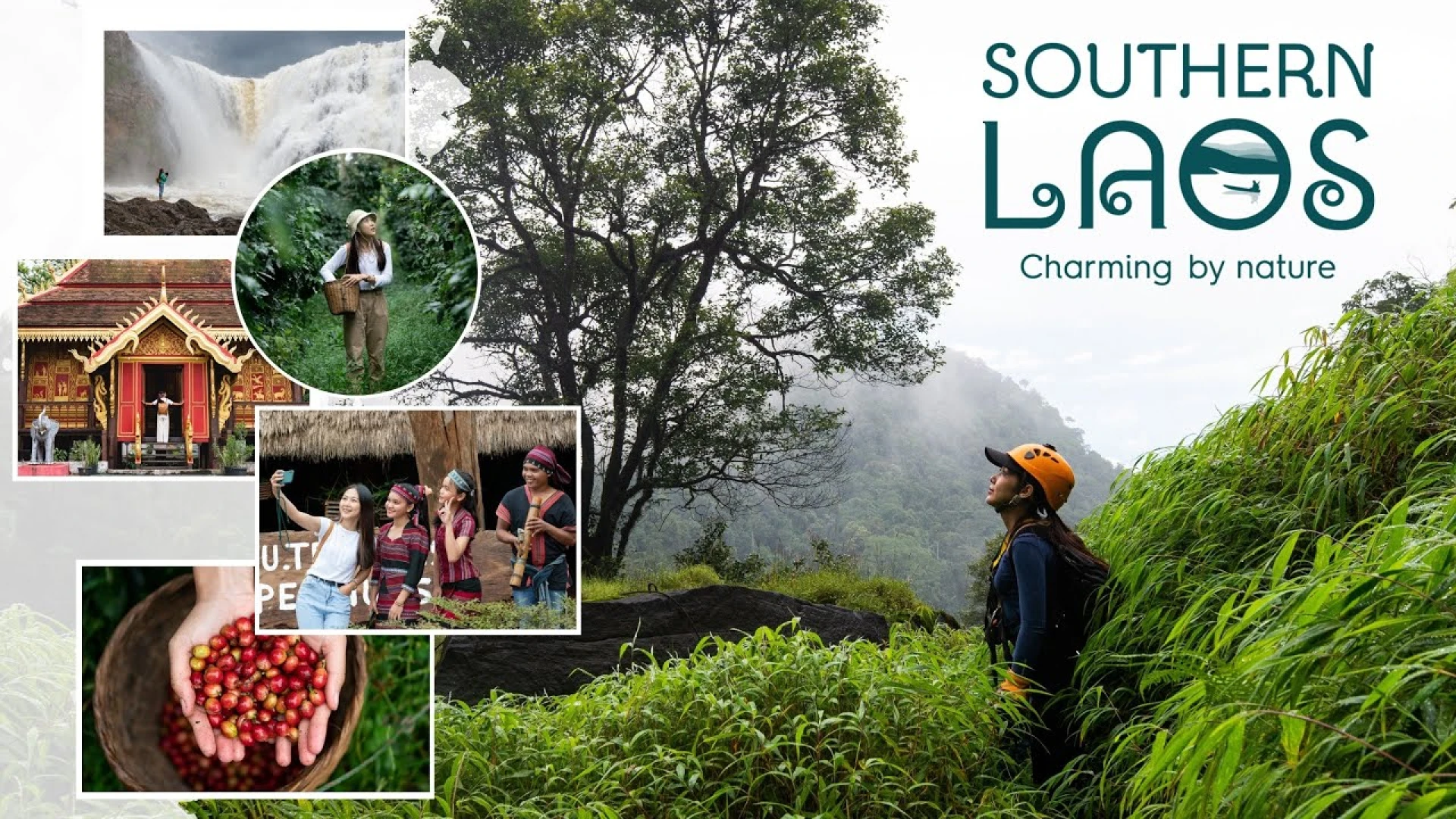
Sekong Province, located in southeastern Laos, is one of the country’s smallest and least-populated provinces, yet it offers some of the most pristine natural landscapes and authentic cultural experiences in the nation. Bordering Vietnam to the east and surrounded by mountains, forests, rivers, and waterfalls, Sekong remains largely untouched by mass tourism, making it a hidden gem for adventurous travelers seeking a deeper connection with nature and local culture.
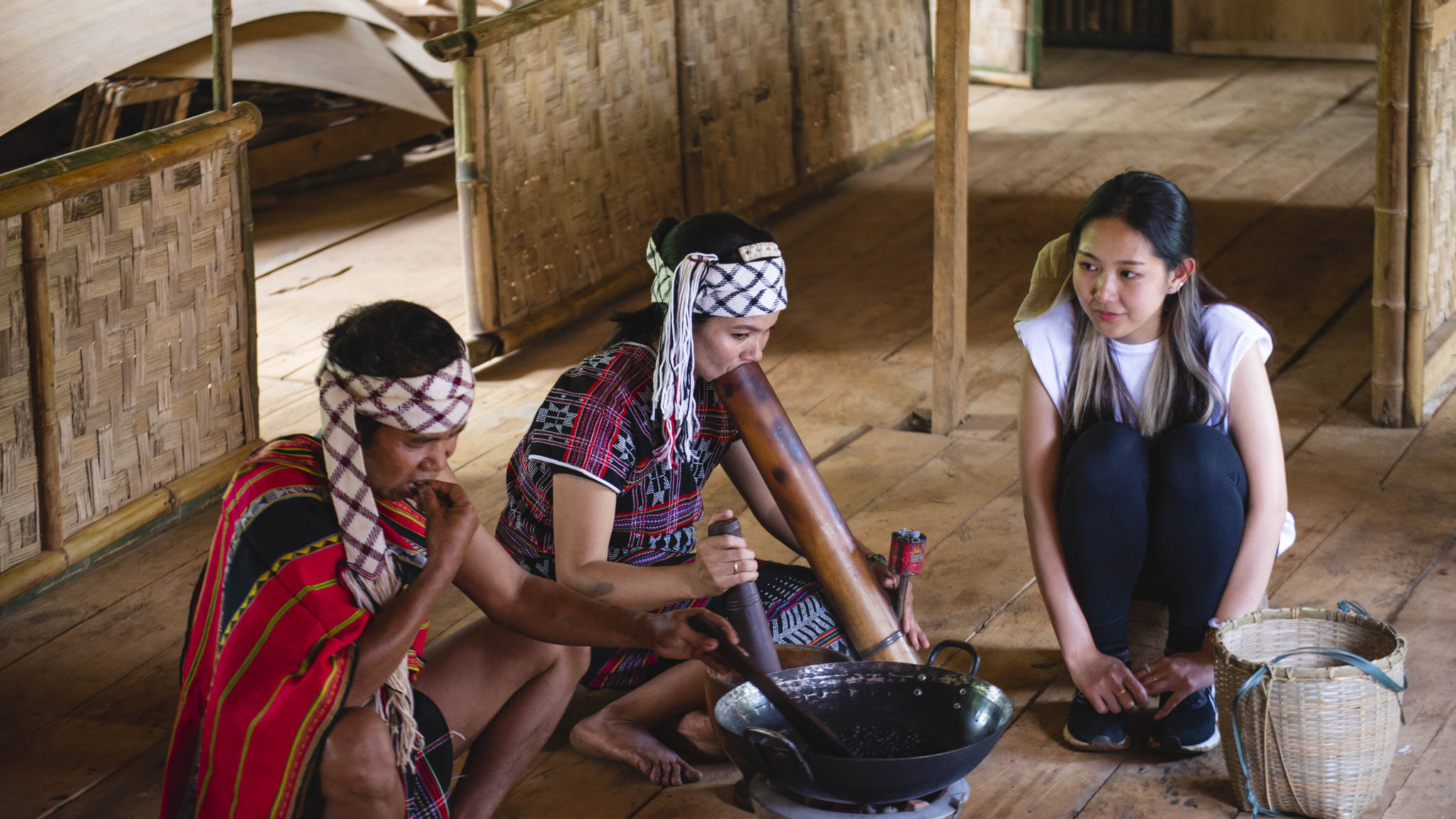
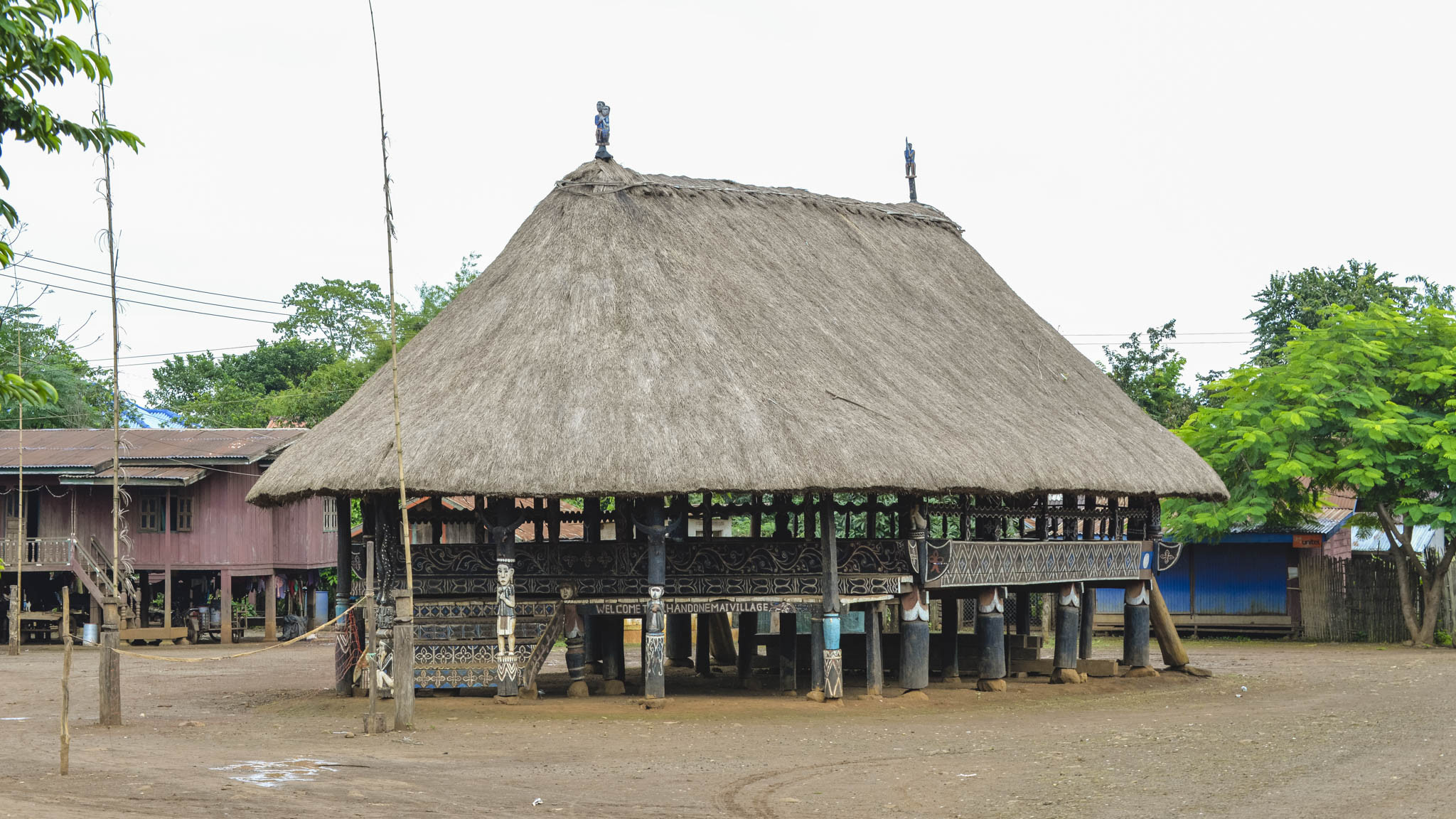
Historically, Sekong has been home to various ethnic minority groups, including the Alak, Katu, Tarieng, and Nge communities. These groups have preserved their traditional lifestyles, languages, customs, and handicrafts for generations, contributing to the province’s rich cultural diversity. Due to its remote location and rugged terrain, Sekong remained relatively isolated throughout much of its history, helping maintain its authentic character and unique traditions.
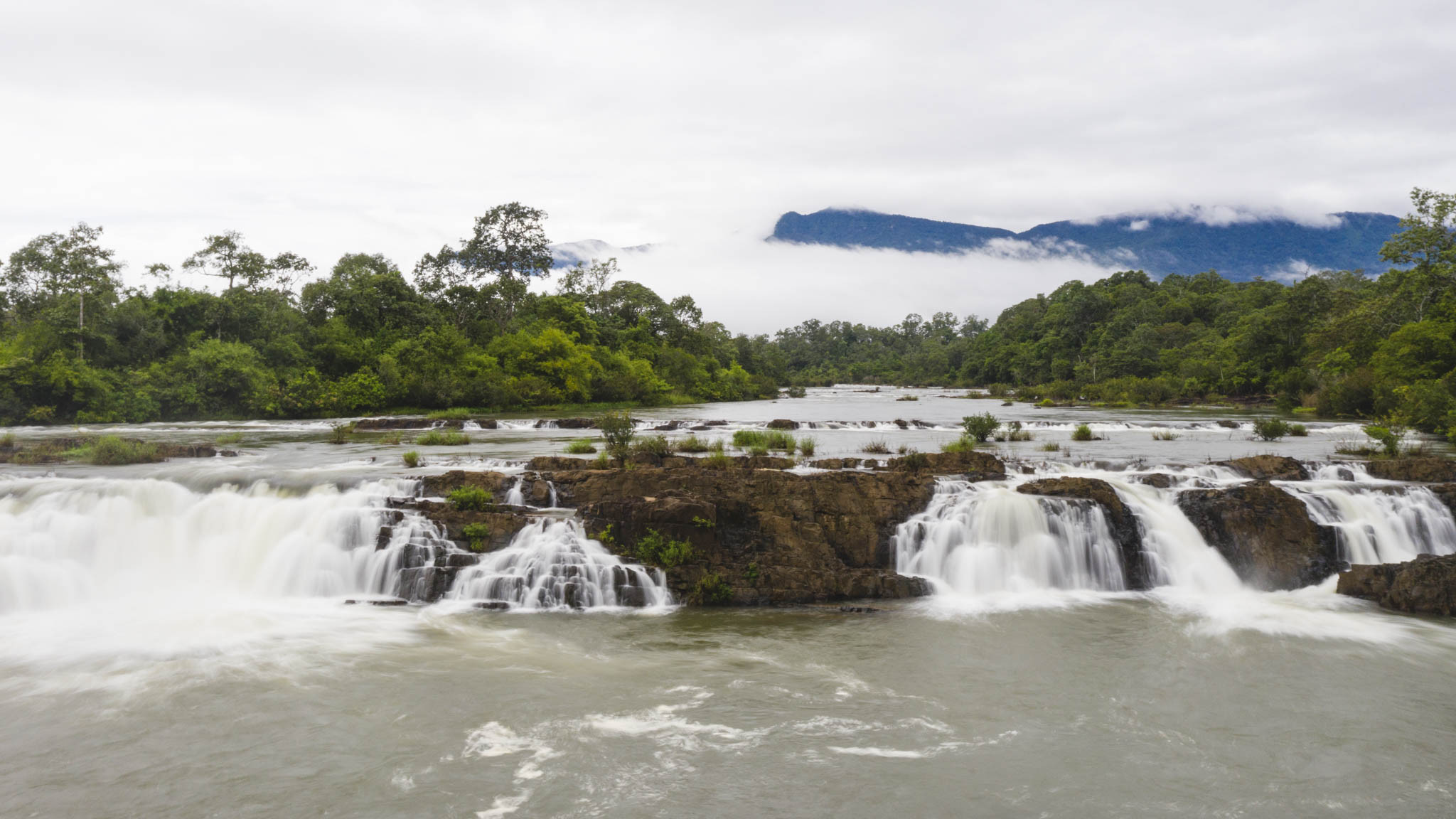
The province is known for its spectacular natural beauty. Dense forests, protected areas, mountain ranges, and river valleys provide important habitats for wildlife and offer excellent opportunities for eco-tourism. The Sekong River, which flows through the province, plays a vital role in local life and creates stunning scenery throughout the region. Visitors can explore remote villages, discover waterfalls hidden within the forests, and experience the peaceful atmosphere that defines rural southeastern Laos.
Nature enthusiasts can enjoy trekking, birdwatching, photography, and cultural excursions to ethnic communities. The province’s untouched environment makes it particularly attractive for travelers interested in sustainable and responsible tourism.
Combining cultural richness, natural beauty, and authentic local experiences, Sekong Province offers a unique opportunity to explore one of Laos’ most unspoiled destinations. It remains an excellent choice for visitors seeking adventure, cultural immersion, and off-the-beaten-path travel experiences.