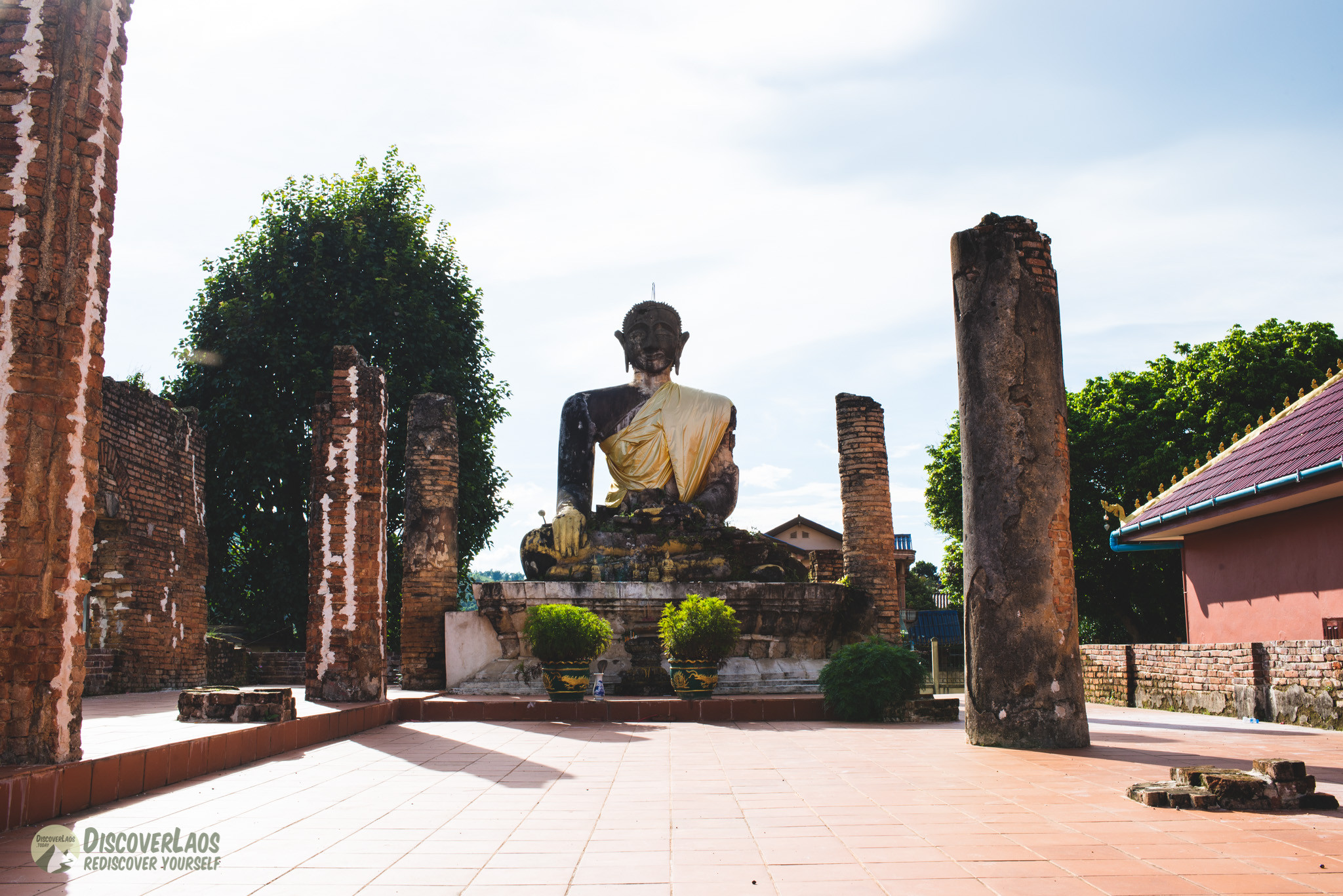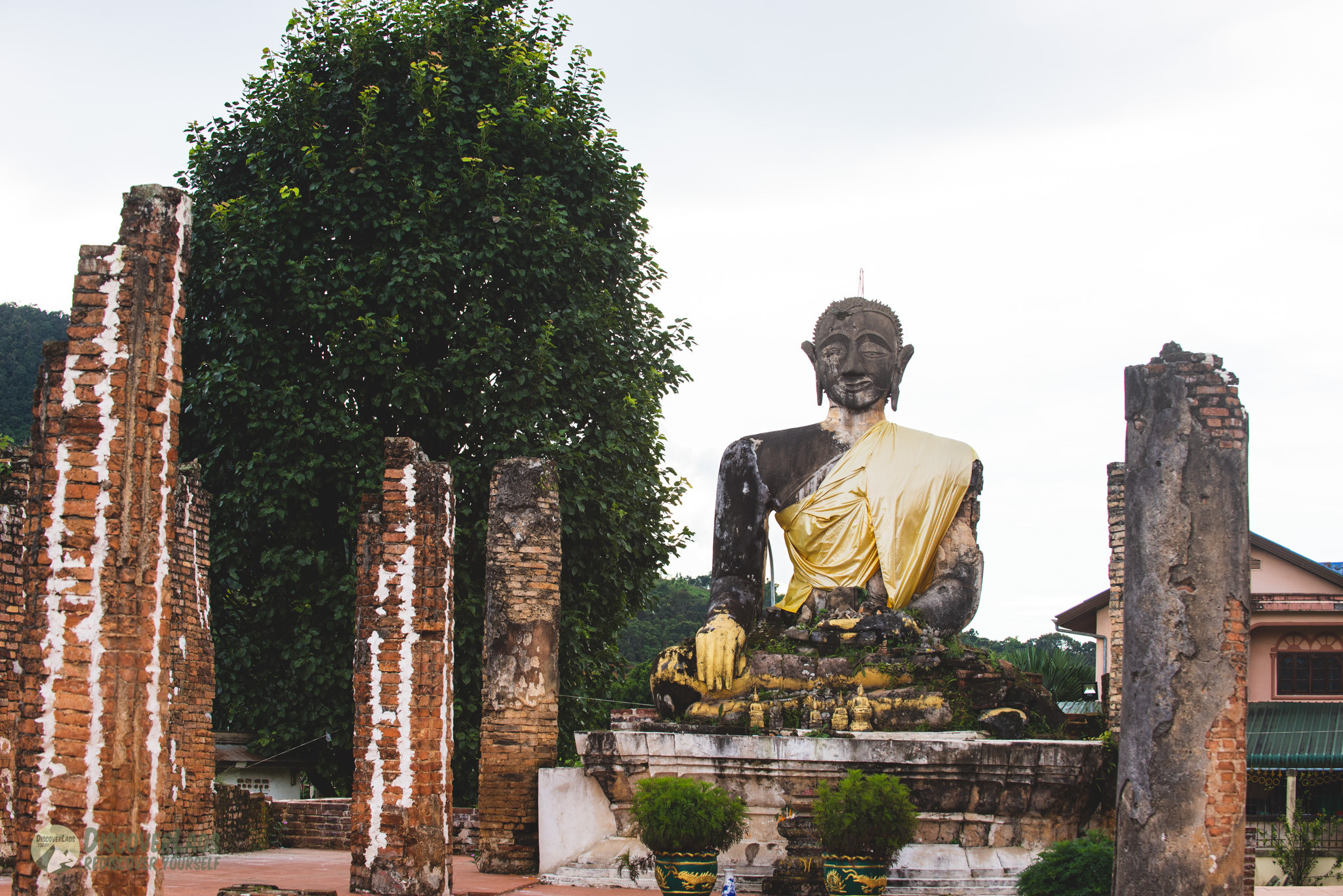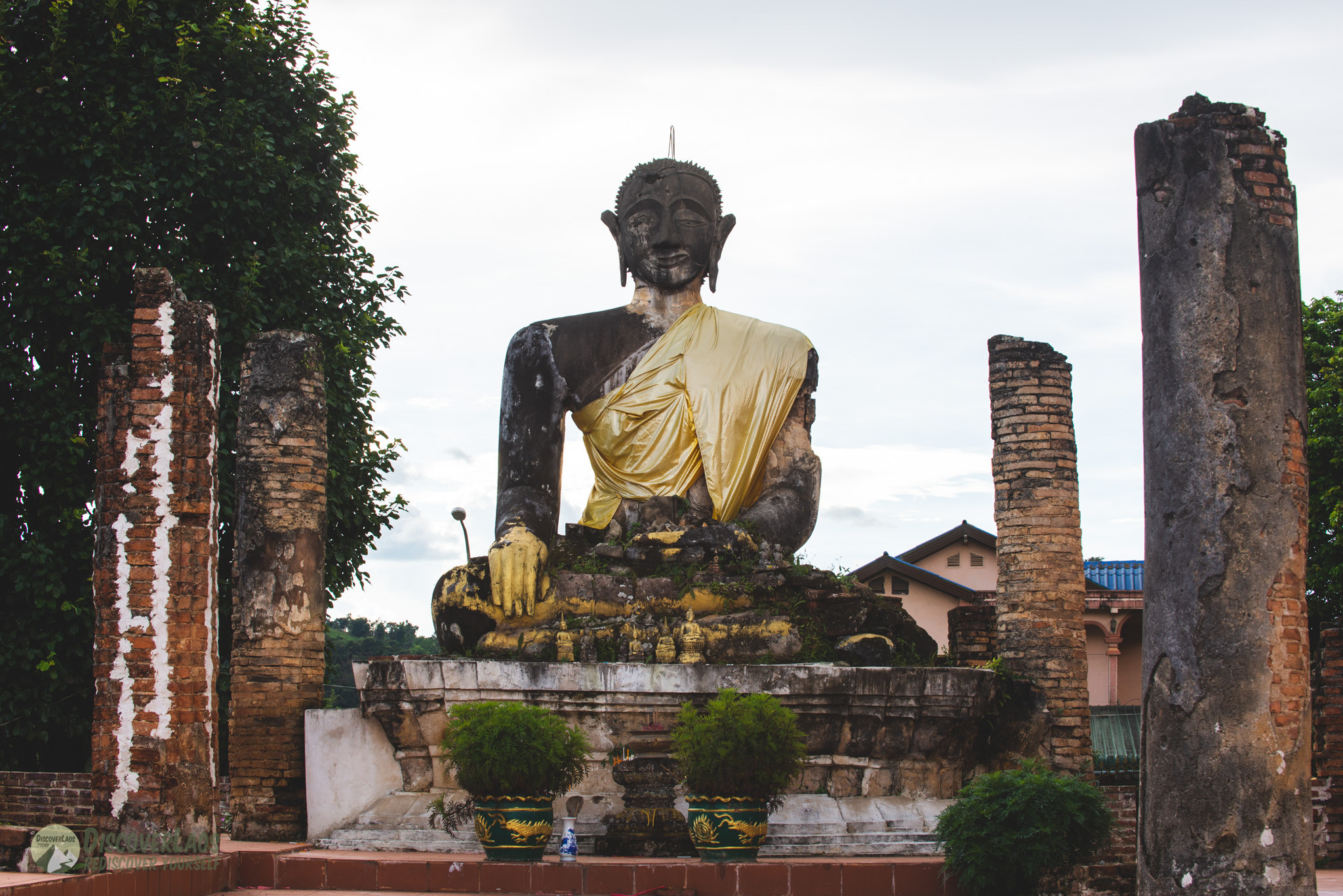
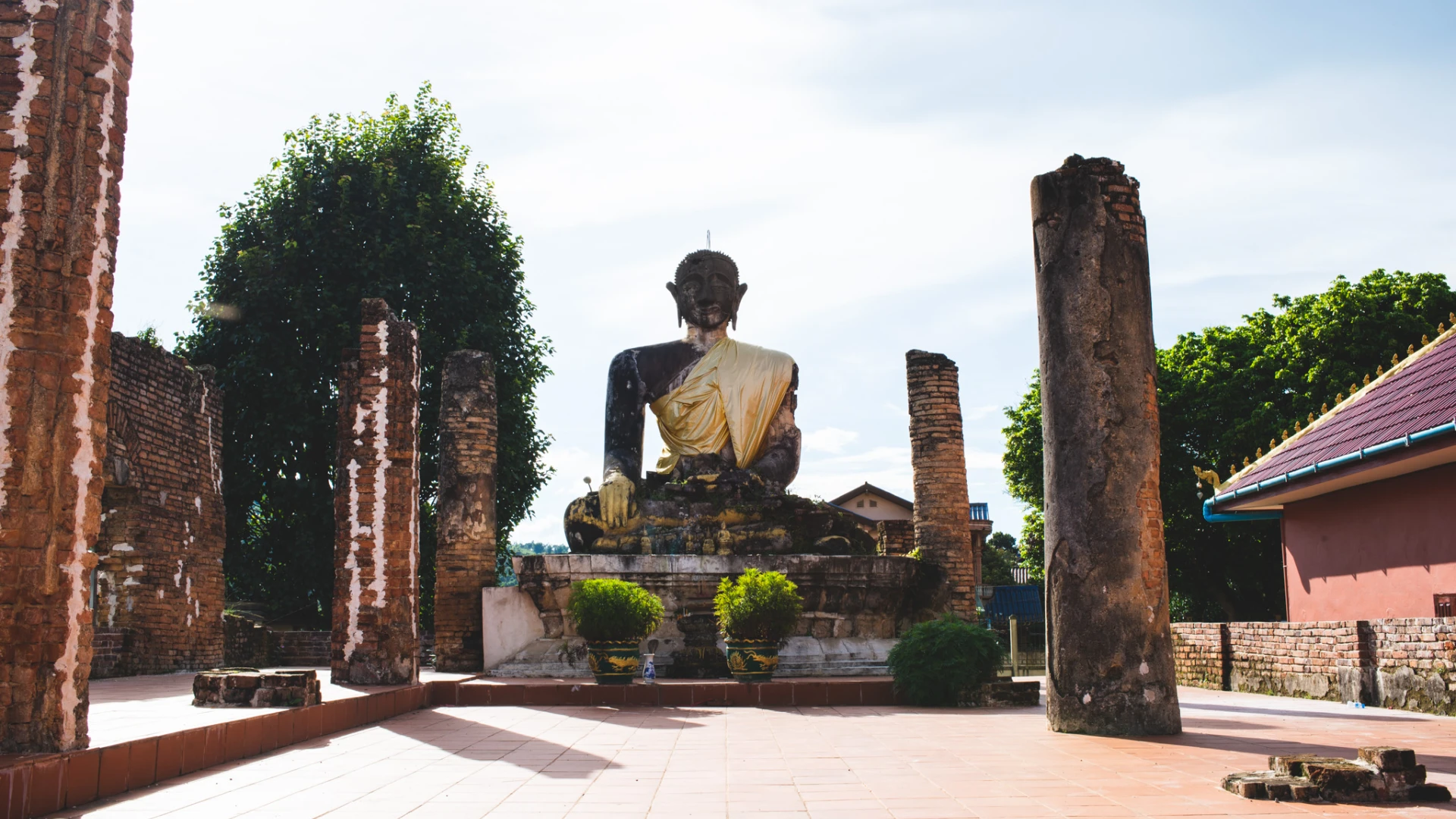
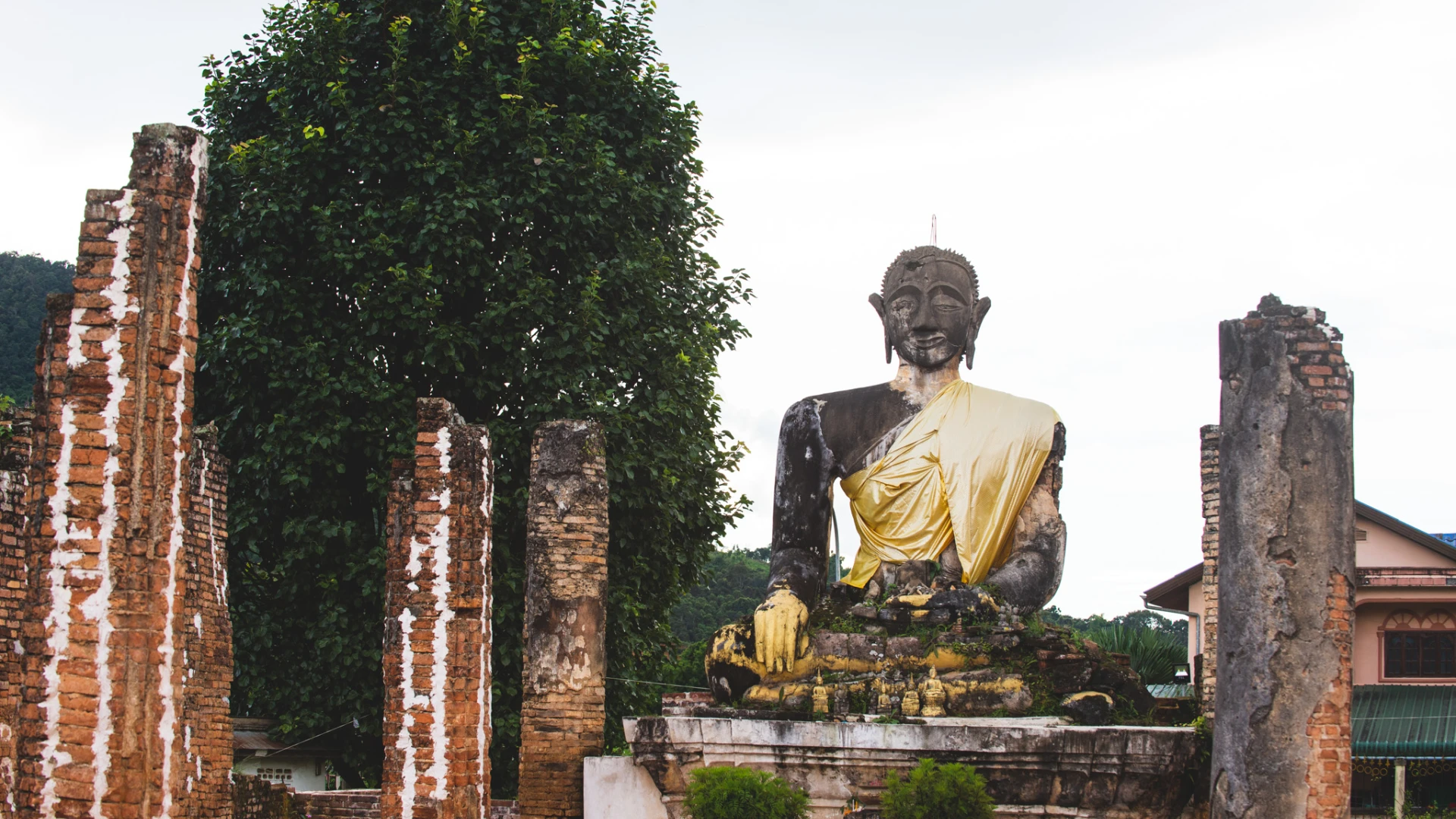
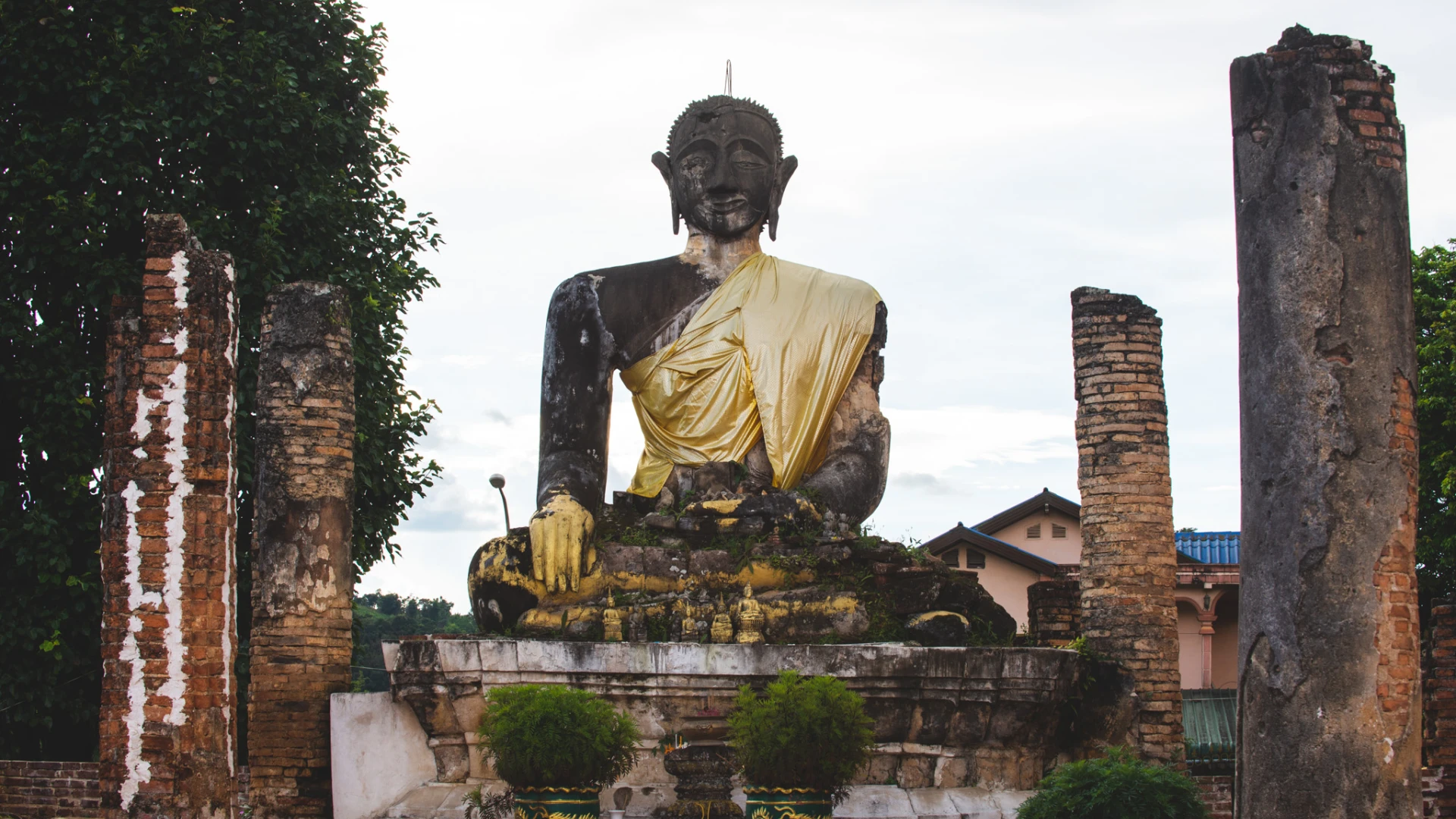
Wat Phia Wat (also spelled Vat Phiavat, Wat Pia Vat, or Phiavat Temple) is one of the most important historical and religious landmarks in Xiangkhouang Province. Located near the center of Phonsavan, the temple is best known for its remarkable Buddha statue that survived extensive bombing during the Indochina War, making it a powerful symbol of resilience, faith, and the enduring spirit of the Lao people.
The temple was originally built several centuries ago and served as a significant Buddhist monastery for the local community. During the heavy aerial bombardments that affected Xiangkhouang Province between the 1960s and early 1970s, much of the temple complex was destroyed. However, the large seated Buddha statue remarkably remained standing despite the devastation around it. Today, this surviving Buddha has become an iconic image of Xiangkhouang and an important reminder of the province's wartime history.
Visitors to Wat Phia Wat can explore the reconstructed temple grounds, which combine religious significance with historical remembrance. The peaceful atmosphere allows travelers to appreciate both the spiritual importance of the site and its role in preserving the memory of a difficult period in Lao history.
The temple grounds feature traditional Lao Buddhist architecture, prayer areas, gardens, and monuments. Local residents continue to visit the temple regularly to make merit, pray, and participate in religious ceremonies. During important Buddhist festivals and Lao New Year celebrations, the temple becomes a gathering place for the community.
One of the highlights for visitors is the opportunity to see the famous seated Buddha statue that survived the war. The contrast between the reconstructed structures and the historic Buddha serves as a poignant reminder of both destruction and renewal. Many travelers include Wat Phia Wat as part of a cultural itinerary alongside the nearby Plain of Jars and Tham Piew Cave.
Today, Wat Phia Wat stands as both an active place of worship and a significant historical landmark, offering visitors insight into the religious traditions, resilience, and history of Xiangkhouang Province.
Opening Hours
- Daily: 06:00 AM – 06:00 PM
- Best time to visit:
- Early morning for a peaceful atmosphere and local religious activities.
- Late afternoon for comfortable temperatures and photography.
Highlights
- Historic Buddhist temple in Phonsavan.
- Home to the famous Buddha statue that survived wartime bombing.
- Important religious and historical landmark.
- Peaceful temple grounds and gardens.
- Active place of worship for local residents.
- Insight into Xiangkhouang's wartime history and recovery.
- Excellent cultural and photography destination.
- Often included in tours of the Plain of Jars region.
Visitor Tips
- Dress modestly and respectfully.
- Remove shoes before entering temple buildings.
- Ask permission before photographing monks or worshippers.
- Combine your visit with the Plain of Jars and other nearby historical sites.
- Visit during Buddhist festivals for a more vibrant cultural experience.