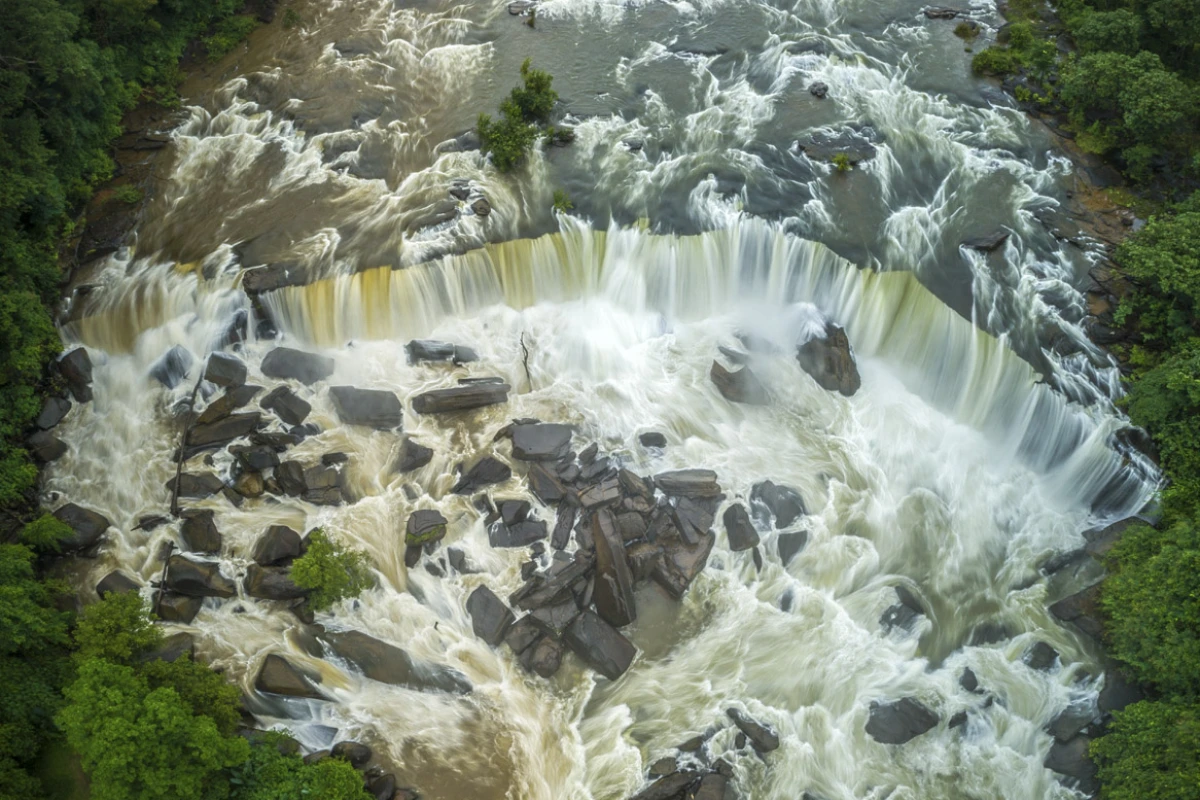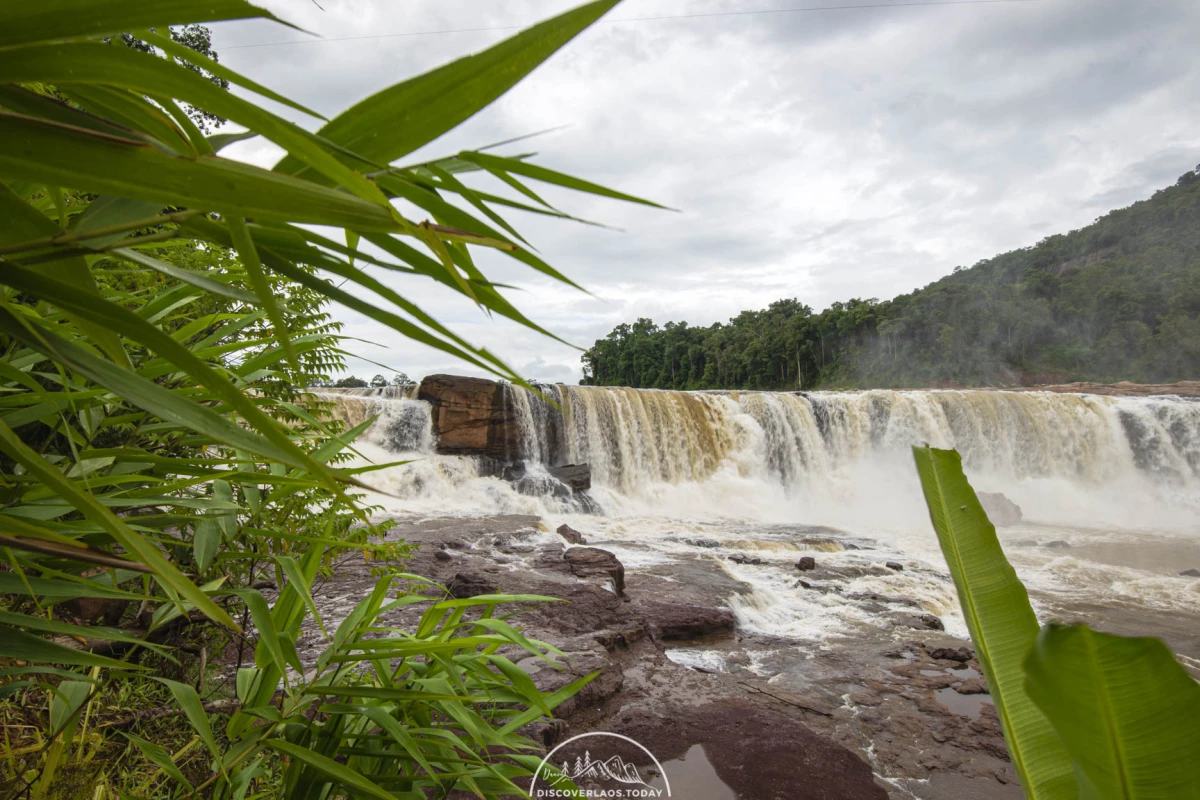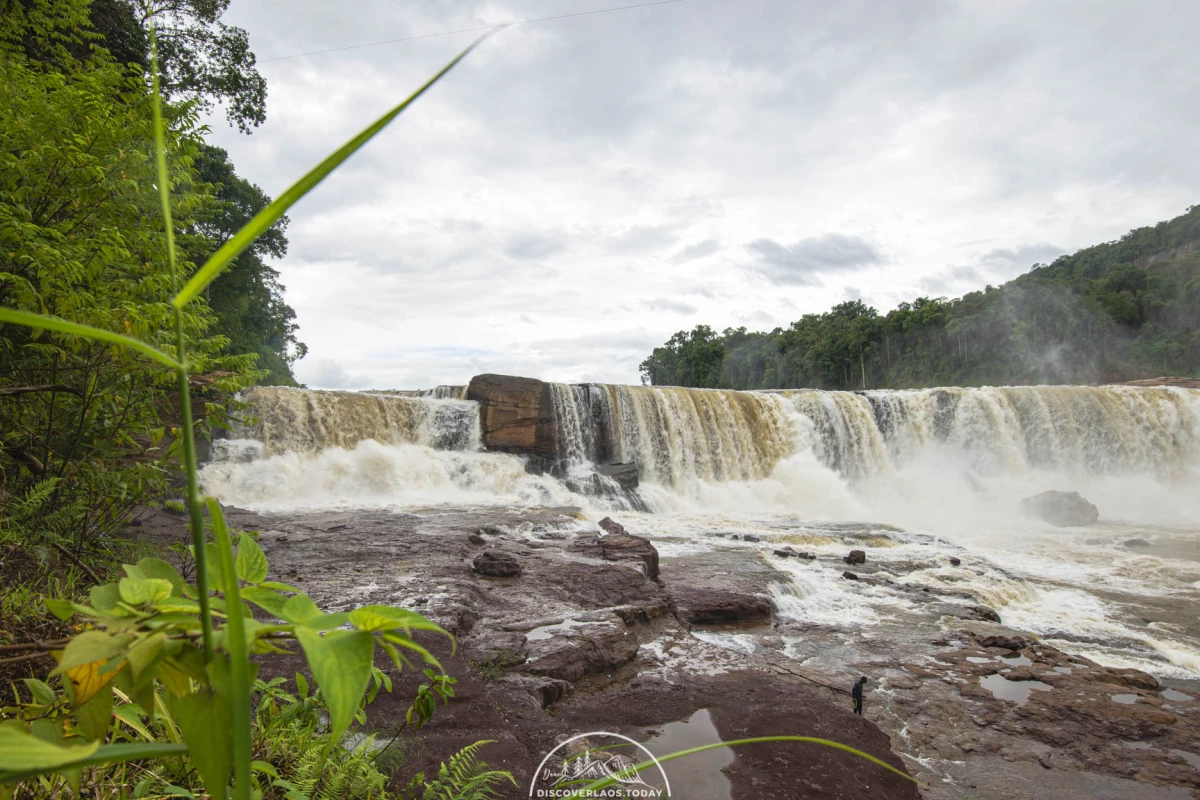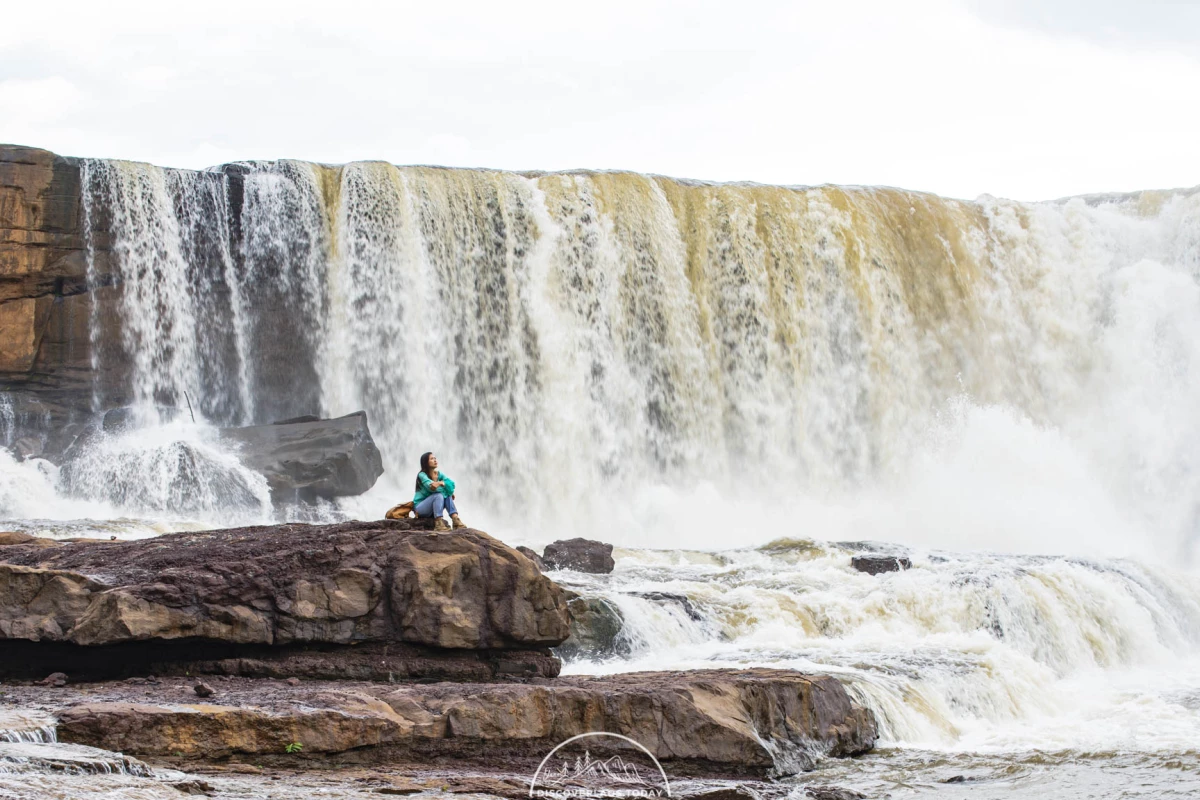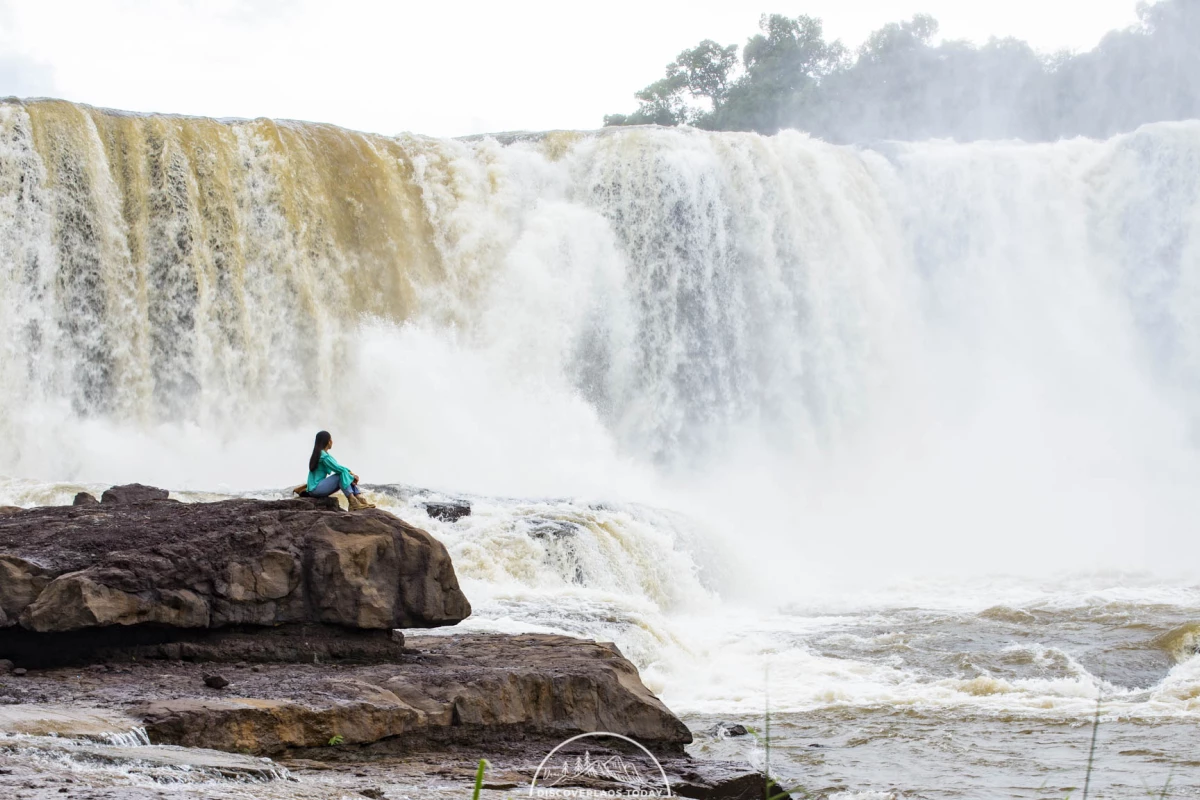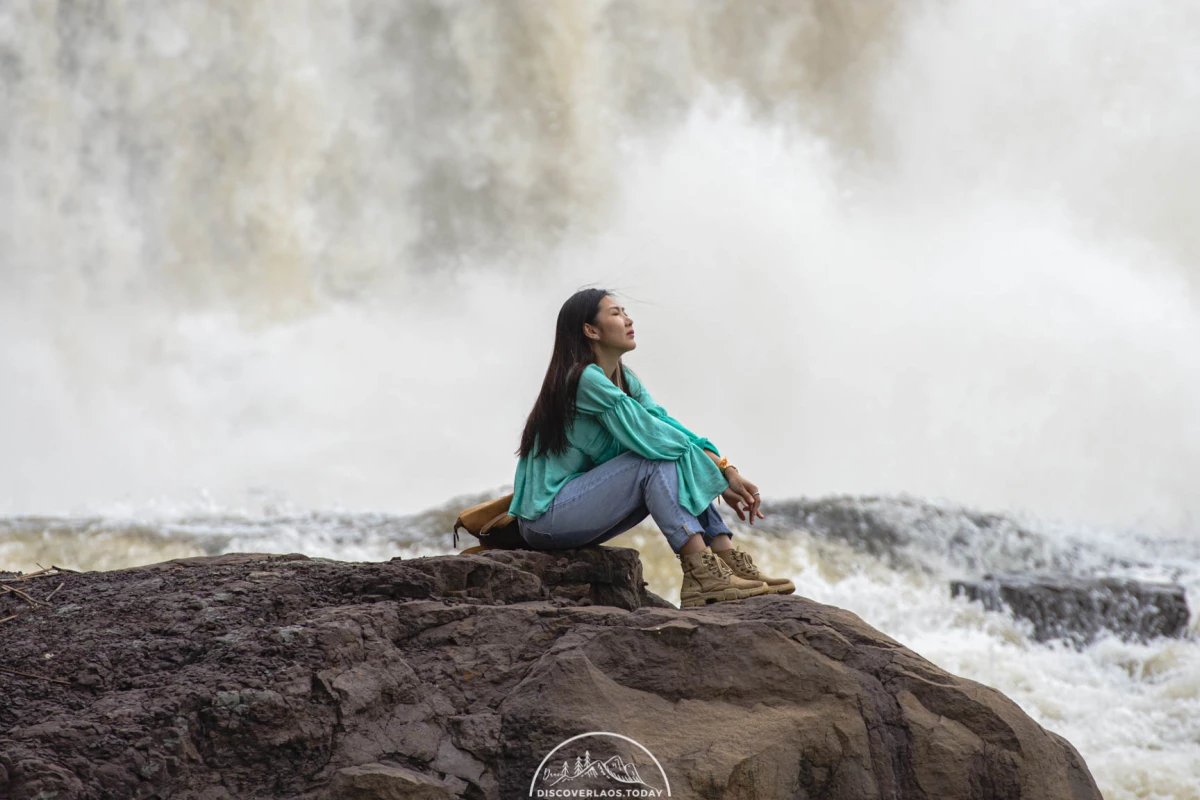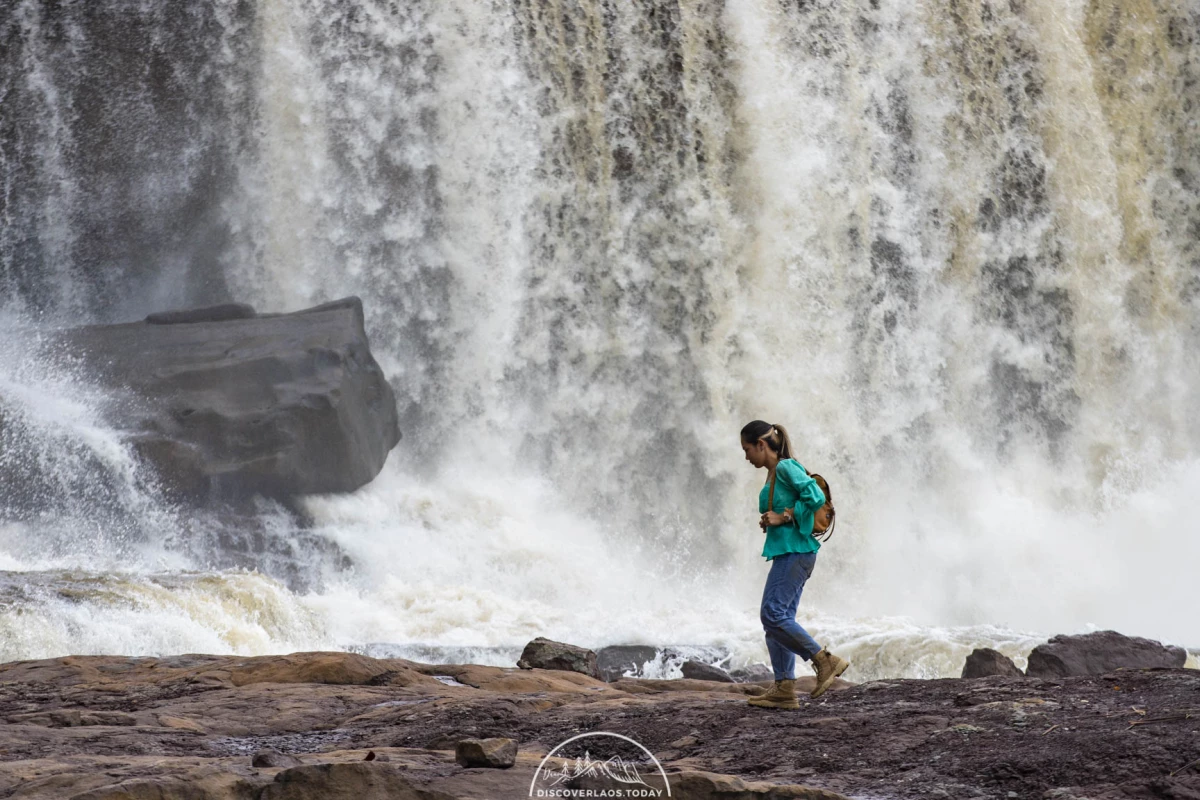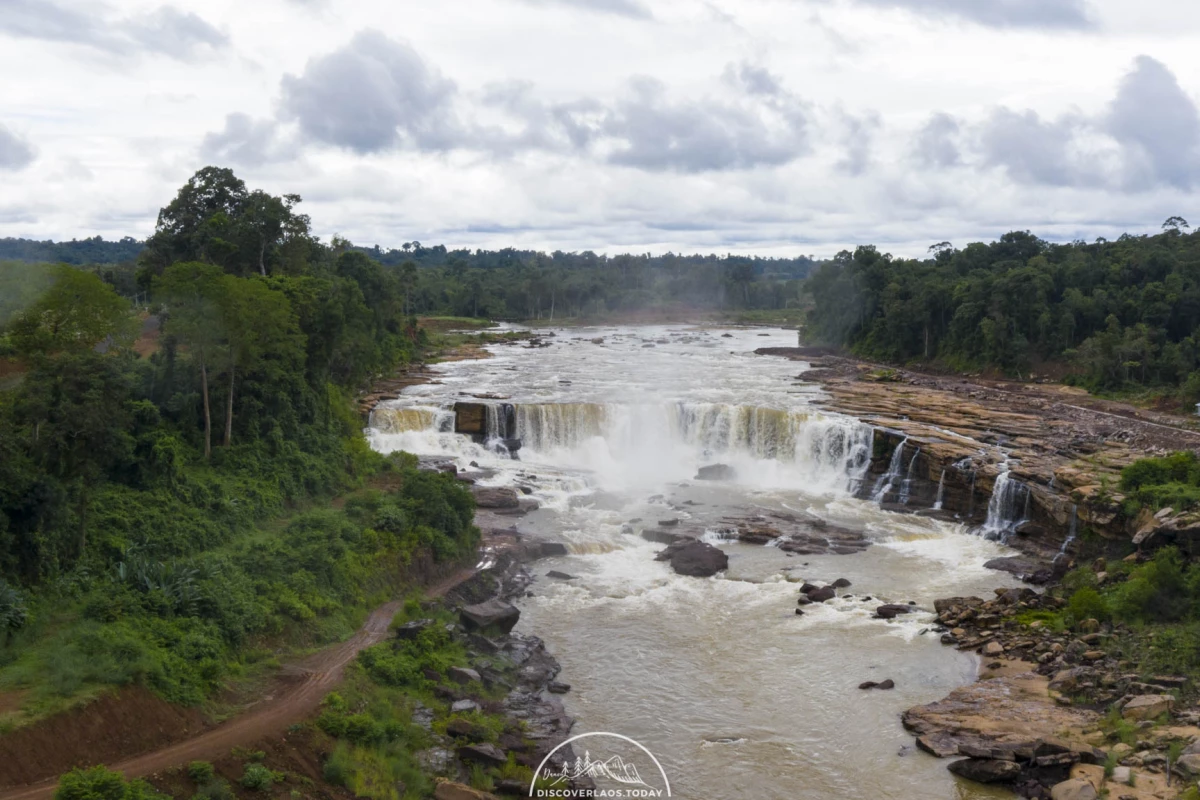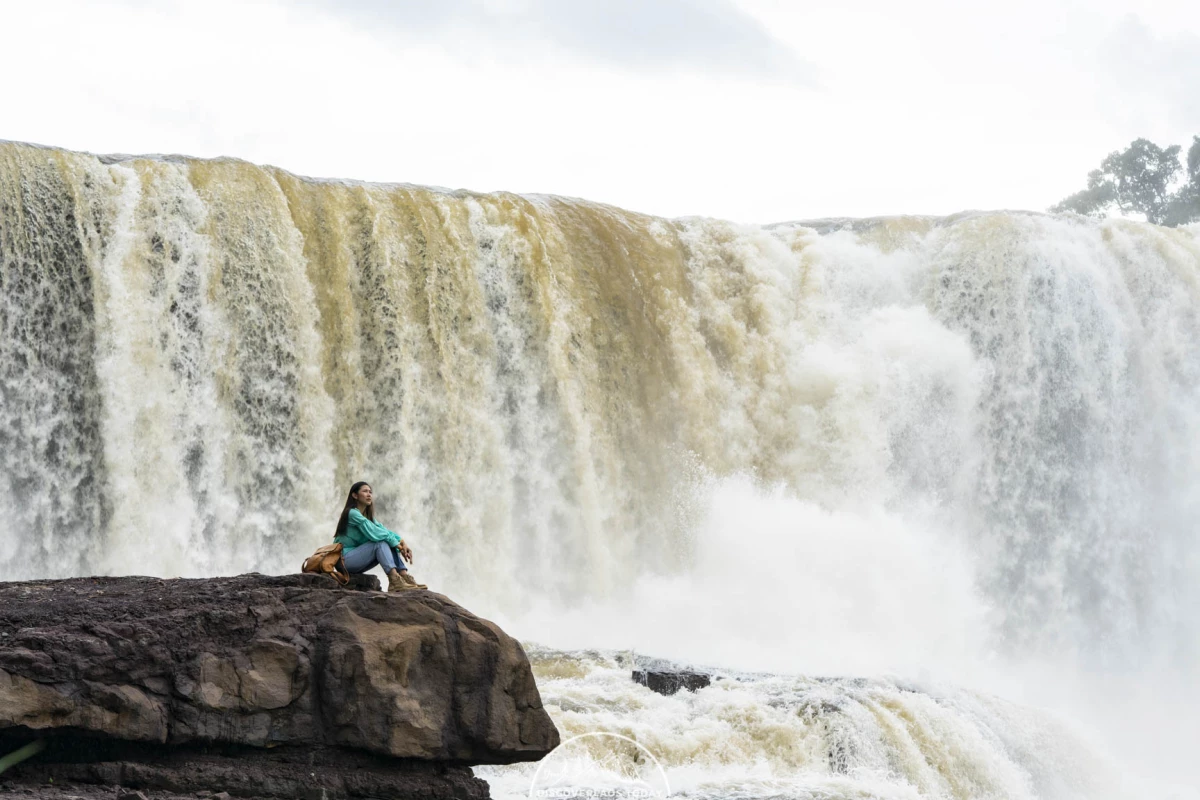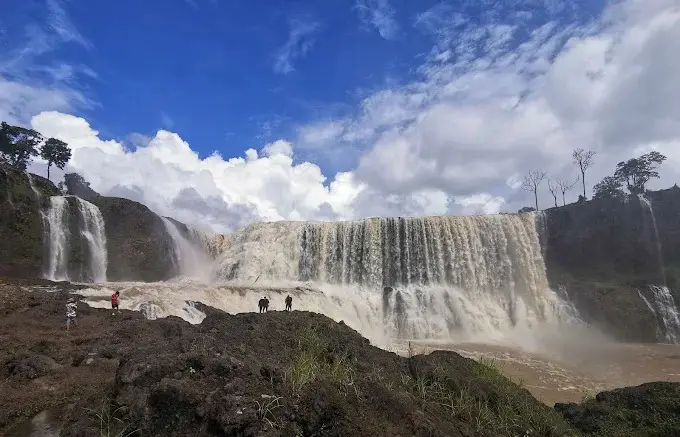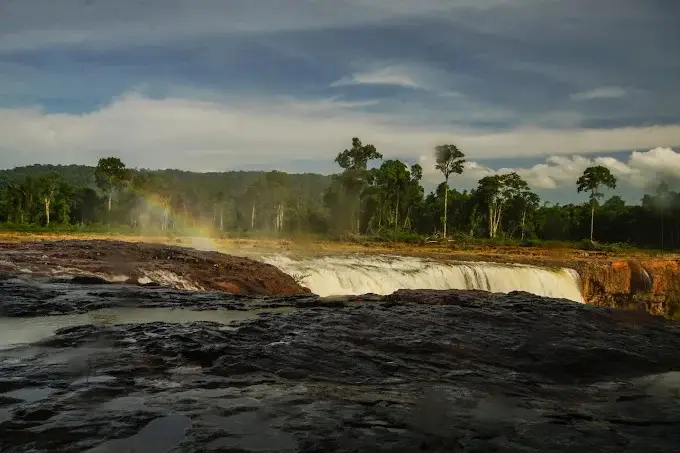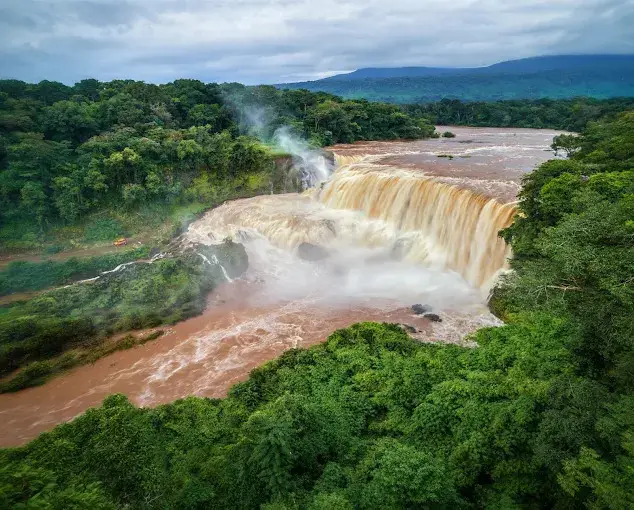
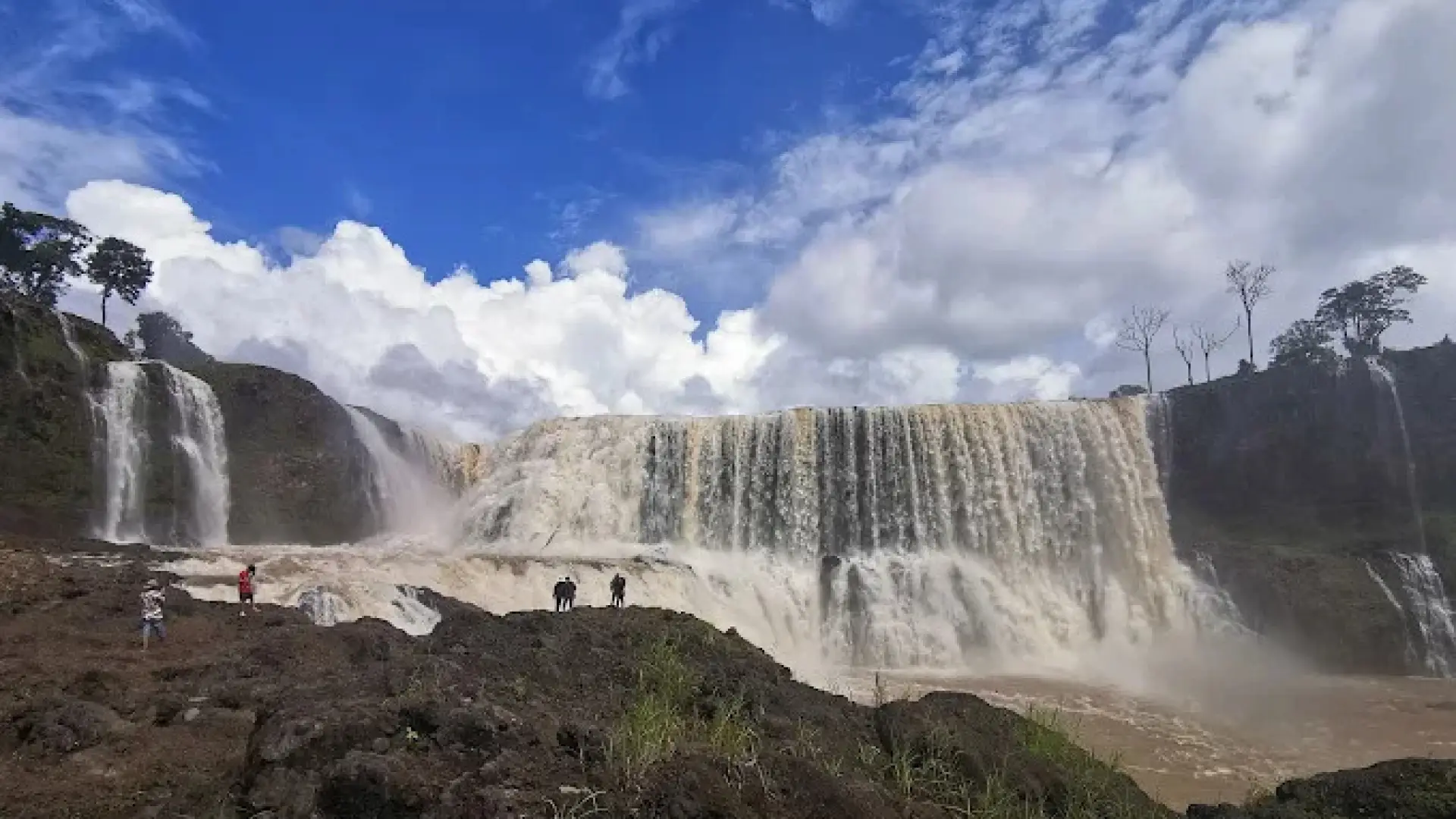
Tad Xe Pong Lai is one of the lesser-known yet beautiful waterfalls hidden within the remote natural landscapes of Attapeu Province in southern Laos. Nestled among dense forests, rivers, and rolling hills, the waterfall offers visitors a peaceful retreat away from the country's more frequently visited tourist destinations. Its secluded location and pristine surroundings make it particularly appealing to nature lovers, photographers, and adventurous travelers seeking authentic experiences in southeastern Laos.
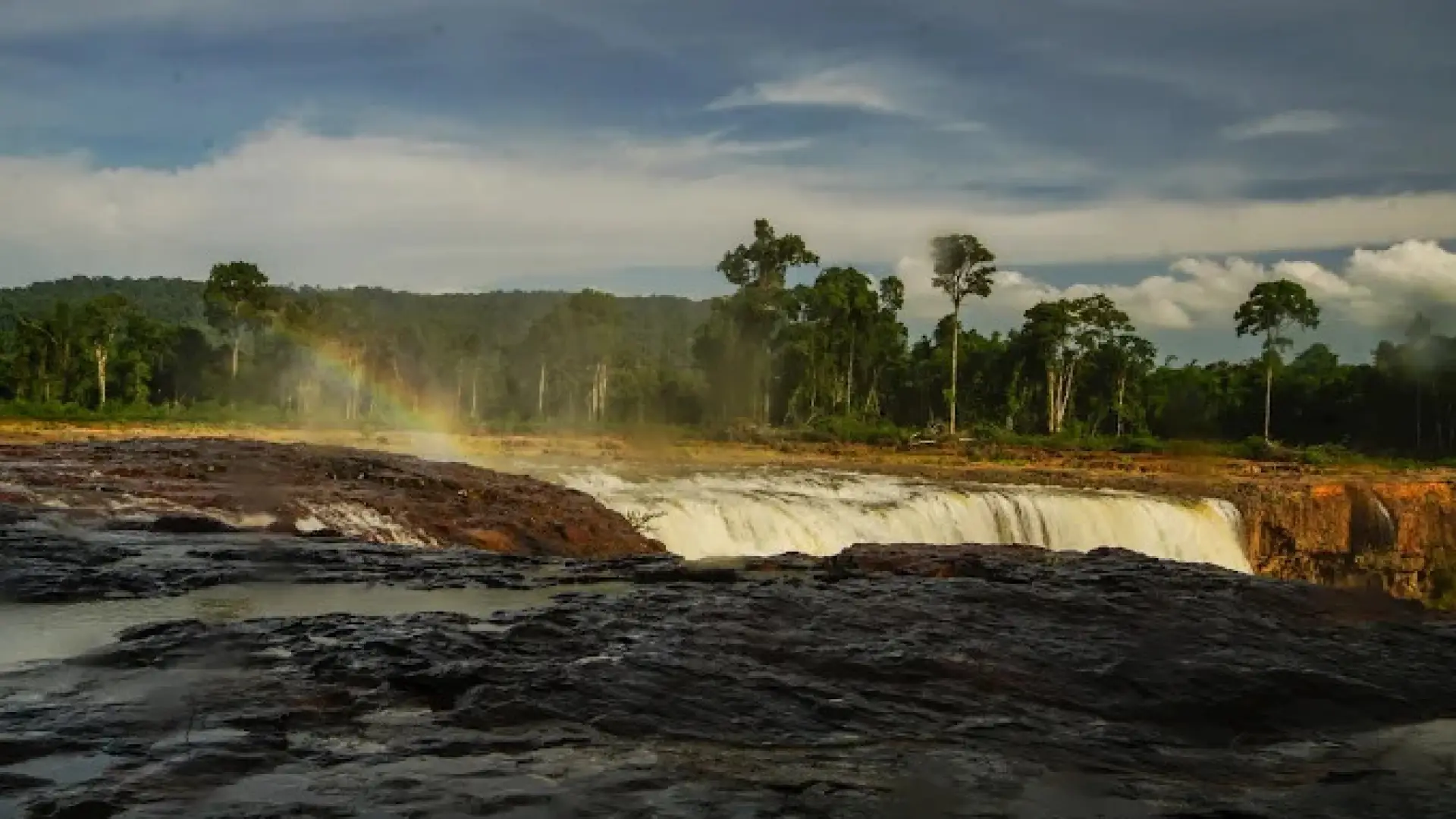
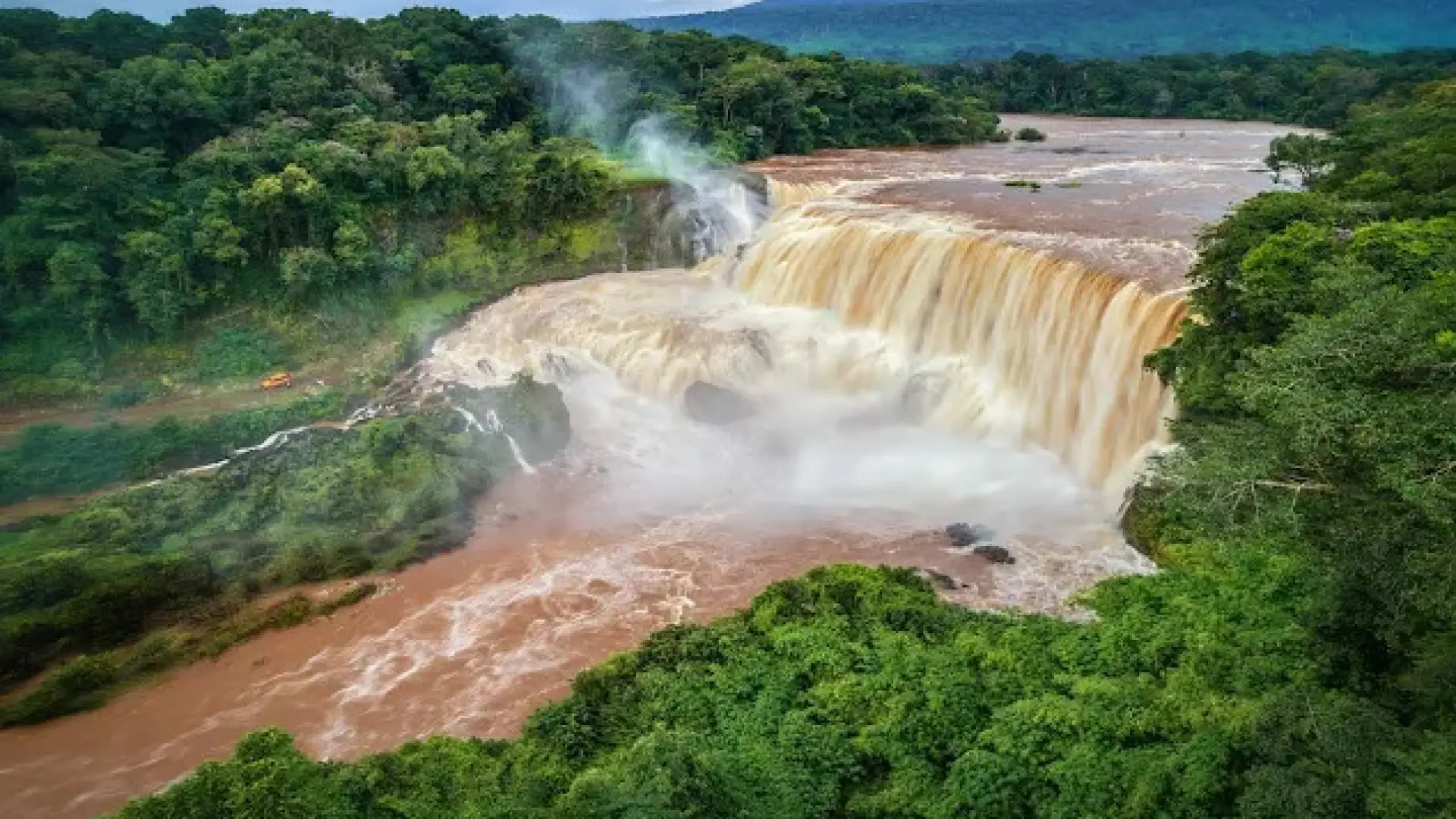
The waterfall is formed by a tributary within the extensive river systems that flow through Attapeu Province, a region famous for its untouched wilderness, biodiversity, and dramatic landscapes. Like many waterfalls in the province, Tad Xe Pong Lai becomes especially impressive during the rainy season when increased rainfall transforms the cascade into a powerful curtain of rushing water. During the dry season, the flow becomes gentler, revealing rock formations, shallow pools, and tranquil surroundings ideal for relaxation and photography.
The area around Tad Xe Pong Lai is characterized by lush tropical vegetation and rich biodiversity. Visitors may encounter a variety of bird species, butterflies, and other wildlife that thrive within the forests of Attapeu. The waterfall also serves as an excellent destination for eco-tourism and nature exploration, allowing travelers to experience one of Laos' least-developed and most scenic provinces.
One of the highlights of visiting Tad Xe Pong Lai is the journey itself. Access routes often pass through rural villages, agricultural landscapes, and forested areas where visitors can observe traditional lifestyles and enjoy the unspoiled beauty of southern Laos. The surrounding countryside provides numerous opportunities for photography and cultural encounters.
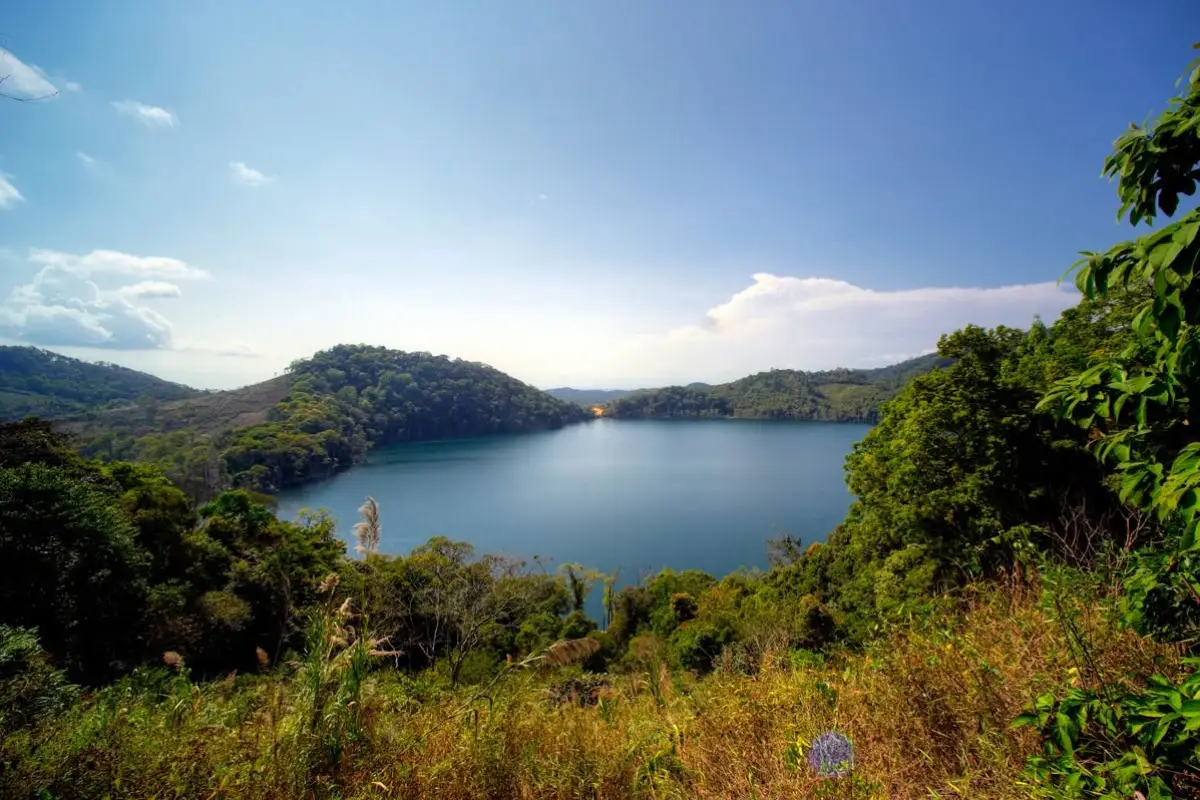
Attapeu Province is known for its network of rivers and waterfalls, including Tad Sae Pha, Tad Phapong, and the famous Nong Fa Lake area. Tad Xe Pong Lai is often included as part of broader nature and adventure itineraries exploring the province's waterfalls, forests, and protected areas. The peaceful atmosphere and absence of large crowds make it a rewarding destination for travelers looking to escape the busy tourist routes.
Although visitor facilities remain limited, this contributes to the waterfall's authentic and unspoiled character. Travelers who appreciate remote destinations and natural beauty will find Tad Xe Pong Lai to be one of Attapeu's hidden gems, offering a memorable experience in one of Laos' most beautiful wilderness regions.
Opening Hours
- Open daily: 06:00 AM – 06:00 PM
- Accessible year-round, weather permitting.
- Best time to visit:
- June to October for the strongest waterfall flow.
- November to February for cooler weather and comfortable exploration.
- Early morning and late afternoon for photography and wildlife viewing.
Highlights
- Beautiful hidden waterfall in Attapeu Province.
- Surrounded by pristine forests and natural landscapes.
- Peaceful and uncrowded destination.
- Excellent photography opportunities.
- Rich biodiversity and wildlife observation.
- Scenic countryside and village routes.
- Ideal for eco-tourism and adventure travel.
- Authentic off-the-beaten-path experience.
- Suitable for nature walks and exploration.
- One of Attapeu's lesser-known natural attractions.
Visitor Tips
- Wear sturdy walking shoes, especially during the rainy season.
- Bring drinking water, snacks, and sun protection.
- Carry insect repellent due to the forest environment.
- Visit during the wet season for the most dramatic waterfall views.
- Respect the natural environment and avoid leaving litter.
- Be cautious around wet rocks and riverbanks.
- Consider hiring a local guide if exploring remote areas.
- Bring a camera to capture the scenery and wildlife.
- Allow at least half a day for the excursion.
- Combine your visit with nearby waterfalls and natural attractions in Attapeu Province.
Location
Tad Xe Pong Lai is located in Attapeu Province in southeastern Laos, a region known for its forests, rivers, waterfalls, and protected natural areas. Due to its remote location, visitors are advised to arrange transportation locally and seek updated access information before traveling.