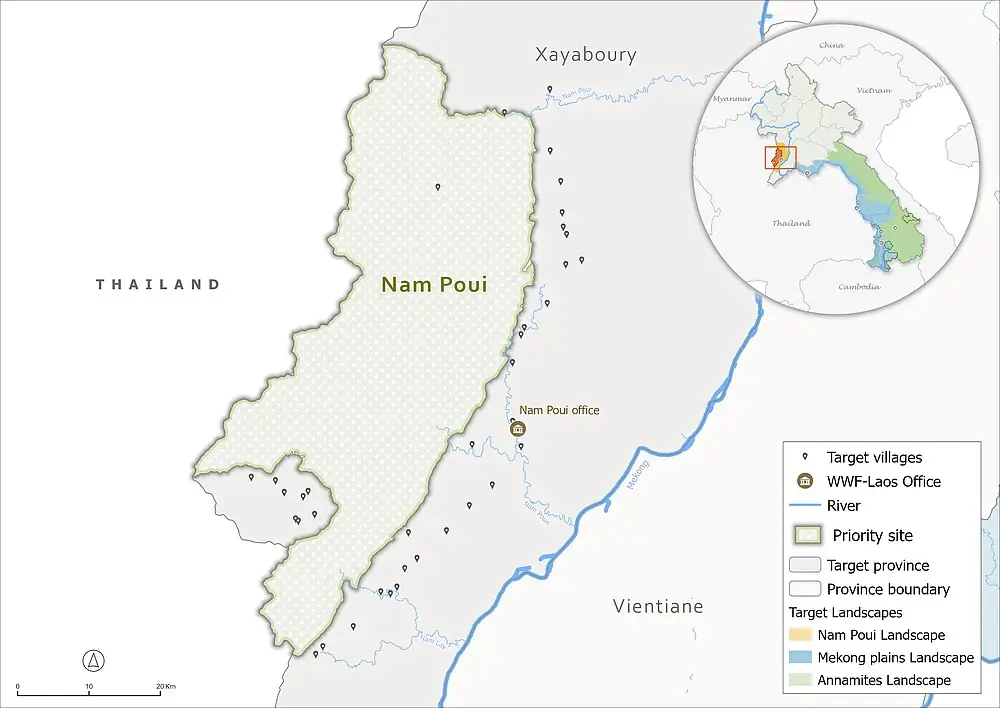

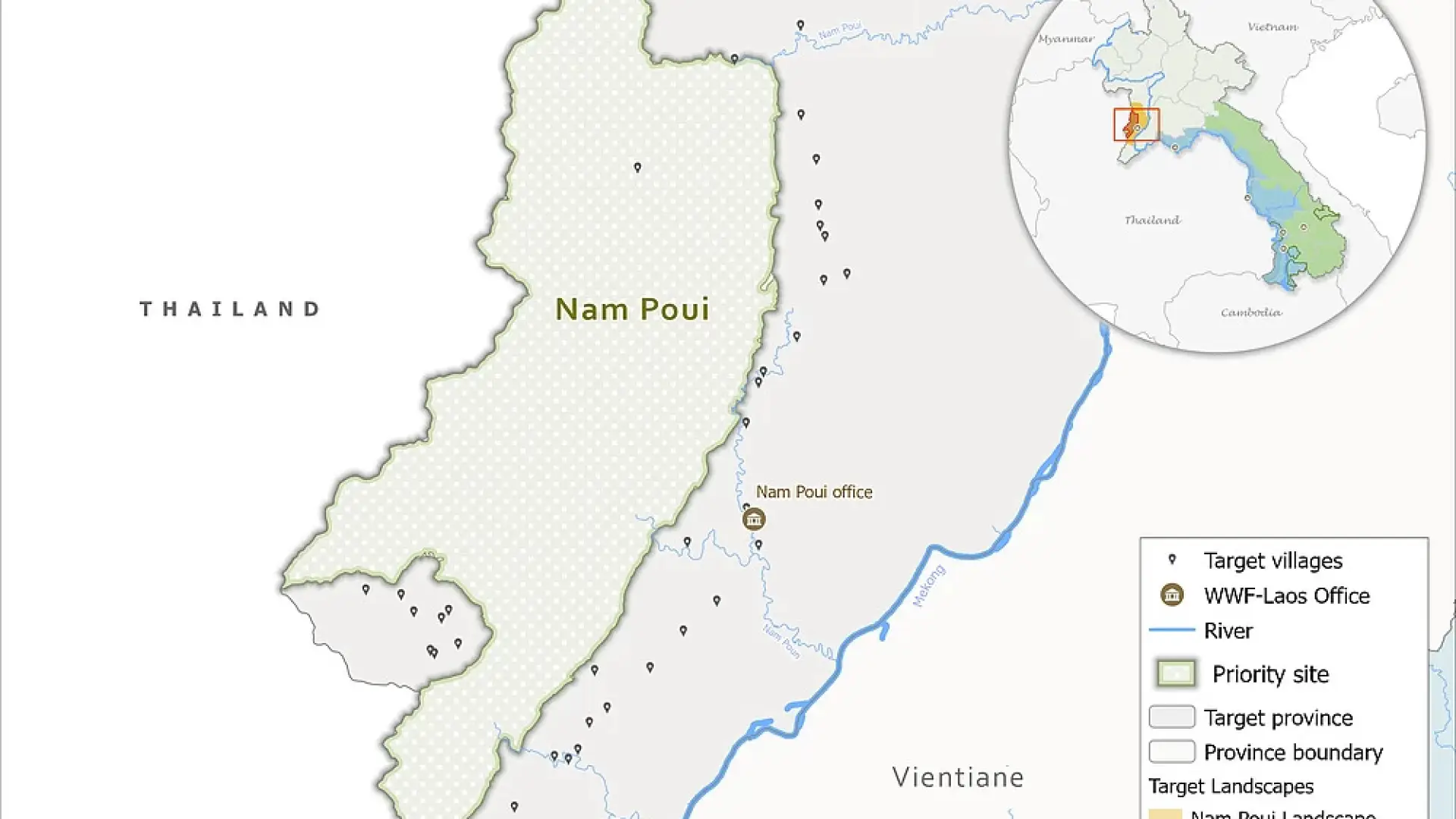
Nam Phouy National Biodiversity Conservation Area (also known as Nam Pouy National Protected Area) is one of Laos’ most important wildlife sanctuaries and among the country's largest protected areas. Established in 1993, the conservation area covers approximately 1,912 square kilometers of mountainous forests in Sayaboury Province along the border with Thailand. It is the only National Protected Area located west of the Mekong River and serves as a critical refuge for some of Southeast Asia’s most endangered wildlife.
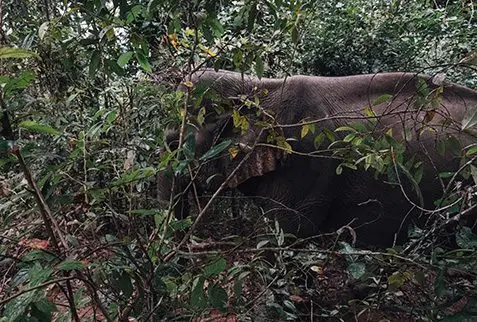
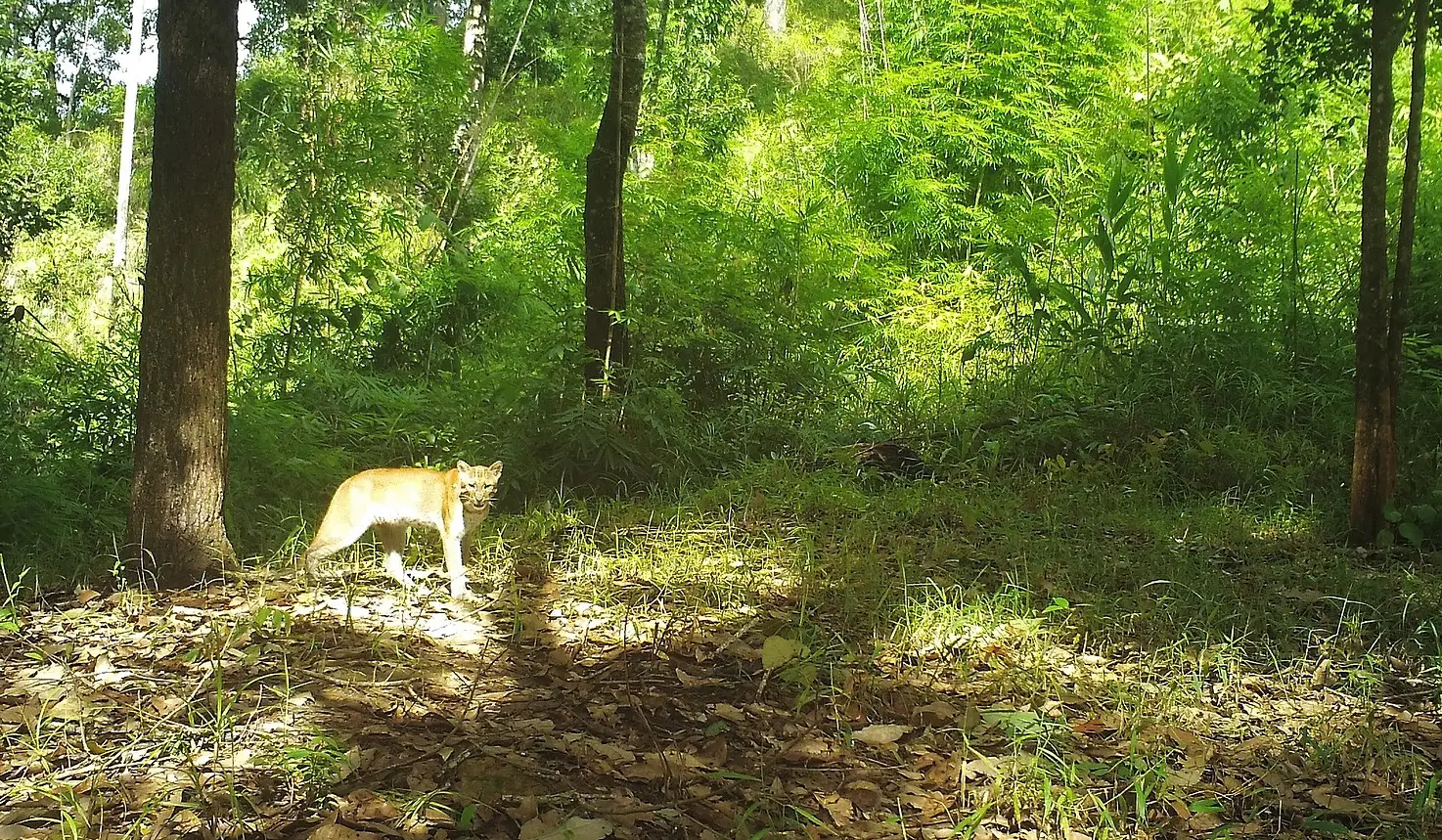
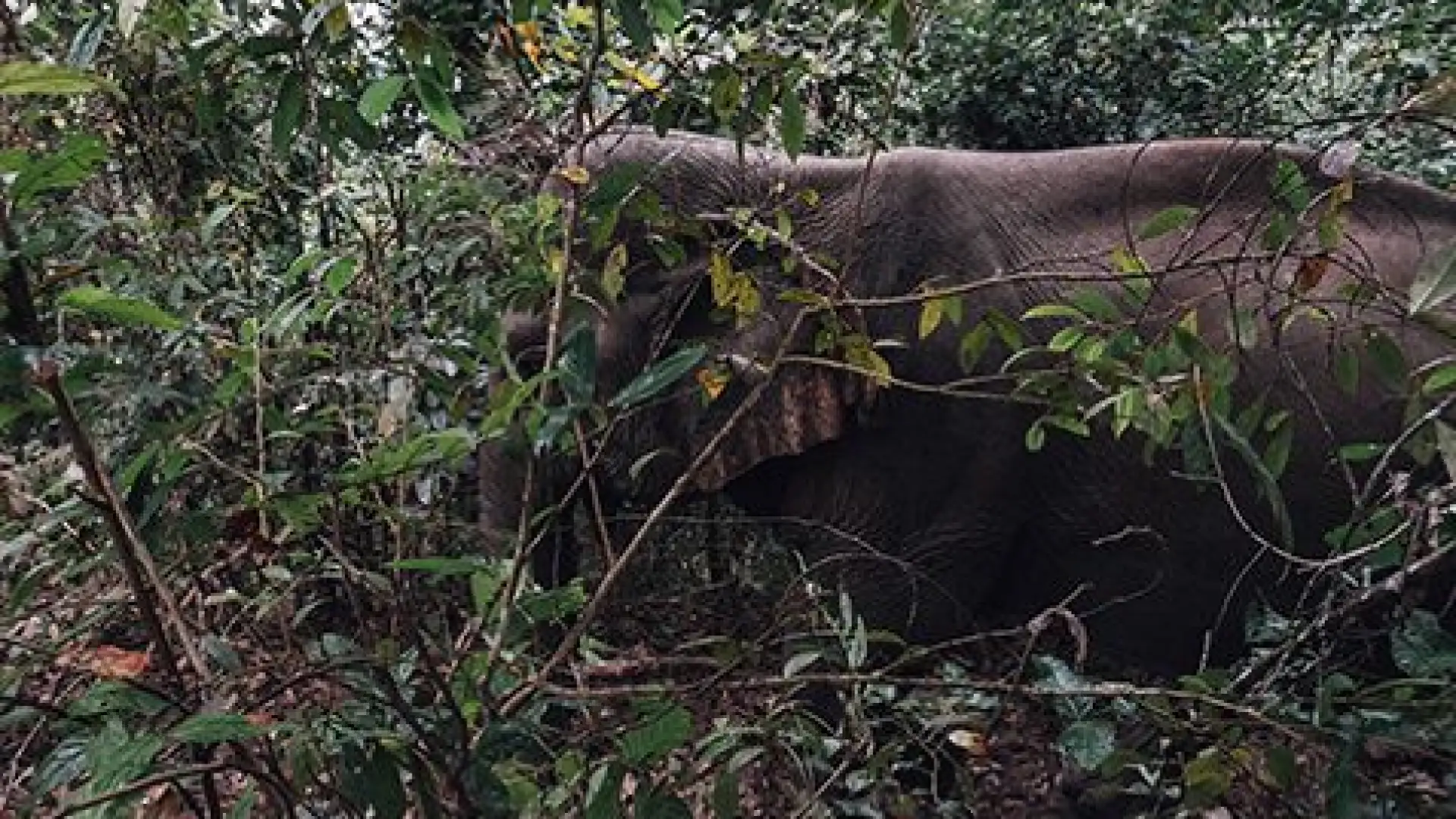
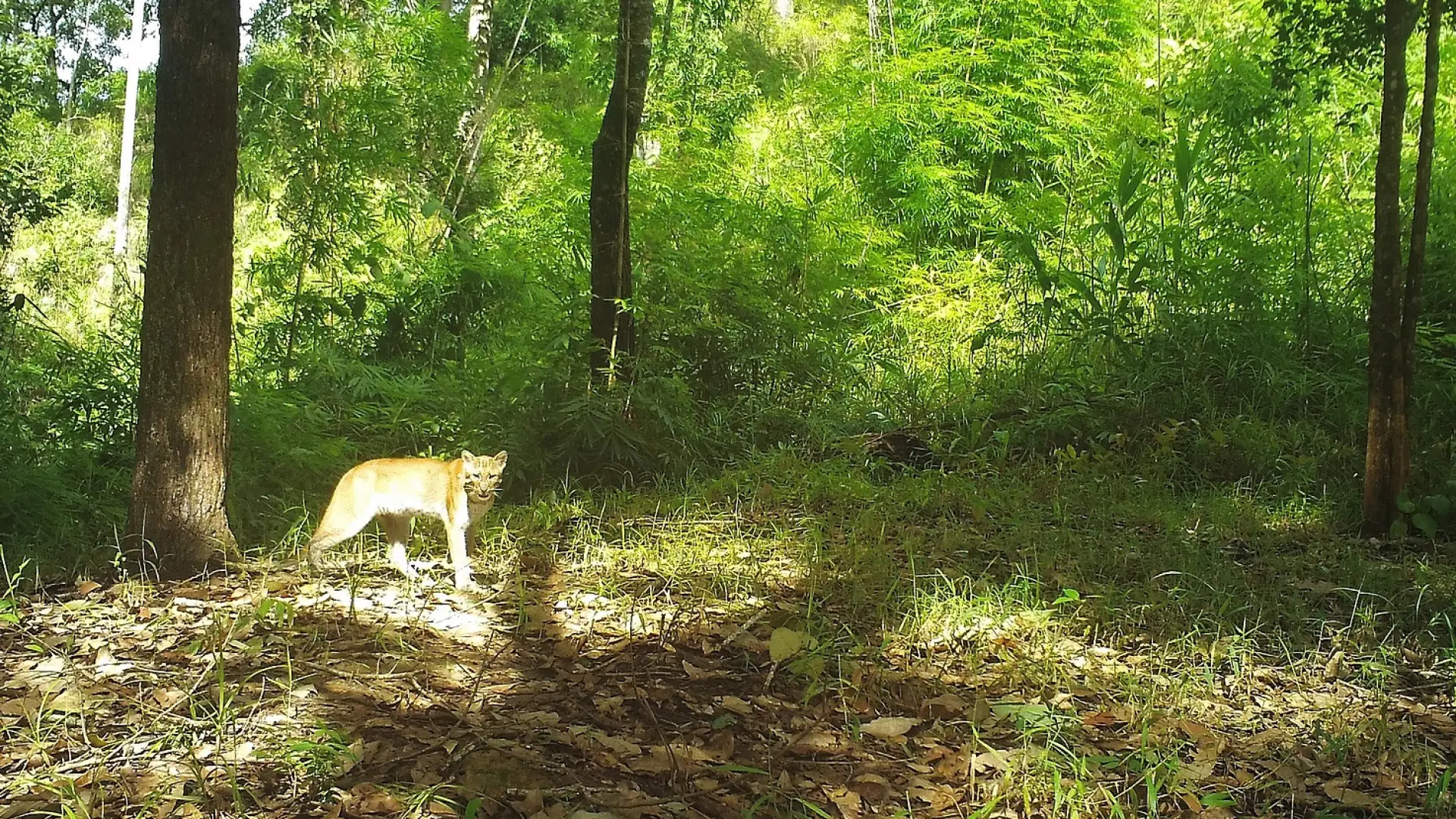
The protected area is internationally recognized as one of the last strongholds for wild Asian elephants in Laos. Conservation surveys have identified one of the country's largest remaining wild elephant populations living within its forests, making Nam Phouy a top priority for elephant conservation efforts. The area is also home to numerous other wildlife species, including gaur, Asiatic black bears, sun bears, clouded leopards, Asian golden cats, dholes, grey leaf monkeys, serows, and a rich diversity of birdlife.
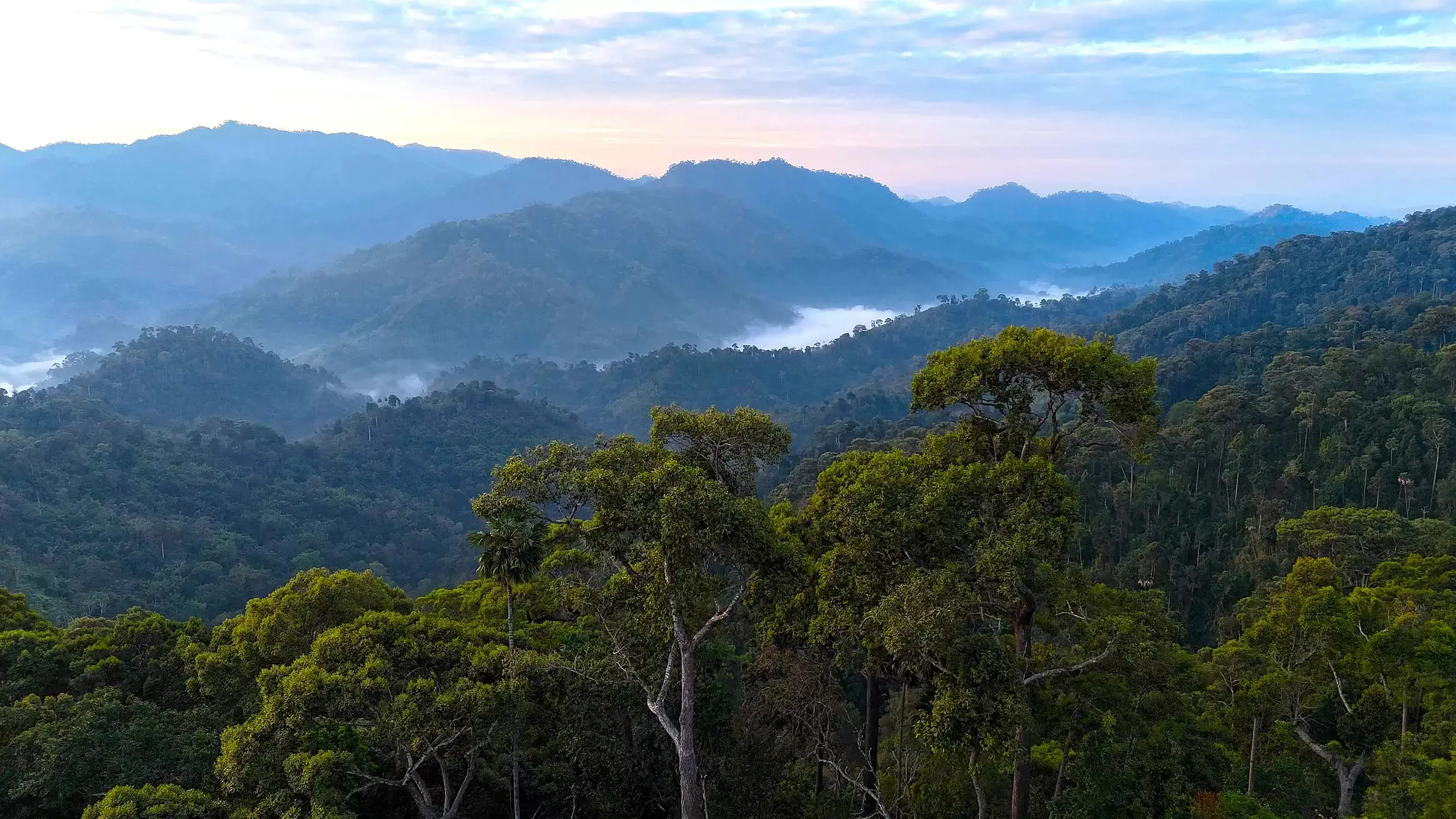
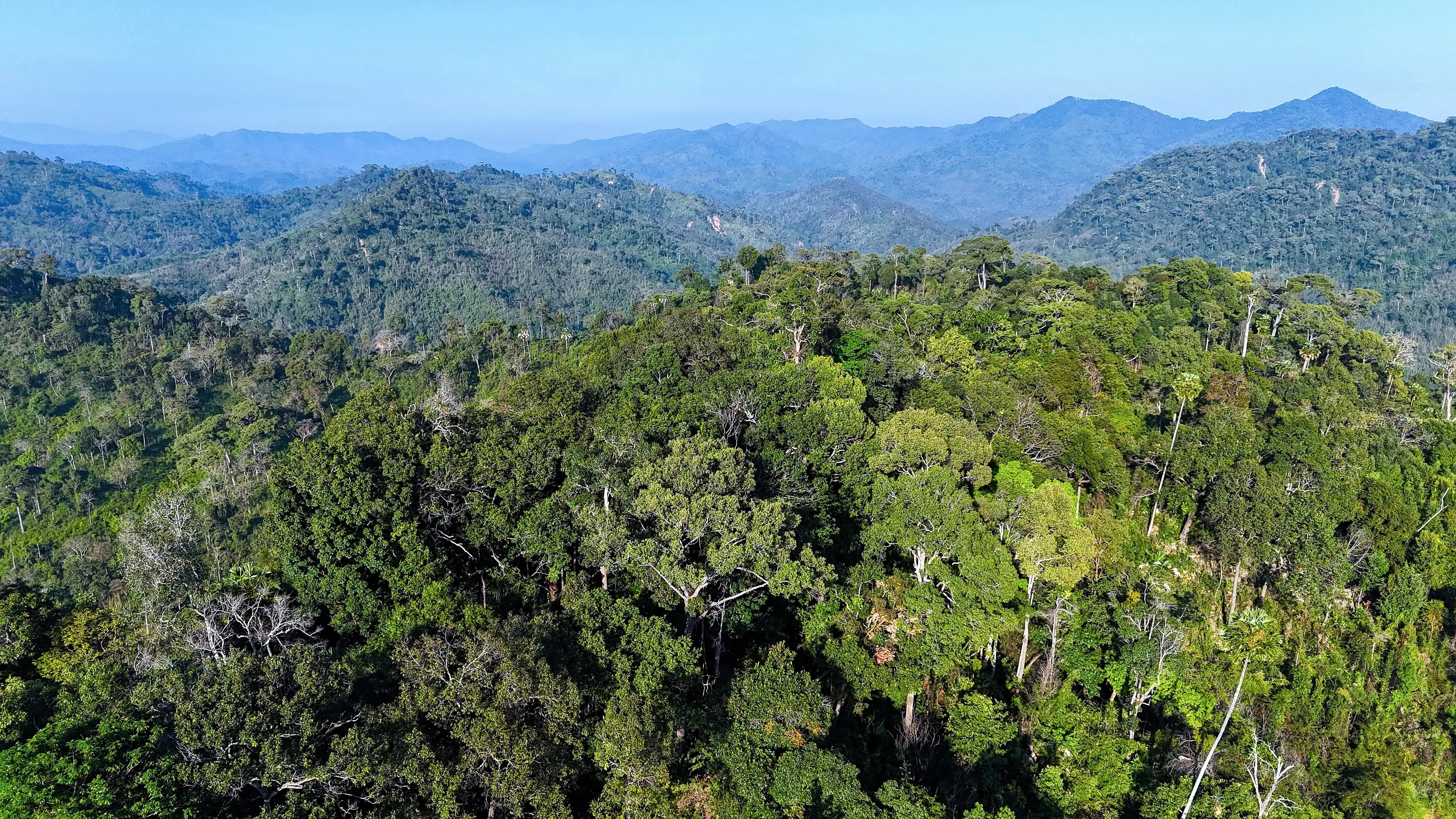
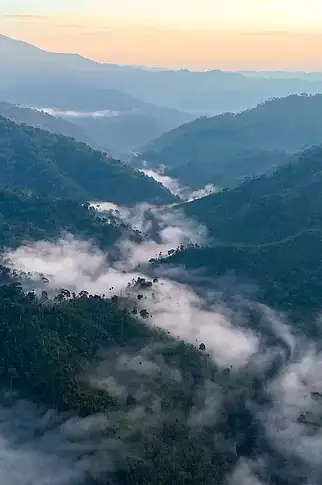
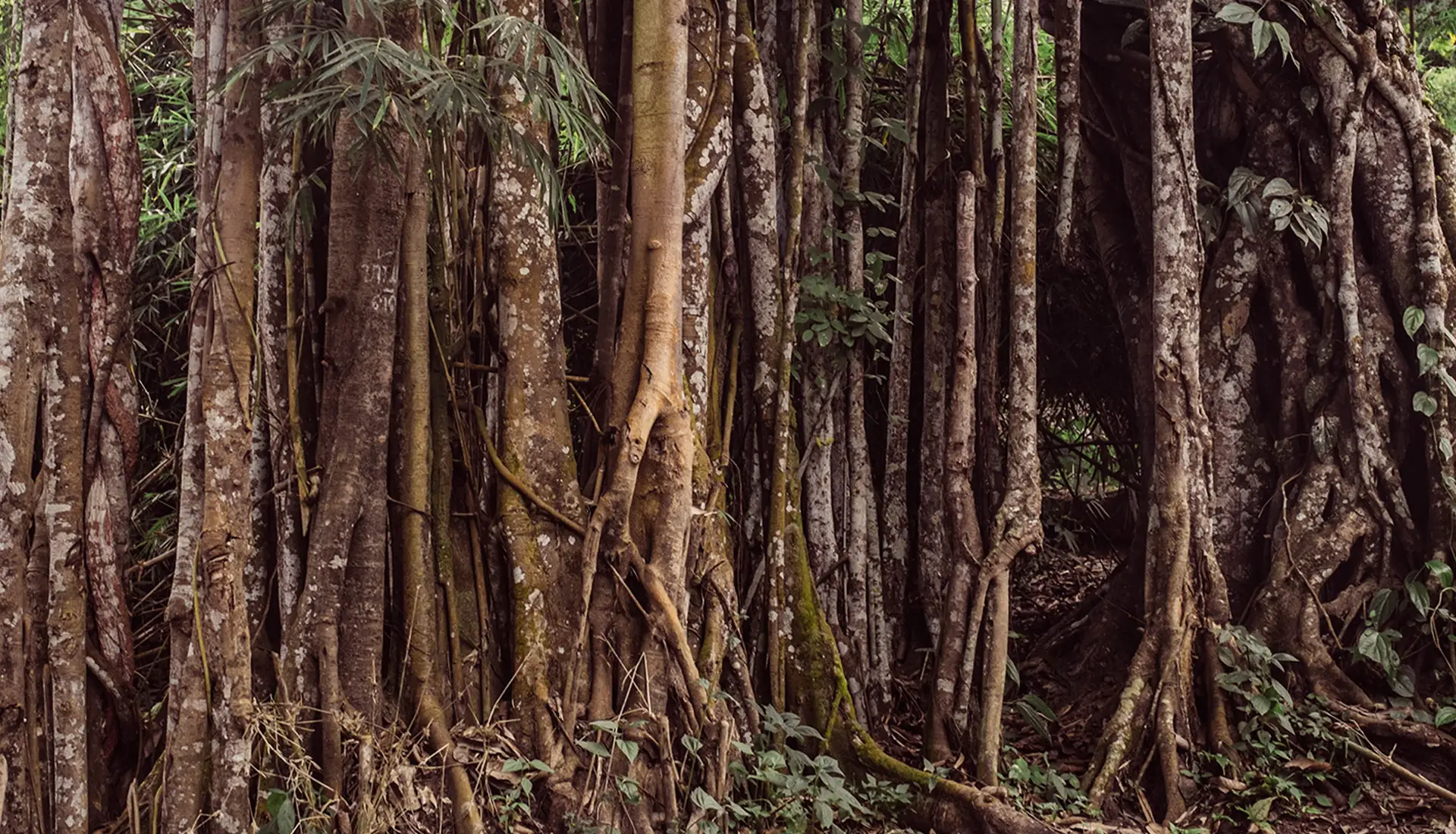
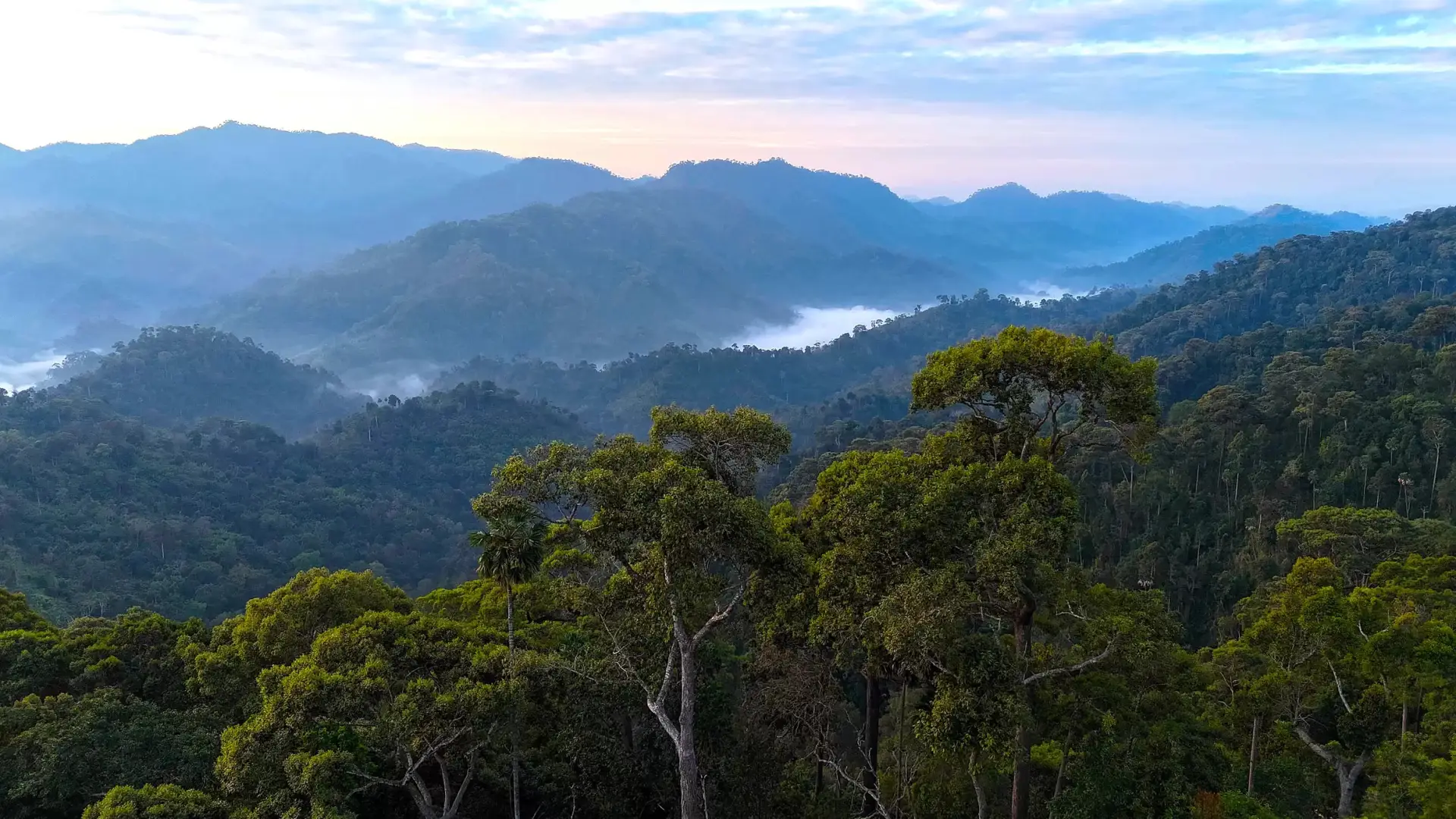
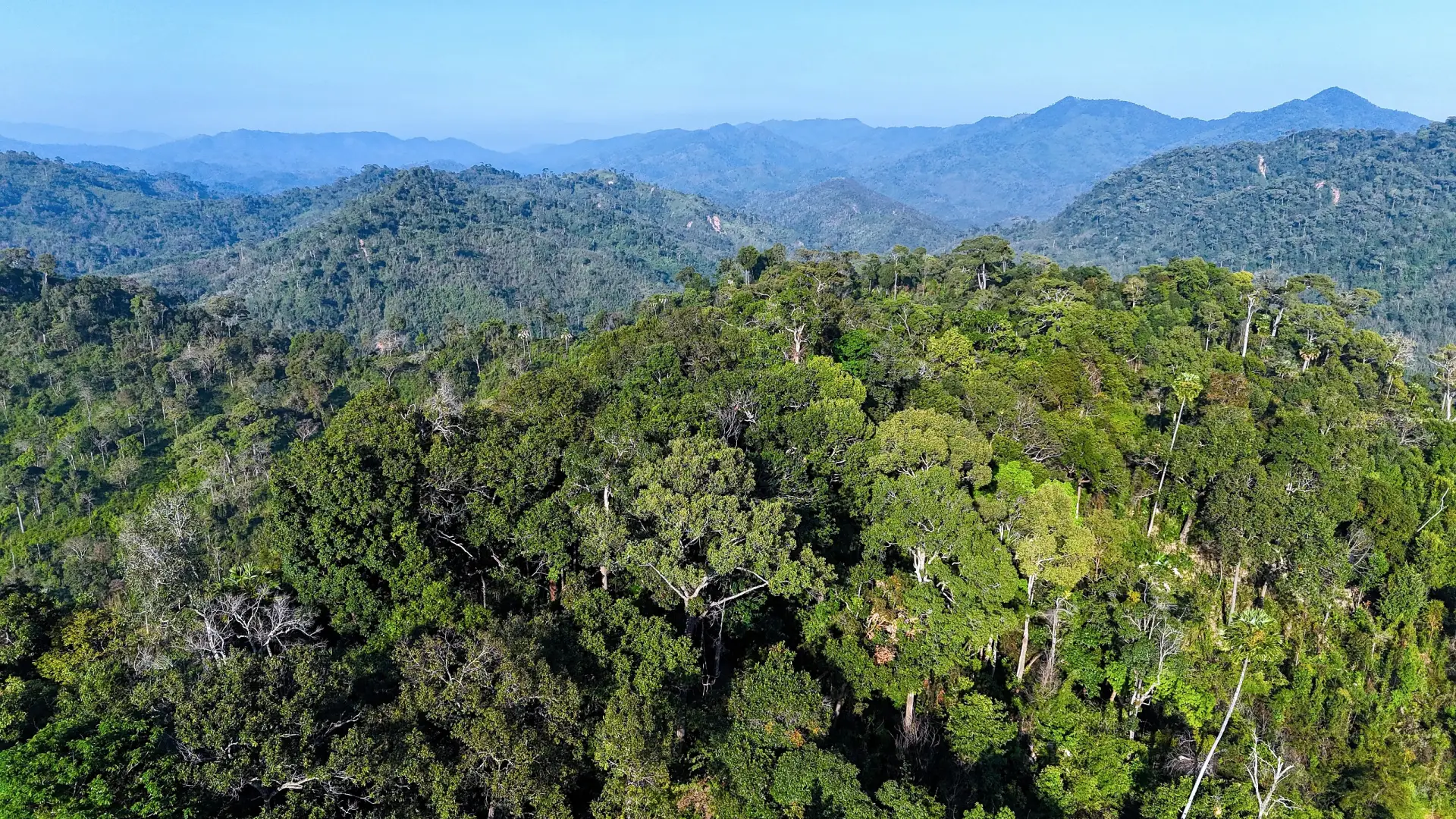
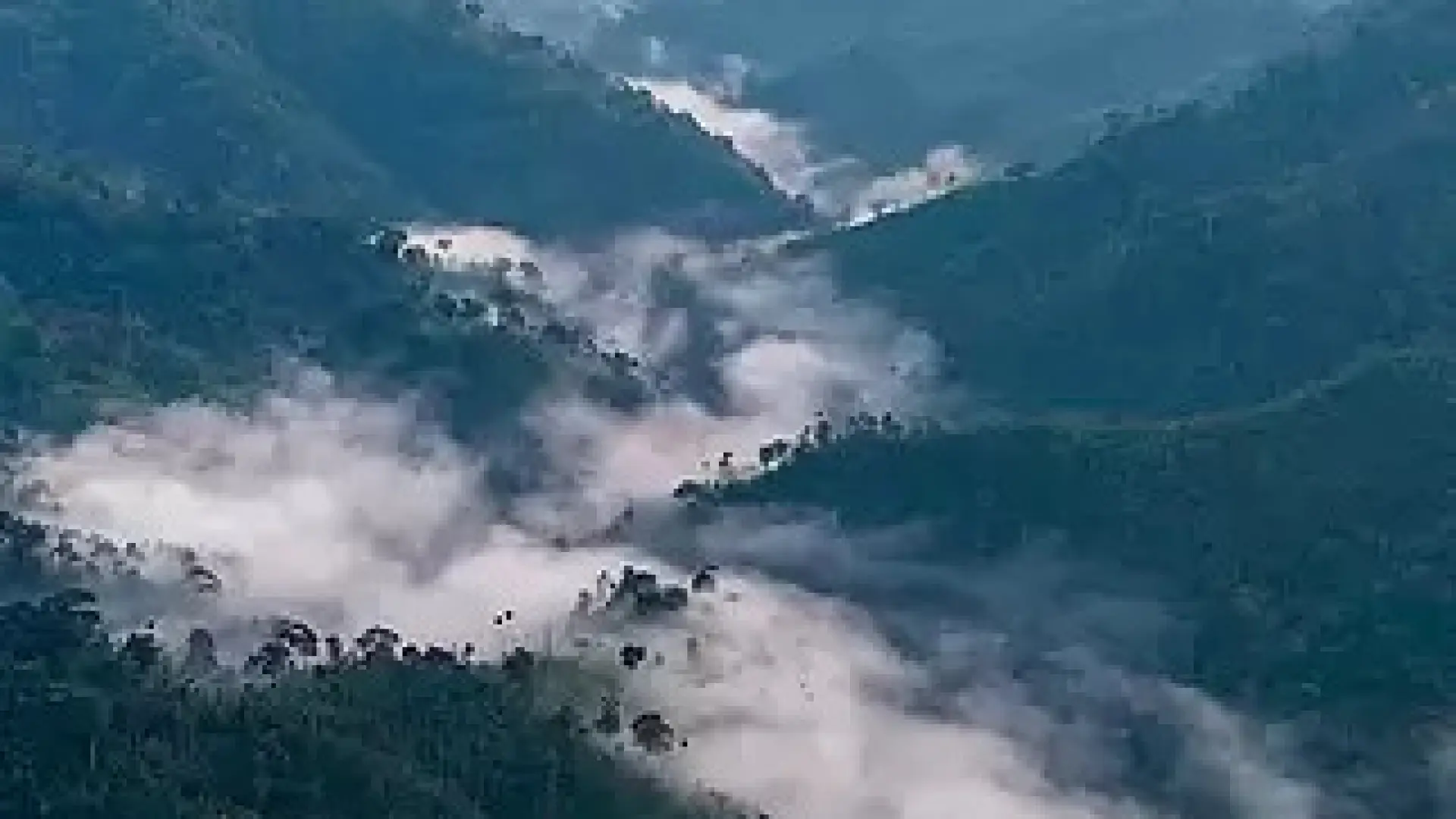
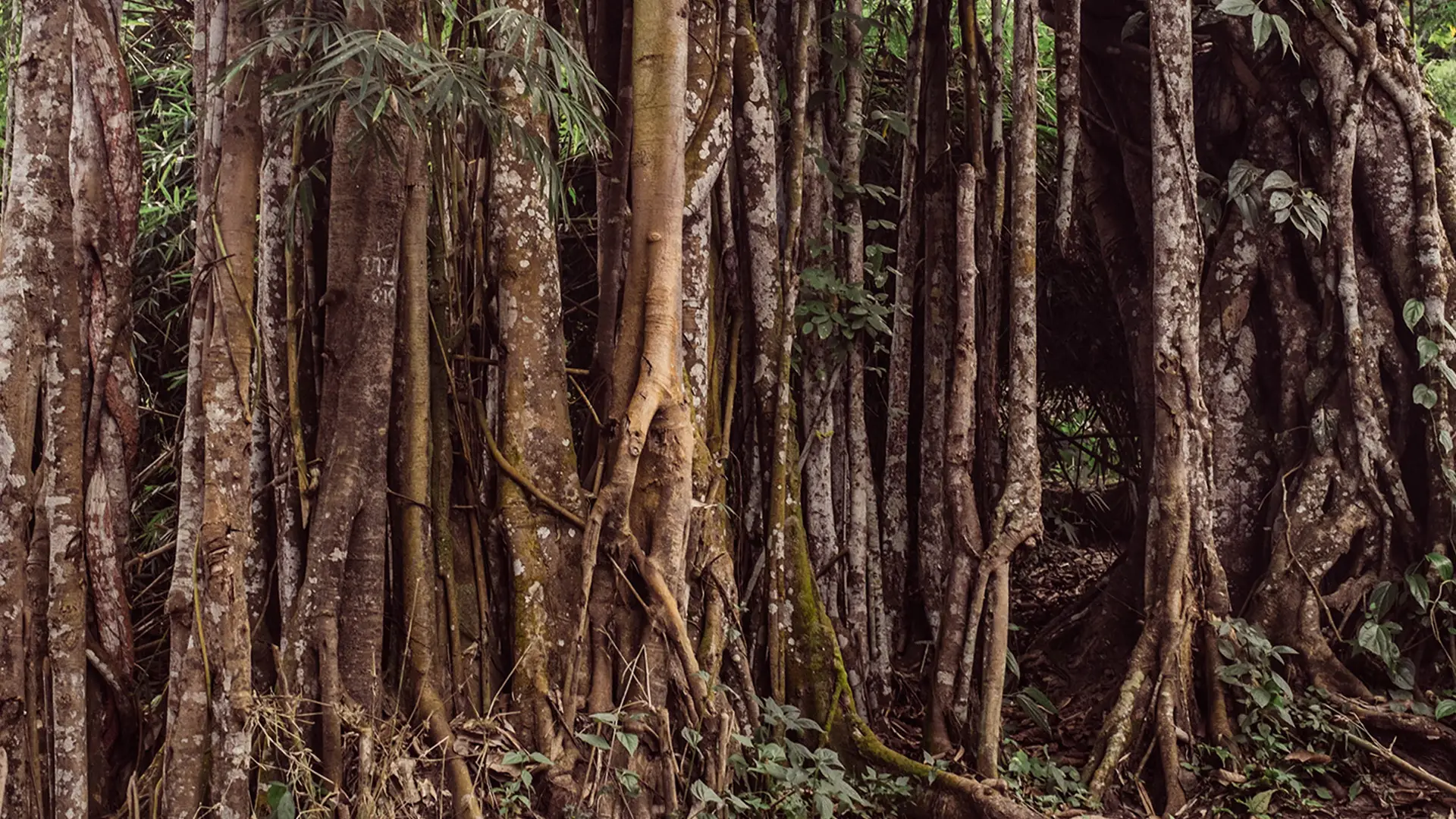
The landscape is characterized by rugged mountain ranges, dense bamboo forests, mixed deciduous woodlands, seasonal evergreen forests, limestone outcrops, and river valleys. Peaks rise to nearly 1,800 meters above sea level, providing breathtaking scenery and diverse habitats for wildlife. Three major rivers—the Nam Pouy, Nam Phoun, and Nam Lai—originate within the protected area before flowing toward the Mekong River.
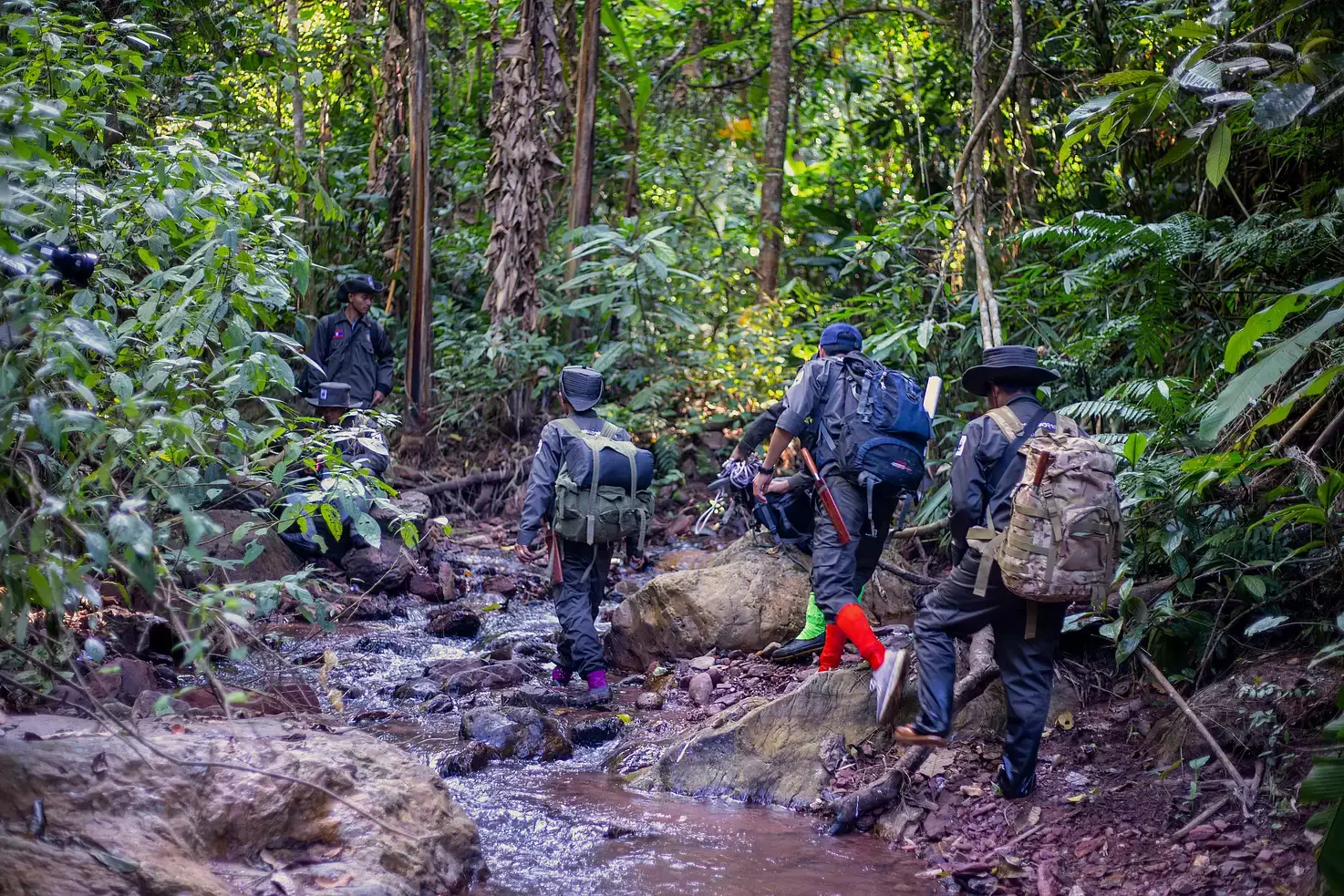
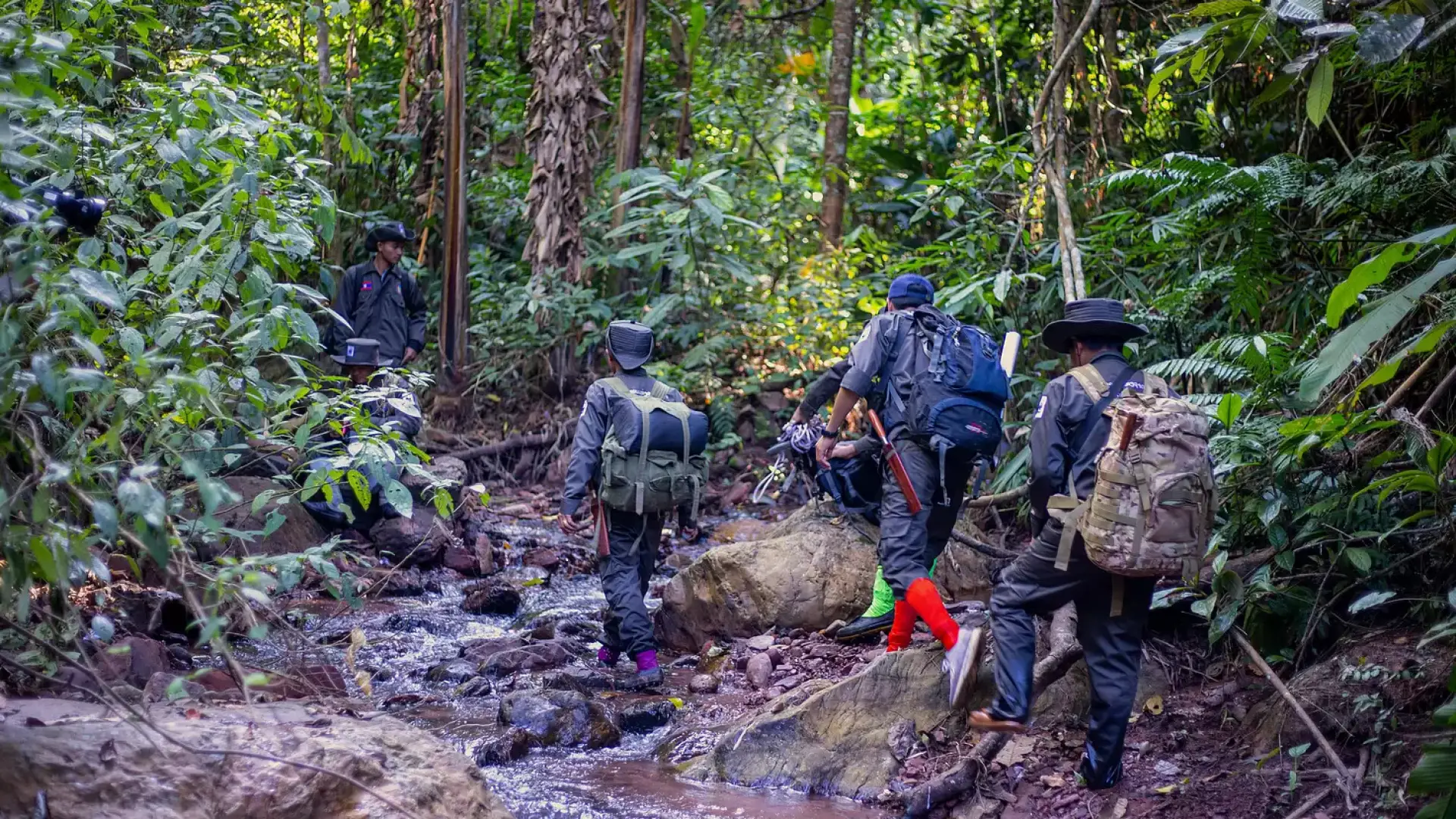
Nam Phouy plays a vital role in conservation and ecological research. Organizations such as the WWF Laos and the Elephant Conservation Center work with local authorities to protect wildlife habitats, monitor elephant populations, reduce human-elephant conflict, strengthen ranger patrols, and support sustainable livelihoods for surrounding communities. These efforts help preserve one of the most biologically important landscapes in Laos.
For eco-tourists and nature enthusiasts, Nam Phouy offers opportunities to experience pristine forests, wildlife tracking, birdwatching, trekking, and conservation-based tourism. While tourism infrastructure remains limited compared to more developed national parks, visitors seeking authentic wilderness experiences will find untouched landscapes and exceptional biodiversity. The area is especially appealing to travelers interested in conservation, wildlife photography, and responsible tourism.
Opening Hours
As a protected natural area, Nam Phouy does not have formal daily opening and closing hours like a typical tourist attraction.
- Generally accessible: Daily, 08:00 AM – 05:00 PM (for ranger stations, guided activities, and authorized visits)
- Multi-day trekking and conservation programs may operate with advance arrangements.
- Visitors are strongly advised to visit with local guides or through authorized eco-tourism operators.
- The best time to visit is from November to February, when temperatures are cooler and trekking conditions are most favorable.
Highlights
- One of Laos’ largest protected areas.
- Home to one of the country's largest wild Asian elephant populations.
- Rich biodiversity with rare mammals and bird species.
- Spectacular mountain and forest landscapes.
- Wildlife tracking and birdwatching opportunities.
- Conservation and eco-tourism experiences.
- Important habitat for endangered species.
- Remote wilderness and authentic nature experiences.
Visitor Tips
- Arrange visits through local guides or conservation organizations.
- Bring binoculars for wildlife observation.
- Wear suitable hiking boots and outdoor clothing.
- Carry sufficient water, snacks, and insect repellent.
- Respect wildlife and conservation regulations.
- Allow several days if planning trekking or wildlife-focused activities.