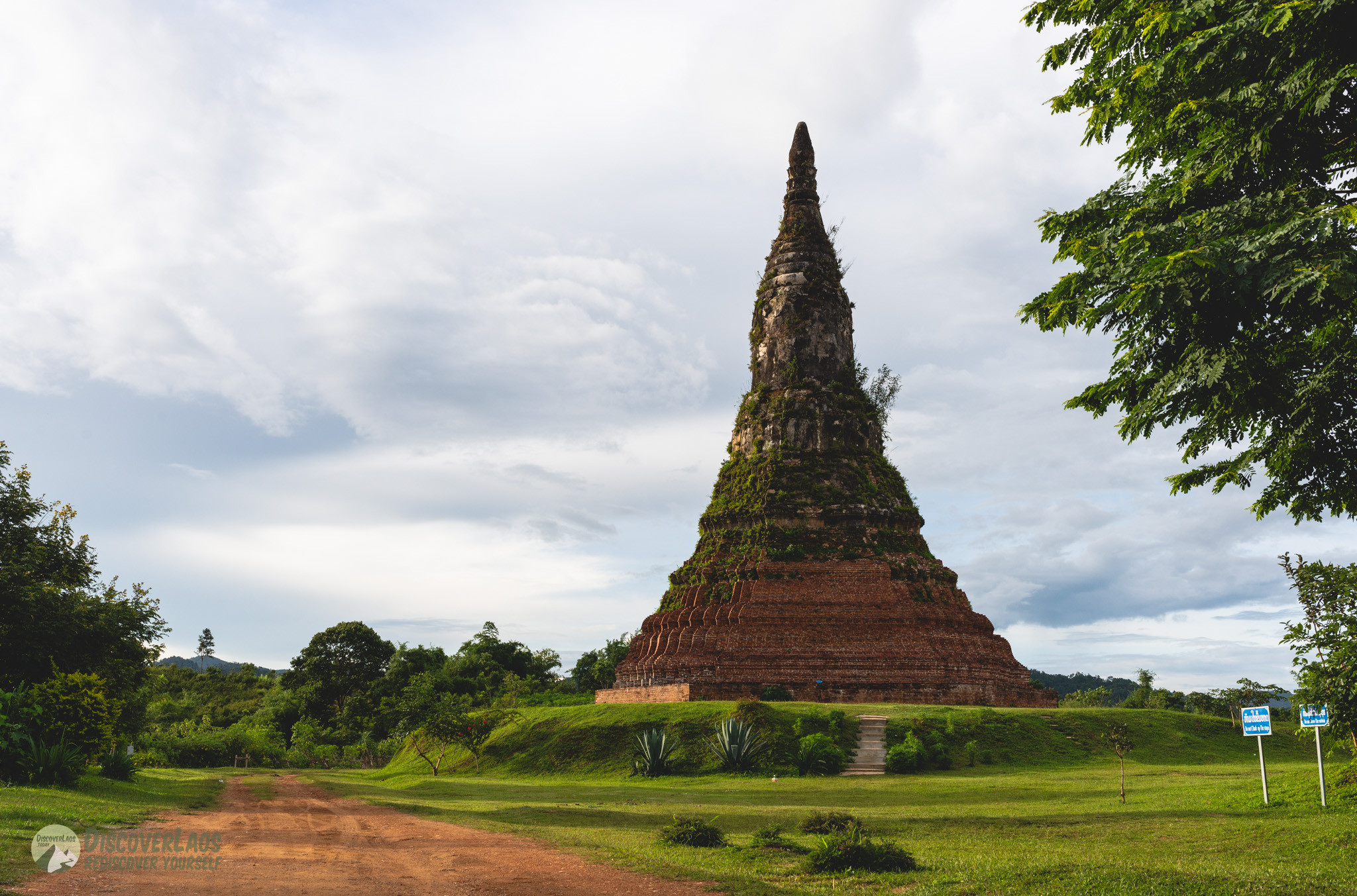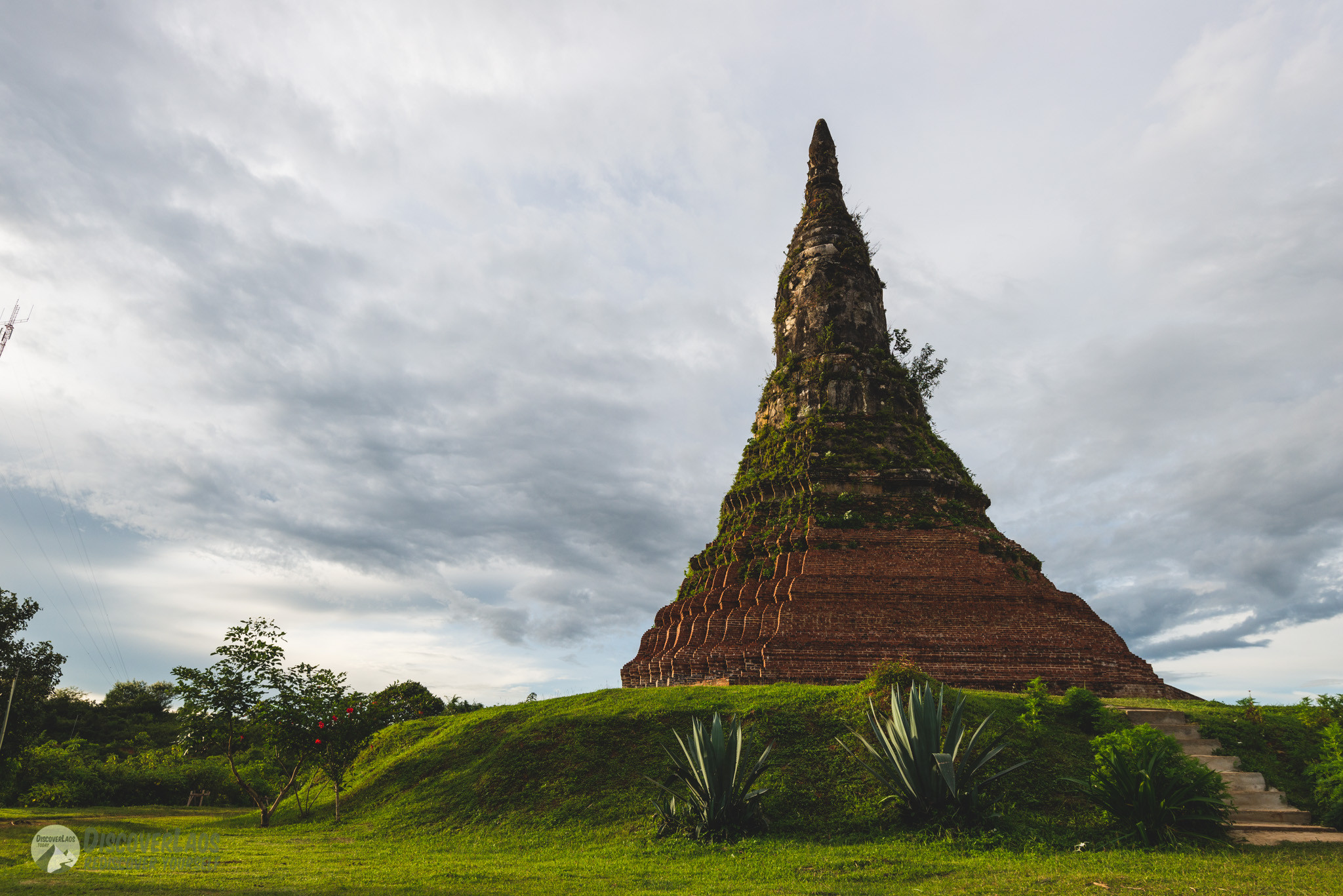
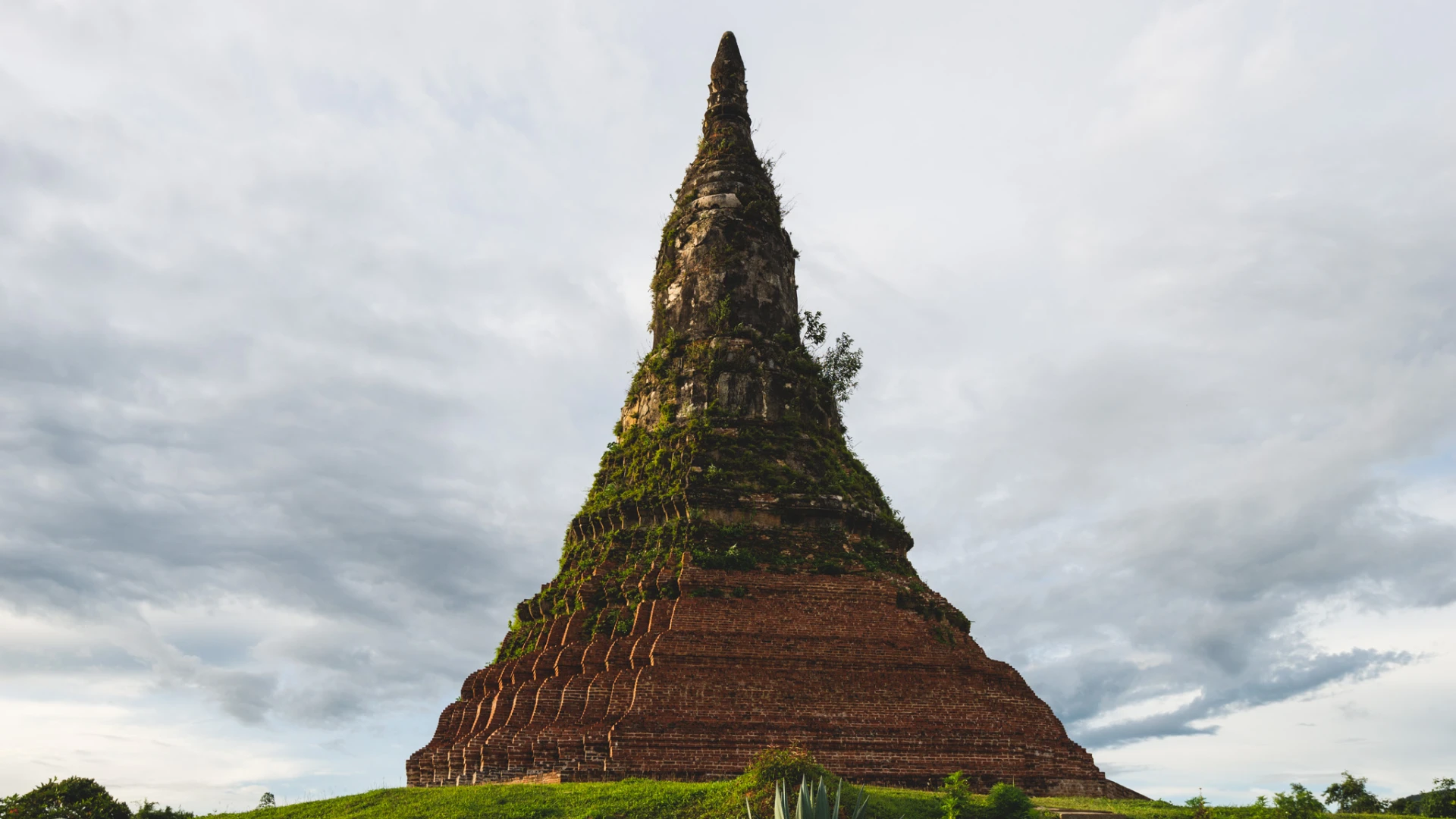
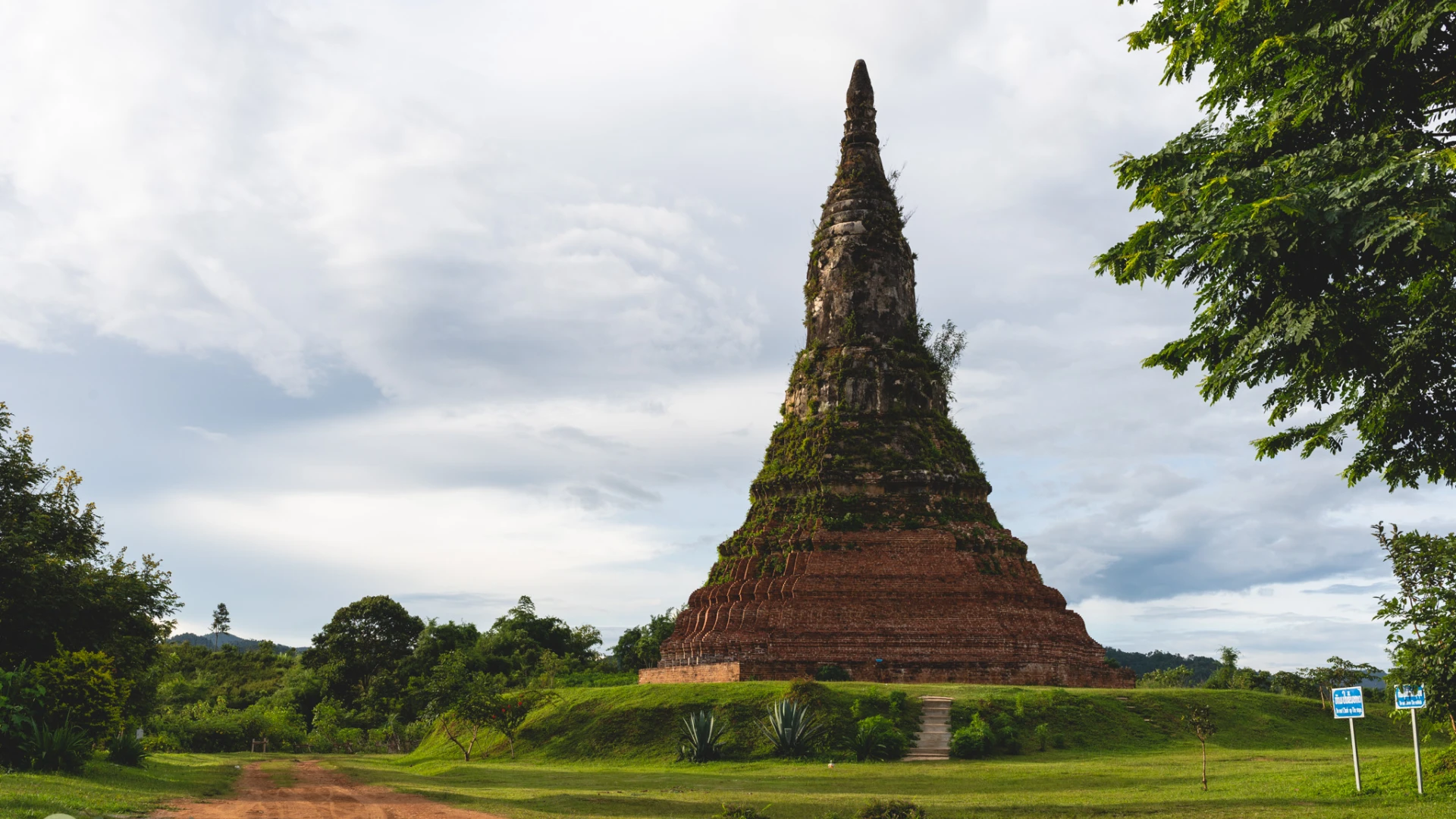
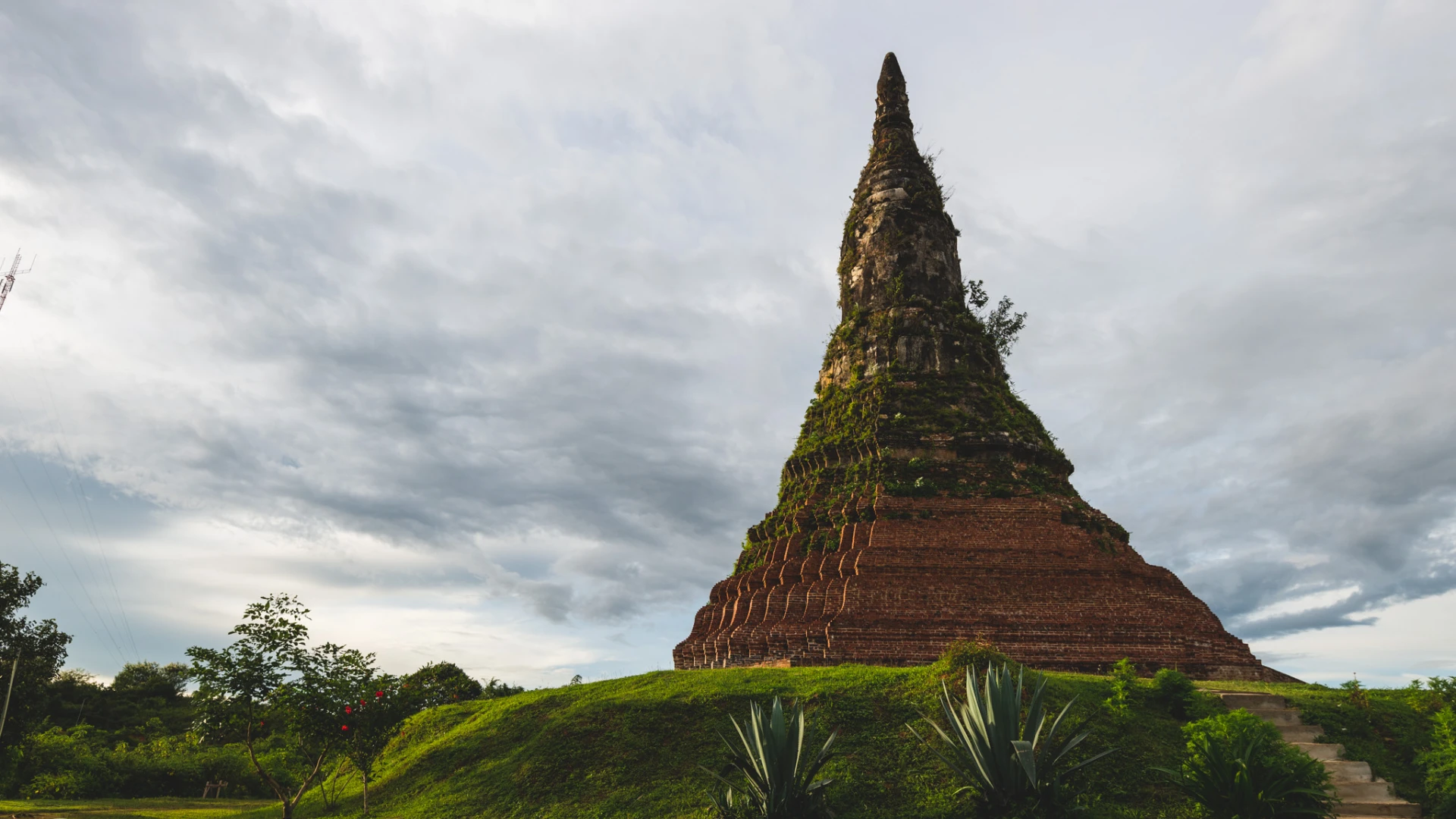
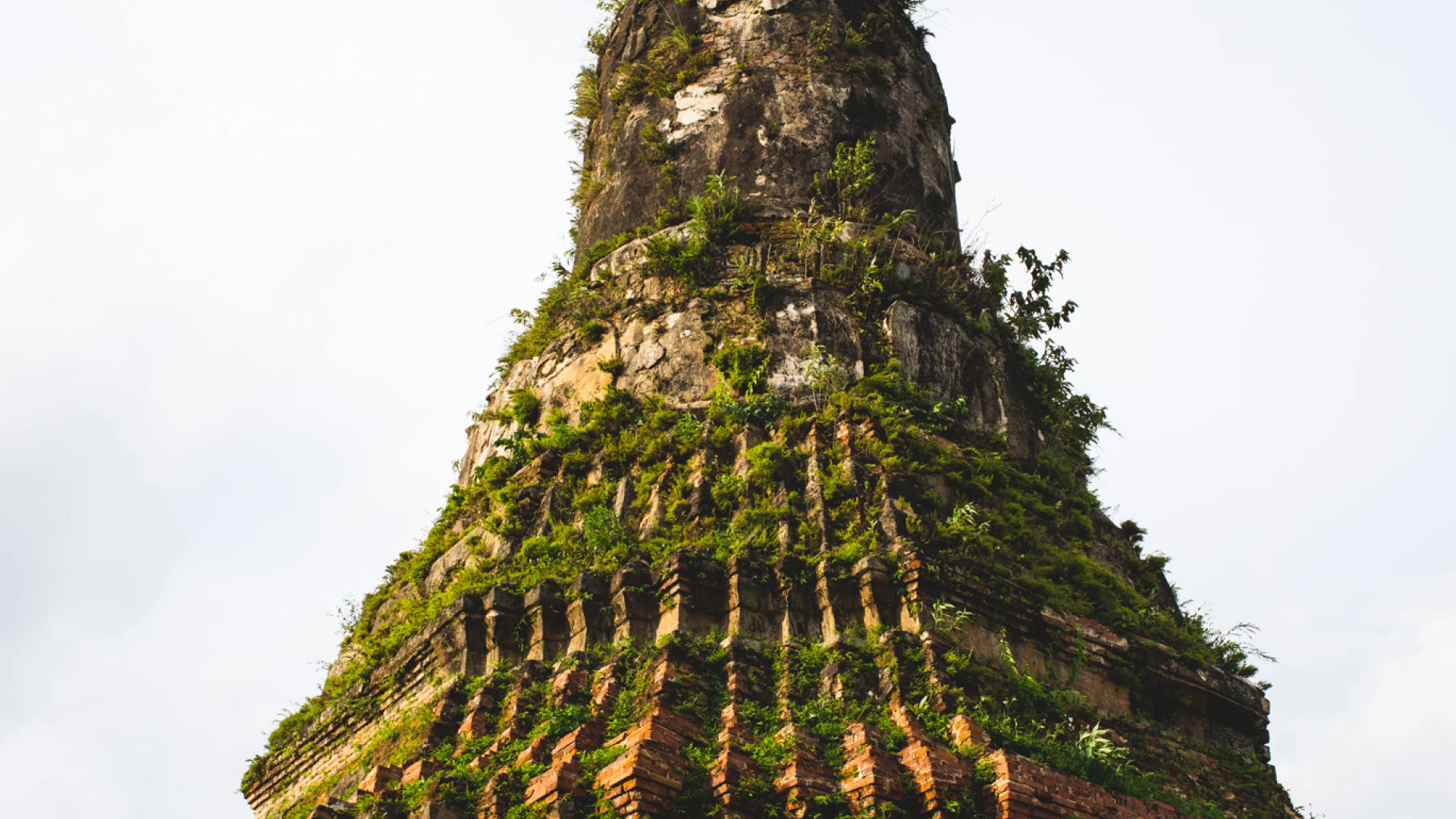
That Foun, also known as Foun Stupa, is one of the most revered Buddhist monuments in Xiangkhouang Province and an important religious landmark for local communities. Located near Phonsavan, the stupa is believed to date back several centuries and is closely associated with the spread of Buddhism throughout the former Lan Xang Kingdom. The name "That Foun" translates roughly to "Great Stupa" or "Large Stupa," reflecting its significance as a sacred site in the region.
Tradition holds that the stupa was originally constructed in the 16th century during the reign of King Setthathirath, one of Laos' most celebrated monarchs and a key promoter of Buddhism. Like many historical sites in Xiangkhouang, That Foun suffered damage during periods of conflict but has since been restored and continues to serve as an active place of worship.
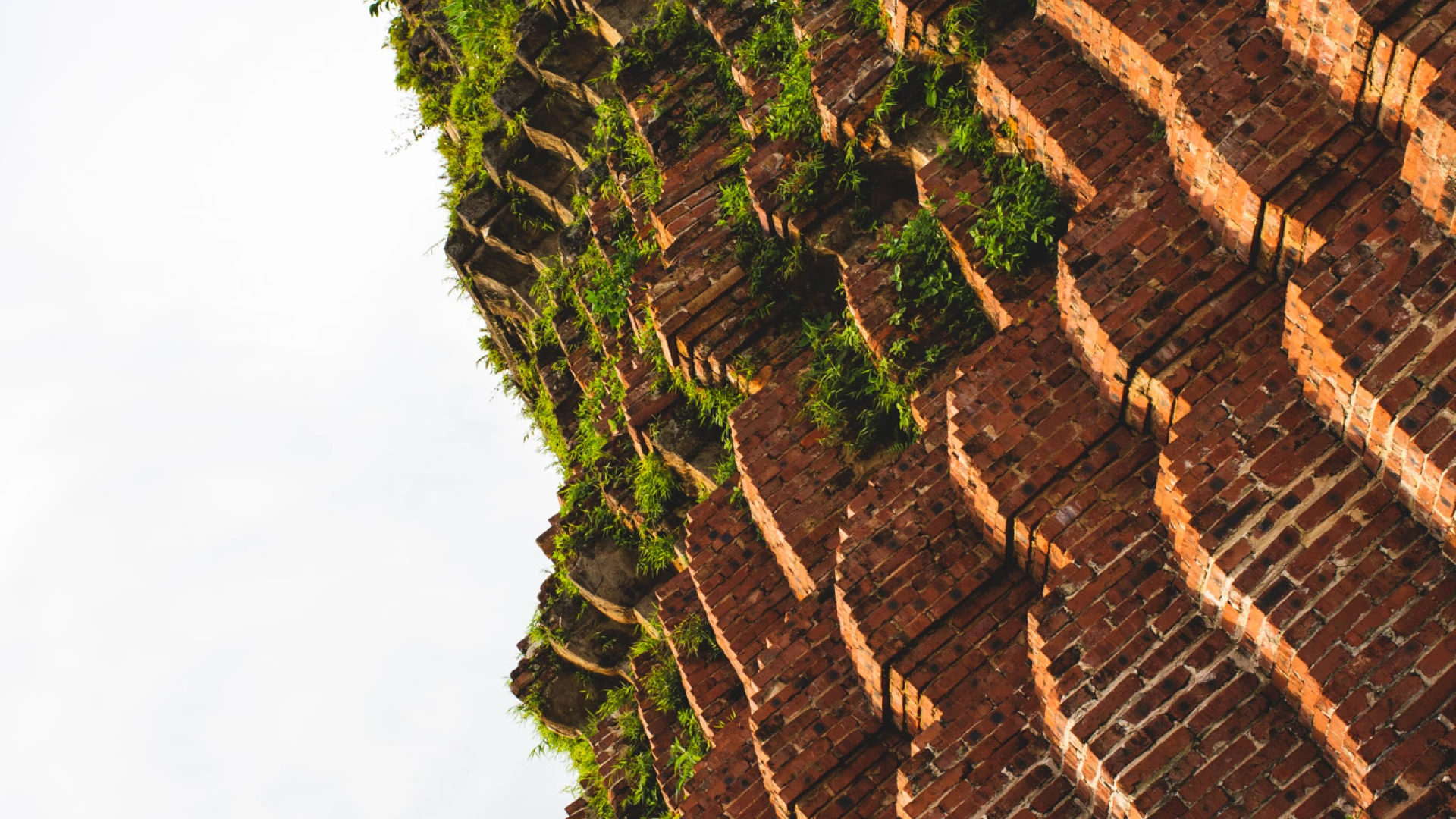
Architecturally, That Foun features a classic Lao-style stupa design with a large bell-shaped structure rising from a square base. Its golden appearance, elegant proportions, and peaceful setting make it one of the most recognizable religious monuments in the province. The stupa is surrounded by temple grounds where visitors can observe local religious practices, prayer ceremonies, and merit-making activities.
For local Buddhists, That Foun is an important pilgrimage destination. Religious festivals and Buddhist holy days attract worshippers from surrounding villages who come to make offerings, pray, and participate in traditional ceremonies. During these occasions, the site becomes a vibrant center of spiritual and cultural activity.
Visitors to That Foun can enjoy a tranquil atmosphere while learning about the religious heritage of Xiangkhouang. The site also offers opportunities for photography and cultural exploration, particularly when combined with visits to nearby attractions such as the Plain of Jars and Wat Phia Wat.
Today, That Foun remains a symbol of faith, resilience, and the enduring importance of Buddhism in northern Laos. Its historical significance, religious value, and scenic setting make it a worthwhile stop for travelers exploring Xiangkhouang Province.
Opening Hours
- Daily: 06:00 AM – 06:00 PM
- Open year-round.
- Best time to visit:
- Early morning for a peaceful atmosphere.
- Late afternoon for comfortable temperatures and photography.
Highlights
- One of Xiangkhouang's most important Buddhist stupas.
- Traditionally linked to King Setthathirath and the Lan Xang Kingdom.
- Beautiful Lao-style stupa architecture.
- Active religious and pilgrimage site.
- Peaceful setting ideal for reflection and photography.
- Important cultural and spiritual landmark.
- Popular stop on tours of Phonsavan and the Plain of Jars region.
- Venue for local Buddhist festivals and ceremonies.
Visitor Tips
- Dress modestly and respectfully.
- Remove hats when approaching sacred areas.
- Visit during Buddhist festivals to experience local traditions.
- Bring a camera for scenic and architectural photography.
- Combine your visit with other historical and cultural sites in Xiangkhouang.