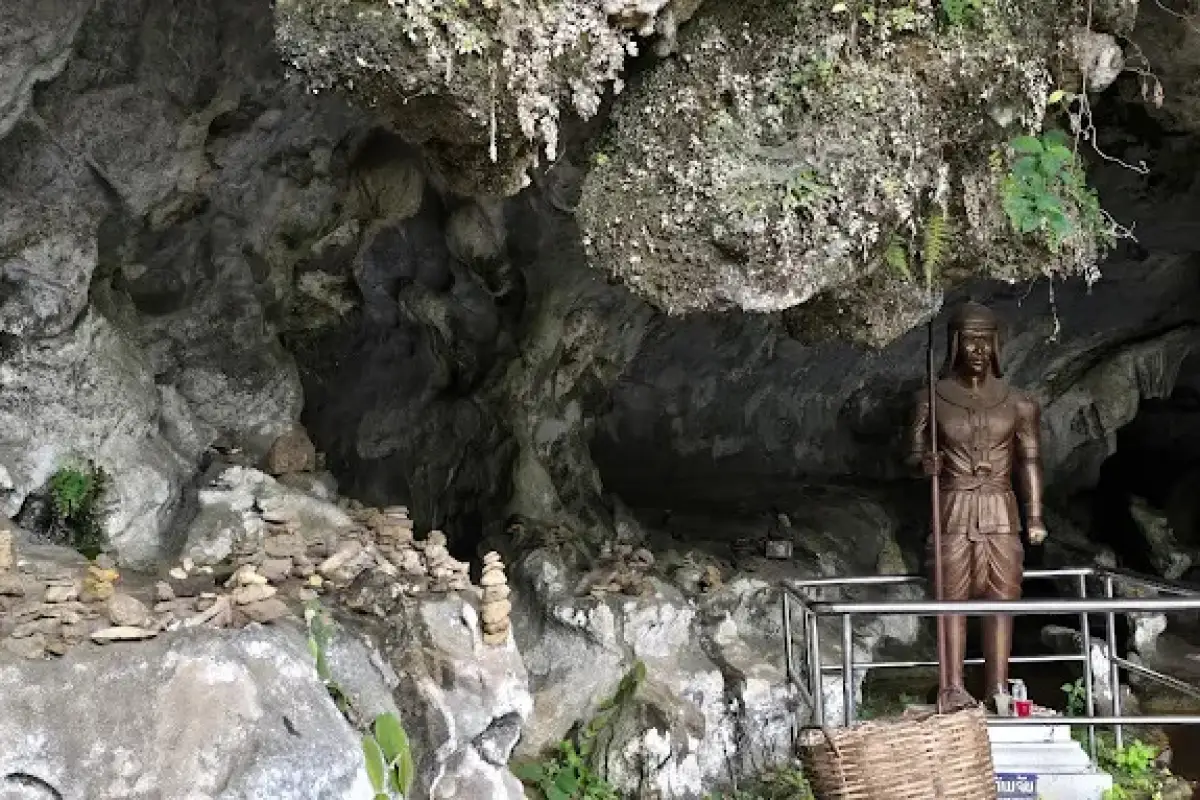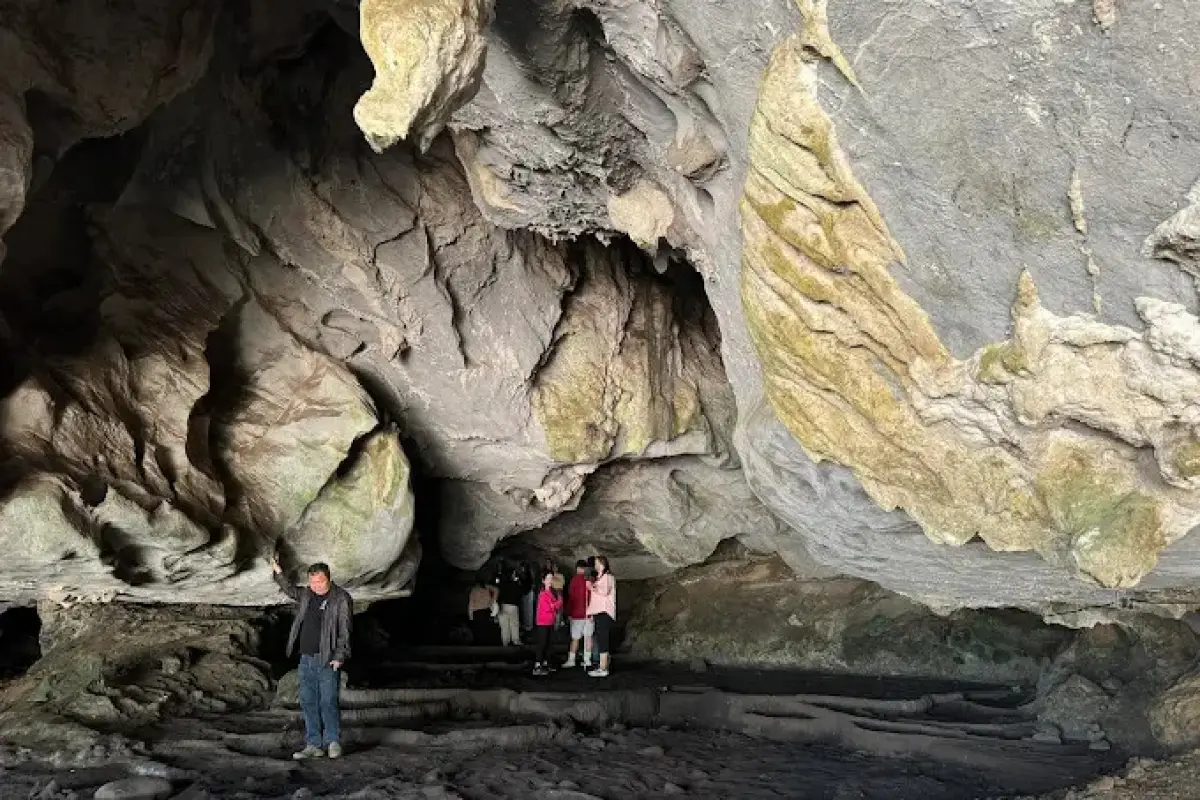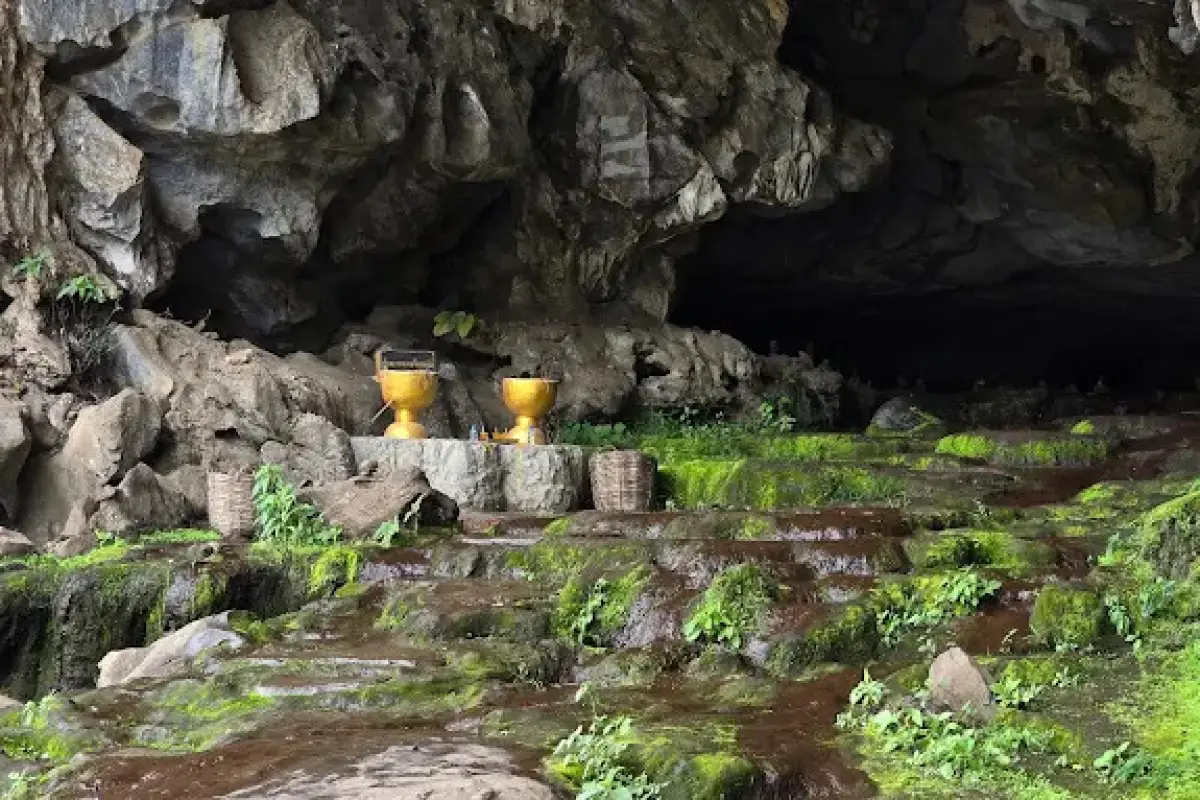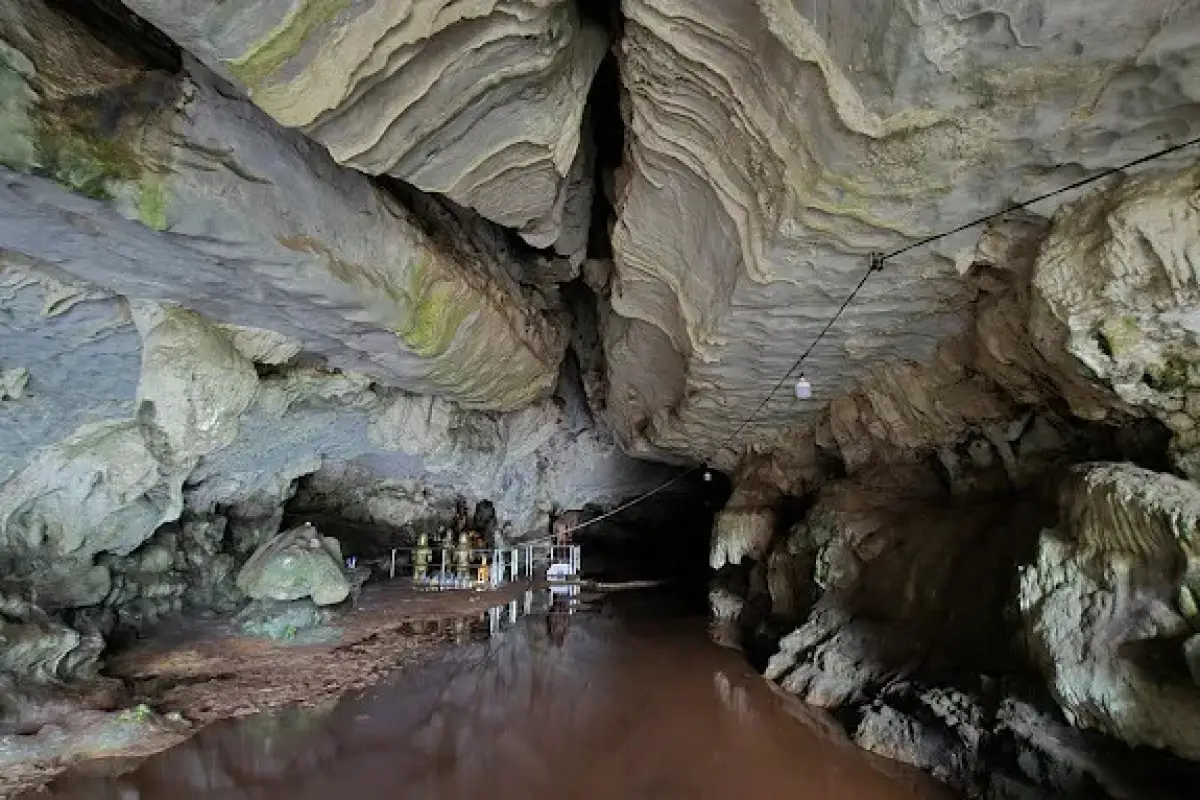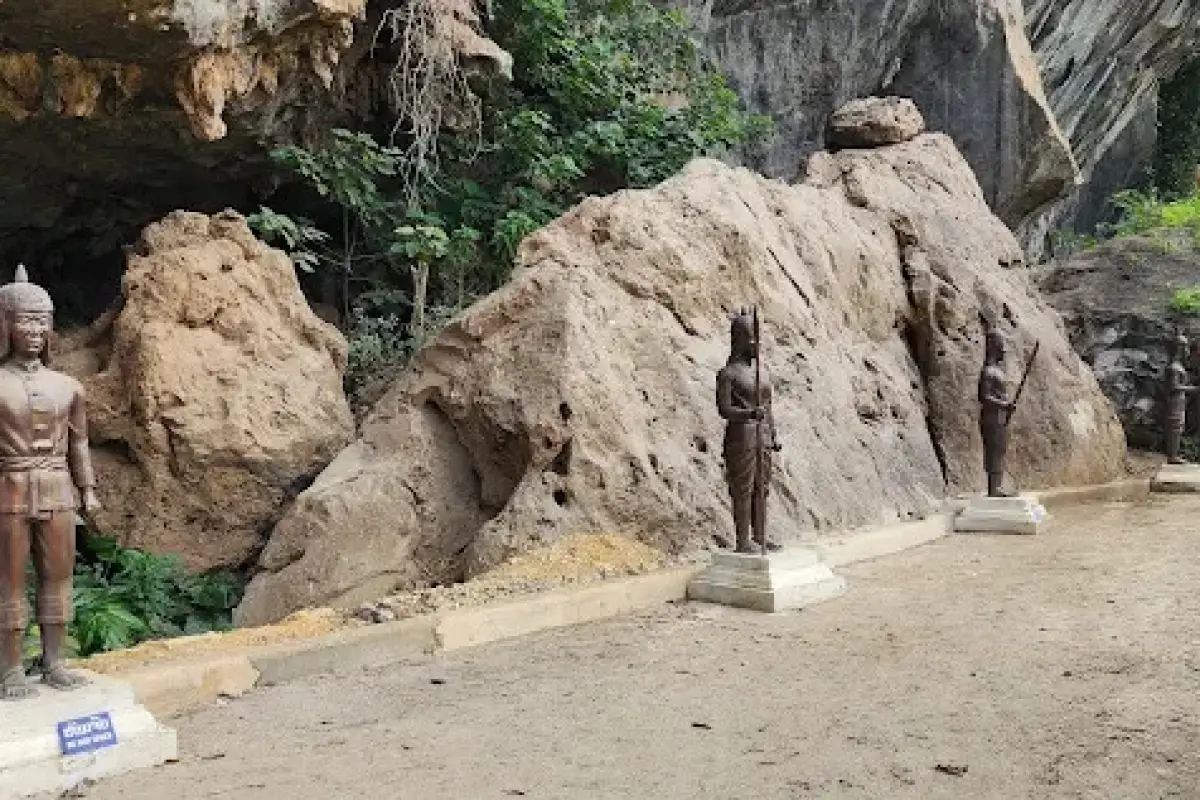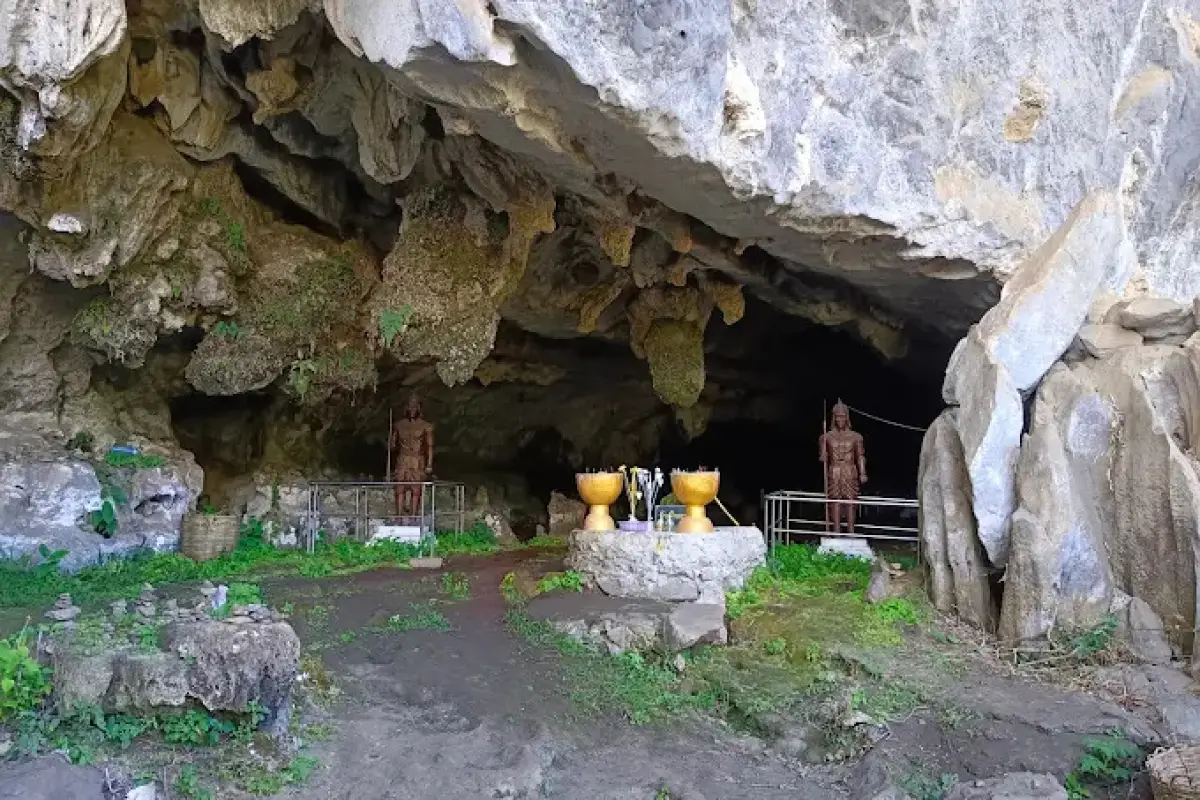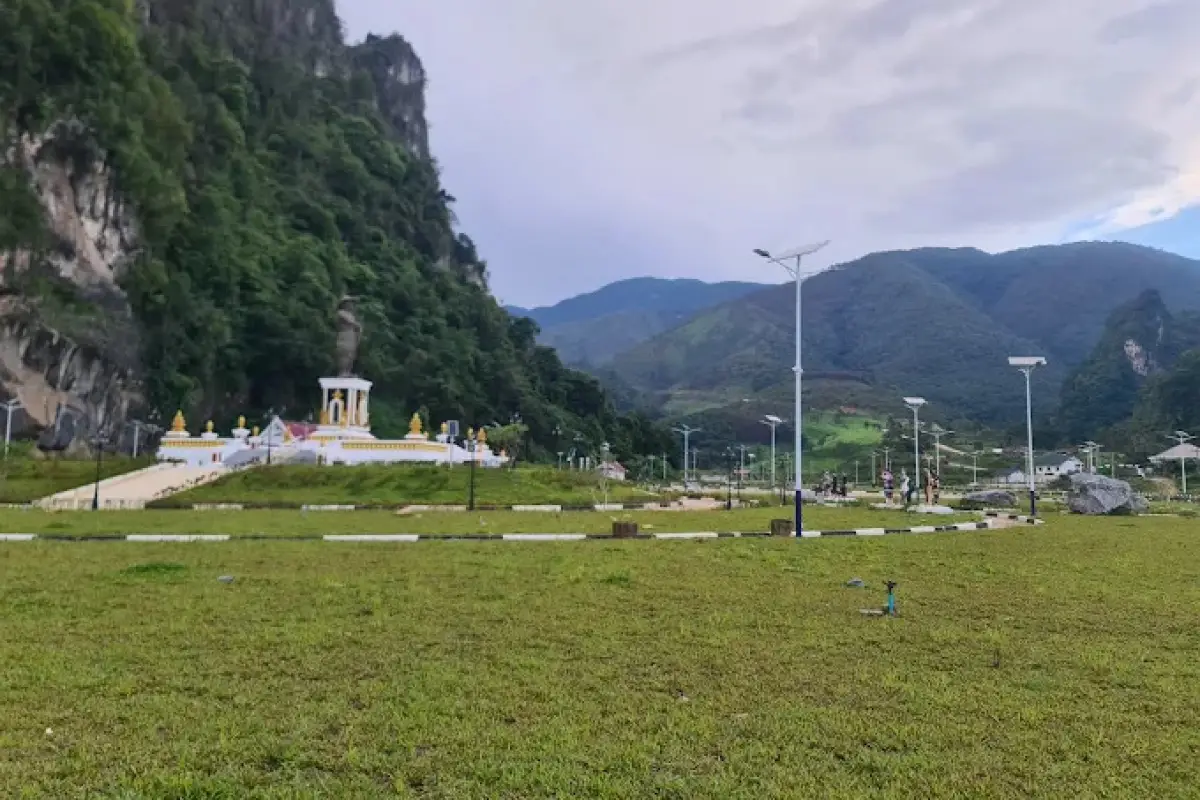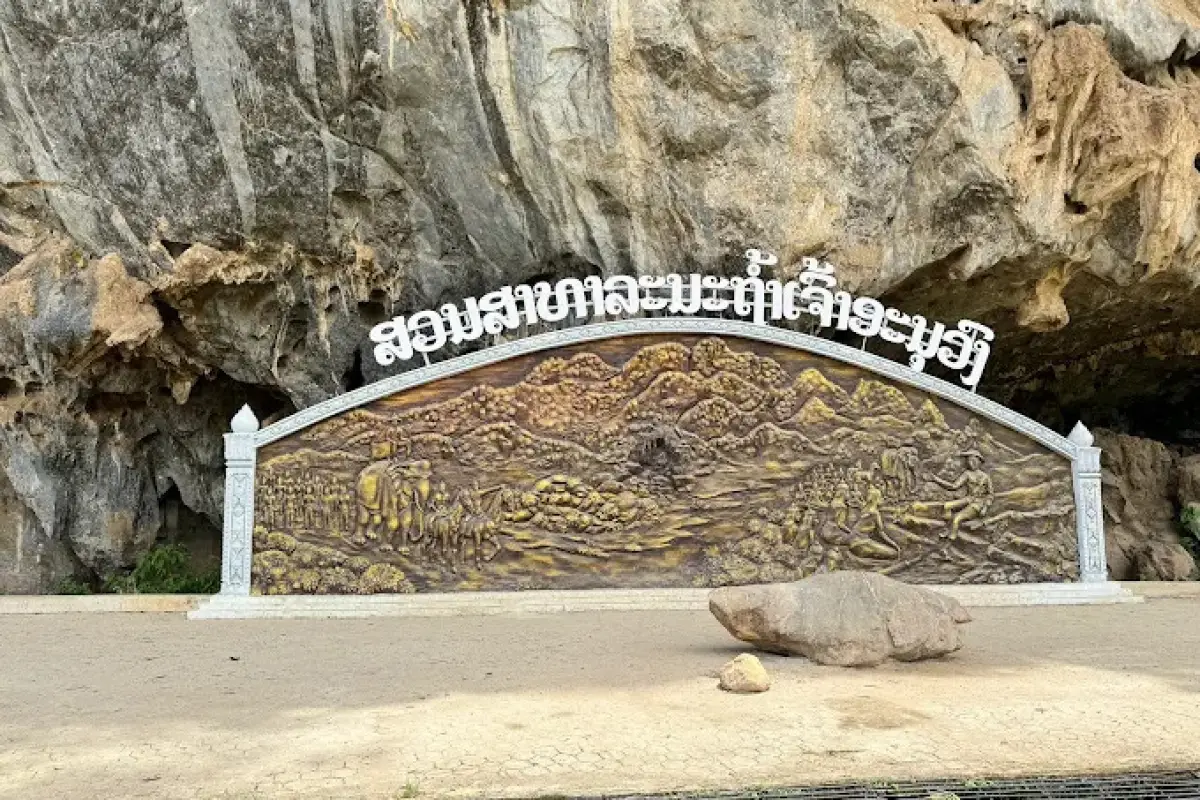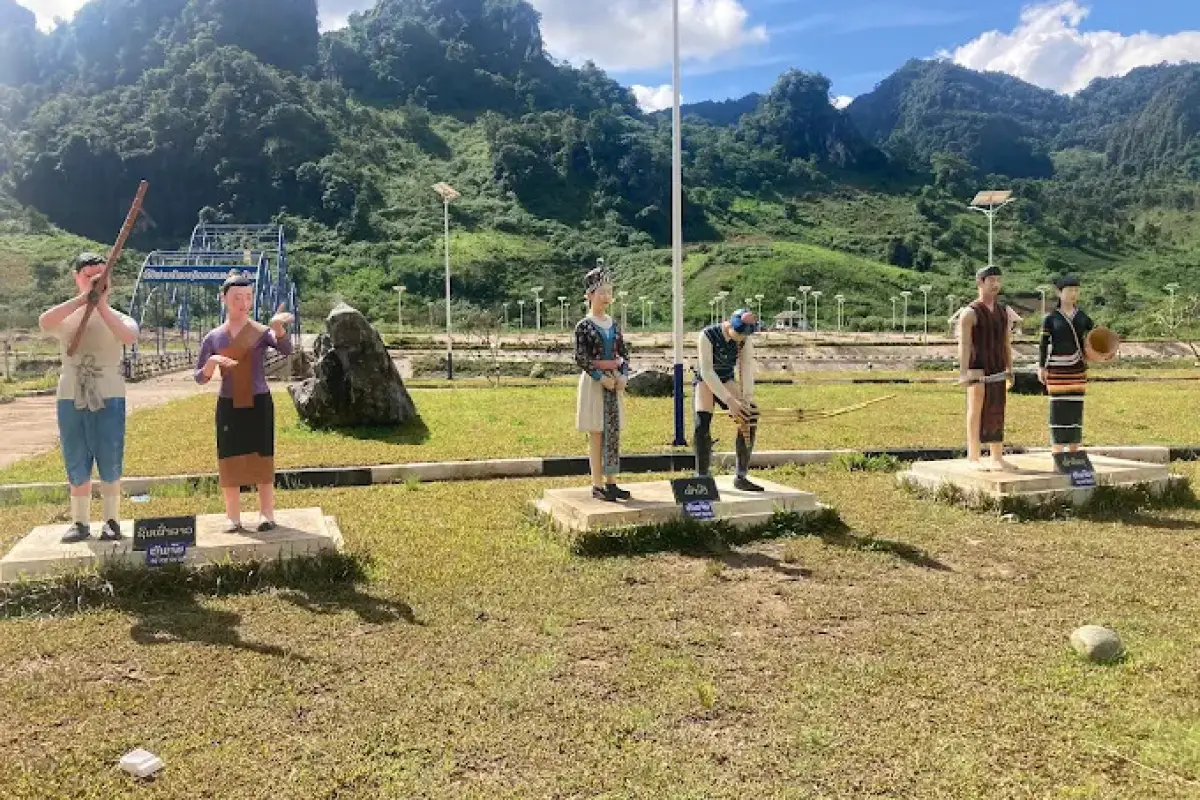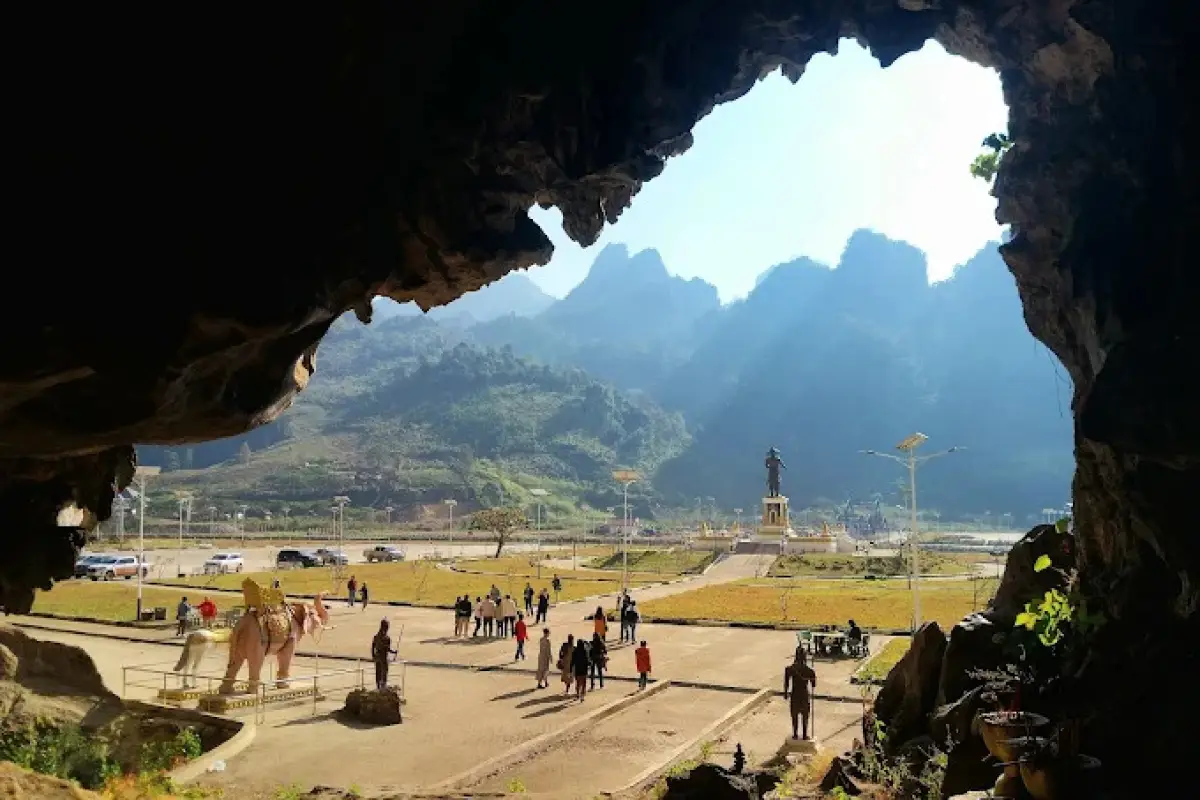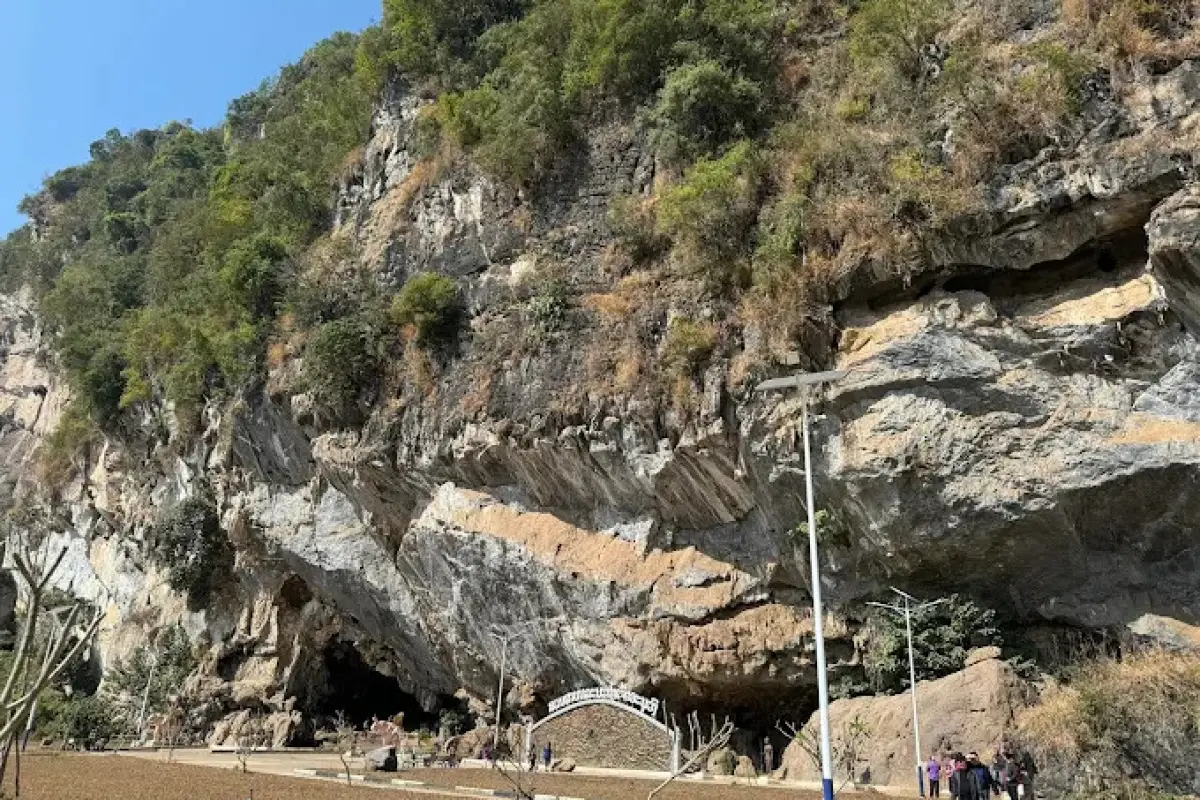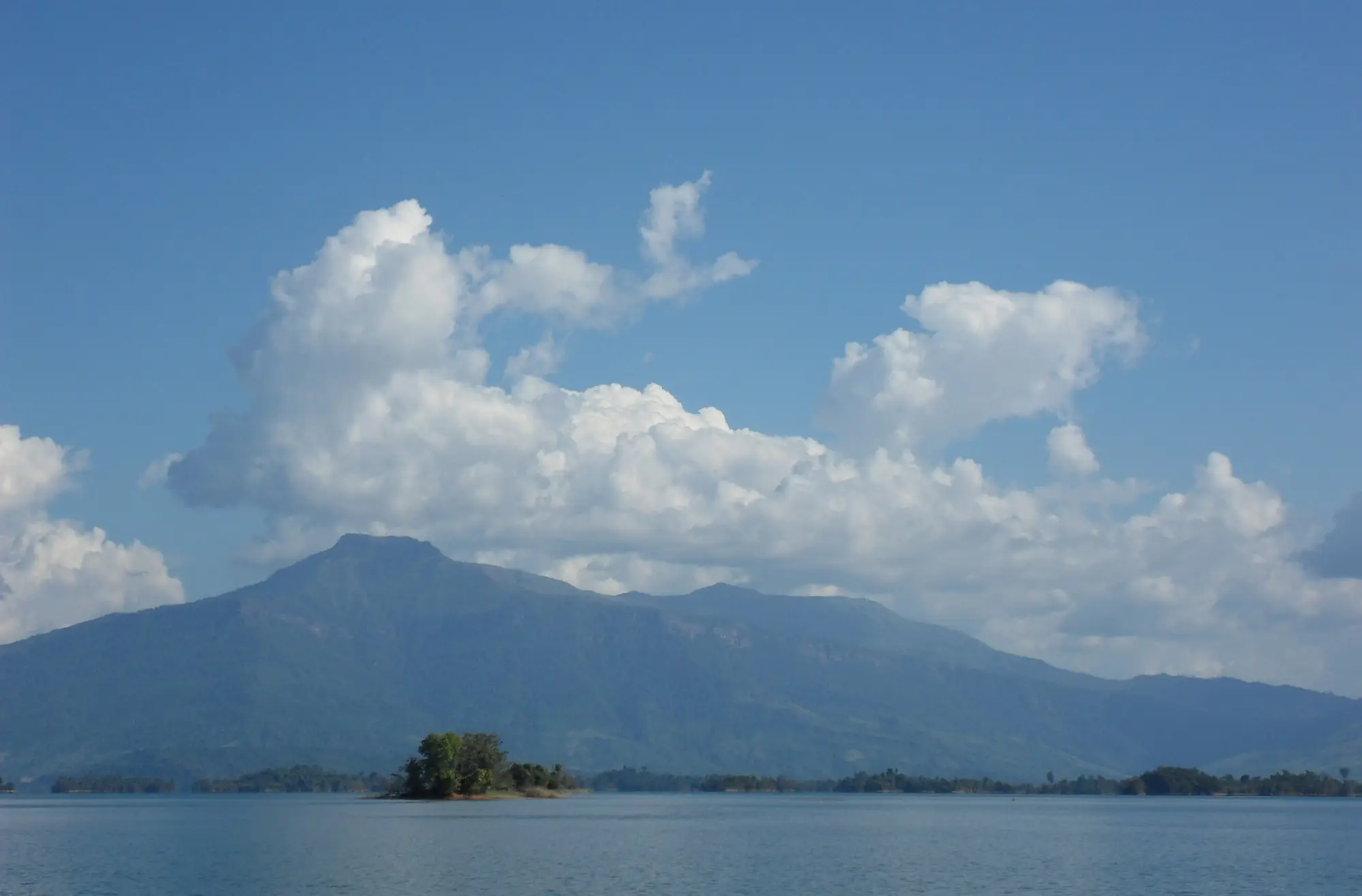
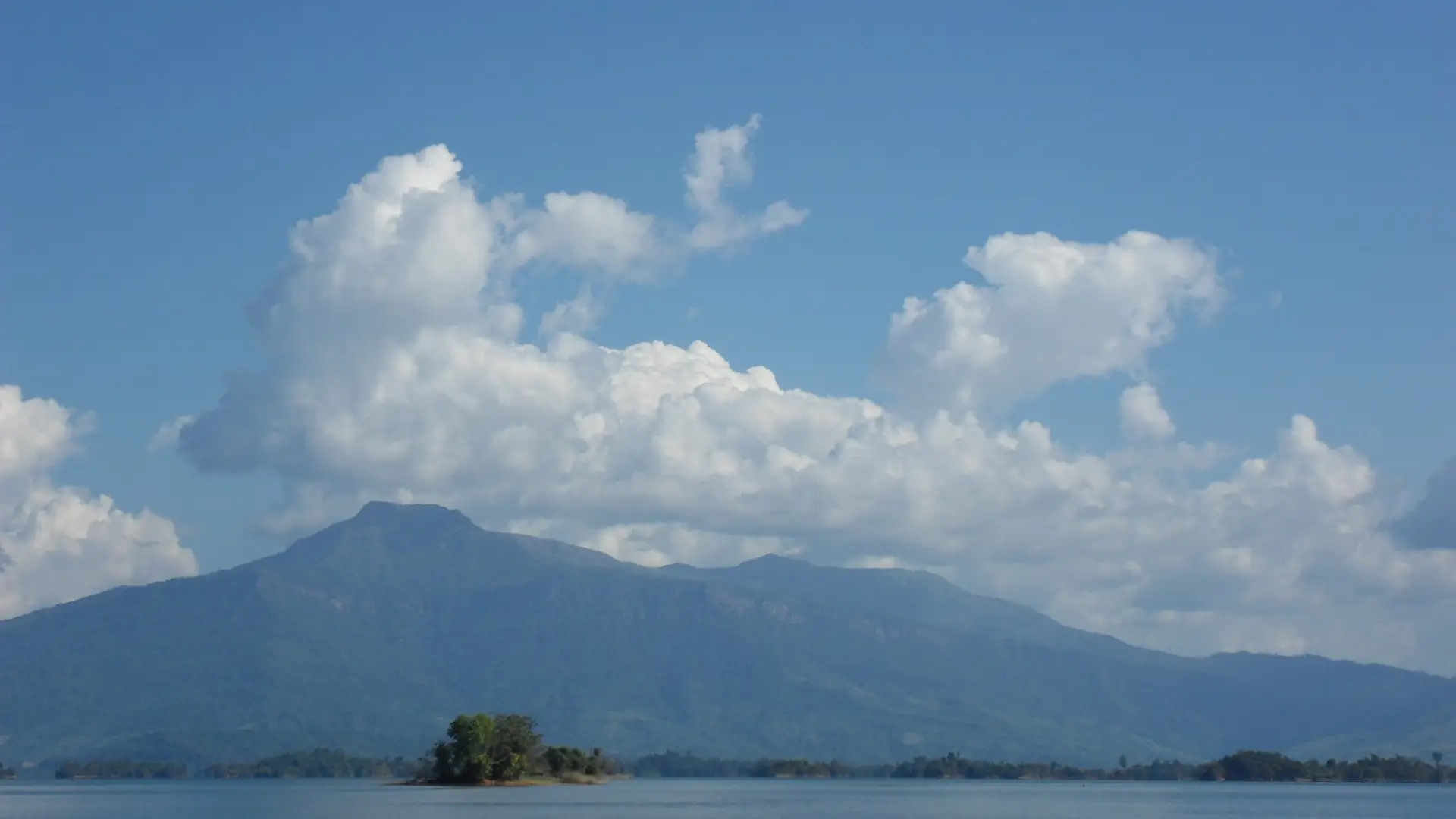
Phou Bia is the highest mountain in Laos and one of the most iconic natural landmarks in the country. Rising to approximately 2,819–2,830 meters above sea level, this majestic peak dominates the skyline of Xaysomboun Province and forms part of the rugged Annamite Range. Often referred to as the "Roof of Laos," Phou Bia attracts adventurers, nature enthusiasts, photographers, and travelers seeking spectacular mountain scenery and one of the most remote wilderness experiences in Southeast Asia.
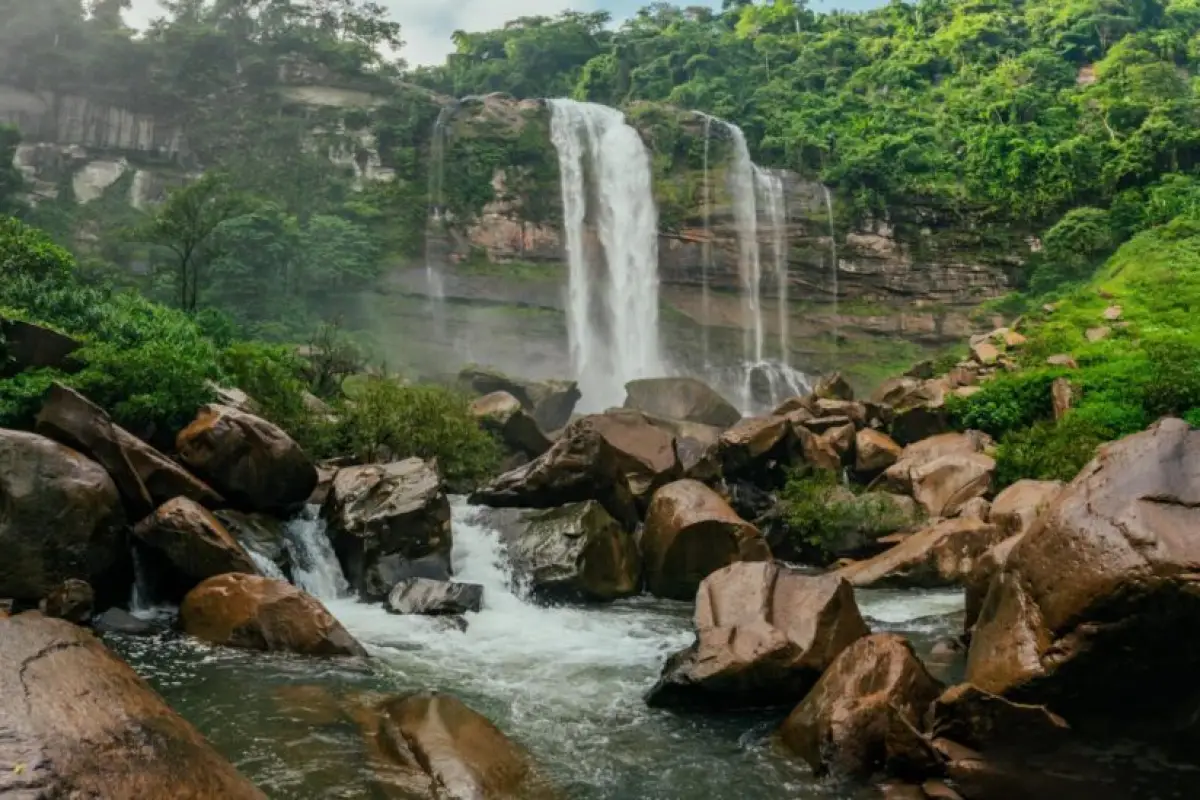
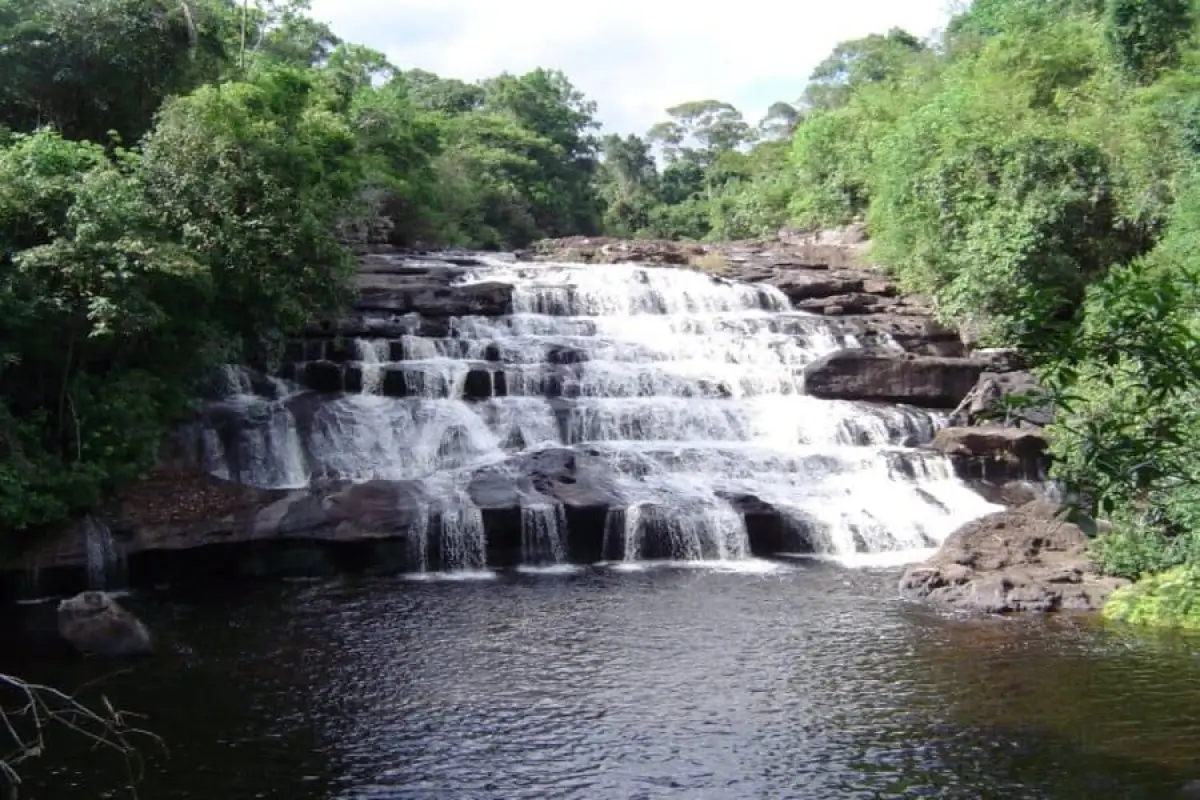
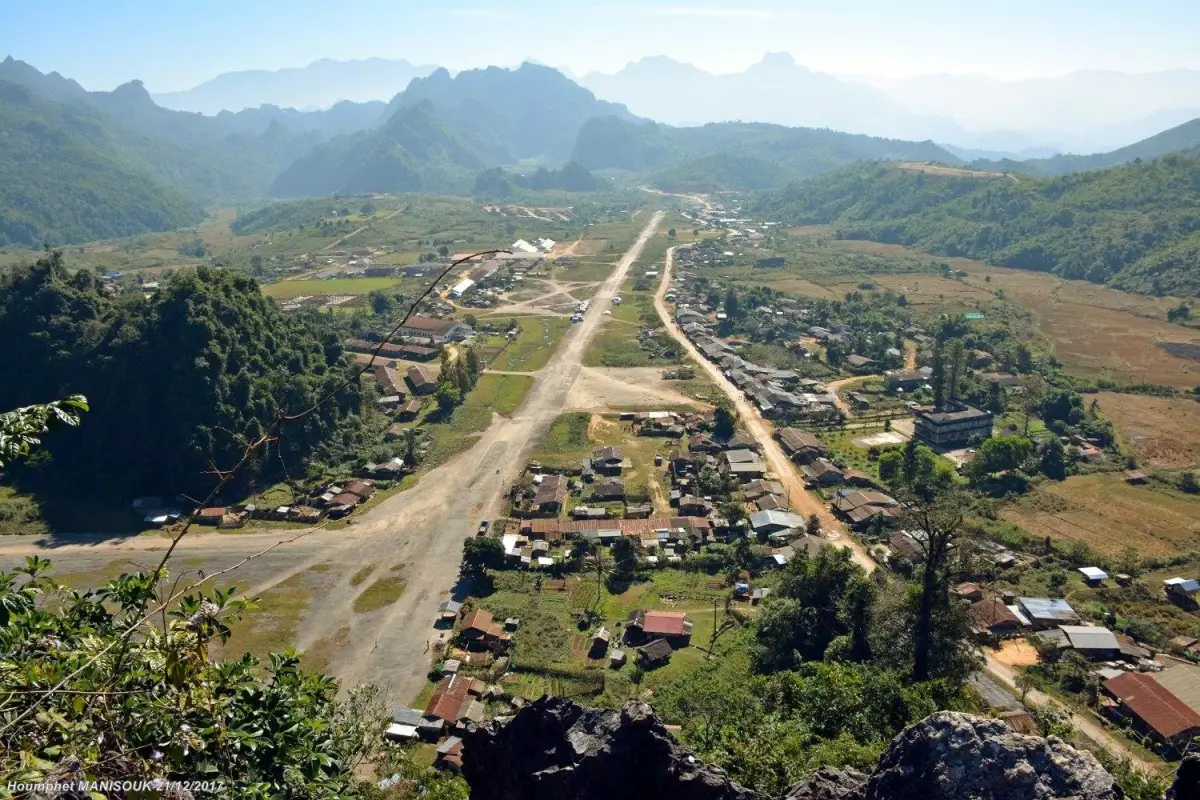
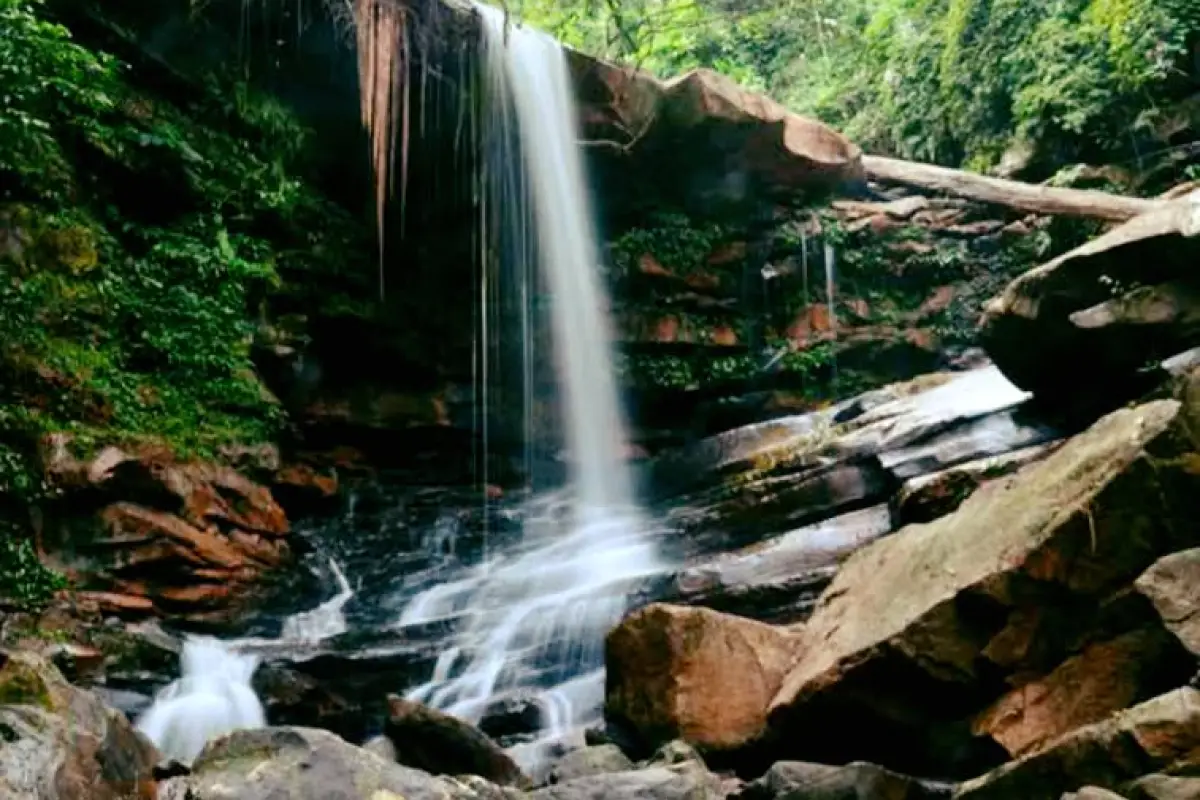
The mountain is located in central Laos, near the southern edge of the Xiangkhouang Plateau. Its high elevation creates a cooler climate than much of the rest of the country, with temperatures occasionally dropping close to freezing during the winter months. The slopes are covered with dense forests, cloud forests, bamboo groves, and rich biodiversity that provide habitat for numerous plant and animal species.
For decades, Phou Bia remained largely inaccessible due to its remote location, military restrictions, and the presence of unexploded ordnance (UXO) left from the Indochina conflicts. As a result, the mountain retained much of its pristine natural environment. In recent years, the Lao government and private investors have begun developing tourism infrastructure with plans for improved road access, viewing areas, and eco-tourism facilities, aiming to transform Phou Bia into one of Laos' premier mountain destinations.
The mountain is also historically significant. During the Secret War in Laos, the Phou Bia region served as a refuge for Hmong communities and was an important area during military operations. Today, the surrounding landscape still carries historical importance, making the mountain attractive not only for nature lovers but also for visitors interested in Laos' modern history.
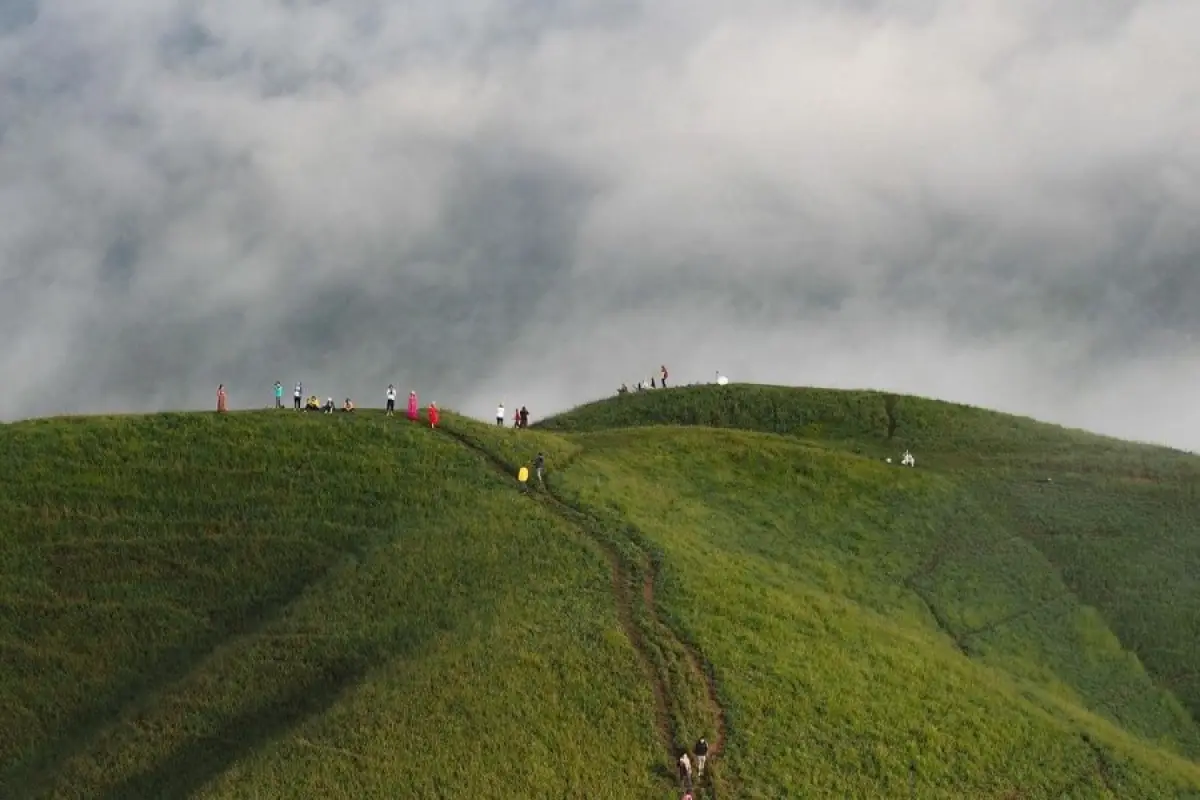
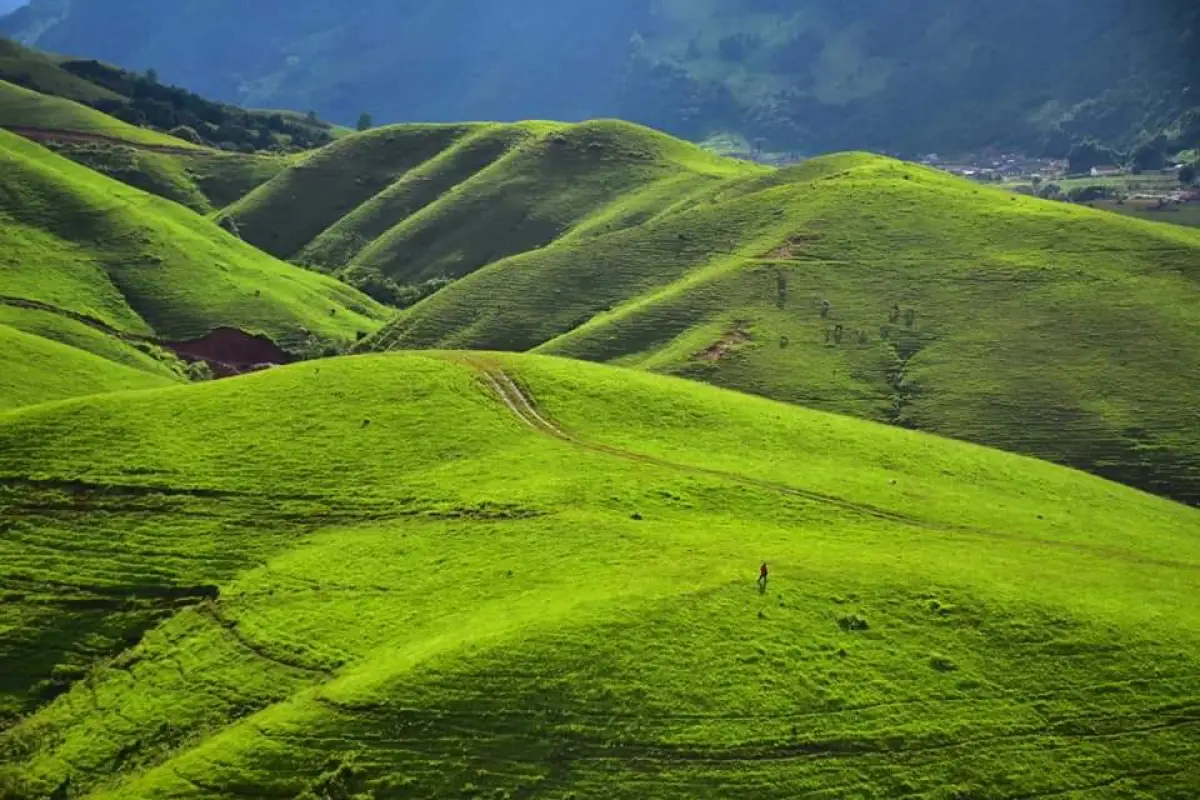
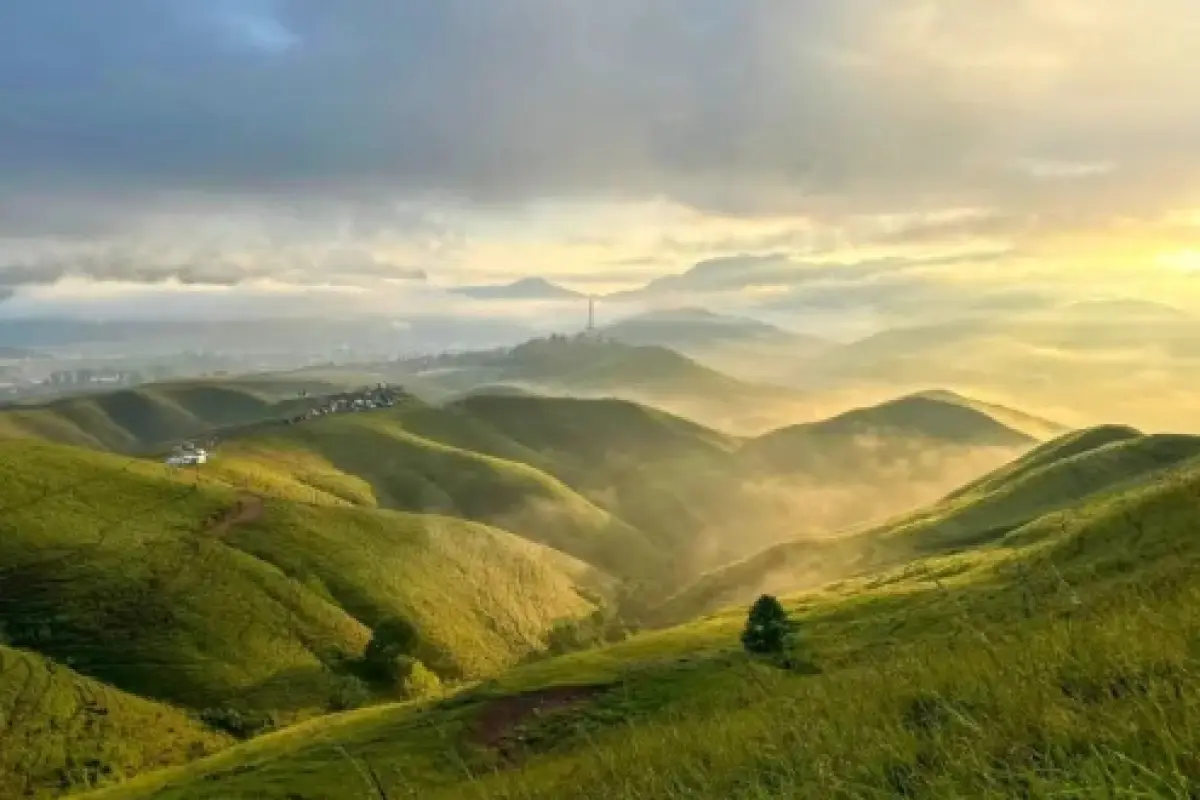
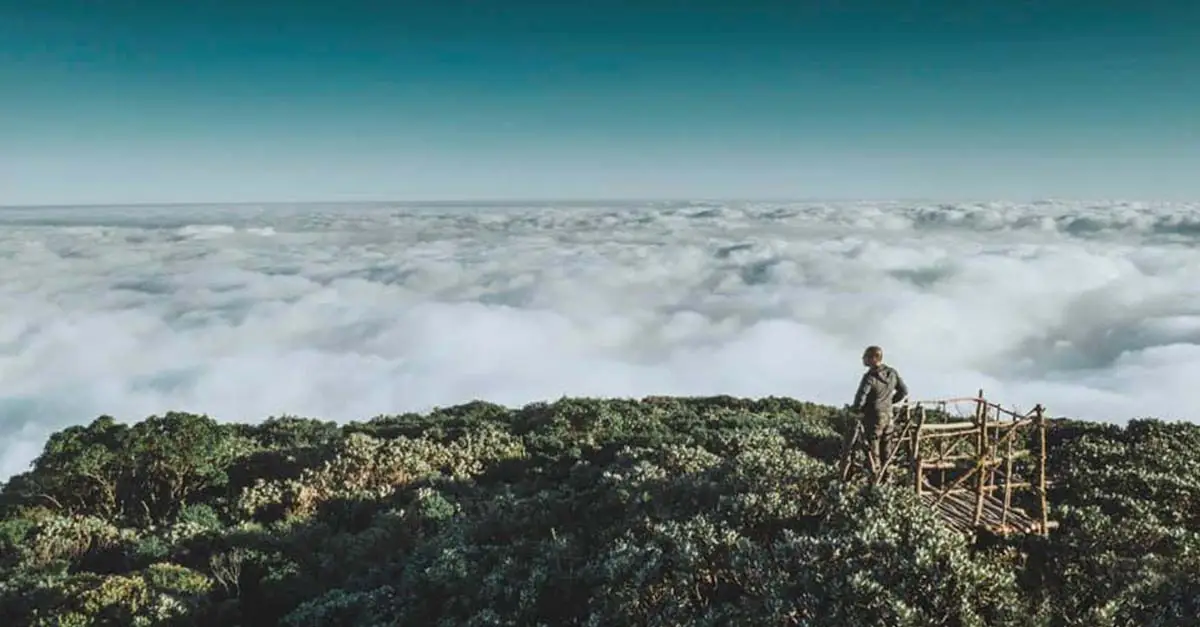
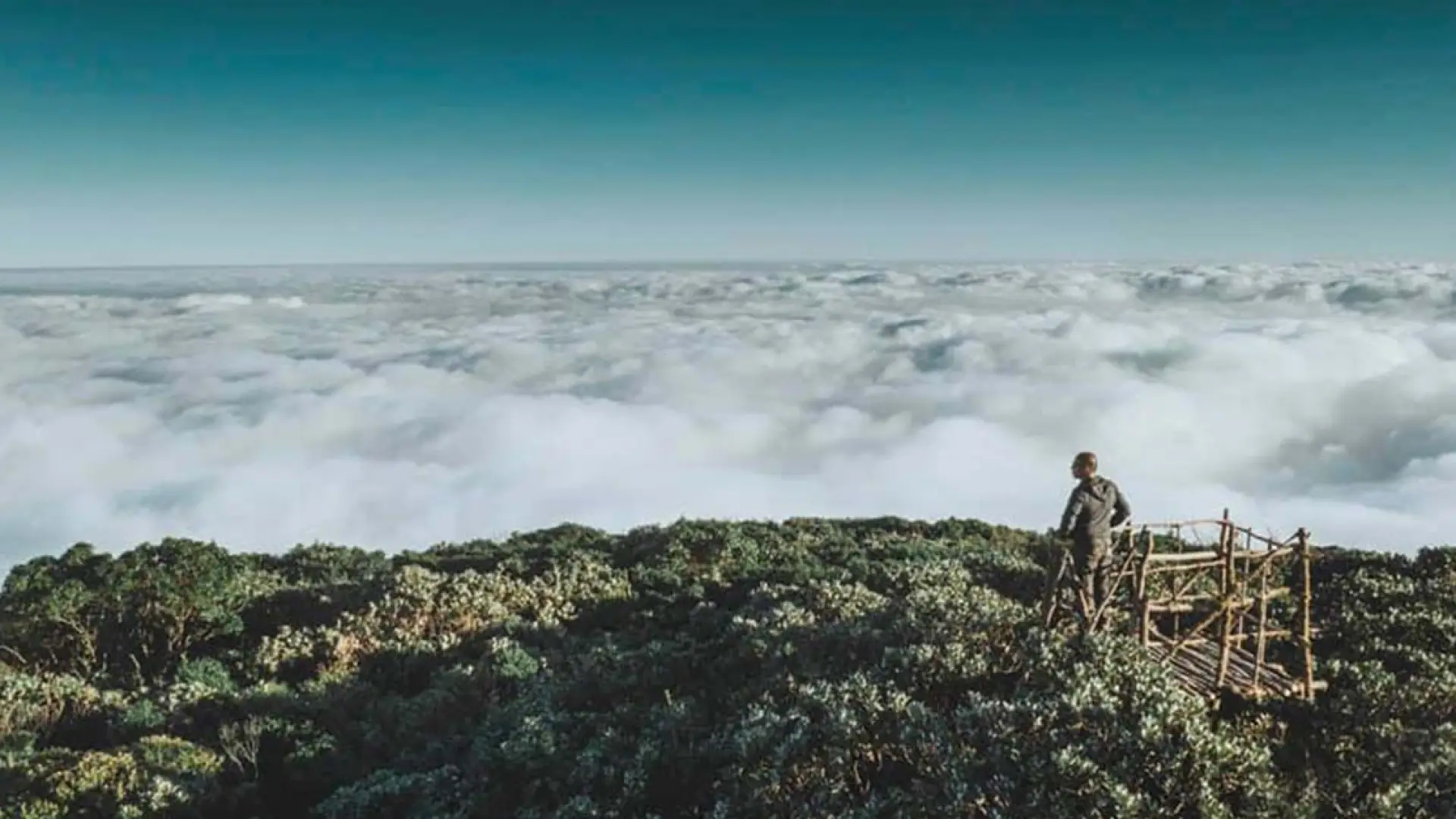
The views from the higher elevations are breathtaking. Visitors can enjoy panoramic vistas of endless mountain ranges, deep valleys, forests, and clouds drifting below the peaks. On clear days, the scenery extends across much of central Laos, creating some of the finest viewpoints in the country. The cool climate and dramatic landscapes make Phou Bia especially appealing for trekking, photography, birdwatching, and adventure tourism.
Because access conditions and tourism development continue to evolve, visitors are strongly advised to check current local regulations and travel with authorized guides when exploring the area. Certain zones may remain restricted or require special permission due to safety considerations.
Opening Hours
- Mountain area accessible daily: 06:00 AM – 06:00 PM
- Trekking and sightseeing are best conducted during daylight hours.
- Best time to visit:
- November to February for cool temperatures and clear mountain views.
- December to January for the possibility of cold-weather mountain conditions.
- Early morning for sunrise photography and cloud formations.
Highlights
- Highest mountain in Laos (approximately 2,820 meters).
- Known as the "Roof of Laos."
- Spectacular panoramic mountain views.
- Cool highland climate.
- Rich biodiversity and forest ecosystems.
- Adventure trekking opportunities.
- Historical significance related to the Secret War.
- One of the most remote and pristine regions in Laos.
- Exceptional sunrise and cloud-sea photography.
- Emerging eco-tourism destination.
Visitor Tips
- Check current access regulations before visiting.
- Travel with an experienced local guide.
- Wear proper hiking footwear and warm clothing.
- Carry sufficient drinking water and snacks.
- Bring rain protection as mountain weather can change rapidly.
- Stay on designated routes due to possible UXO risks in some areas.
- Bring a camera and binoculars for wildlife and landscape viewing.
- Allow a full day or multi-day itinerary depending on access and trekking plans.
- Visit during the dry season for the safest conditions.
- Respect local communities and environmental conservation guidelines.
Location
Phou Bia is located in Anouvong District, Xaysomboun Province, central Laos, approximately 30 km north of Xaysomboun's provincial capital. It lies within the Annamite Range and is the highest peak in the country.