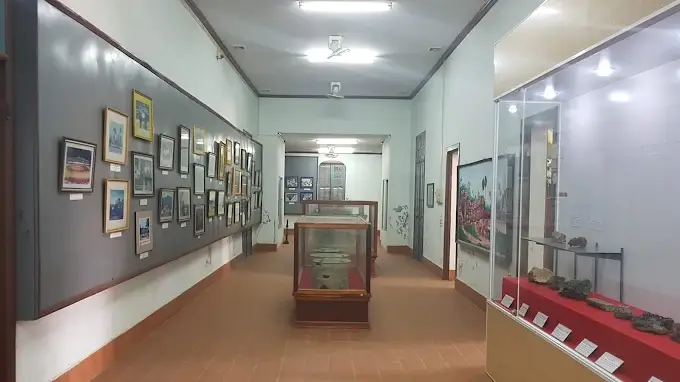
Savannakhet Museum is one of the most important cultural and historical institutions in southern Laos, offering visitors a fascinating journey through the history, archaeology, culture, and natural heritage of Savannakhet Province. Located in the heart of Kaysone Phomvihane City, the museum serves as an excellent introduction to the region and is a must-visit destination for travelers interested in understanding the rich heritage of Laos.
Originally established to preserve and showcase the province's historical and cultural treasures, the museum houses an extensive collection of artifacts that span thousands of years. The exhibits provide valuable insights into the ancient civilizations that once inhabited the region, the development of Lao culture, and the diverse ethnic communities that continue to shape Savannakhet today.
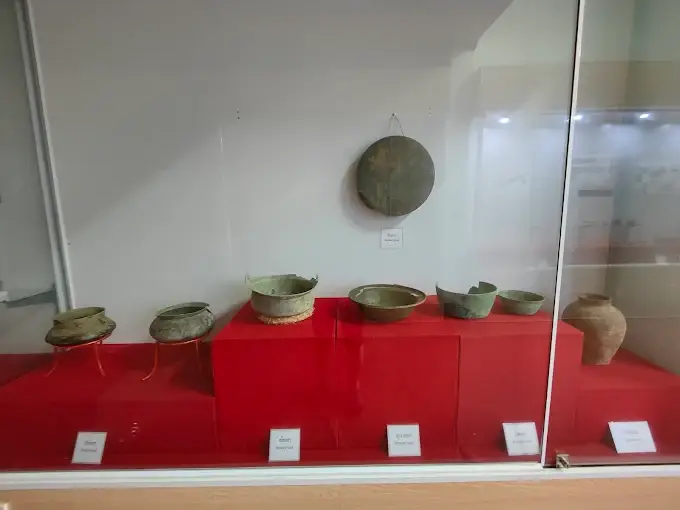
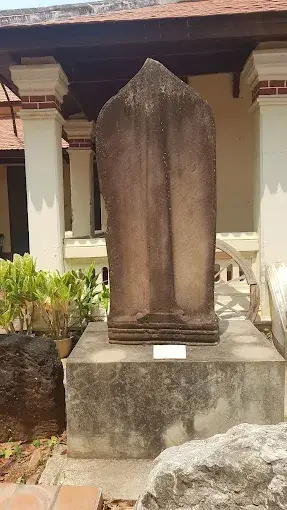
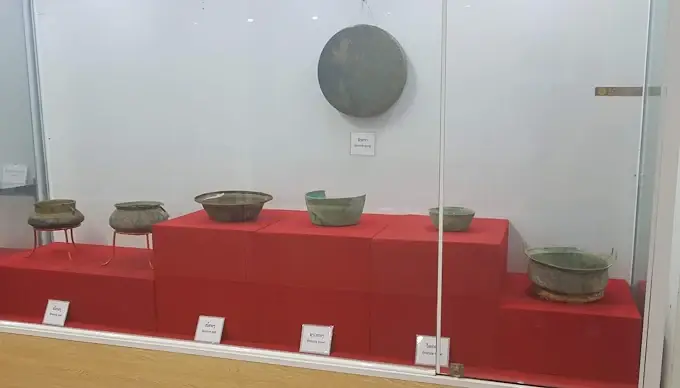
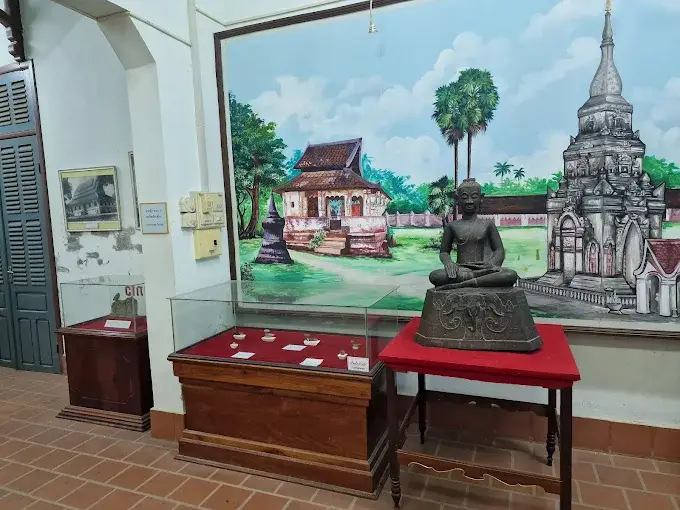
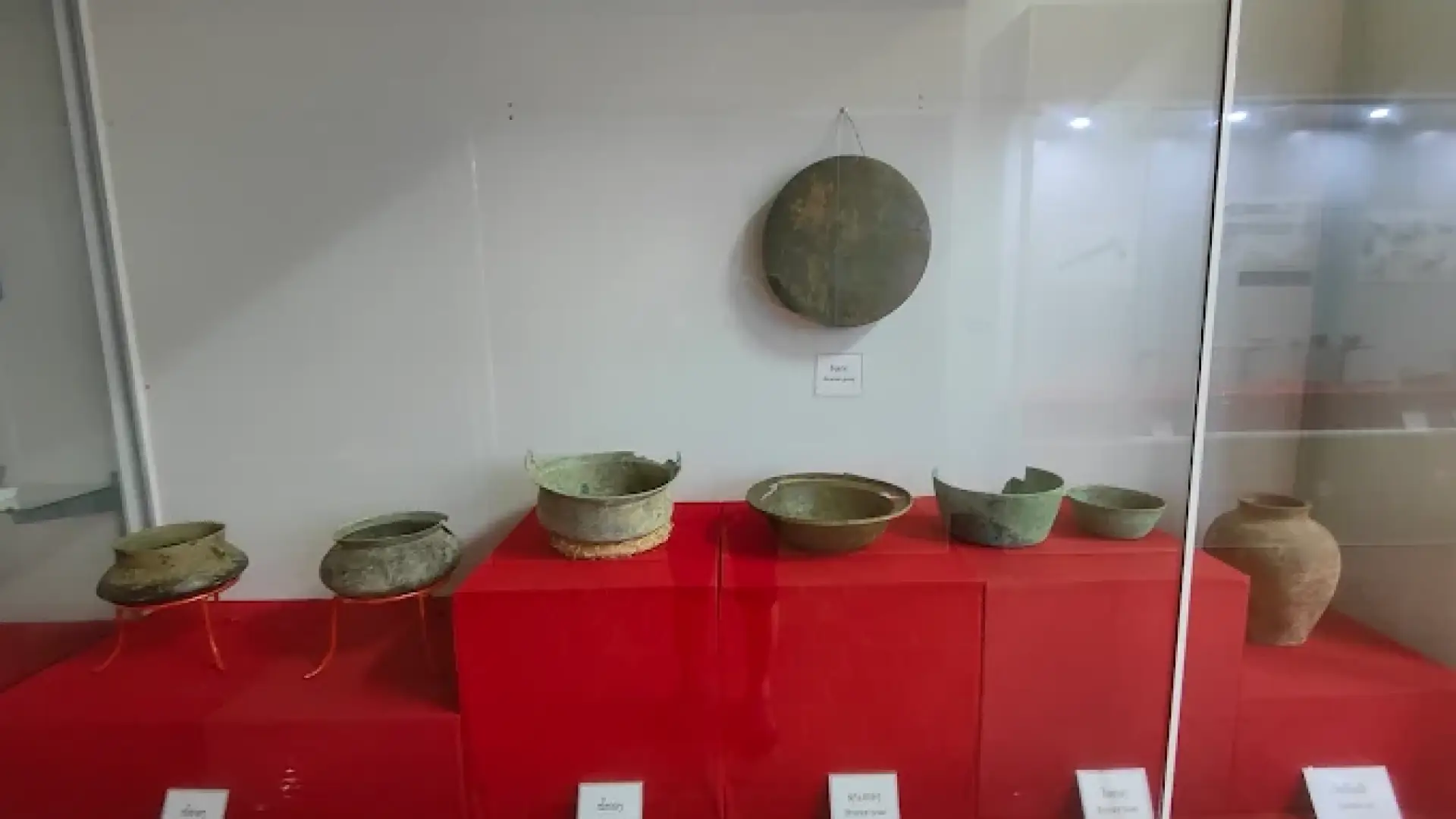
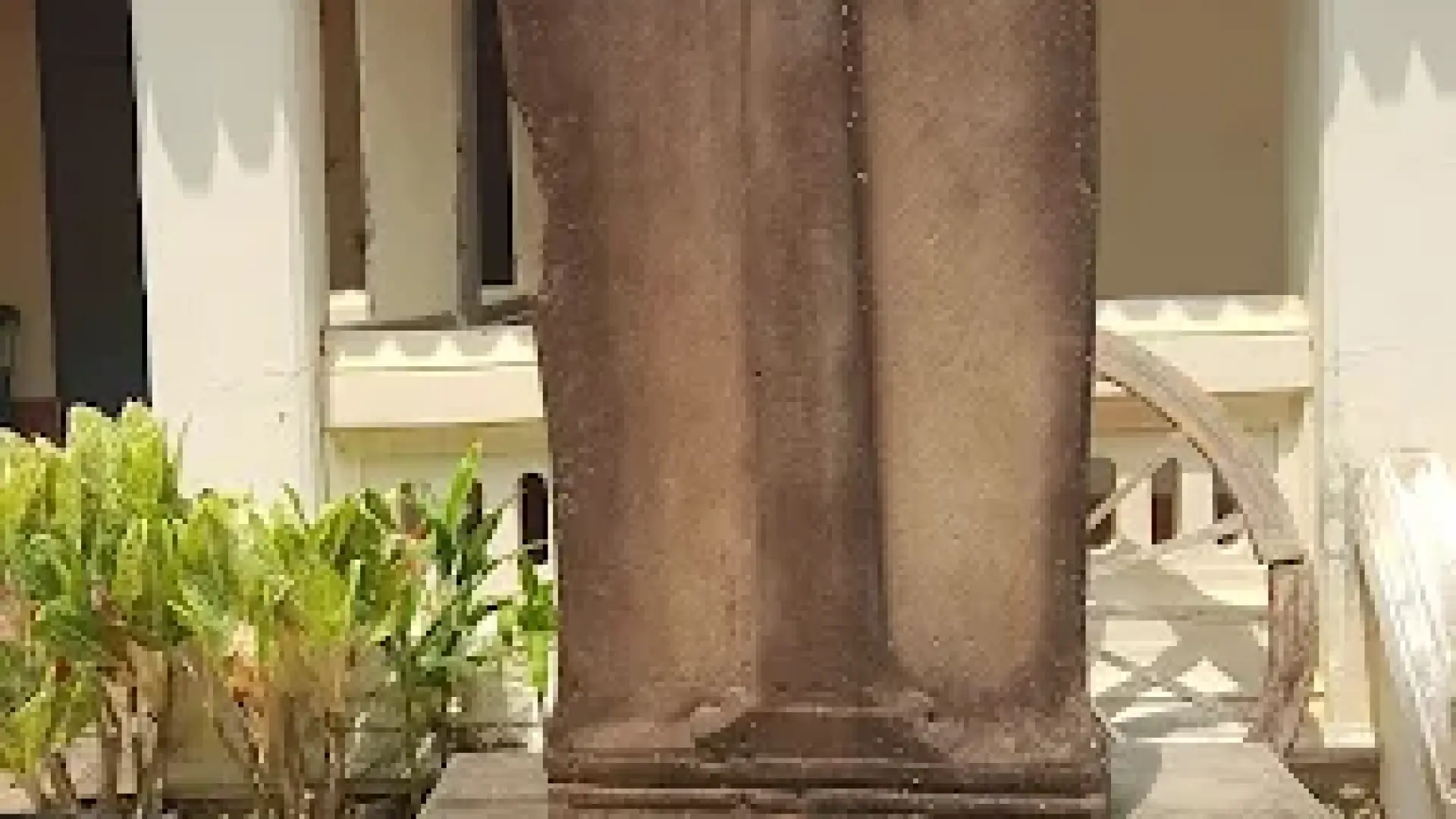
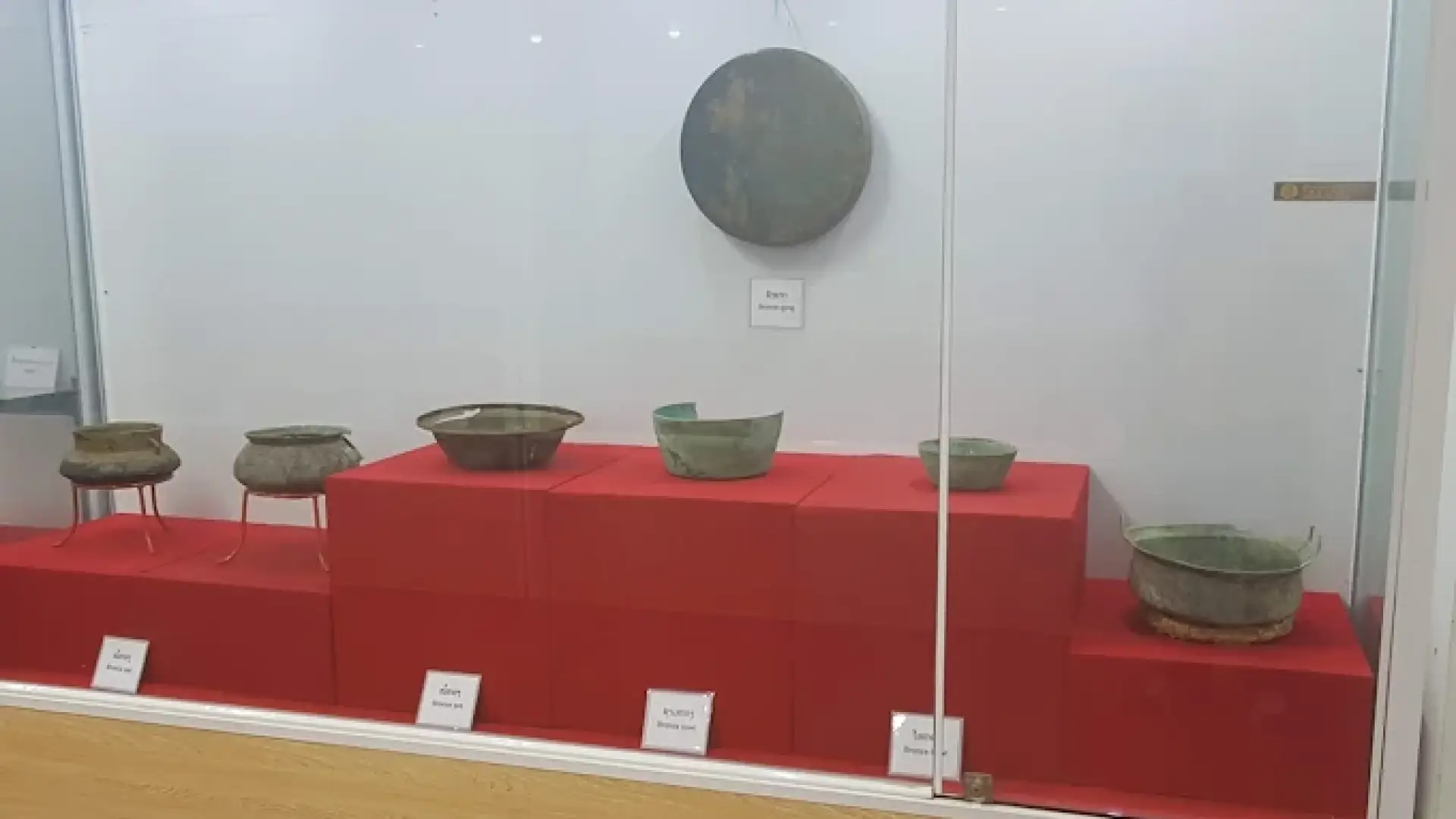
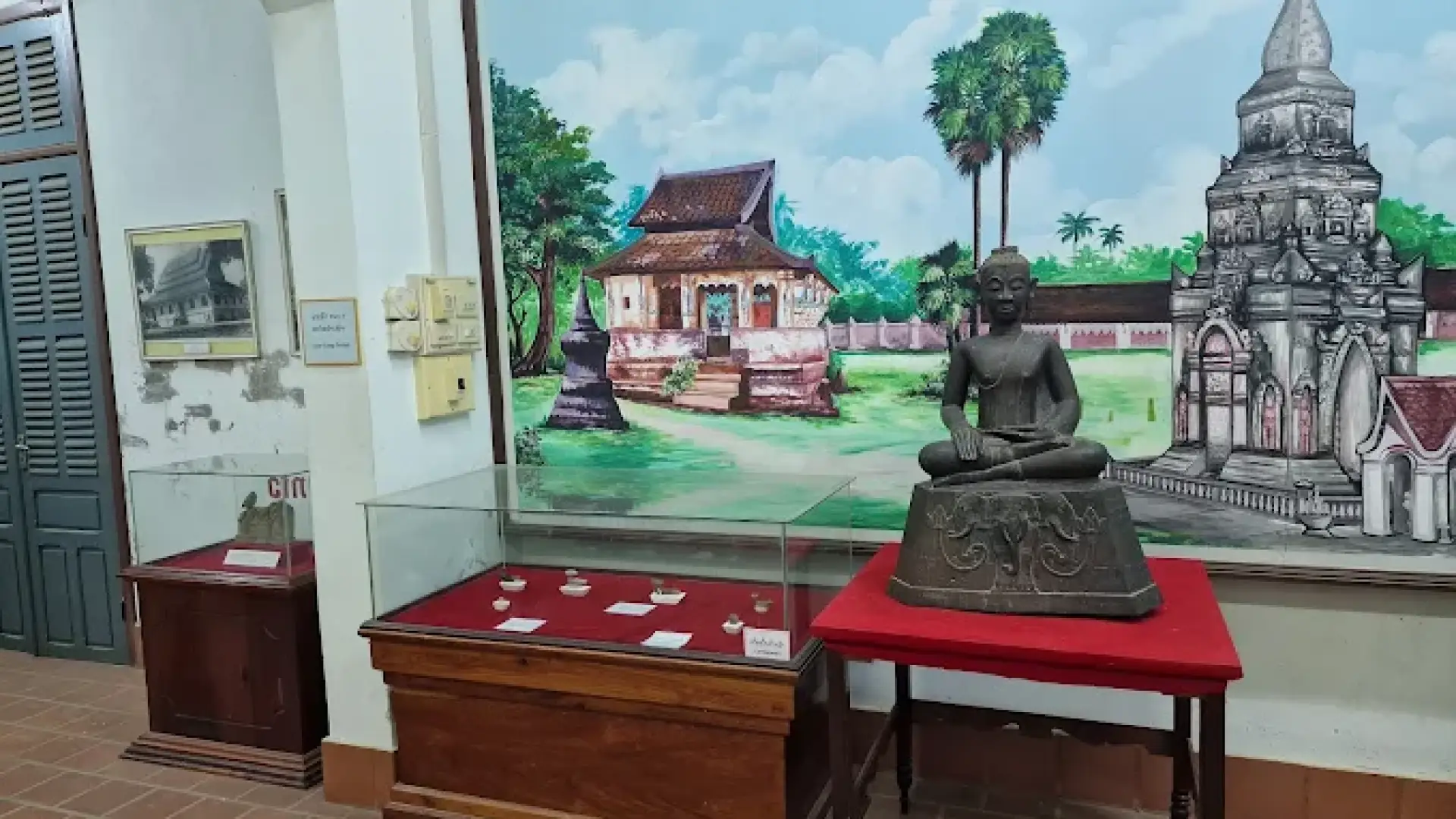
One of the museum's main attractions is its archaeological collection, which includes prehistoric tools, pottery, bronze objects, ancient ceramics, and relics discovered at important archaeological sites throughout the province. These exhibits help visitors understand the area's long history of human settlement and its significance as a crossroads of cultures in mainland Southeast Asia.
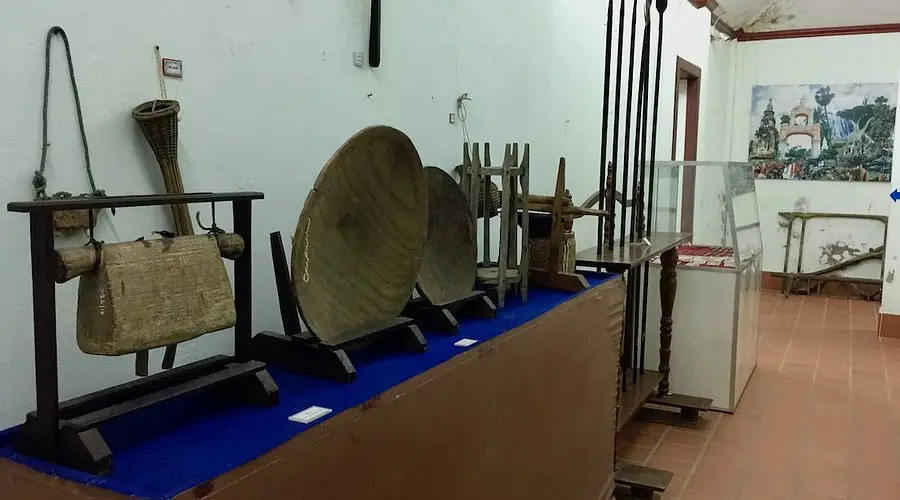
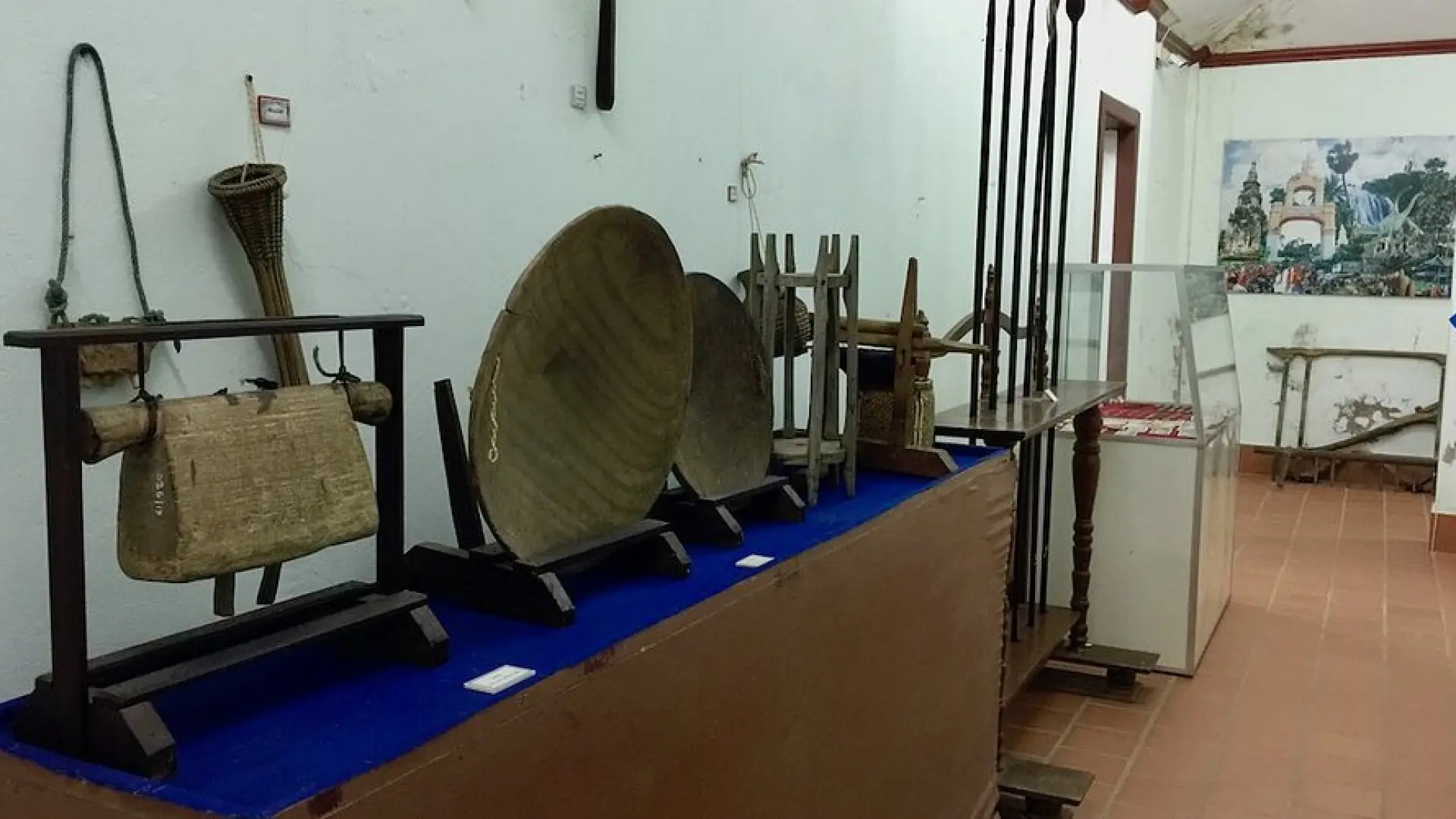
The museum also features displays dedicated to the province's ethnic diversity. Savannakhet is home to numerous ethnic groups, each with its own traditions, clothing, crafts, and customs. Visitors can explore exhibits showcasing traditional costumes, household items, musical instruments, handicrafts, and cultural practices that reflect the unique identities of these communities.
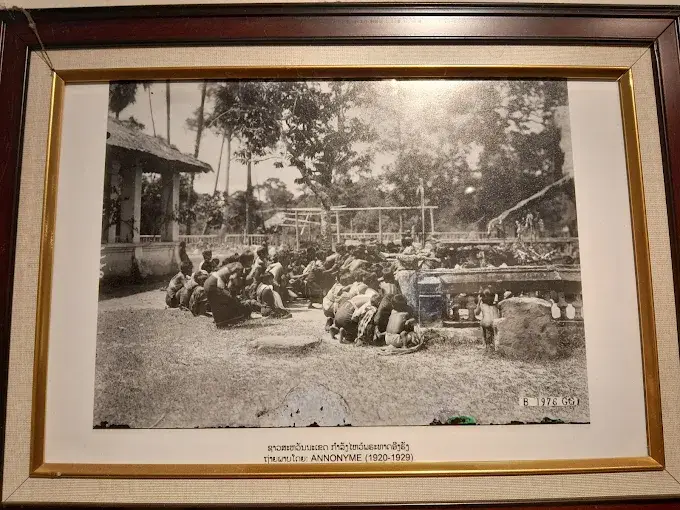
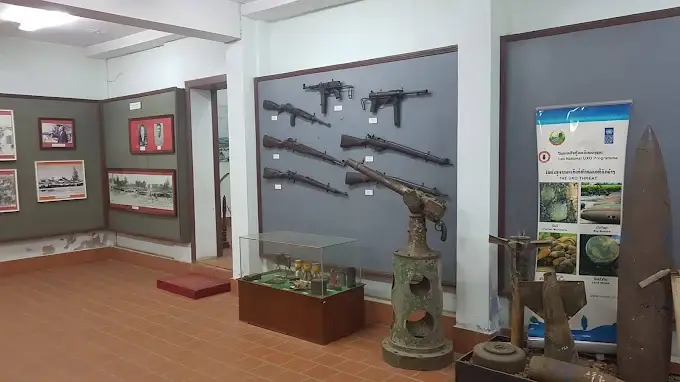
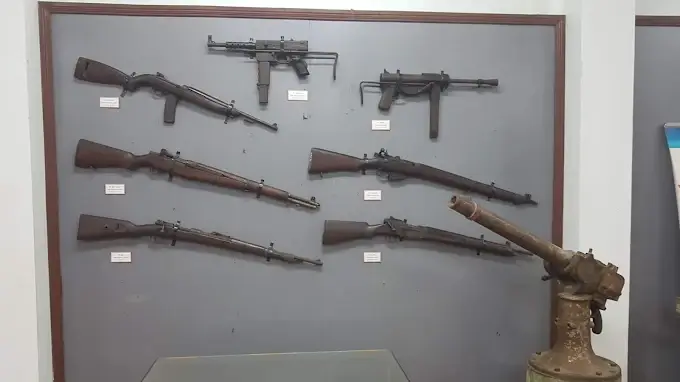
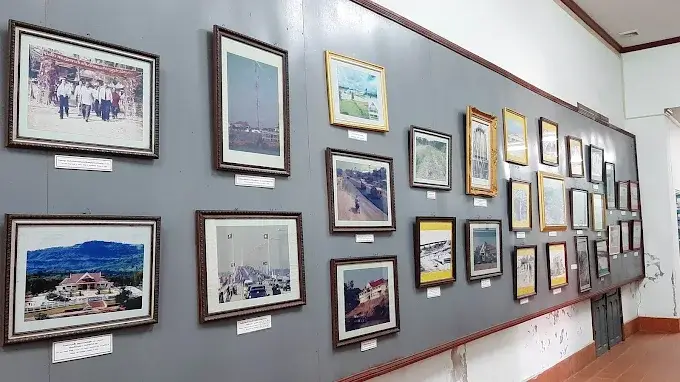
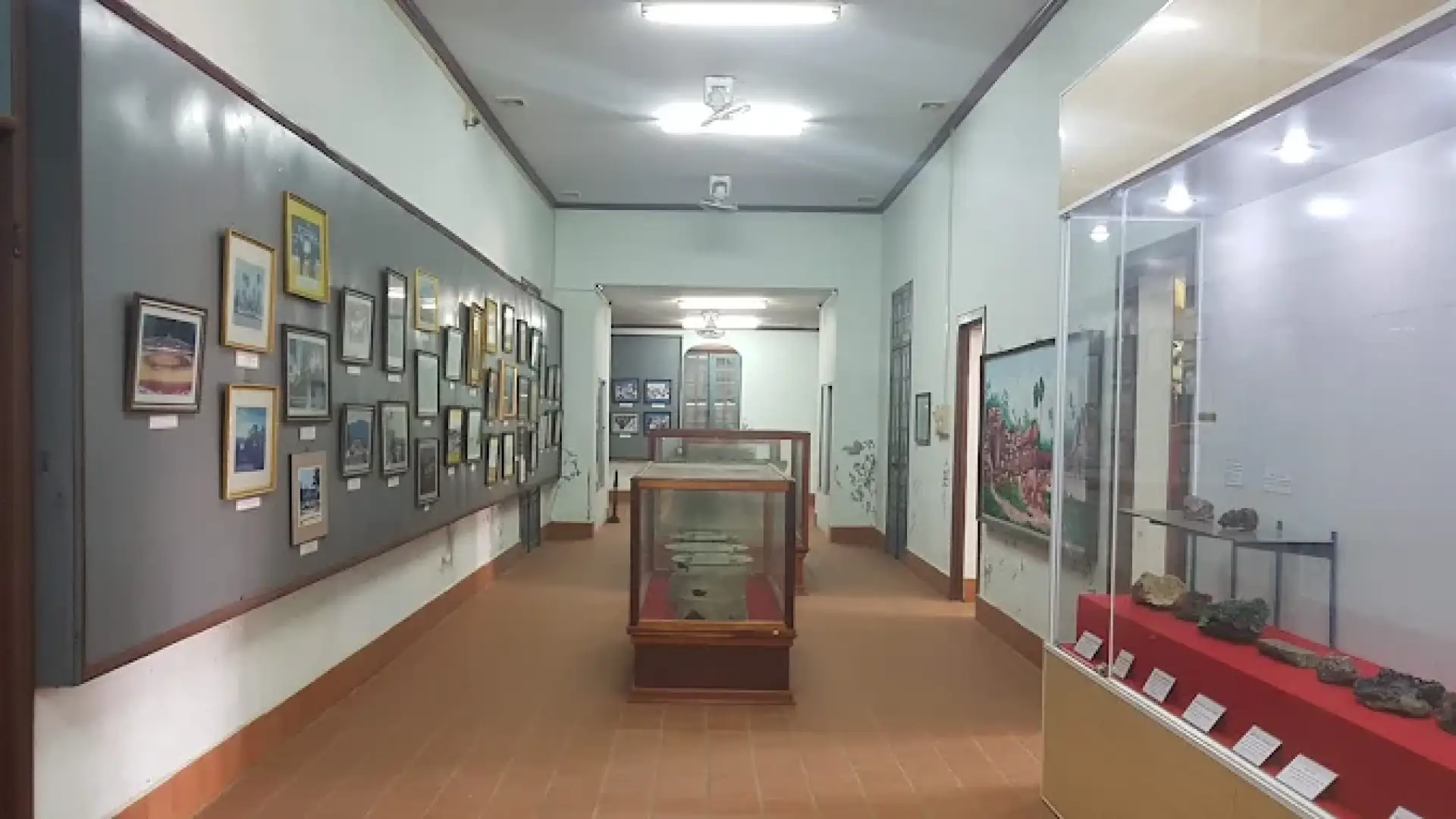
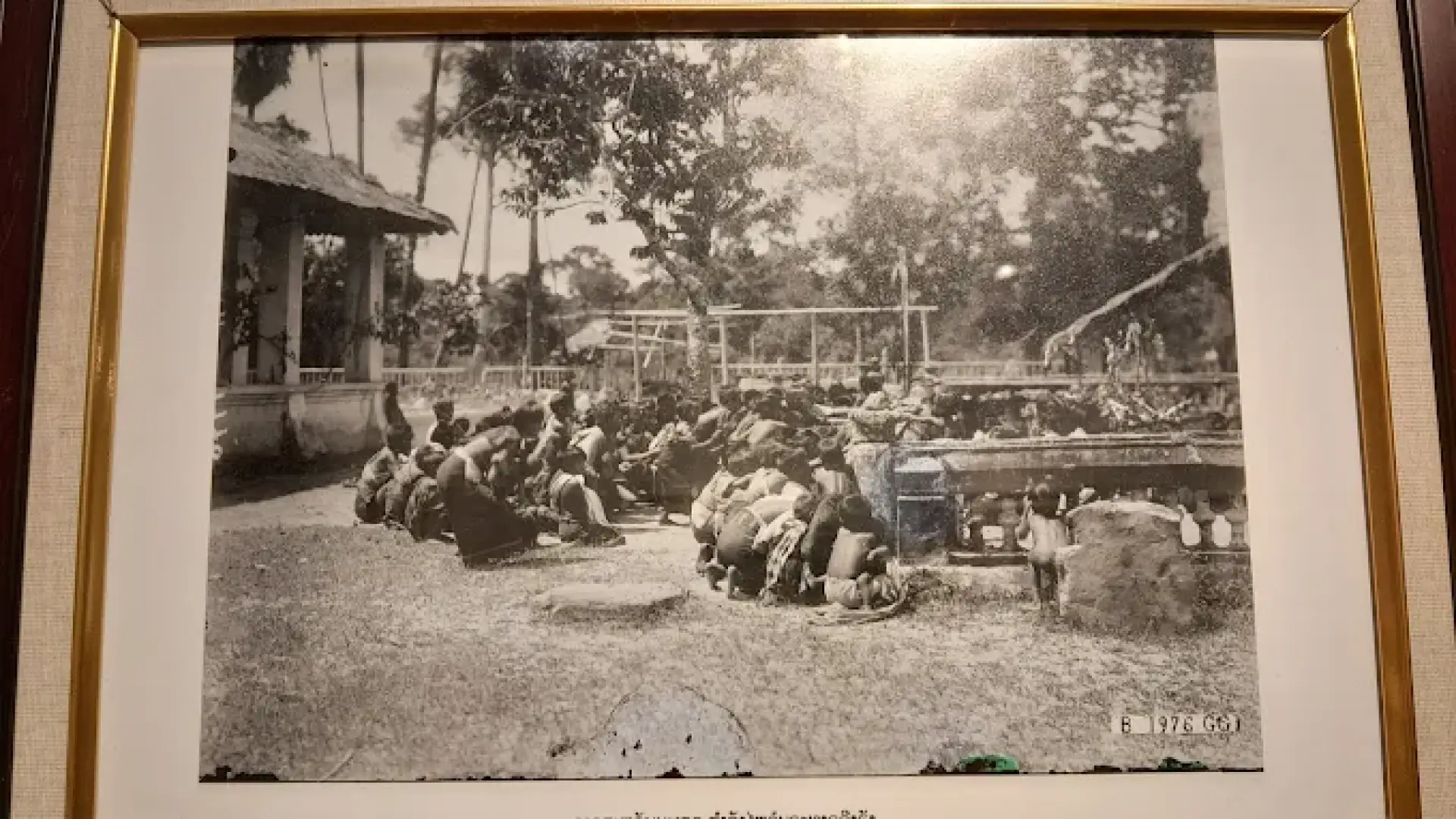
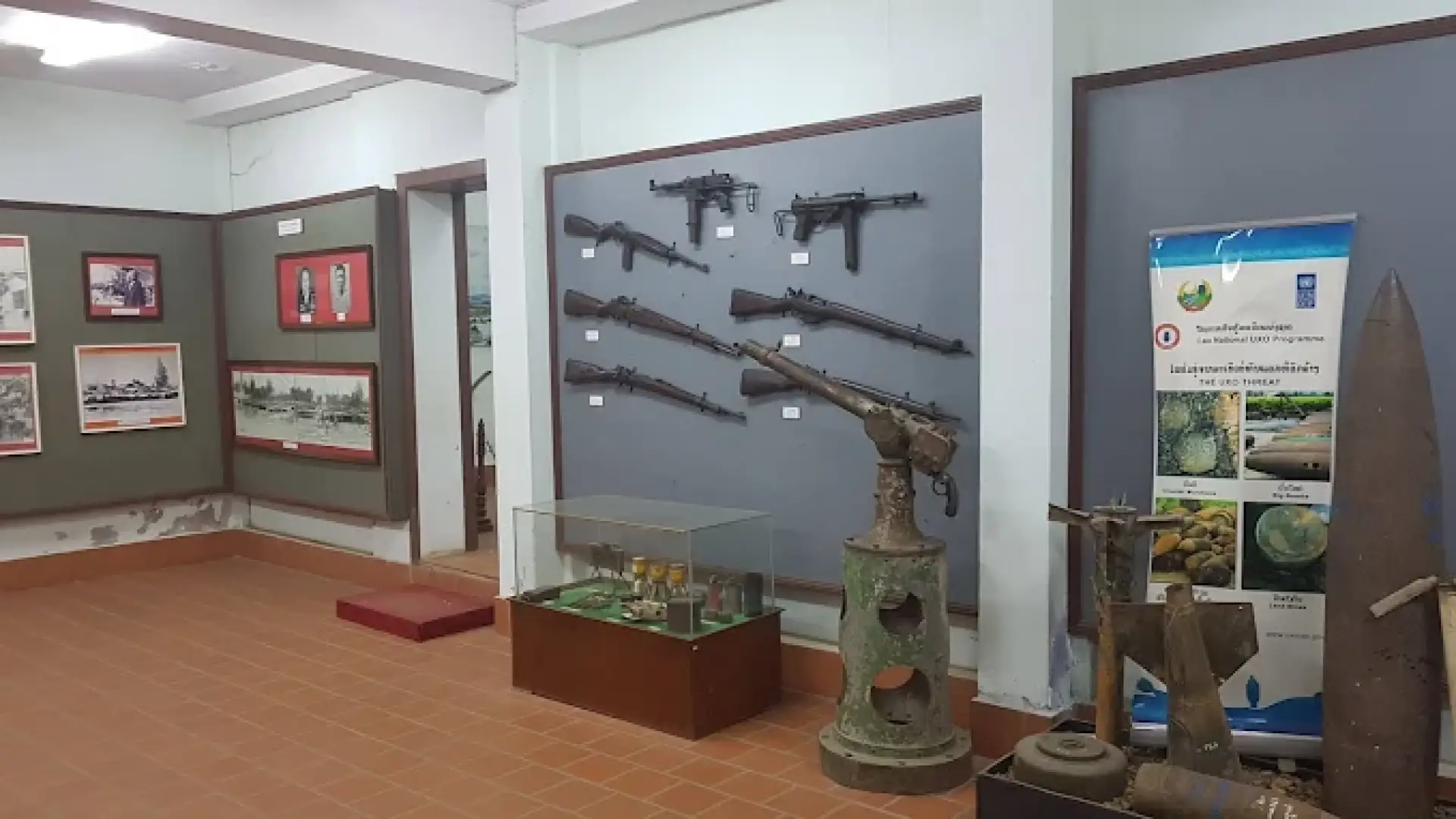
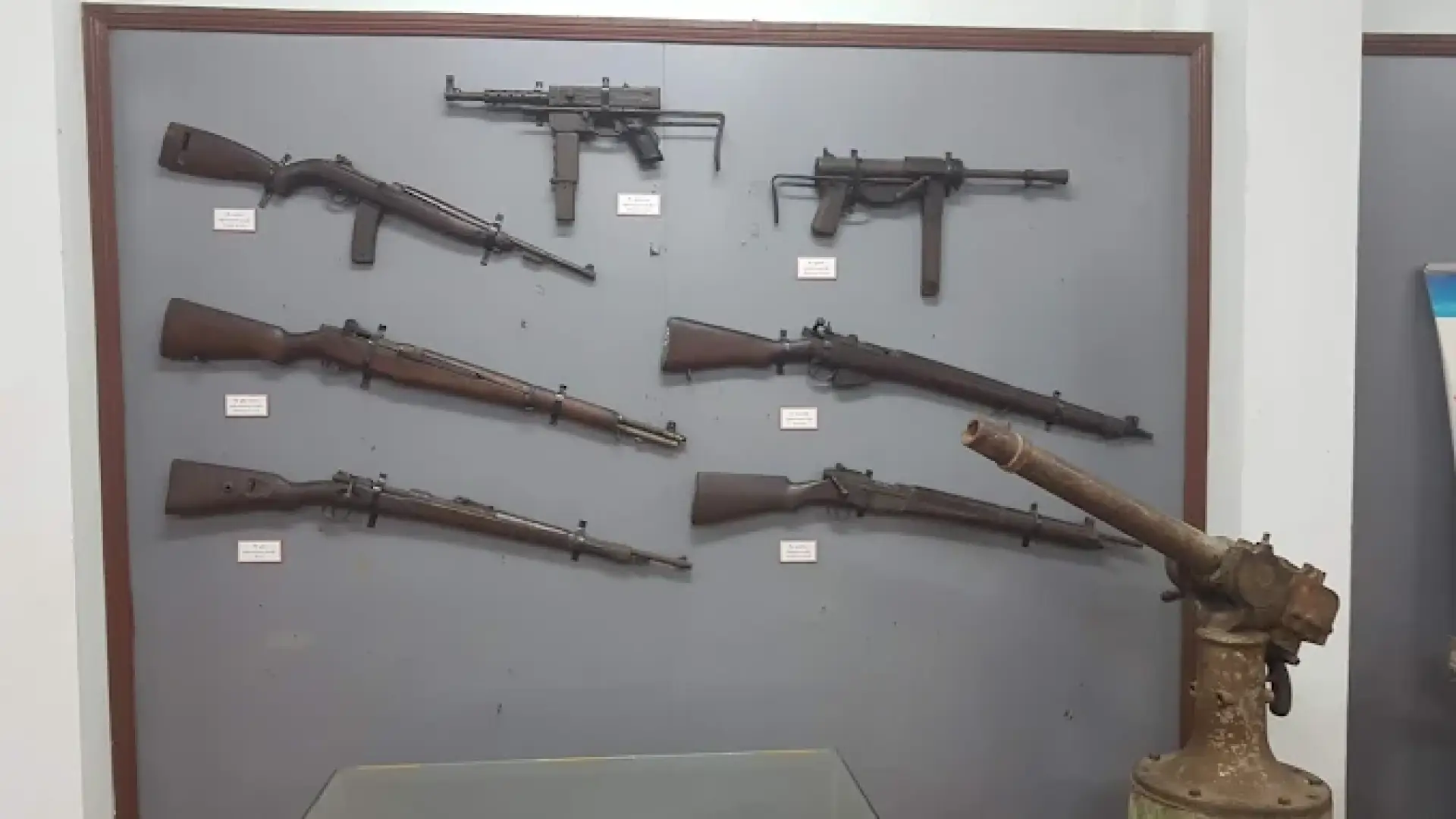
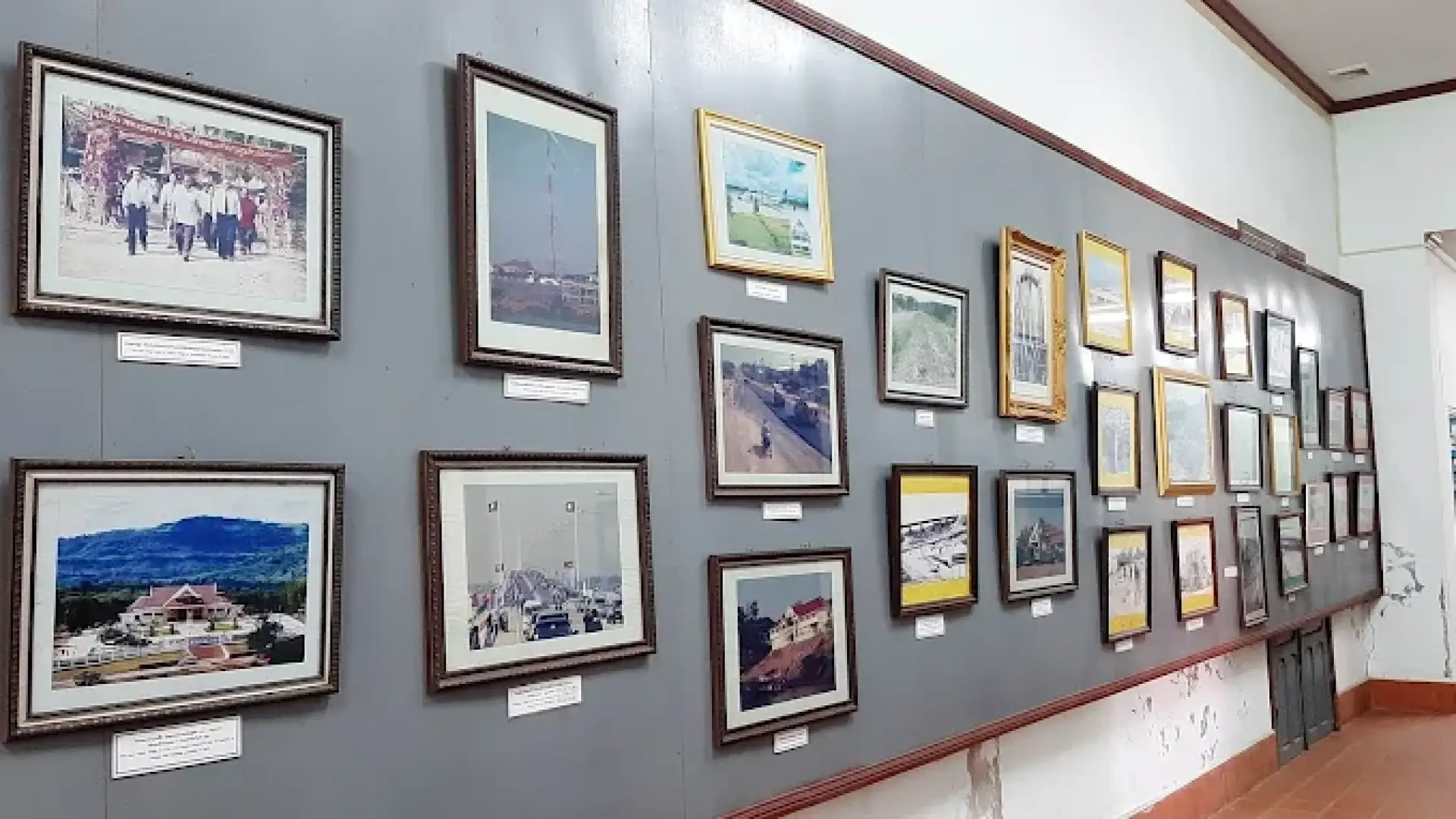
Another important section focuses on the colonial era and modern history of Savannakhet. Historical photographs, documents, and artifacts illustrate the city's development during the French colonial period, when Savannakhet became one of Laos' most important administrative and commercial centers. The museum also highlights key events in Laos' struggle for independence and national development.
Nature enthusiasts will appreciate exhibits featuring local wildlife, geology, and natural resources. Displays introduce visitors to the province's forests, rivers, biodiversity, and protected areas, providing a broader understanding of the region's environmental significance.
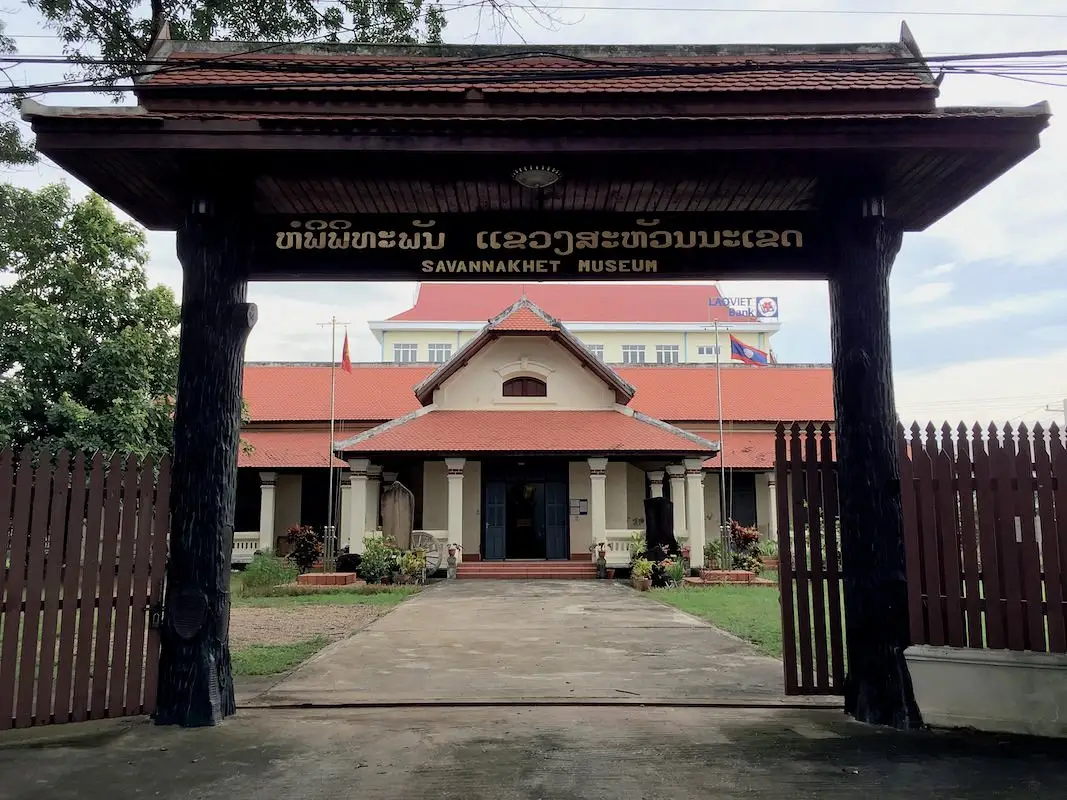
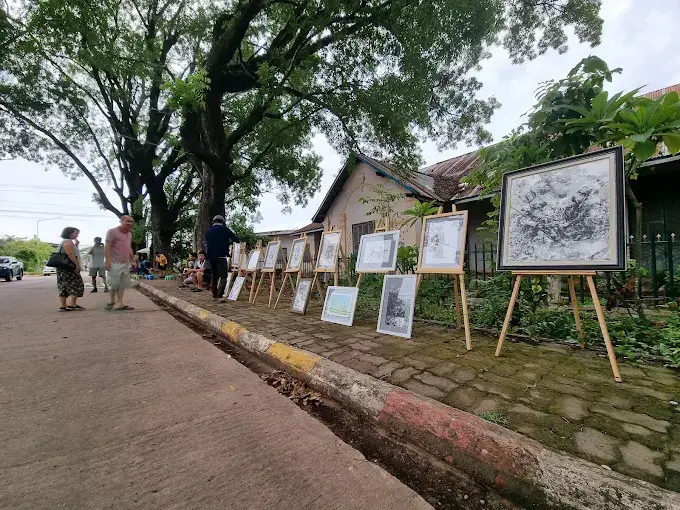
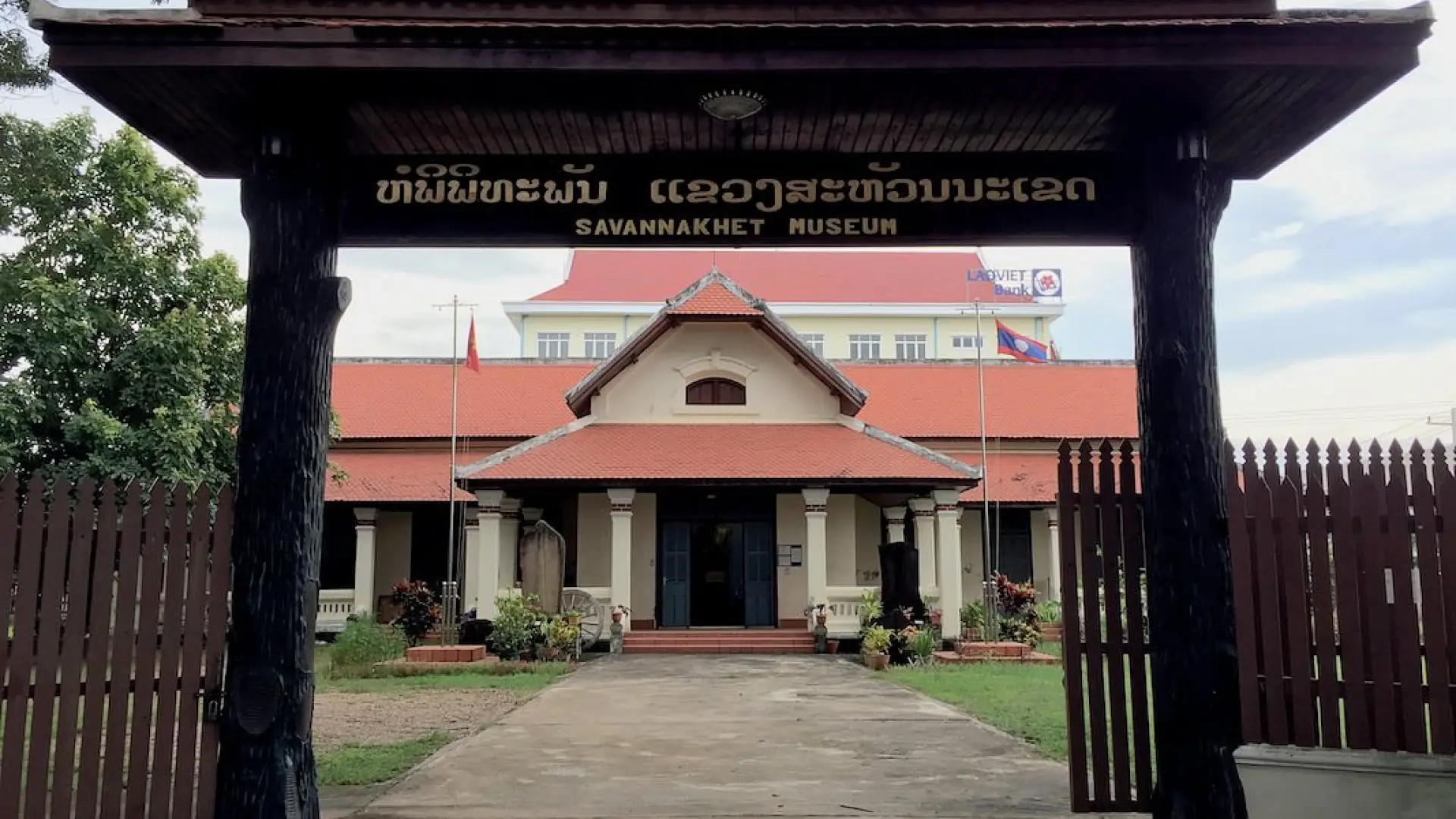
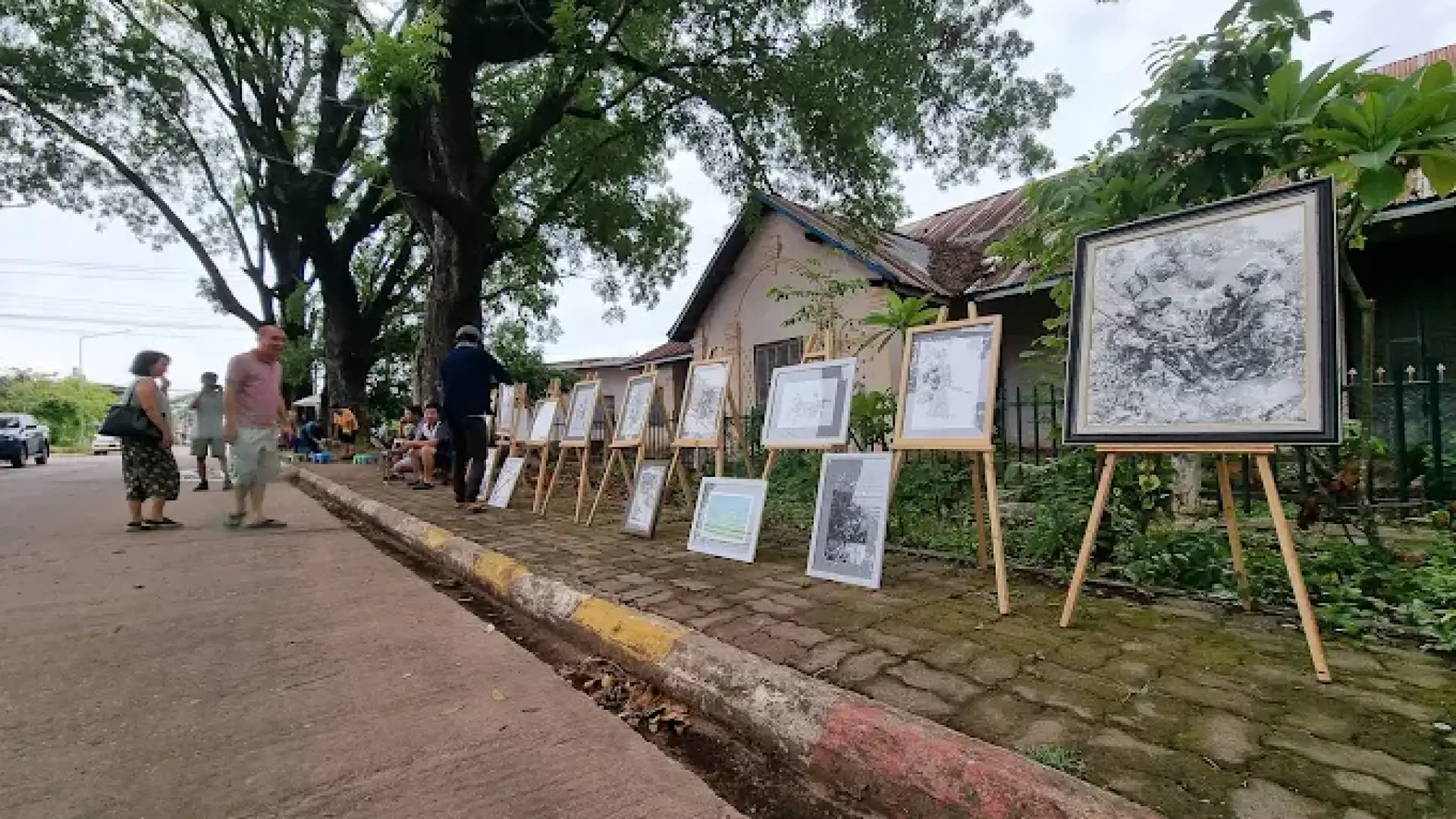
Housed in a historic colonial-style building, the museum itself is part of Savannakhet's heritage. The architecture reflects the city's French colonial past and adds to the overall visitor experience. The museum's central location makes it an easy addition to any sightseeing itinerary, especially when combined with nearby temples, colonial buildings, and cultural attractions.
Whether you are interested in archaeology, history, culture, ethnography, or natural heritage, Savannakhet Museum offers one of the most comprehensive introductions to southern Laos and provides valuable context for exploring the province.
Opening Hours
- Tuesday – Sunday: 08:00 AM – 12:00 PM and 01:00 PM – 04:00 PM
- Closed on Mondays and major public holidays.
- Best time to visit:
- Morning hours for a quieter experience.
- Early afternoon to explore the museum before visiting nearby attractions.
Highlights
- Extensive archaeological and historical collections.
- Artifacts dating back thousands of years.
- Exhibits on local ethnic groups and traditional cultures.
- French colonial-era history displays.
- Traditional costumes, crafts, and household items.
- Natural history and wildlife exhibits.
- Historic colonial-style museum building.
- Educational and family-friendly attraction.
- Excellent introduction to Savannakhet Province.
- Valuable insight into Lao culture and history.
Visitor Tips
- Allow 1–2 hours to fully explore the exhibits.
- Visit early in the day to avoid the hottest hours.
- Photography policies may vary; check with museum staff.
- Read exhibit descriptions for deeper historical context.
- Combine your visit with nearby temples and colonial architecture.
- Bring water, especially during the hot season.
- Consider hiring a local guide for additional historical insights.
- Respect museum rules regarding artifacts and displays.