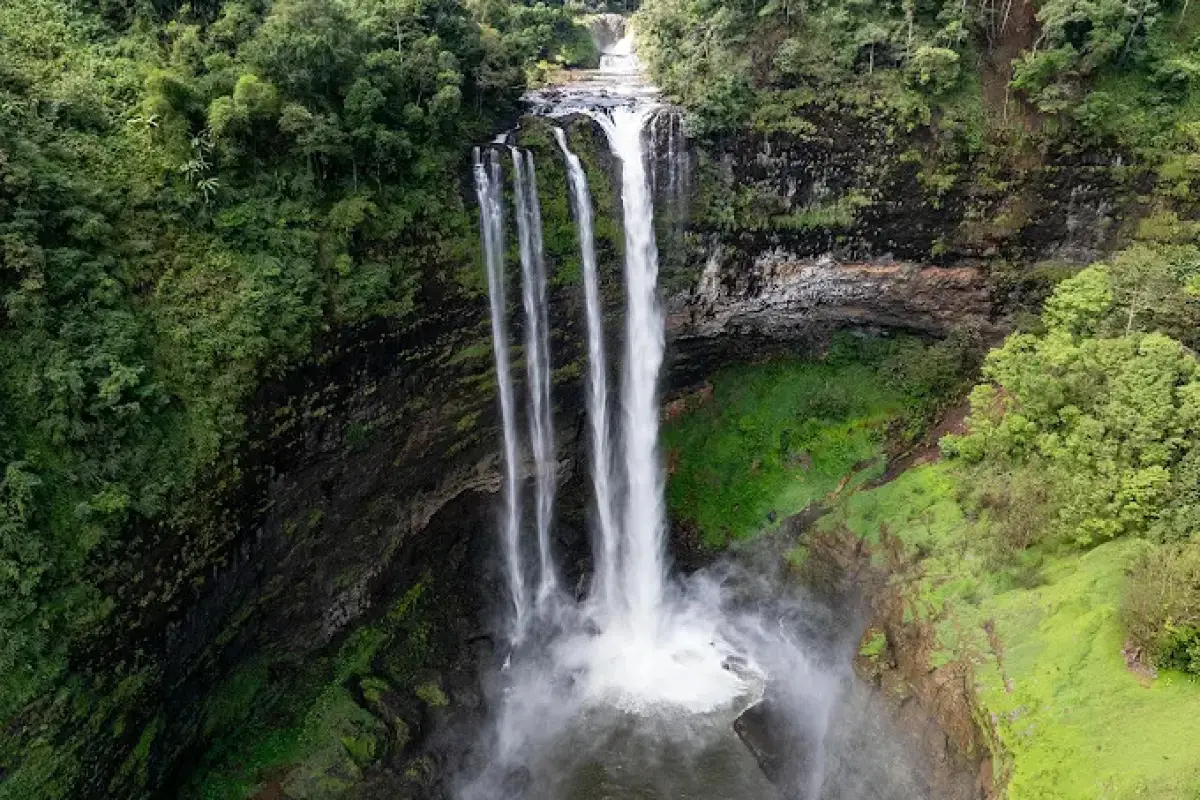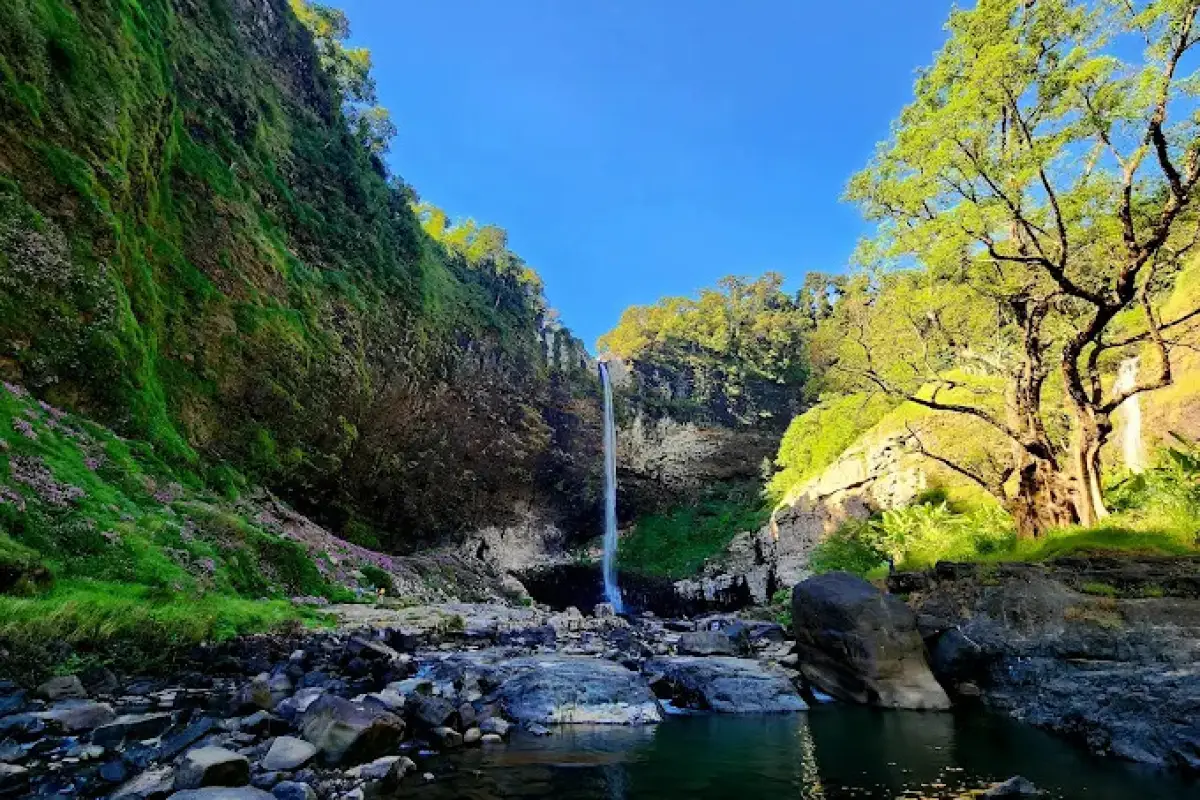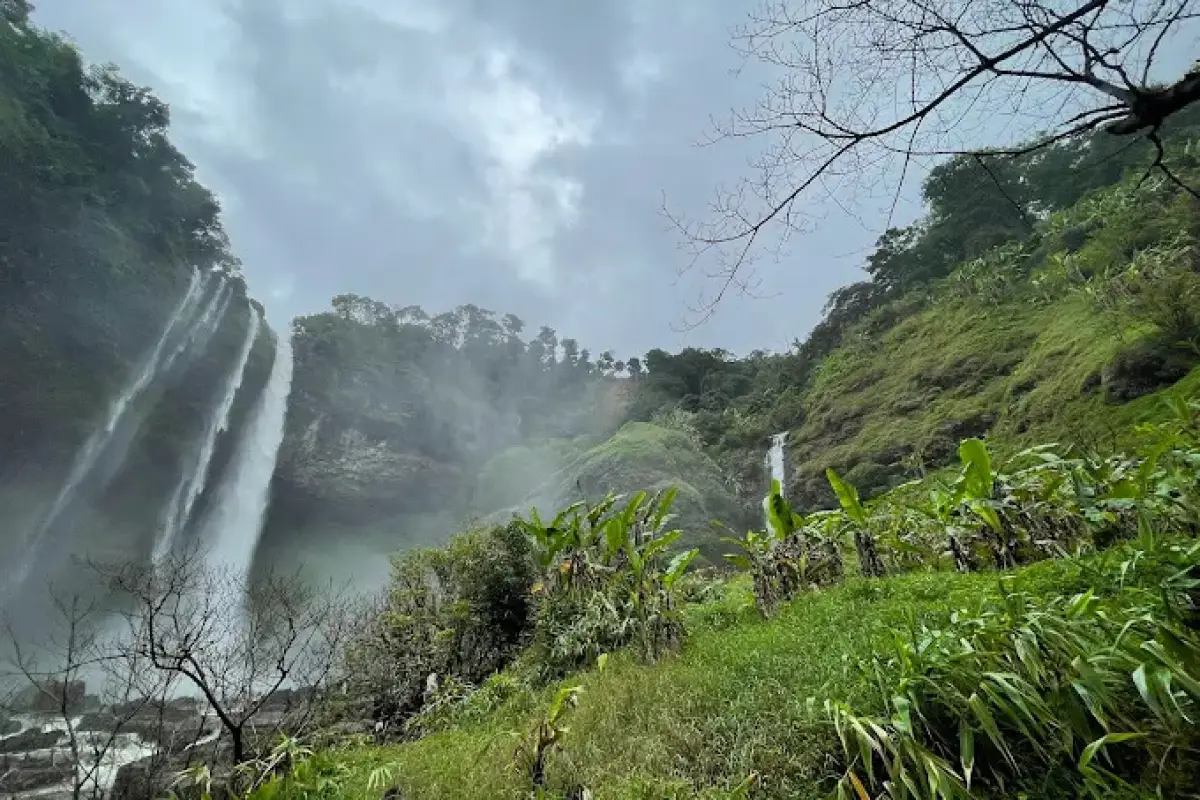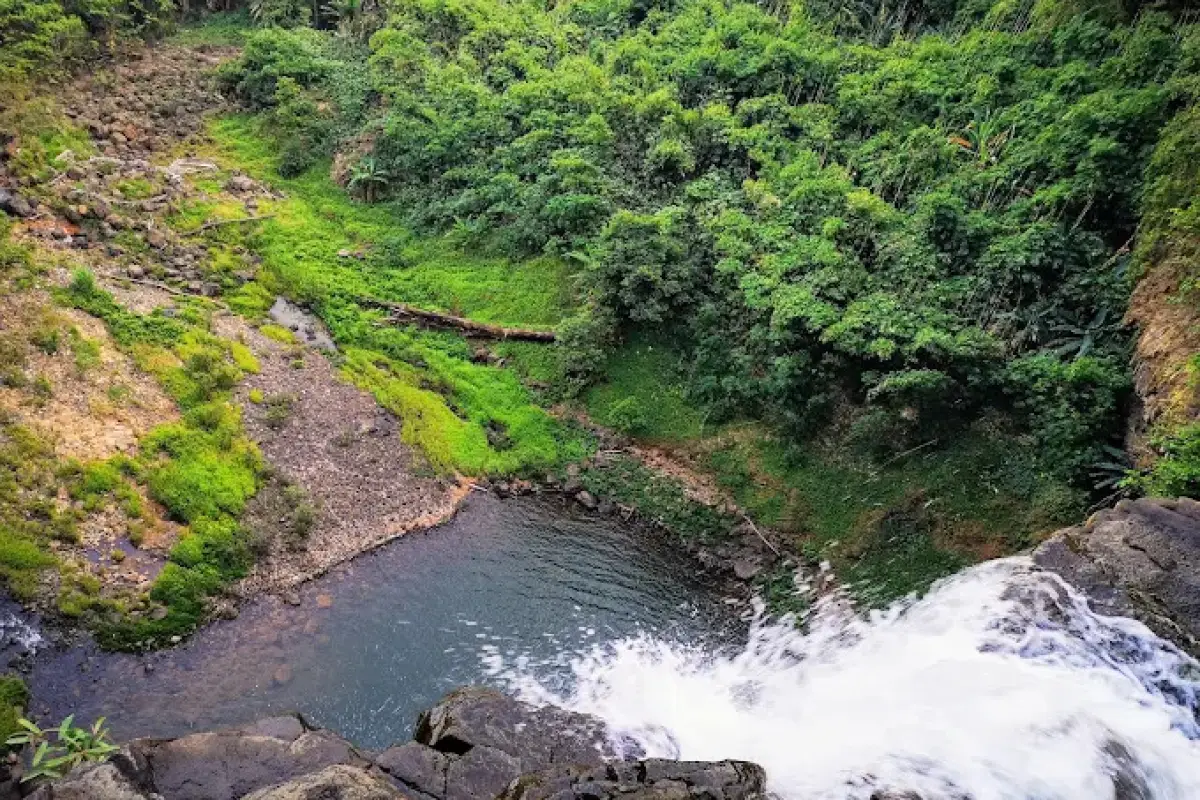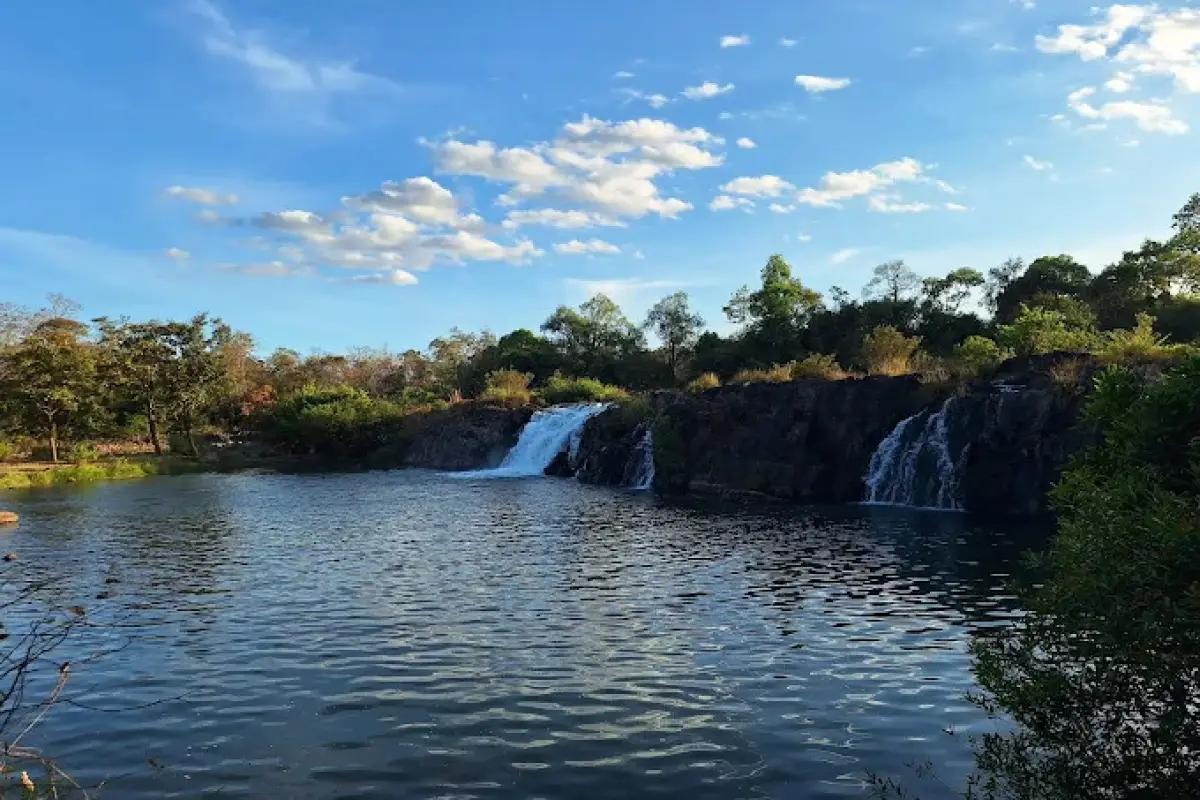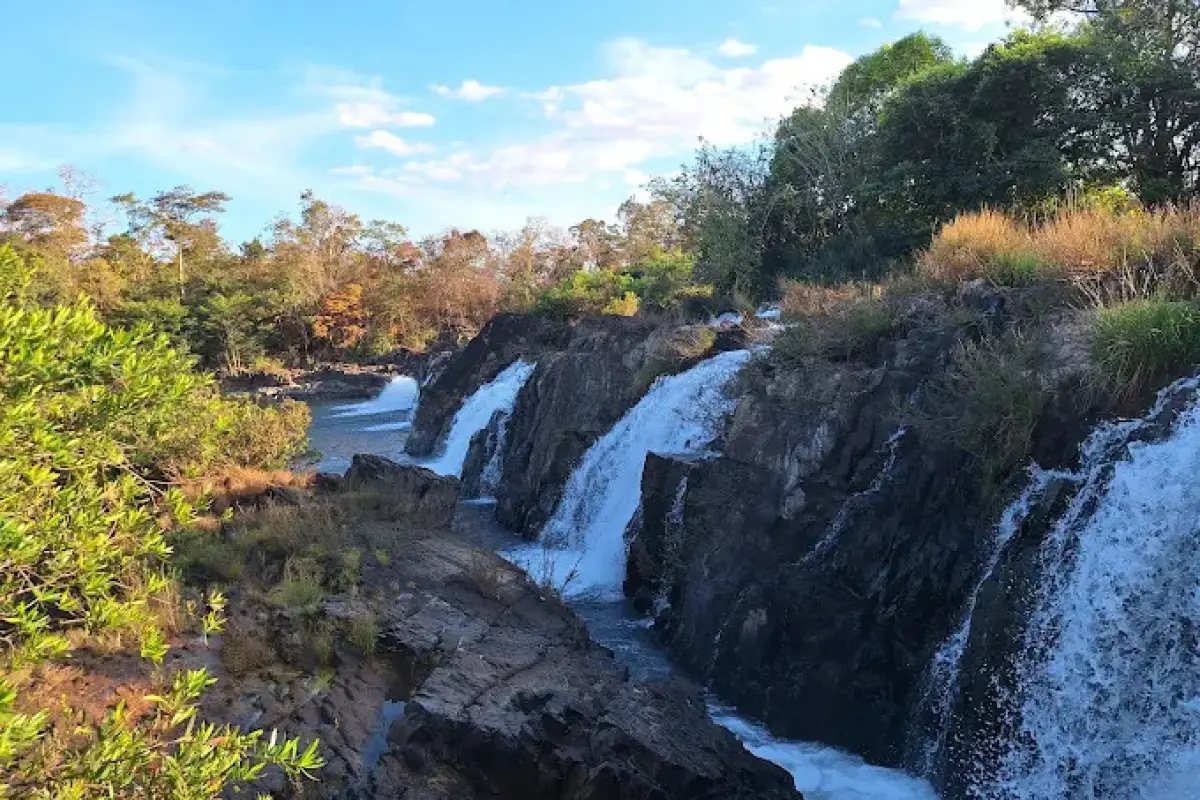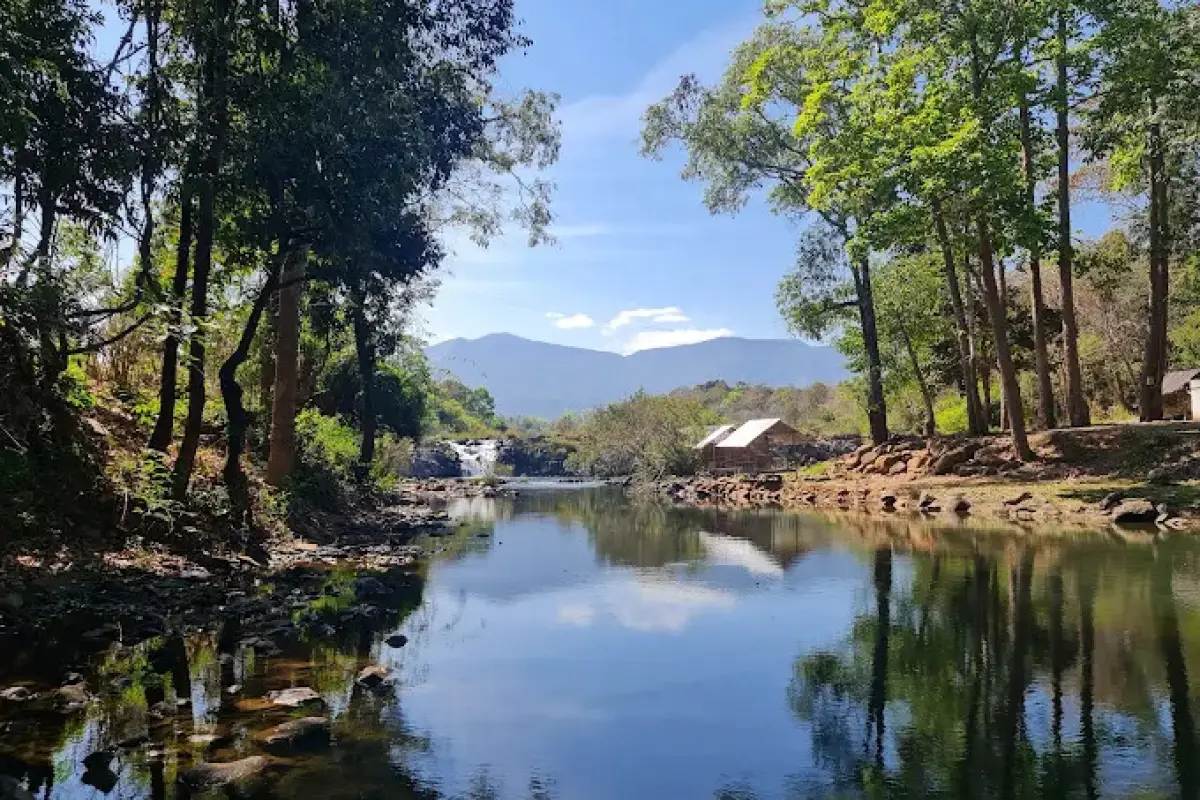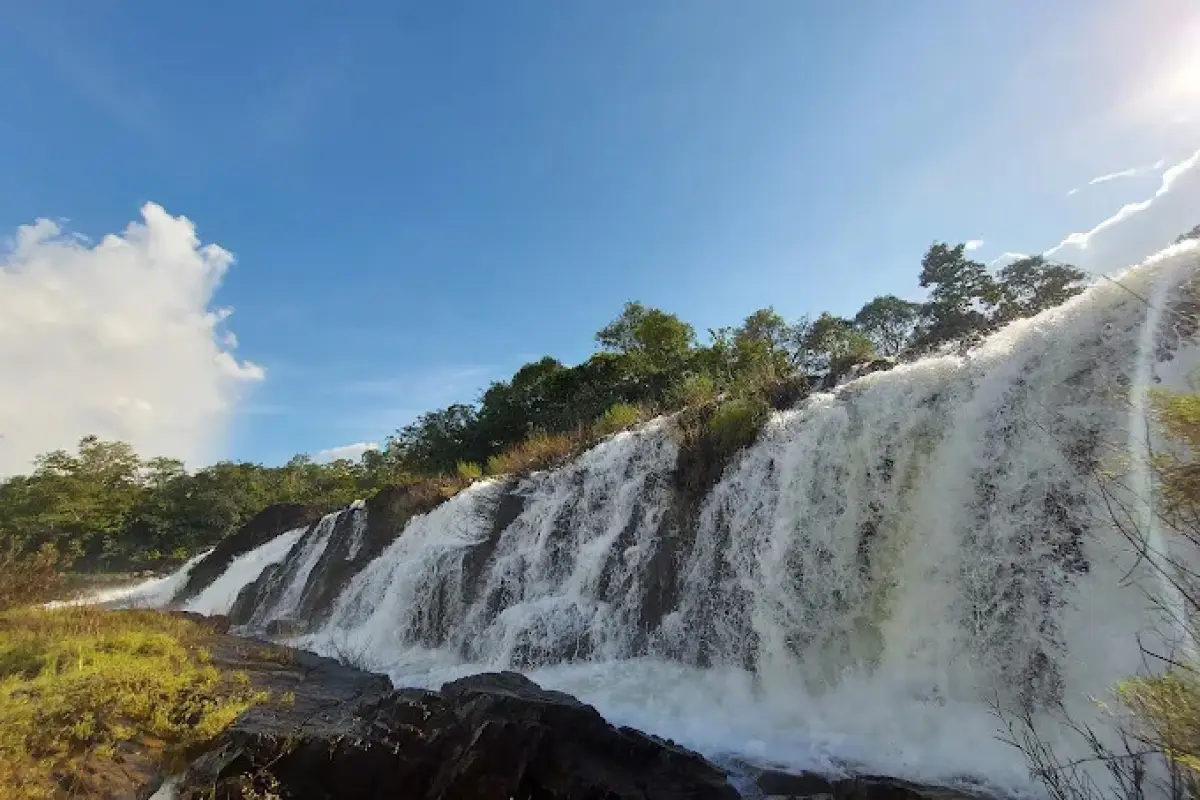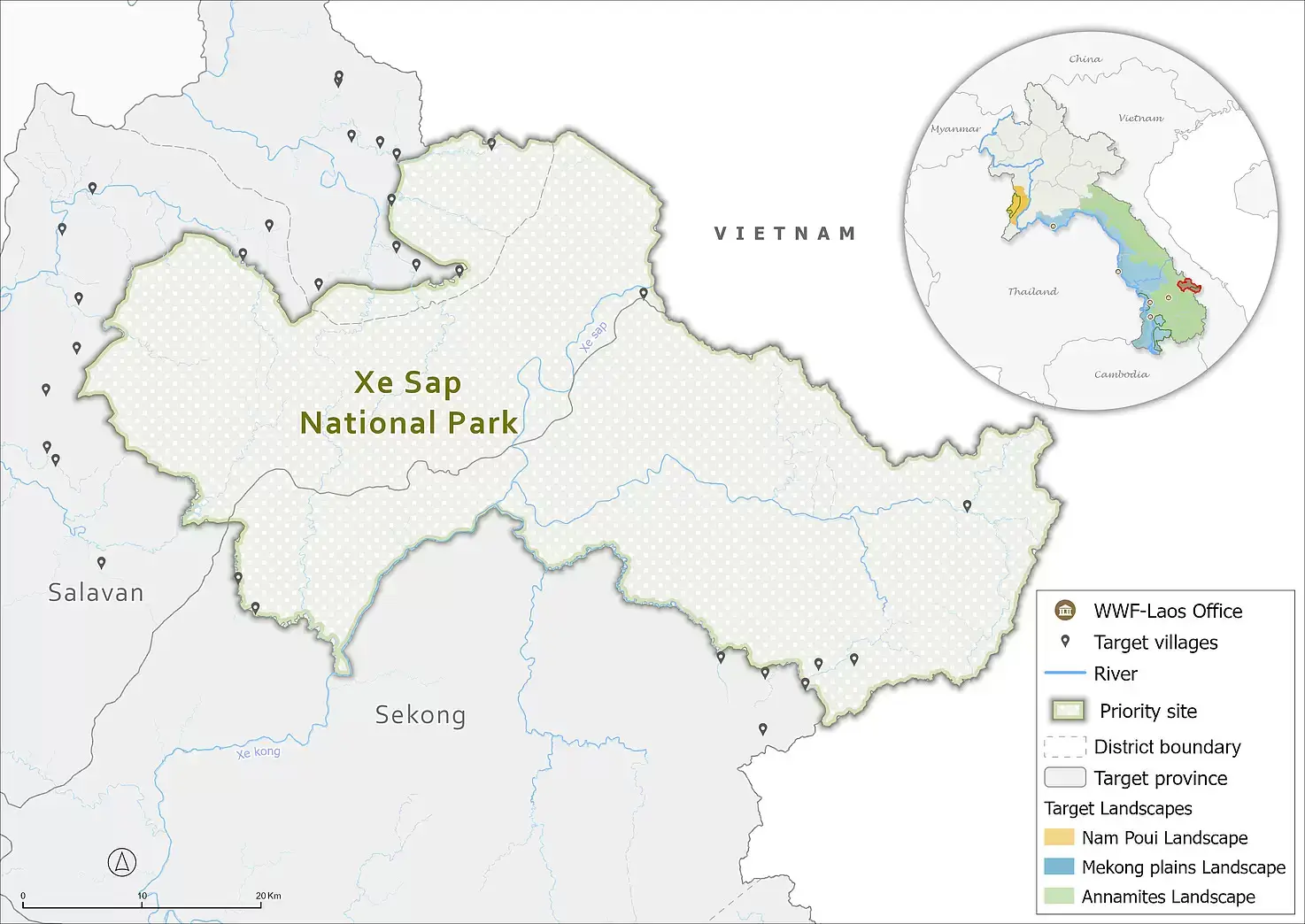
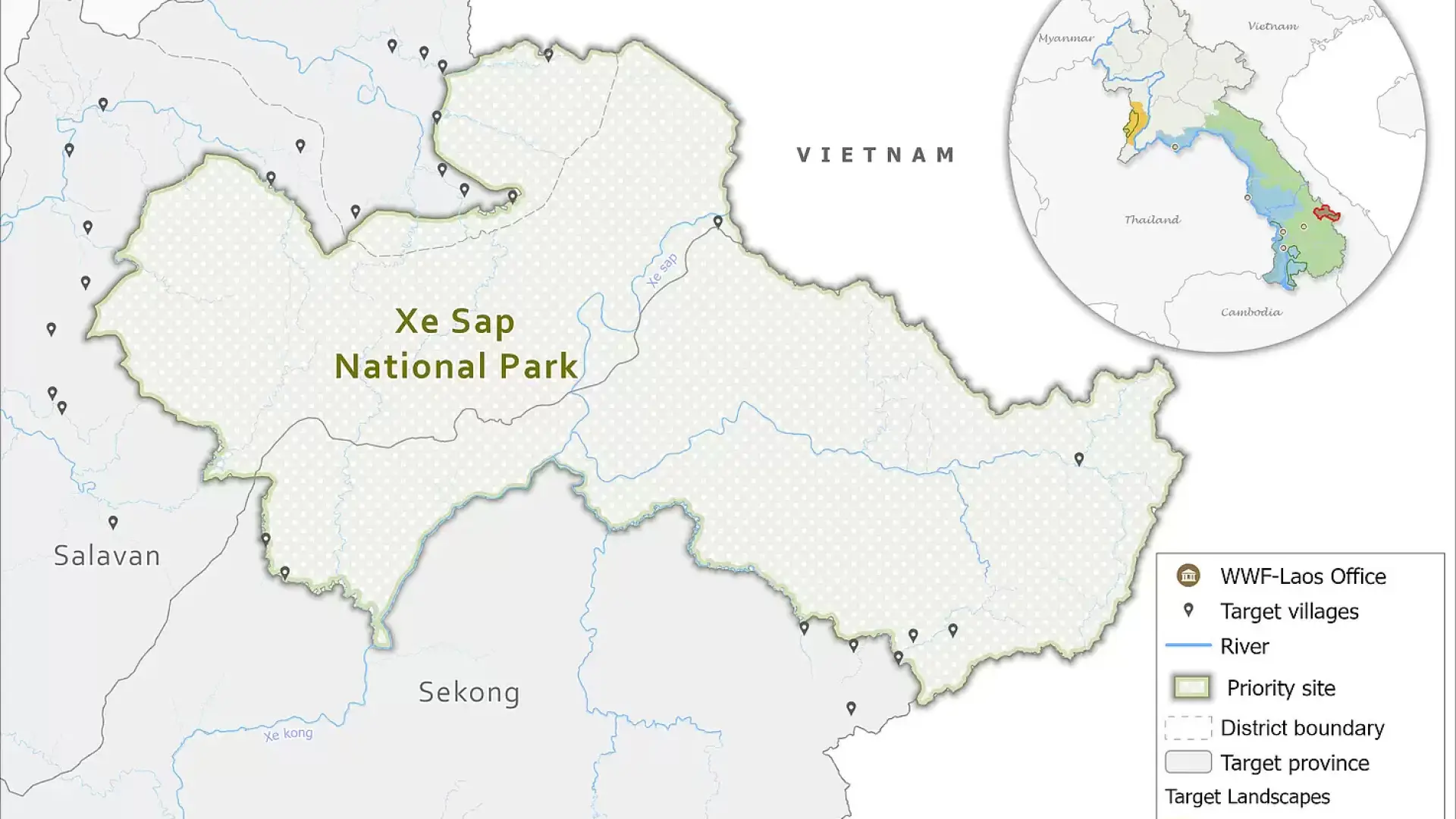
Xesap National Park, formerly known as the Xe Sap National Biodiversity Conservation Area (NBCA), is one of the most important protected natural areas in Laos and a globally recognized biodiversity hotspot. Located in the rugged Annamite Mountain Range along the border between Sekong and Salavan provinces, the park covers approximately 202,300 hectares of pristine forests, high mountain ecosystems, river valleys, limestone formations, and remote wilderness. In 2024, the Lao government officially redesignated the area as a National Park, recognizing its exceptional ecological value.
The park is internationally famous for its extraordinary biodiversity and is considered one of the most important conservation landscapes in Southeast Asia. Xesap is one of the few places where the legendary Saola, often called the "Asian Unicorn," has been recorded. This extremely rare mammal is one of the world's most elusive species and exists only in the Annamite Mountains of Laos and Vietnam. The park is also home to many other rare and endangered species, including the Roosevelt's muntjac, Annamite striped rabbit, red-shanked douc langur, northern buff-cheeked gibbon, gaur, and crested argus.
Birdwatchers and wildlife enthusiasts are particularly attracted to Xesap because of its incredible diversity. More than 300 bird species, nearly 60 reptile species, around 40 mammal species, and approximately 40 amphibian species have been recorded within the park. The forests provide critical habitat for many endemic species found nowhere else on Earth.
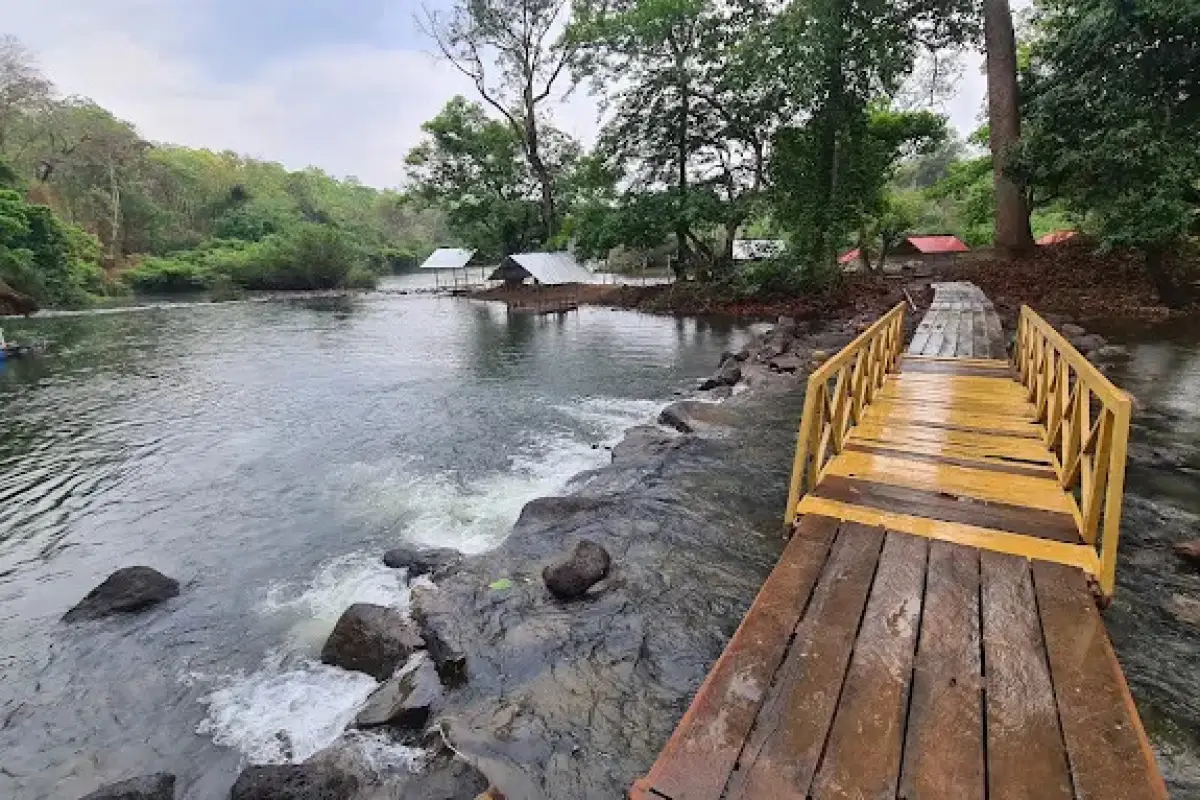
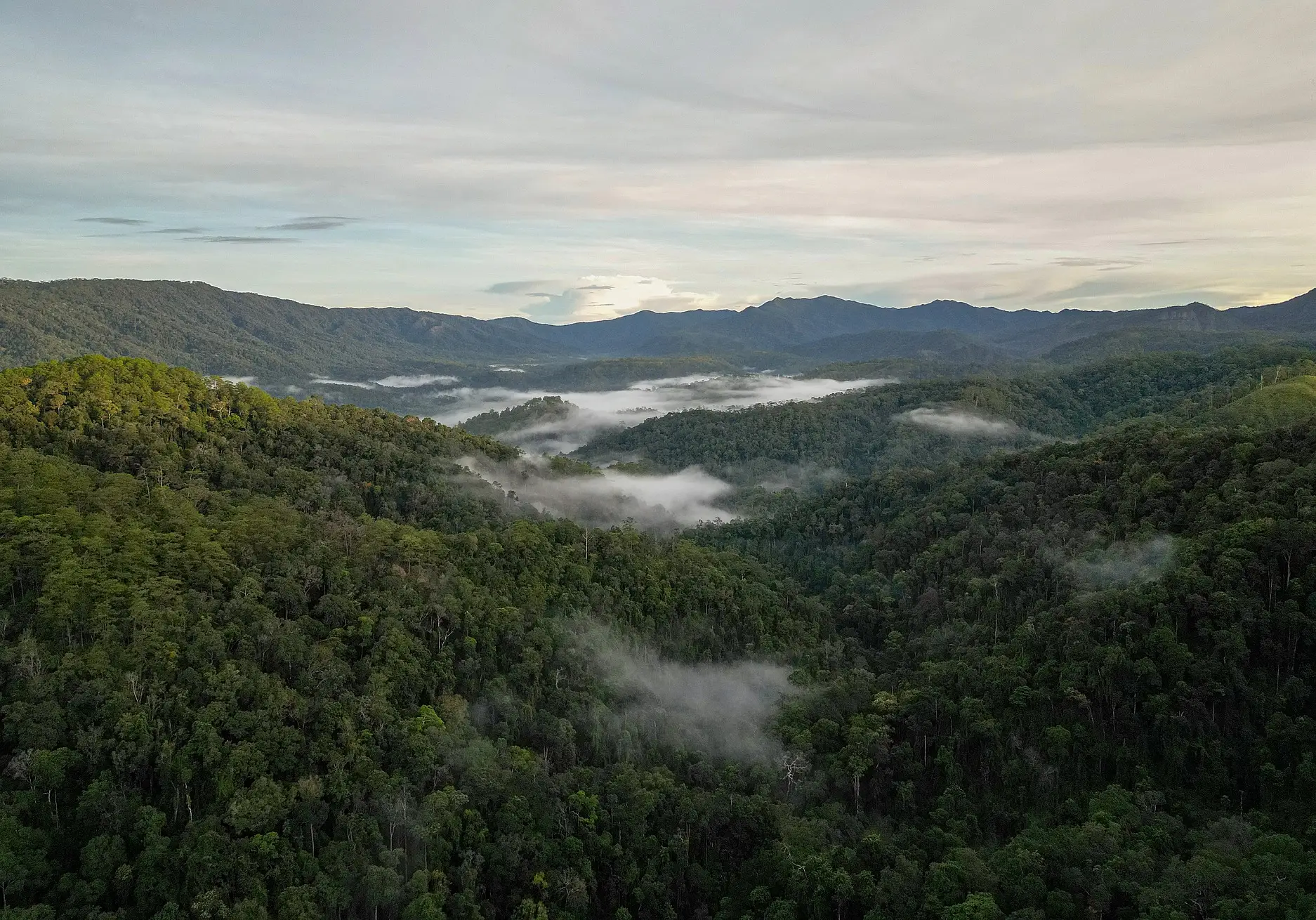
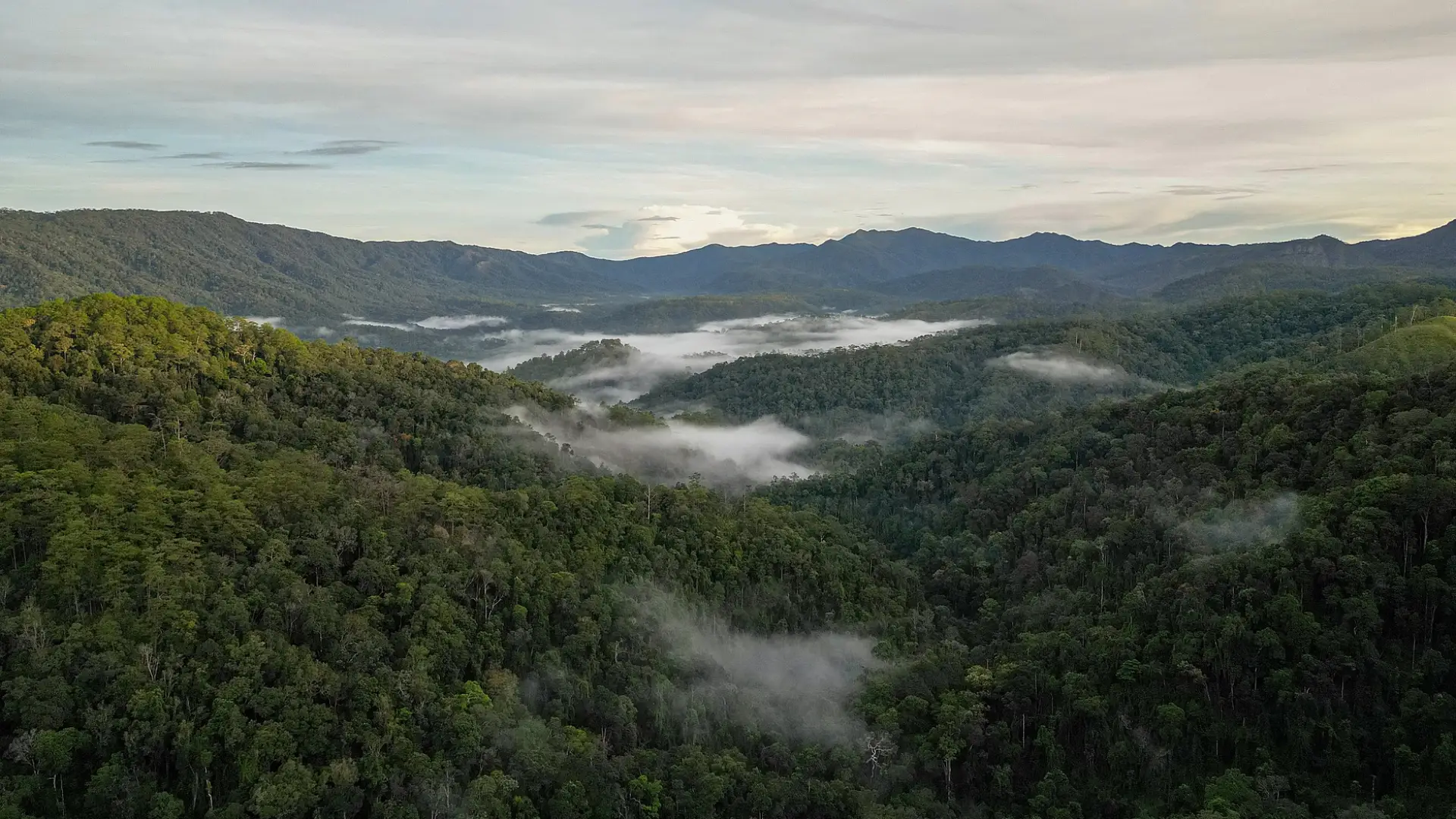
The landscape of Xesap National Park is equally impressive. Elevations range from approximately 400 meters to more than 2,000 meters above sea level, creating diverse ecosystems that include evergreen forests, montane cloud forests, pine forests, bamboo forests, grasslands, rivers, waterfalls, and dramatic mountain peaks. The park contains some of the largest and most intact wet evergreen forests in Laos, which are essential for regional biodiversity conservation.
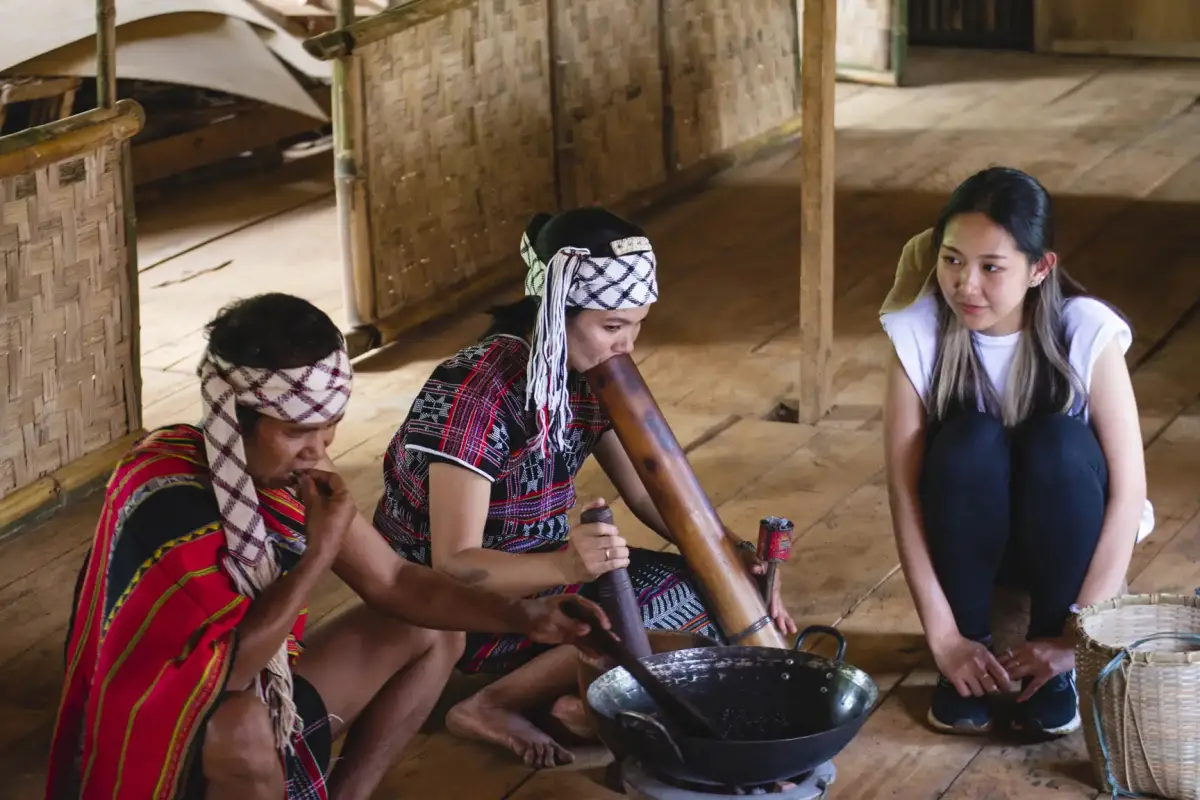
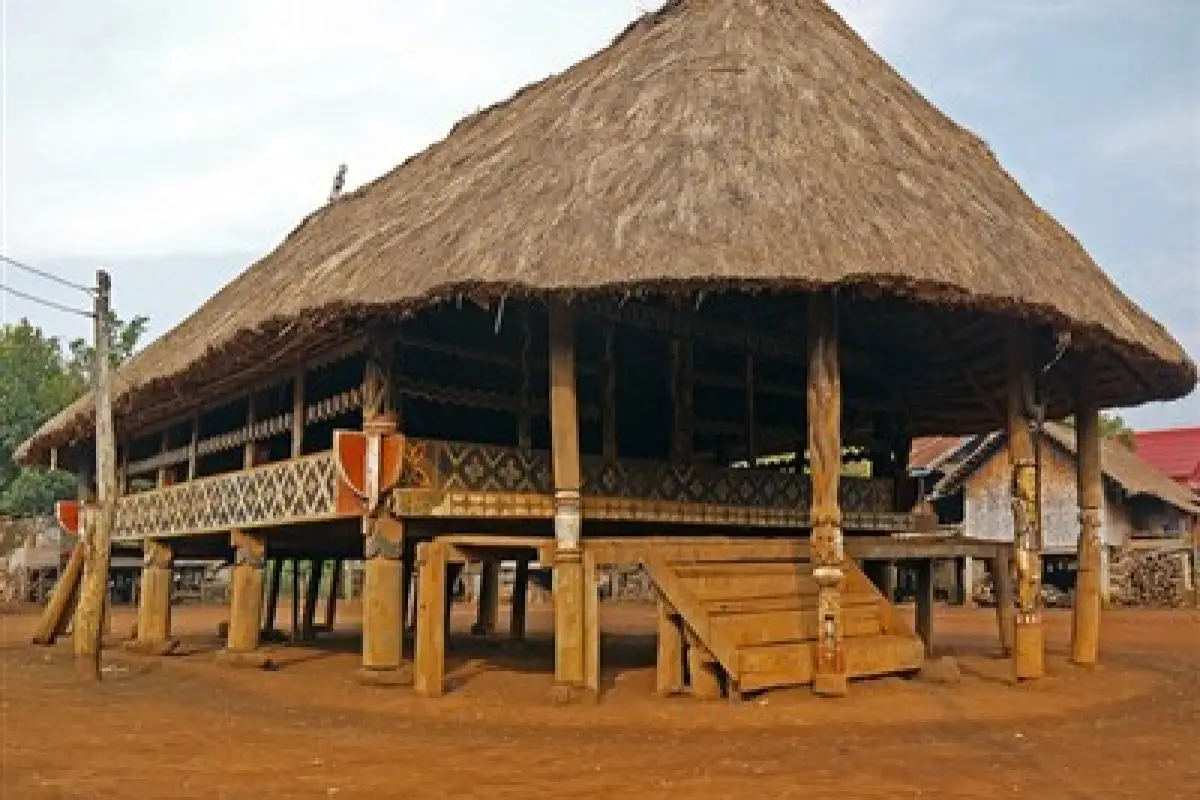
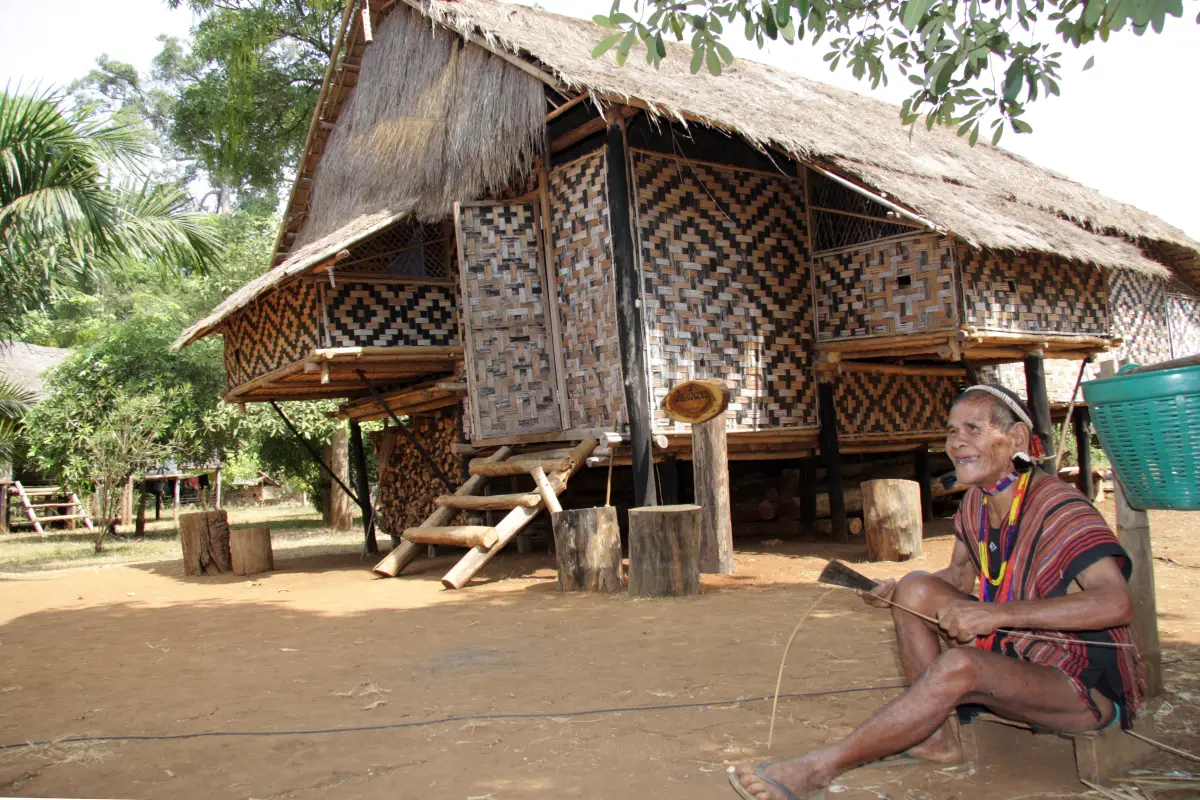
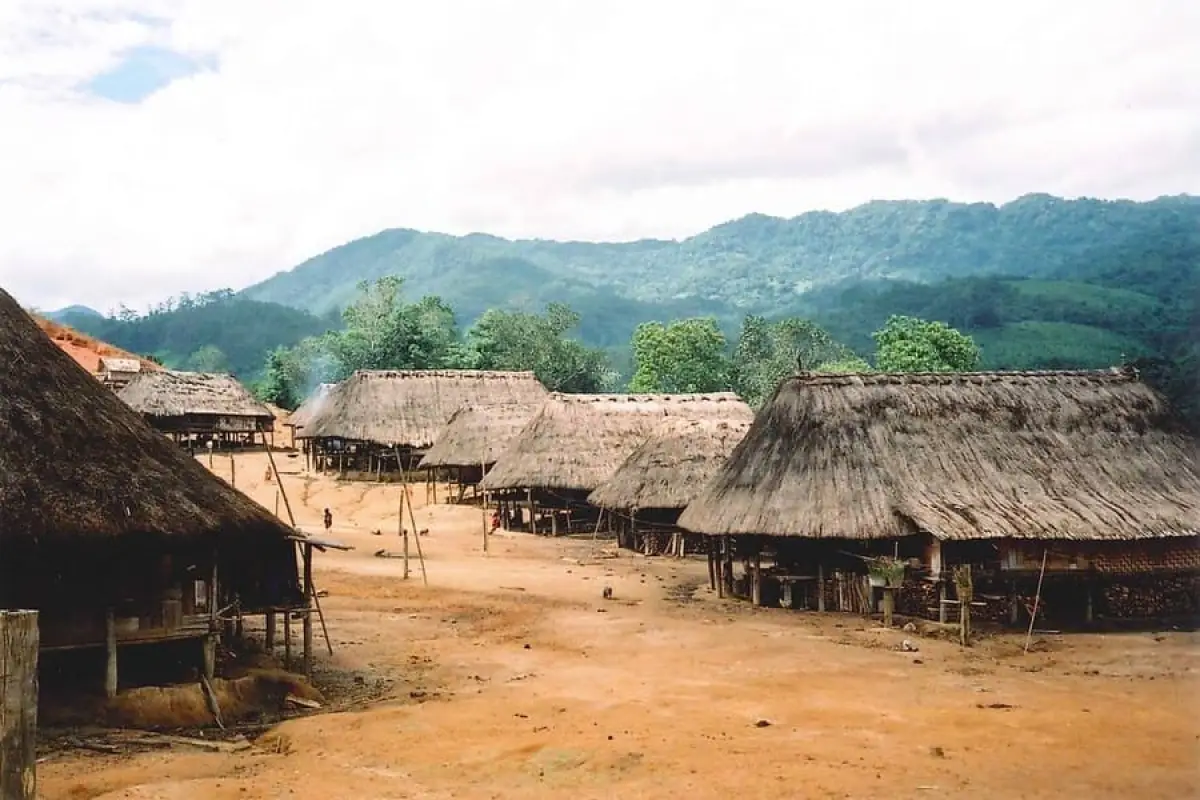
Adventure travelers can explore the park through guided trekking expeditions, wildlife observation tours, birdwatching excursions, and community-based ecotourism programs. The surrounding area is home to more than 35 local communities, including ethnic groups such as the Katu, Alak, Tarieng, and Nge, who maintain traditional lifestyles and cultural practices closely connected to the forest. Ecotourism initiatives help support local livelihoods while promoting conservation and sustainable resource management.
For nature lovers, conservation enthusiasts, photographers, and adventure travelers, Xesap National Park offers one of the most authentic wilderness experiences in Laos. Its combination of rare wildlife, untouched forests, dramatic mountain scenery, and indigenous culture makes it one of the country's most remarkable natural destinations.
Opening Hours
- Open daily: 08:00 AM – 05:00 PM
- Guided trekking and ecotourism activities may require advance arrangements.
- Best time to visit:
- November to February for cooler temperatures and trekking.
- March to May for wildlife observation.
- June to October for lush forests, waterfalls, and dramatic scenery.
Highlights
- One of Laos' newest National Parks.
- Home to the legendary Saola ("Asian Unicorn").
- Over 202,300 hectares of protected wilderness.
- More than 300 recorded bird species.
- Rare wildlife including gibbons, muntjacs, doucs, and gaur.
- Spectacular Annamite Mountain landscapes.
- Cloud forests, waterfalls, and river valleys.
- Community-based ecotourism experiences.
- Exceptional birdwatching opportunities.
- One of Southeast Asia's most important biodiversity hotspots.
Visitor Tips
- Hire certified local guides for trekking and wildlife tours.
- Bring sturdy hiking shoes and rain gear.
- Carry sufficient water, snacks, and insect repellent.
- Binoculars are highly recommended for birdwatching.
- Respect wildlife and avoid disturbing natural habitats.
- Visit with an organized ecotourism program for the best experience.
- Be prepared for remote conditions and limited facilities.
- Multi-day treks provide the best opportunities to explore the park.
- Support local communities by using community-run tourism services.
- Obtain updated access information before visiting.
Location
Xesap National Park is located in the Annamite Mountains across Sekong Province and Salavan Province in southern Laos, near the border with Vietnam. The park is accessible from Sekong Town, Dak Cheung District, and various ecotourism routes in the surrounding region.