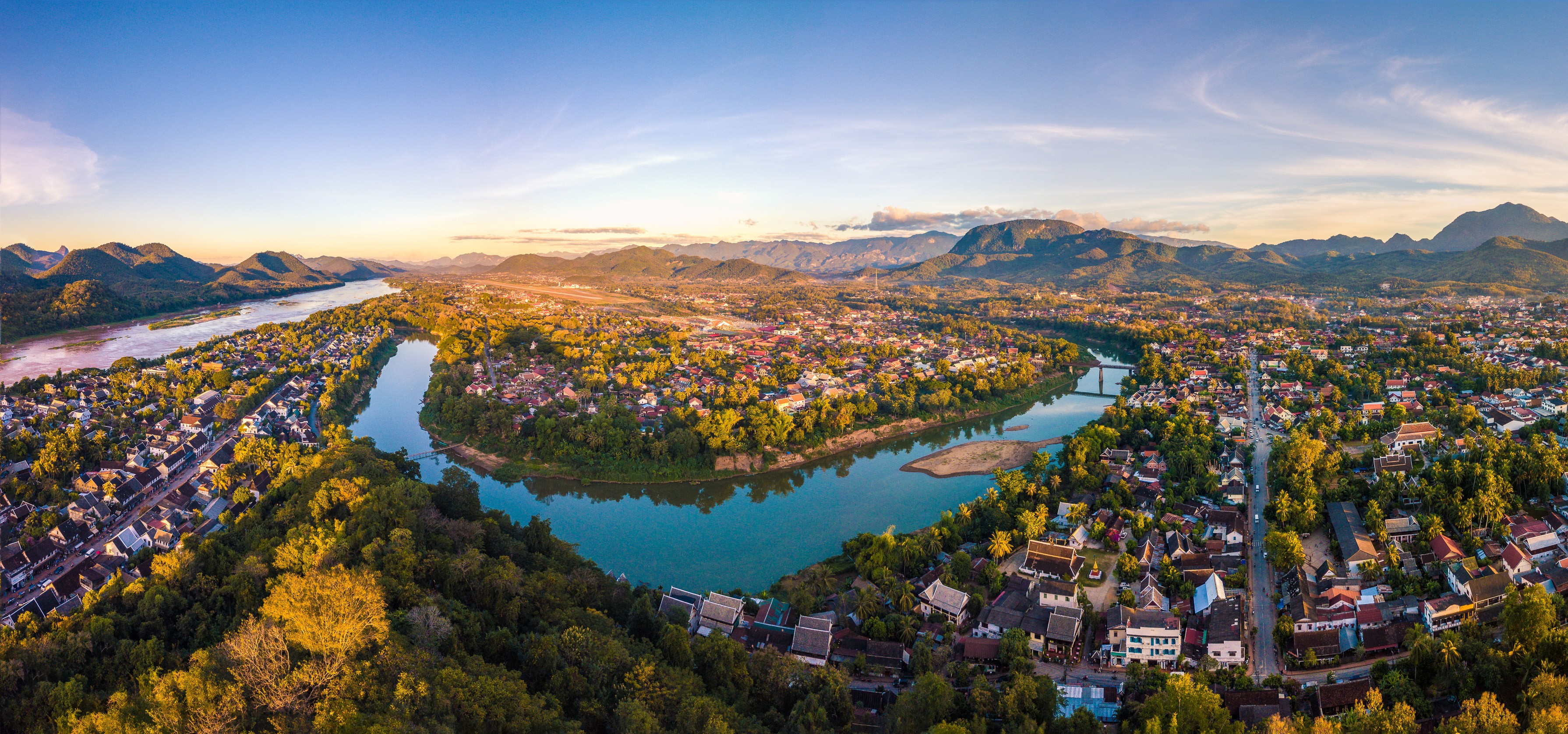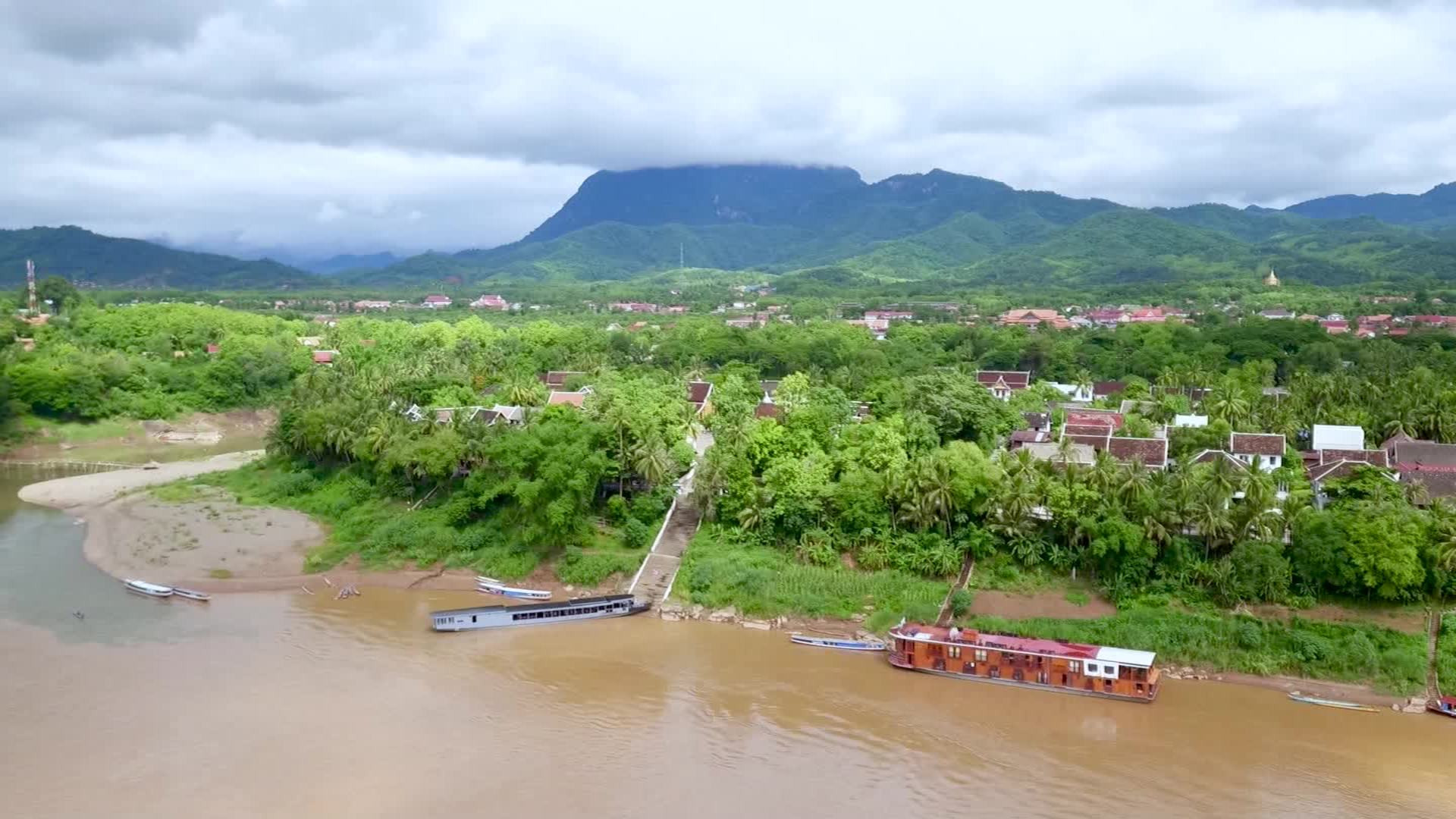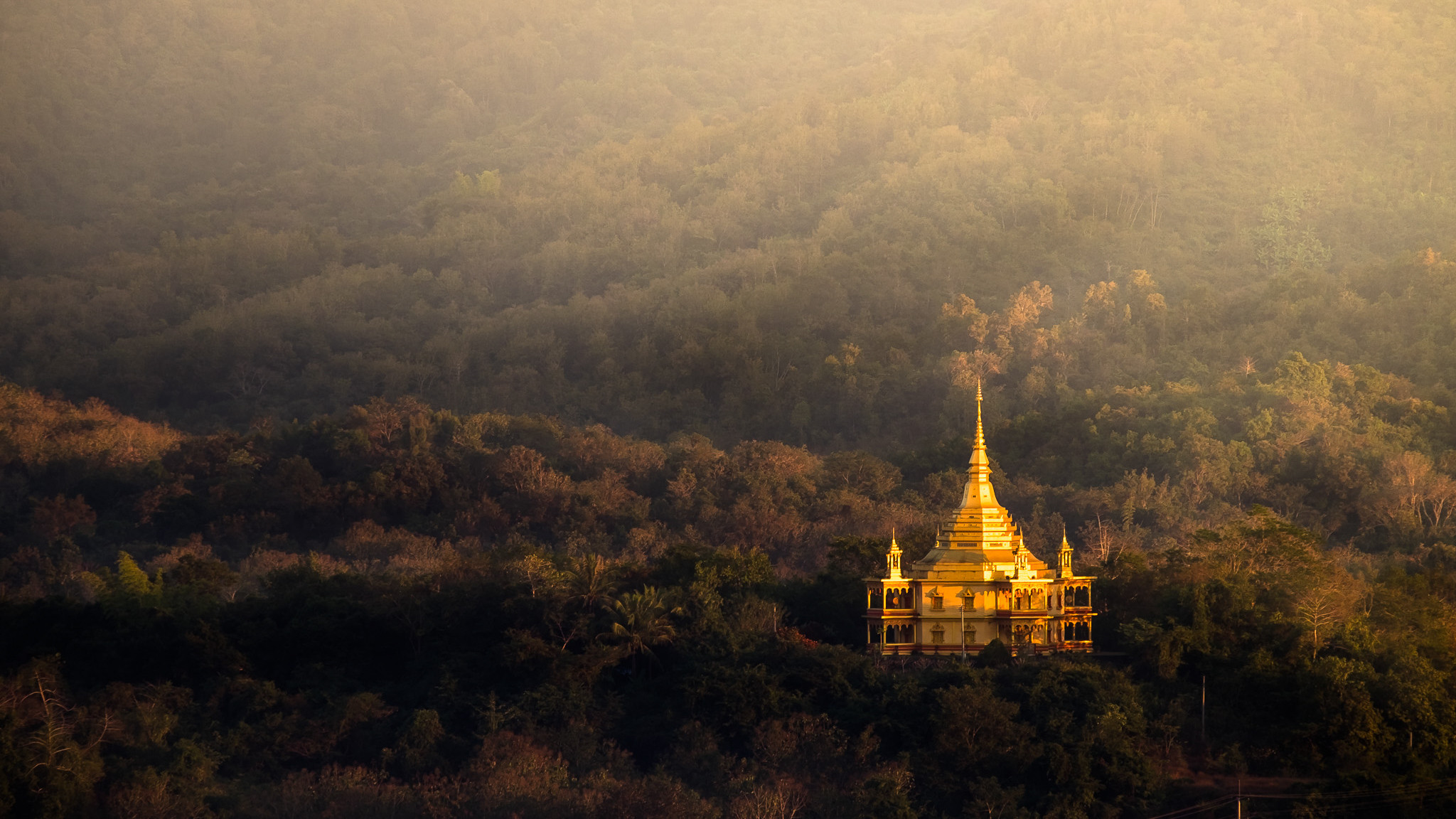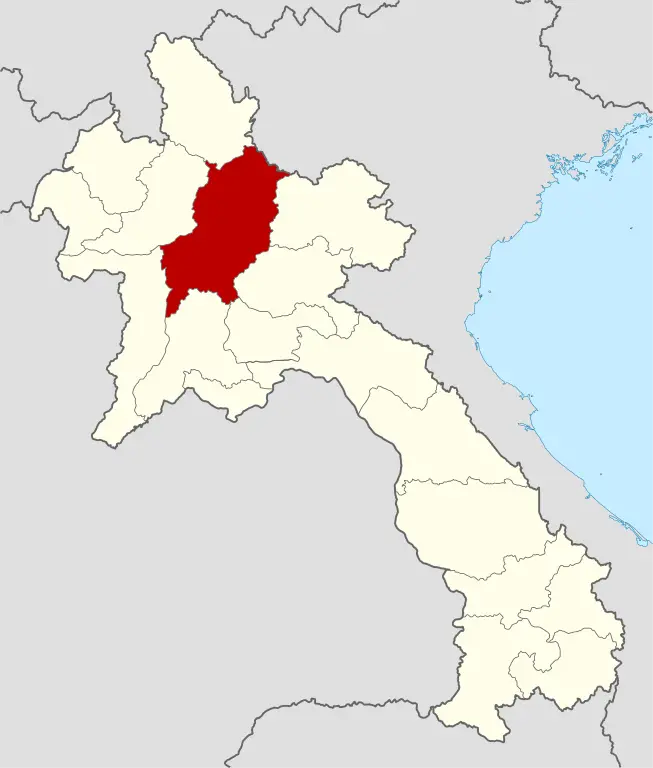
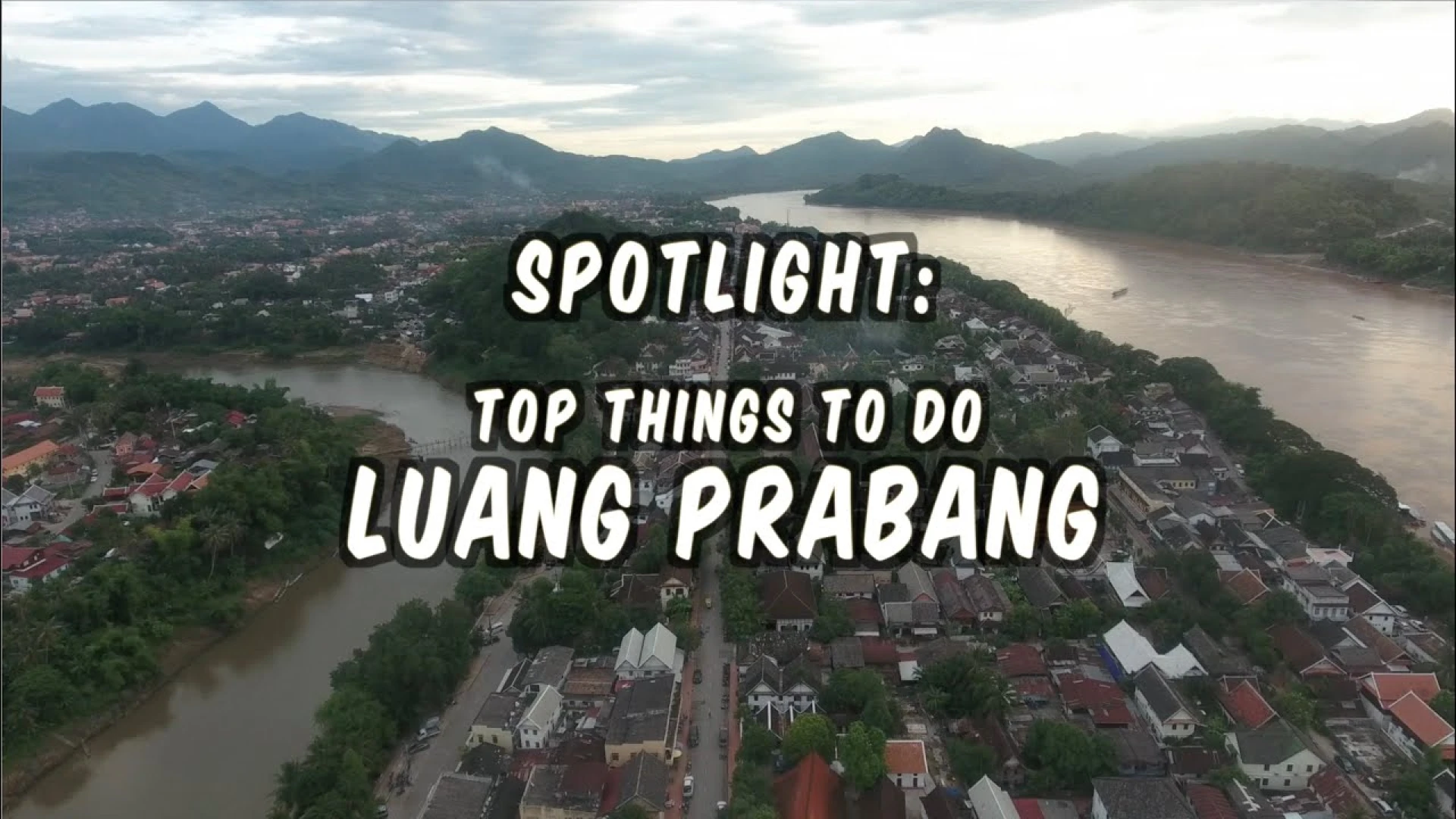
Luang Prabang is one of Southeast Asia’s most enchanting and historically significant destinations. Nestled at the confluence of the Mekong and Nam Khan rivers in northern Laos, the city is renowned for its well-preserved architecture, rich cultural heritage, and deep-rooted Buddhist traditions. In 1995, Luang Prabang was designated a UNESCO World Heritage Site in recognition of its outstanding cultural and historical value.
The history of Luang Prabang dates back more than a thousand years. Originally known as Muang Sua, it became the capital of the powerful Lan Xang Kingdom in 1353 under the rule of King Fa Ngum, who unified much of present-day Laos. The city later took its current name from the sacred Phra Bang Buddha image, a revered religious symbol that remains one of the nation's most important treasures. For centuries, Luang Prabang served as the royal capital of Laos and remained the center of political, religious, and cultural life until the capital was moved to Vientiane in the 16th century.
Today, Luang Prabang captivates visitors with its unique blend of traditional Lao wooden houses, French colonial architecture, ancient Buddhist temples, and vibrant local markets. The city is home to more than 30 active temples, including the famous Wat Xieng Thong, one of the finest examples of classical Lao architecture. Every morning, hundreds of monks participate in the traditional alms-giving ceremony, a centuries-old practice that remains an integral part of local life.
Beyond its historical landmarks, Luang Prabang serves as a gateway to natural wonders such as Kuang Si Waterfall, Pak Ou Caves, and the surrounding mountains and ethnic villages. Its combination of spirituality, history, culture, and natural beauty makes Luang Prabang one of the most beloved destinations in Laos and Southeast Asia.