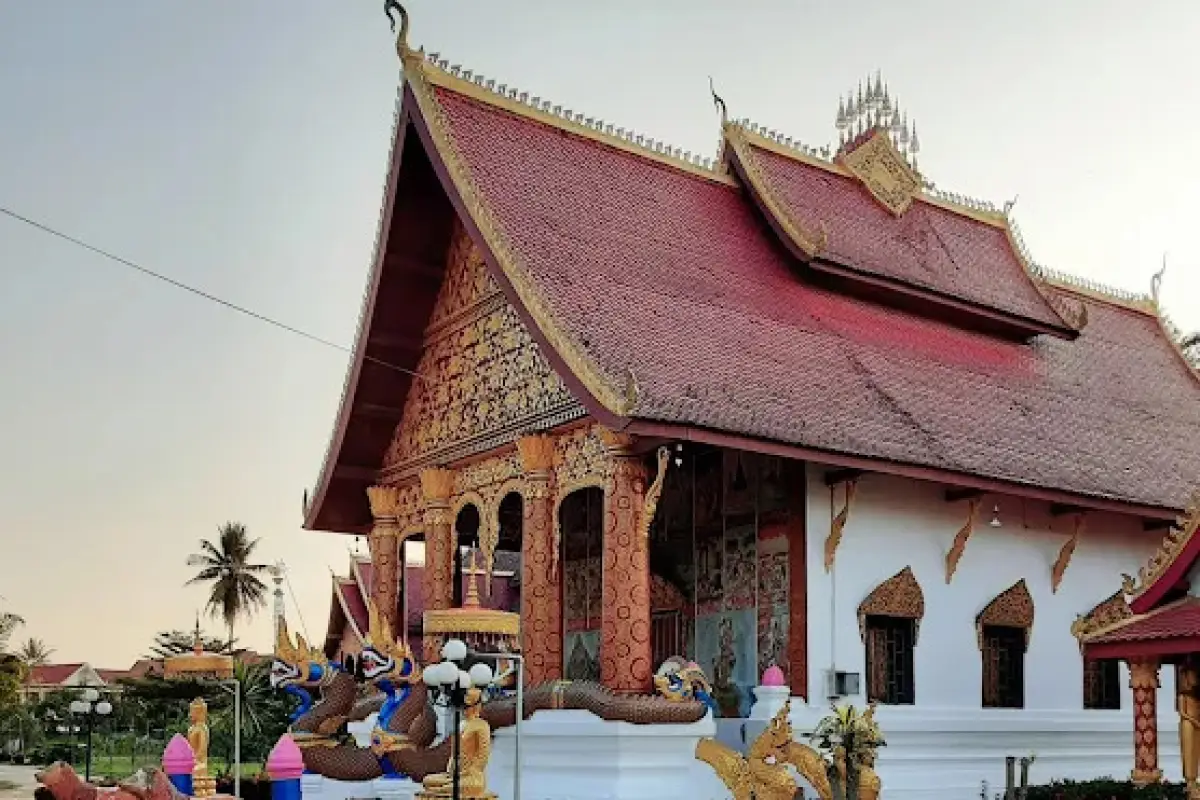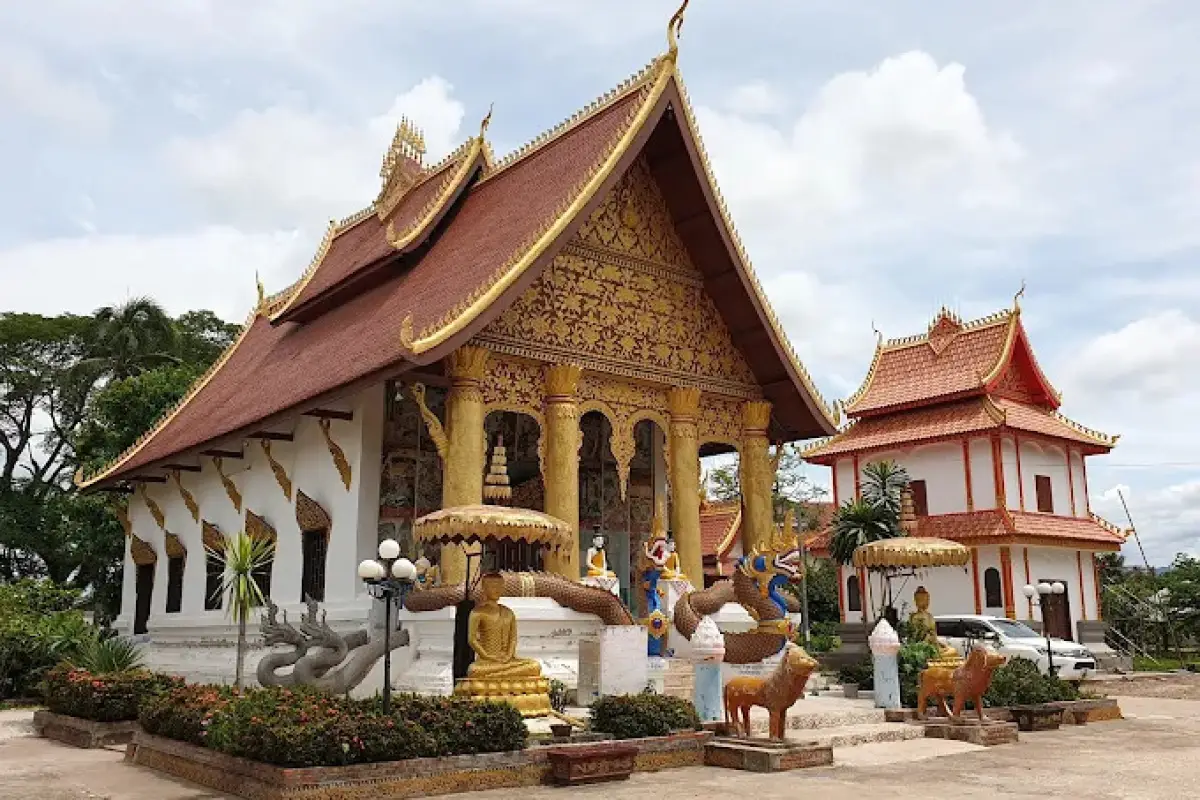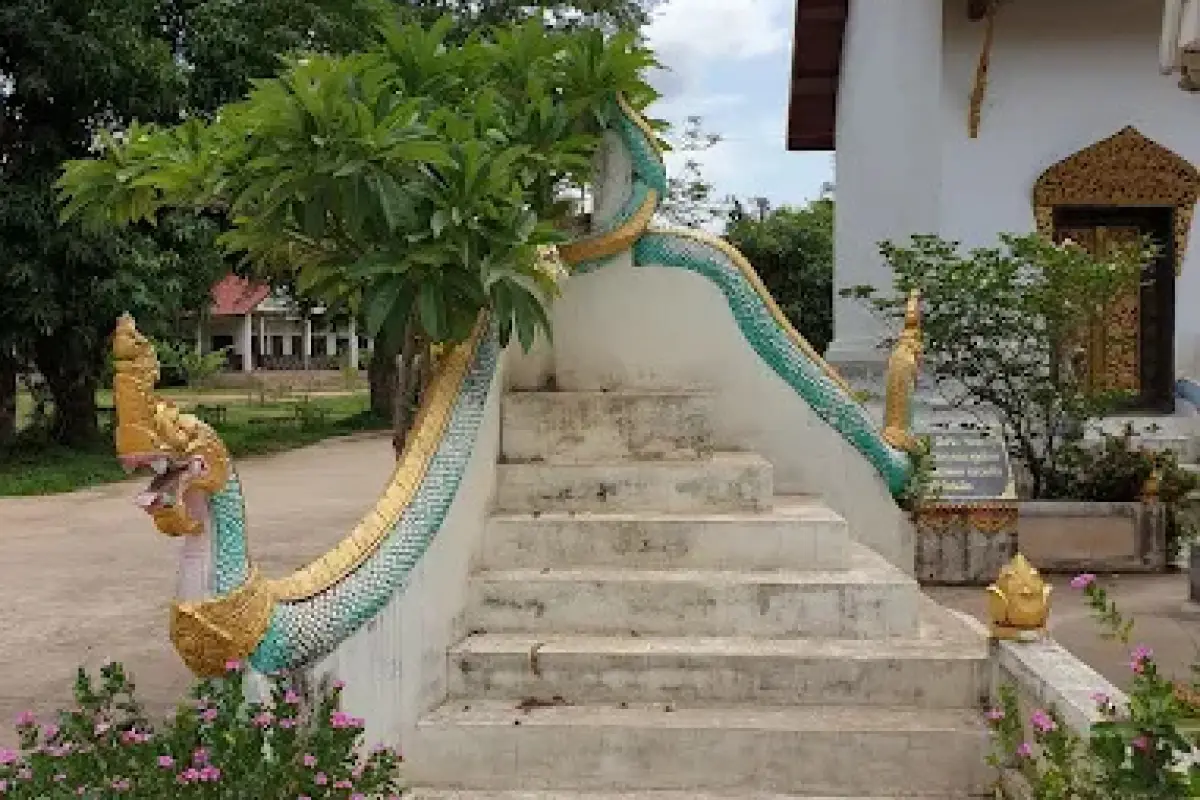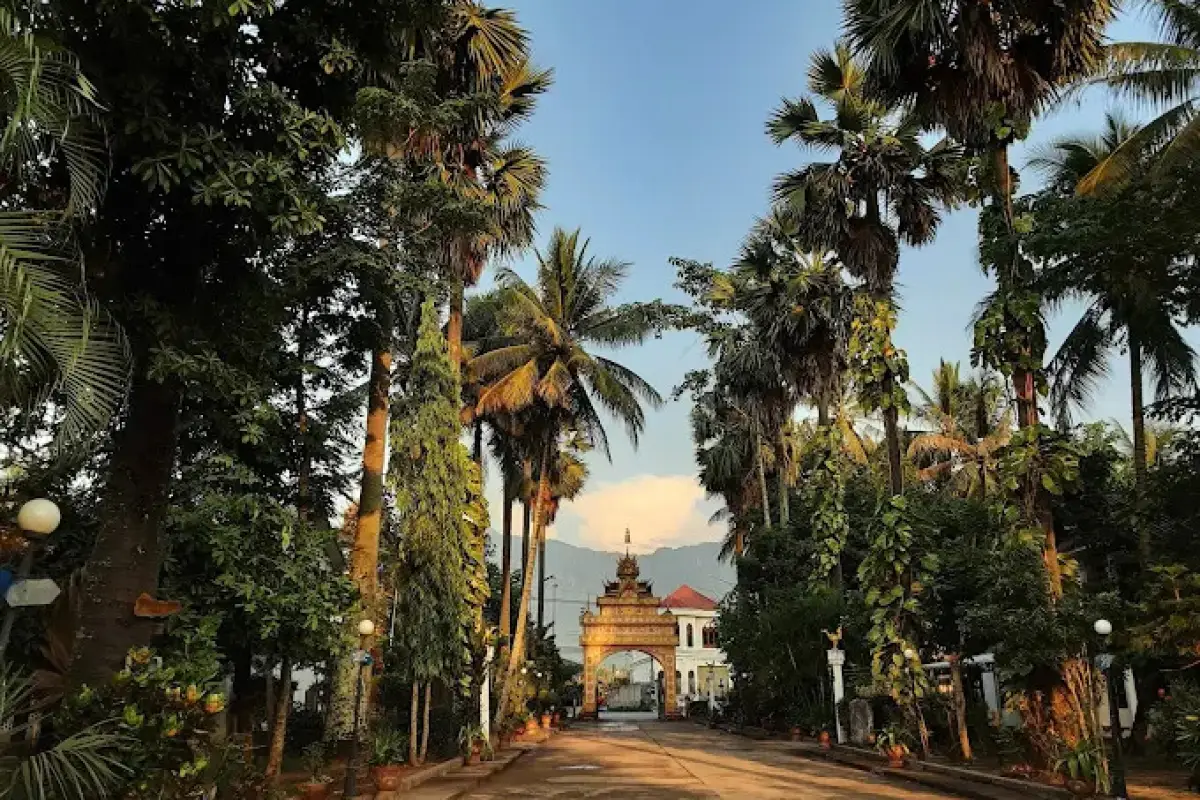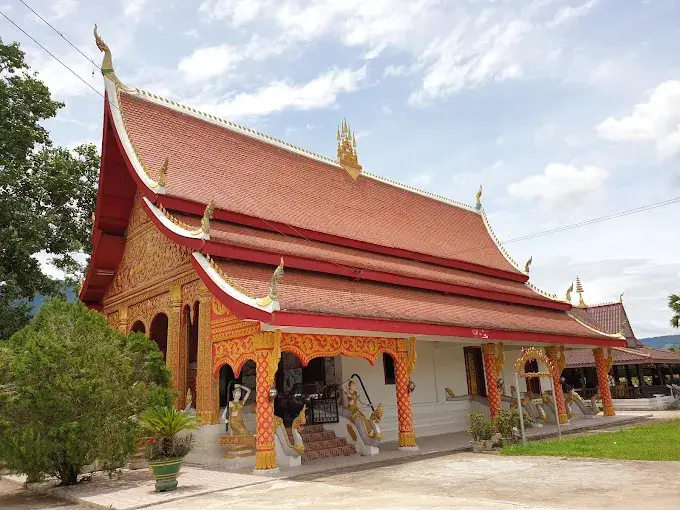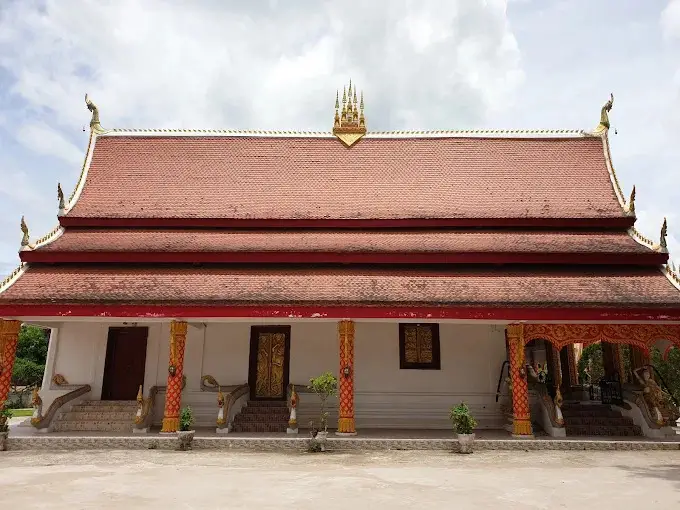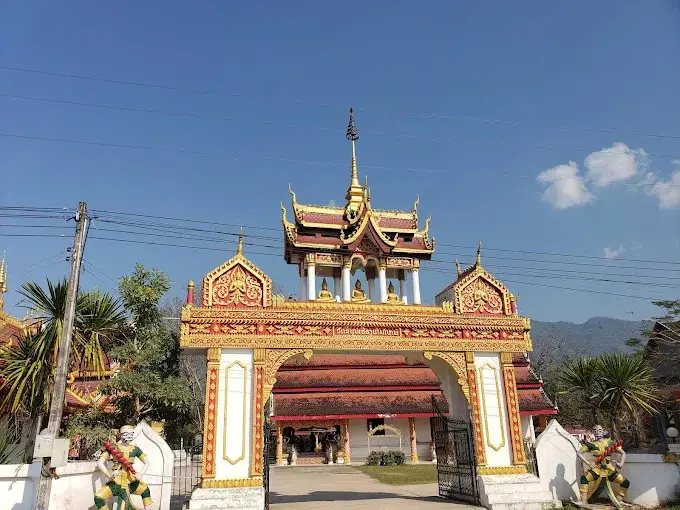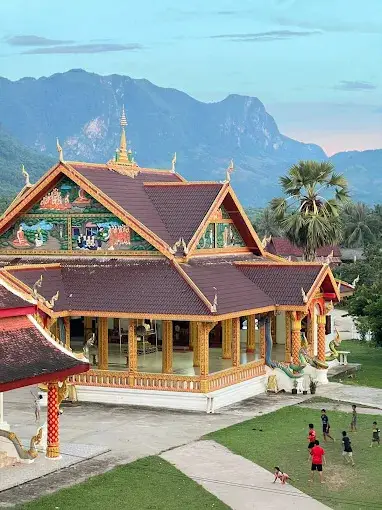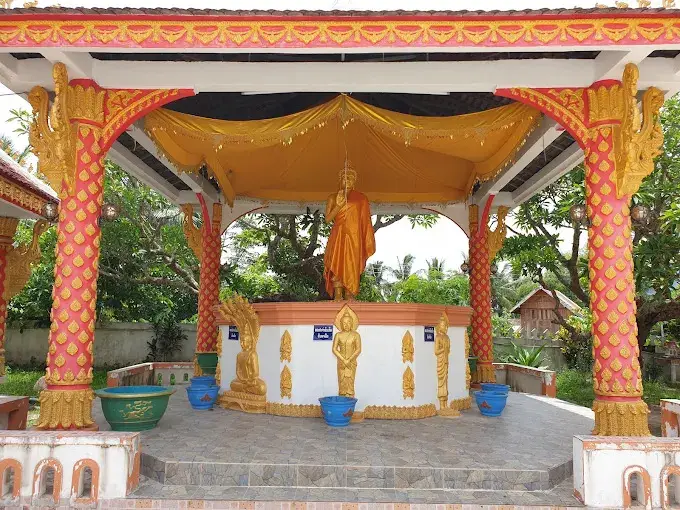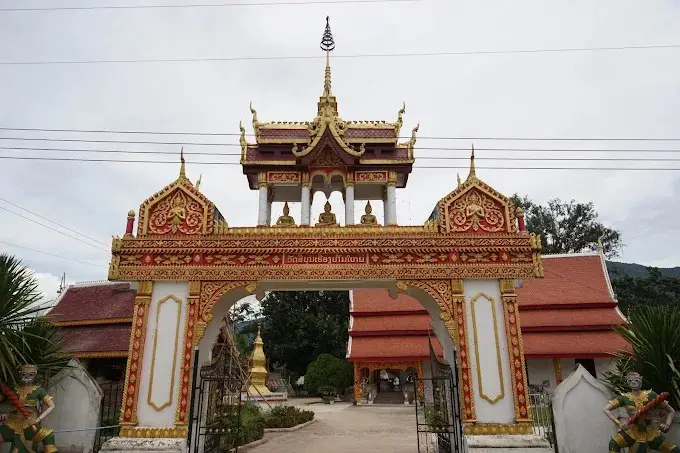
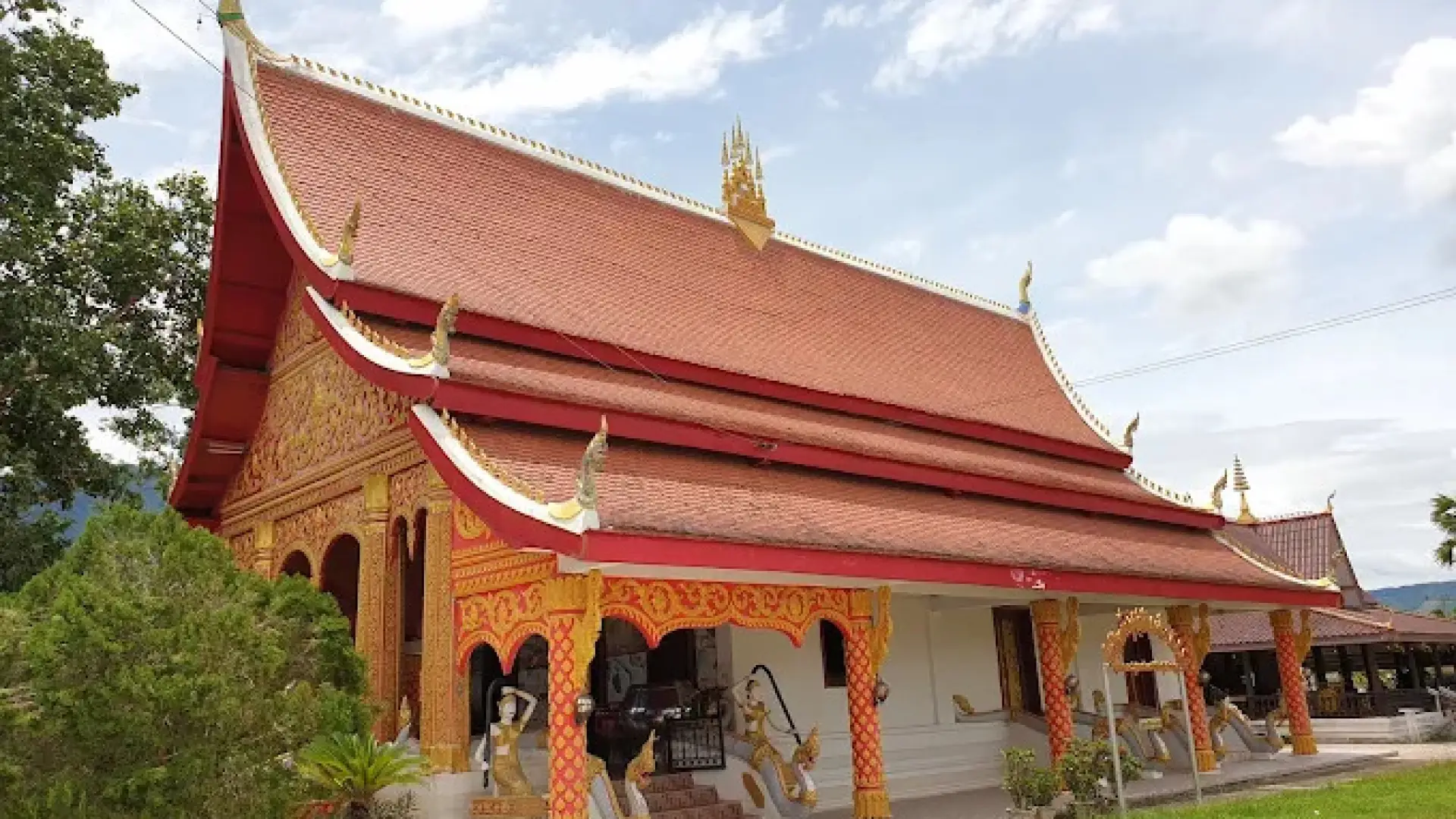
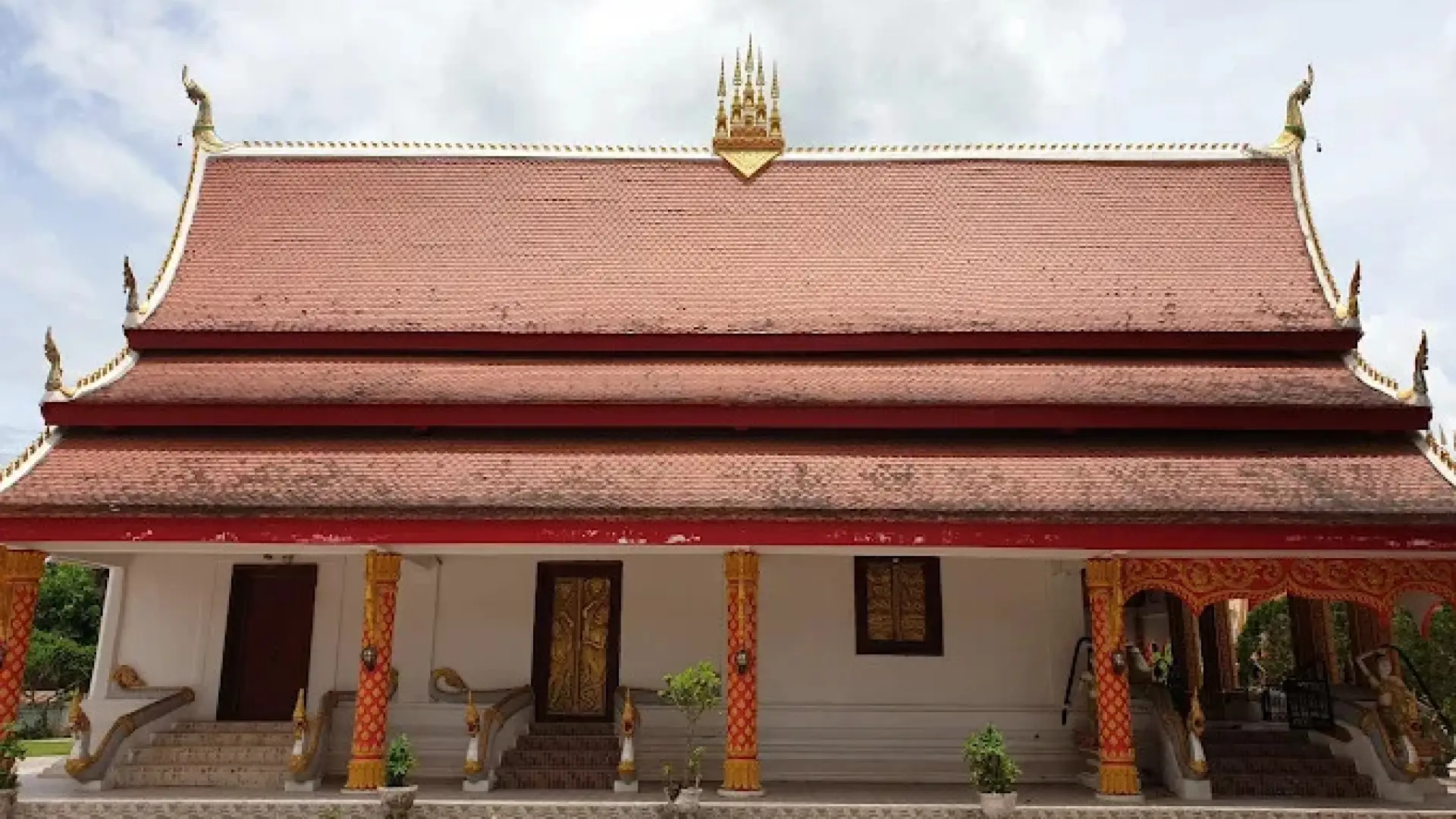
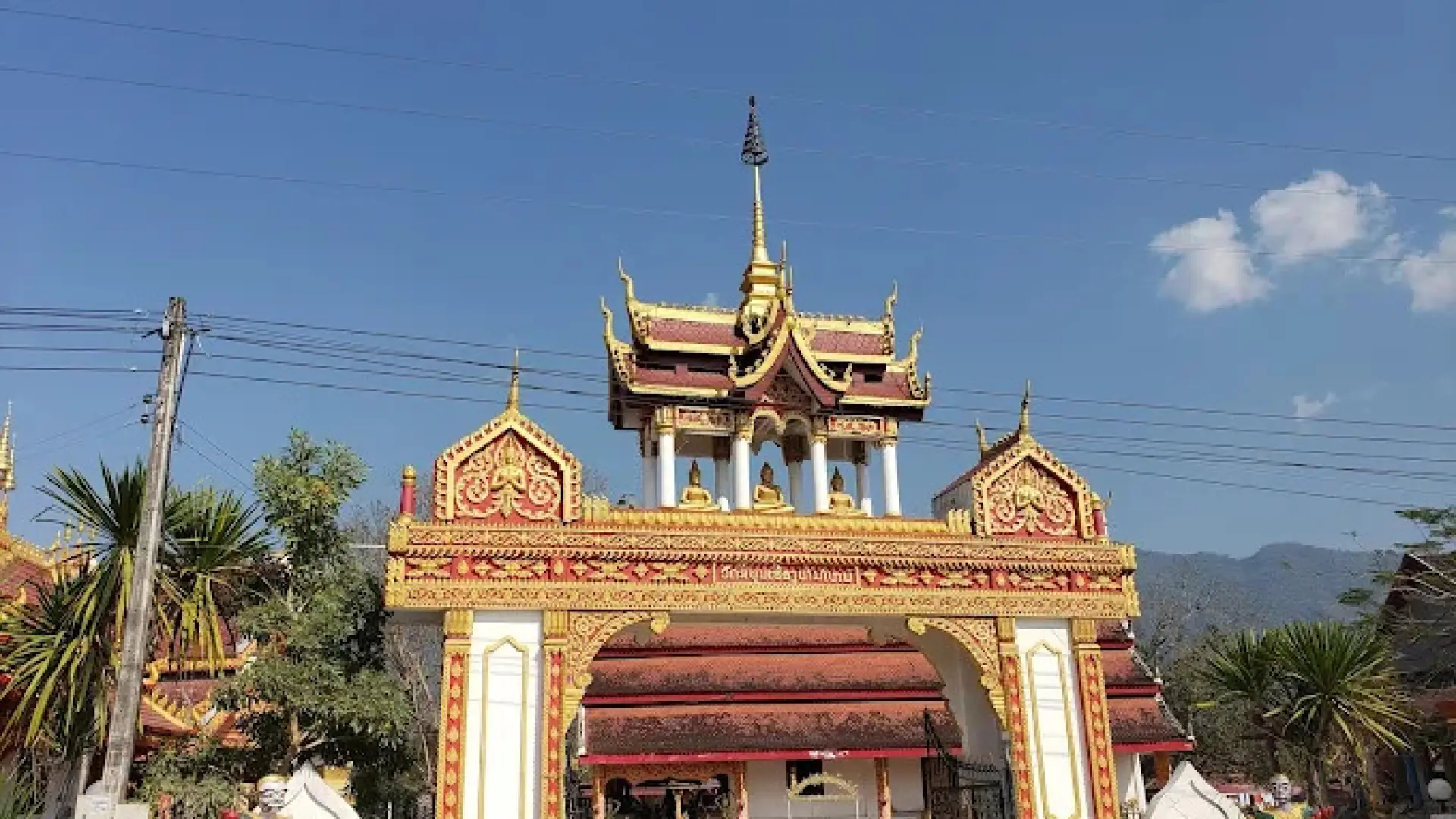
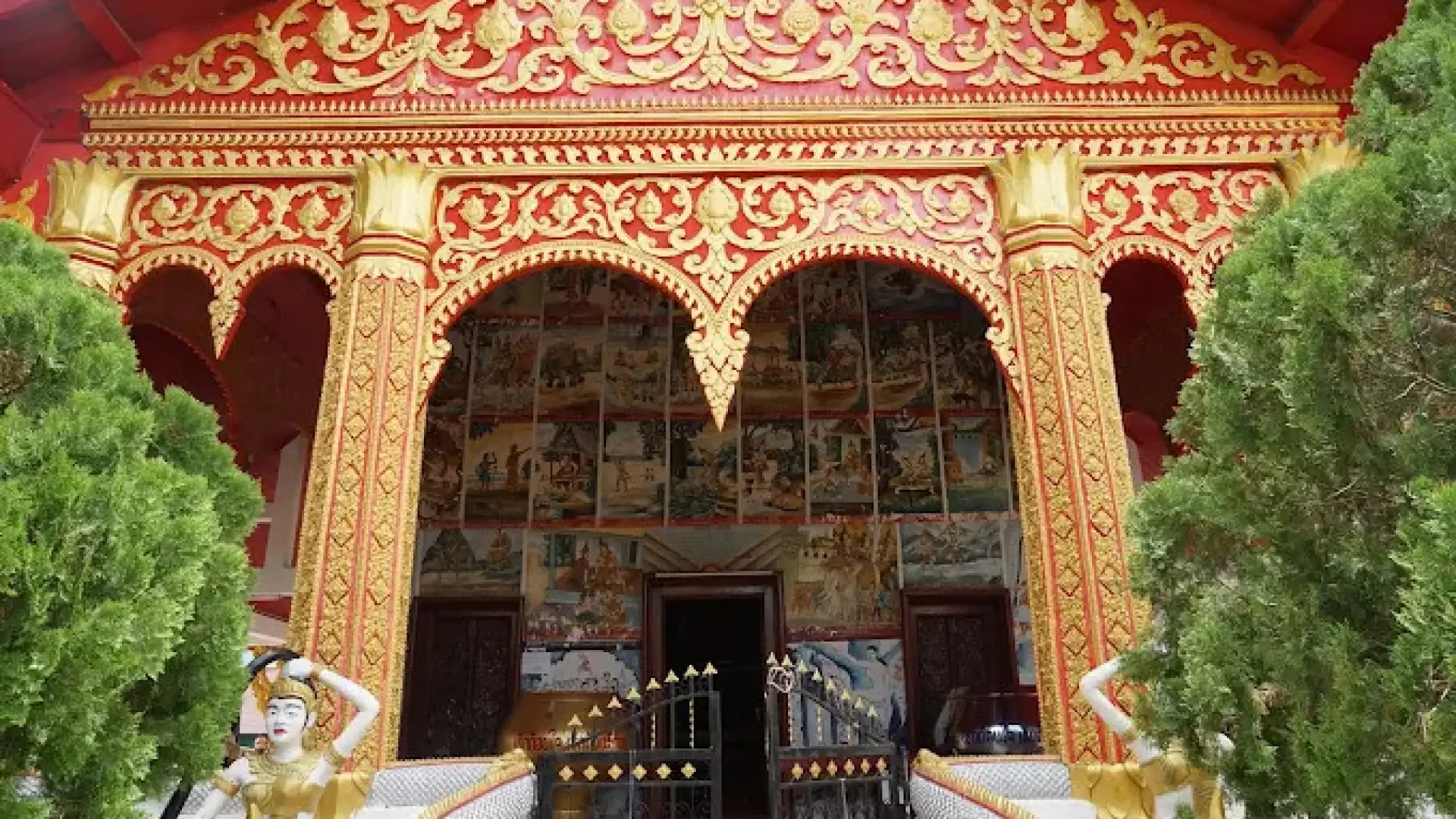
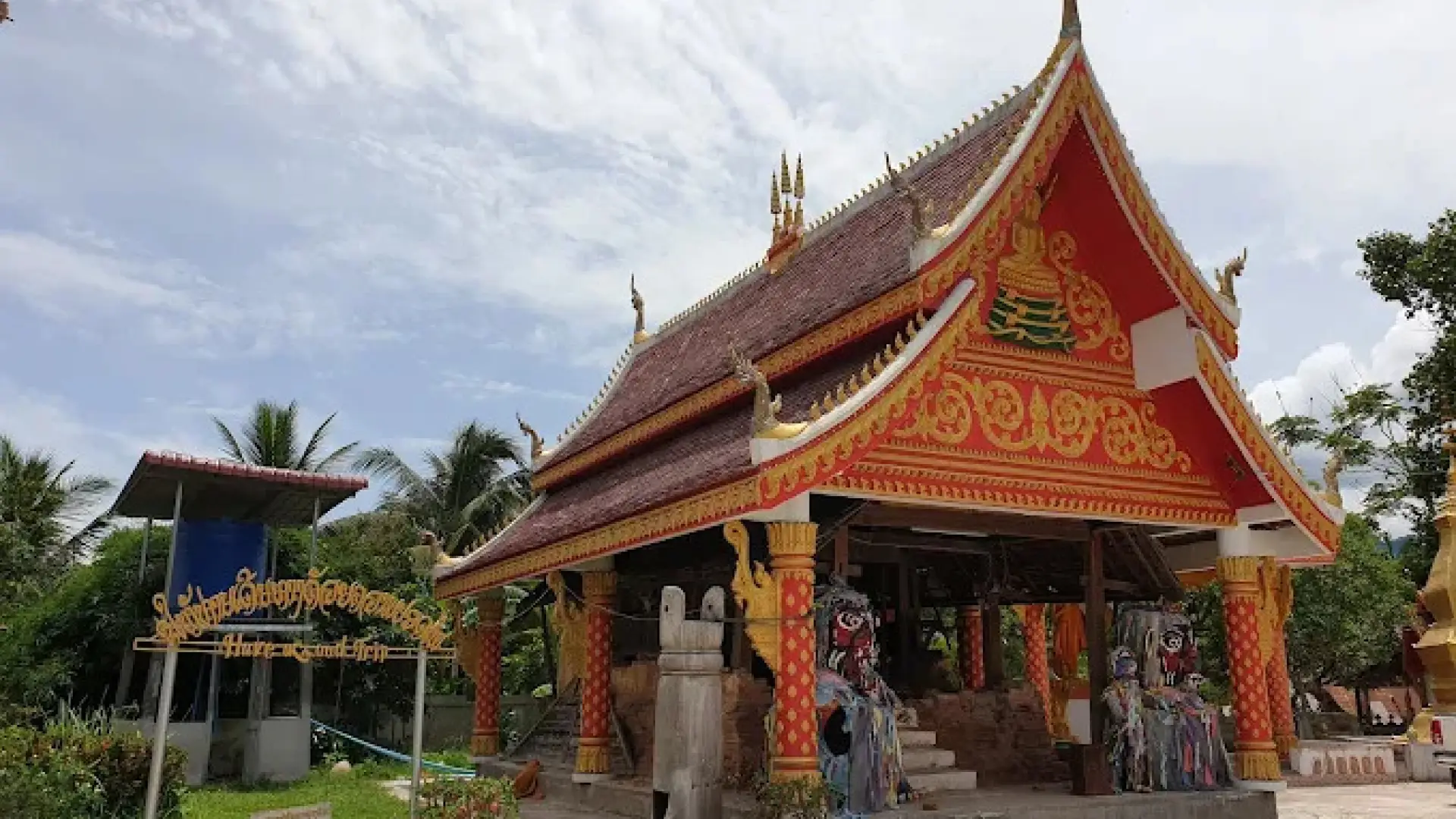
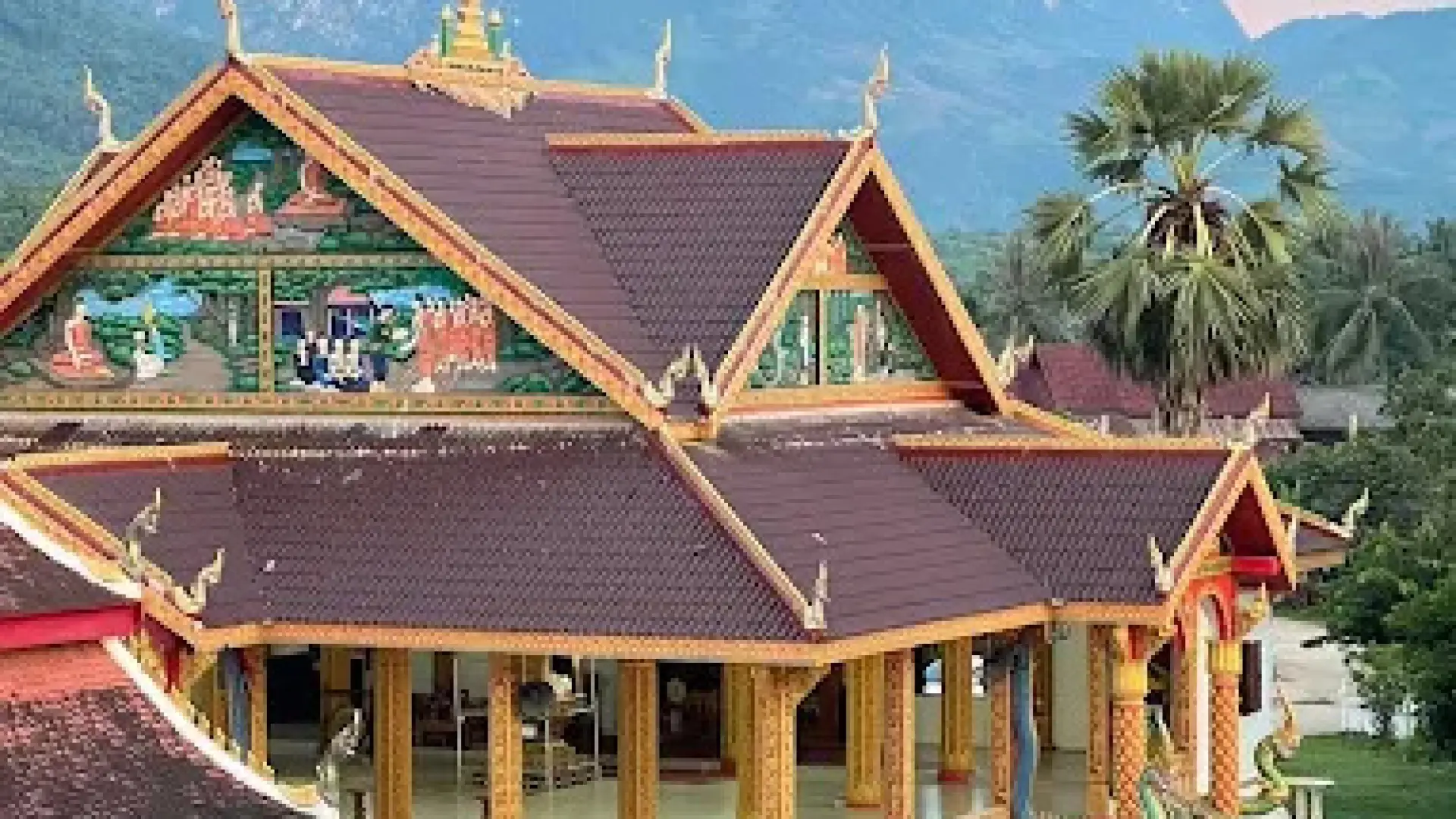
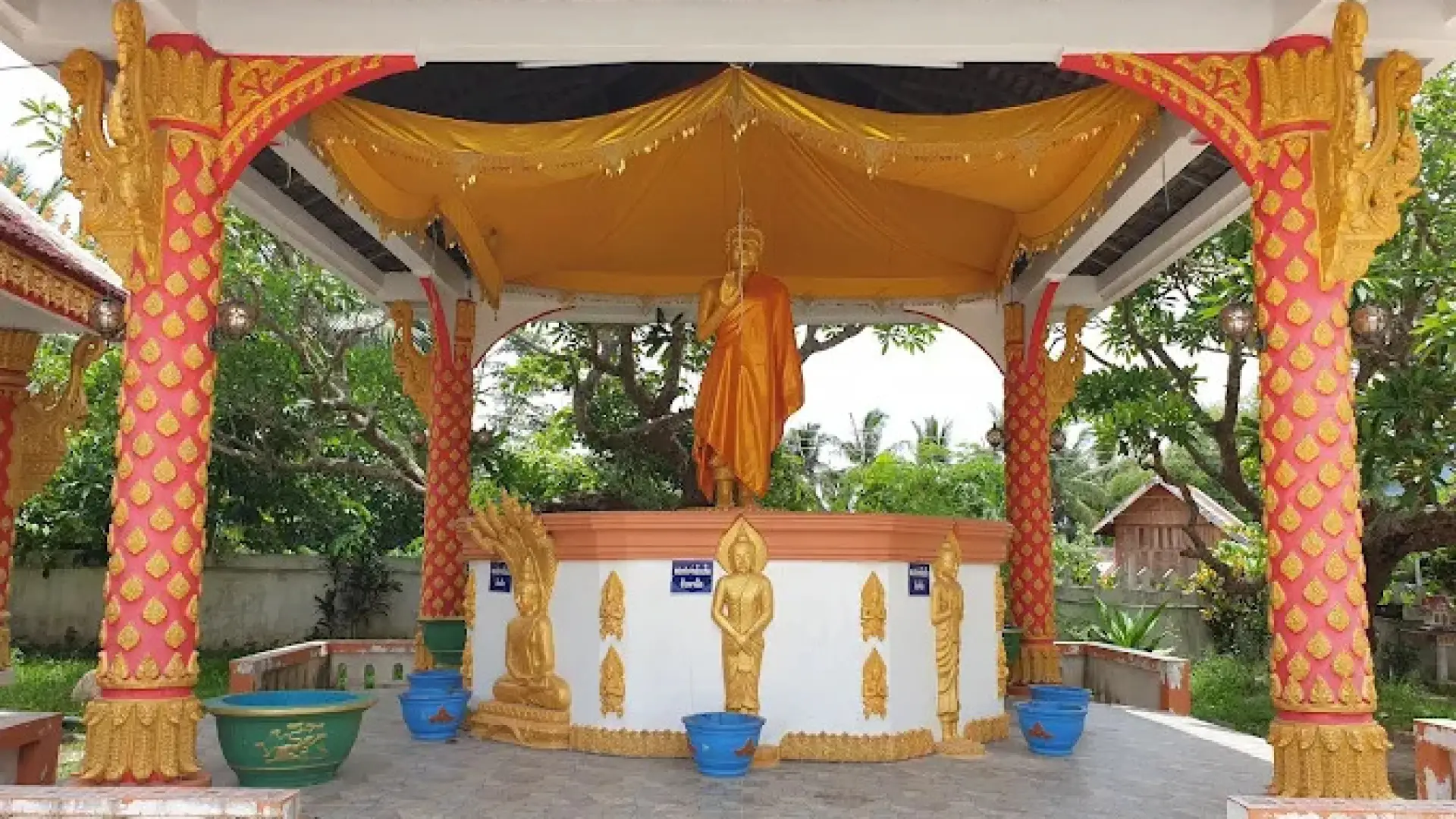
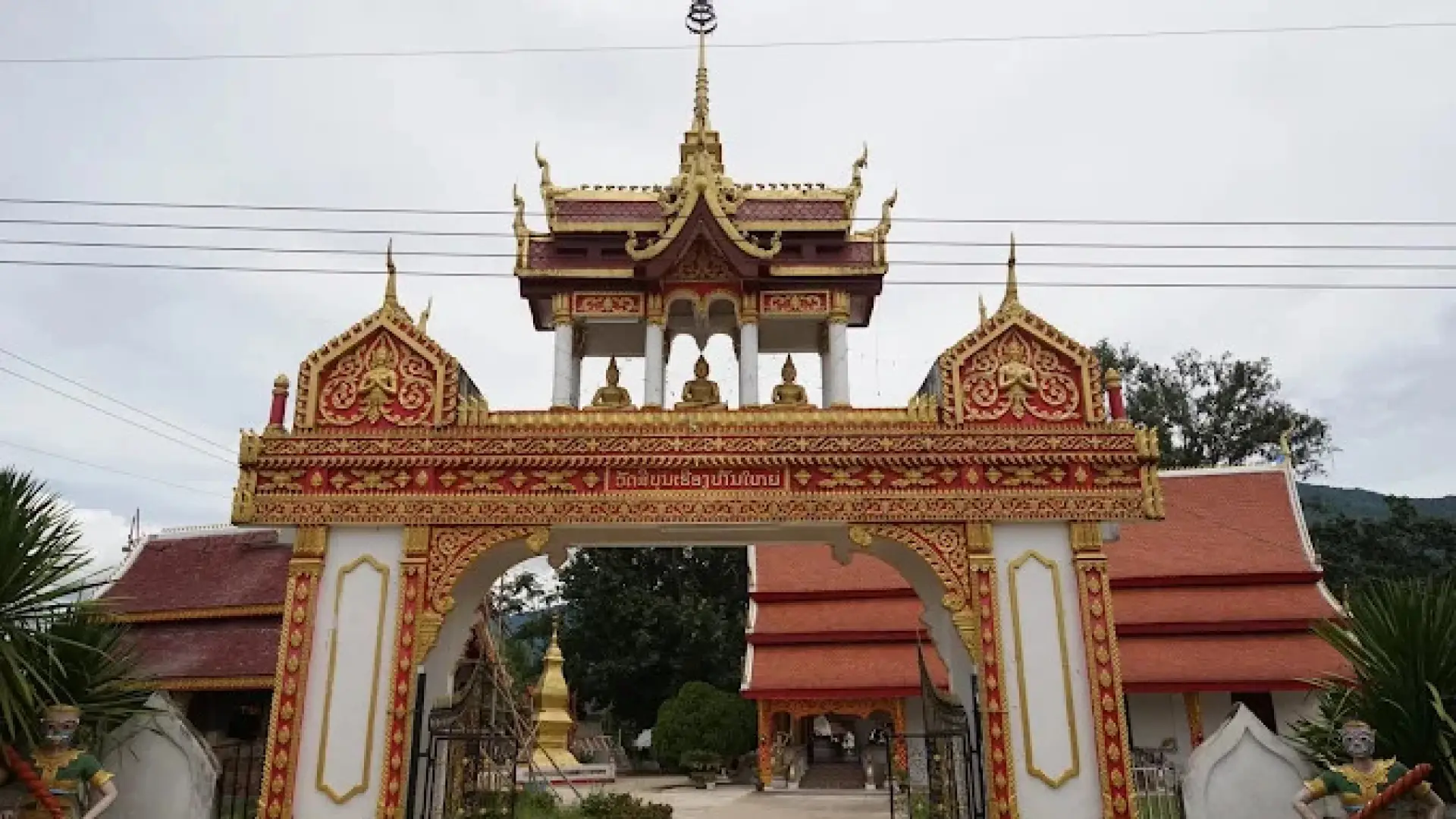
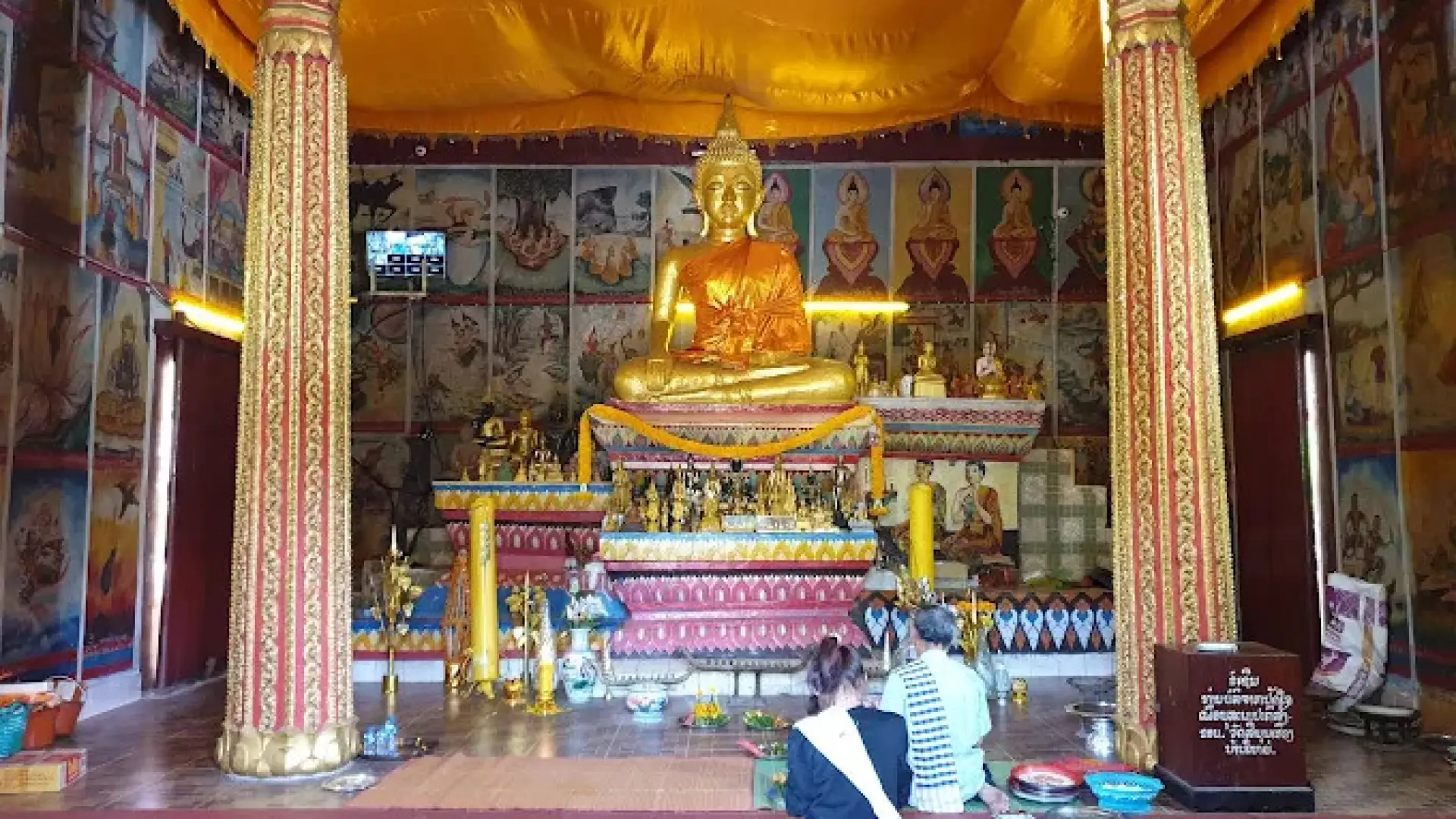
Built in 1456, Vat Sibounheuang is the oldest and one of the most beautiful temples in Sayaboury Province. Rich in history, culture, and spiritual significance, the temple has served as an important religious center for the local community for more than five centuries. Perched on a hill overlooking the scenic Nam Houng River in the heart of Sayaboury municipality, the temple offers both a peaceful atmosphere and panoramic views of the surrounding landscape.
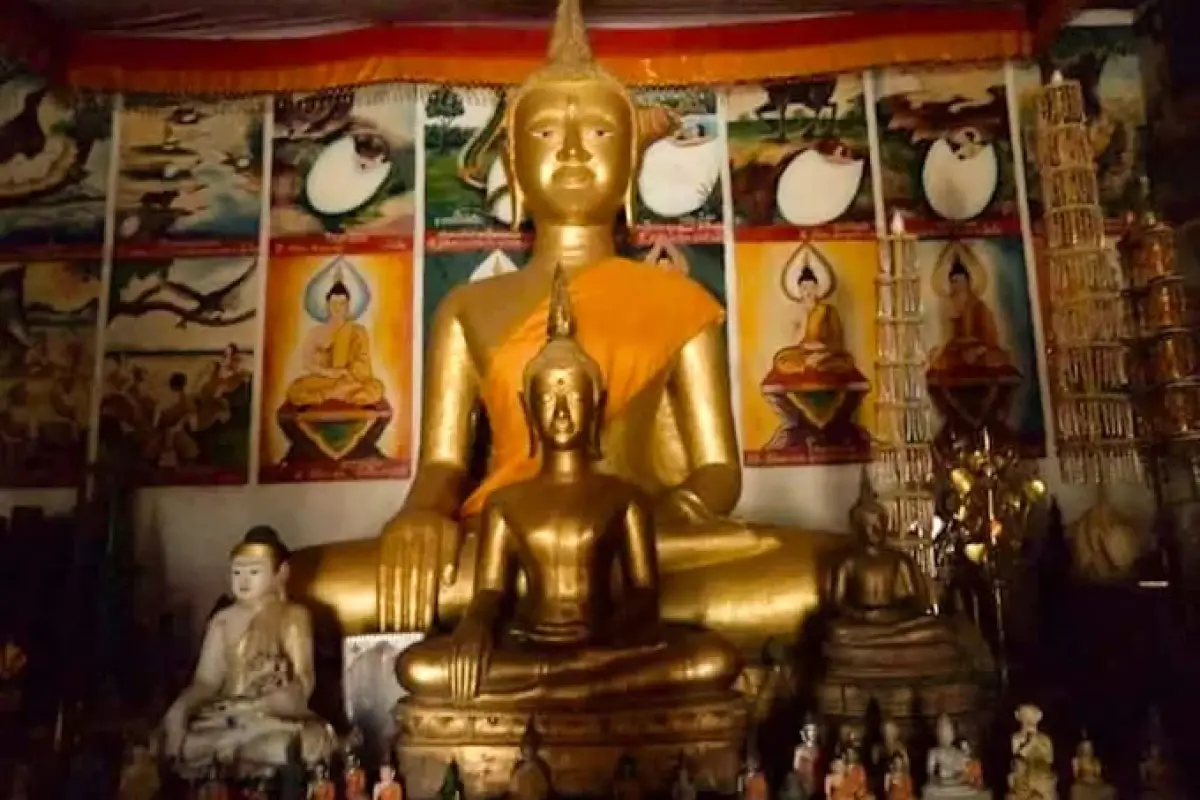
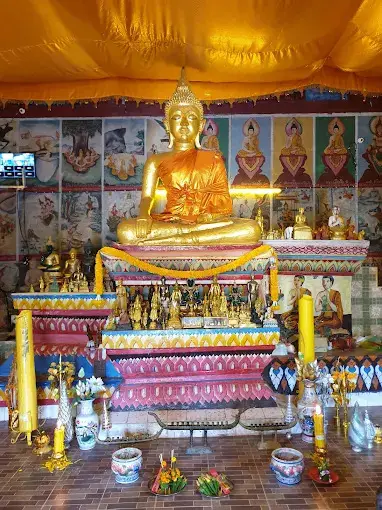
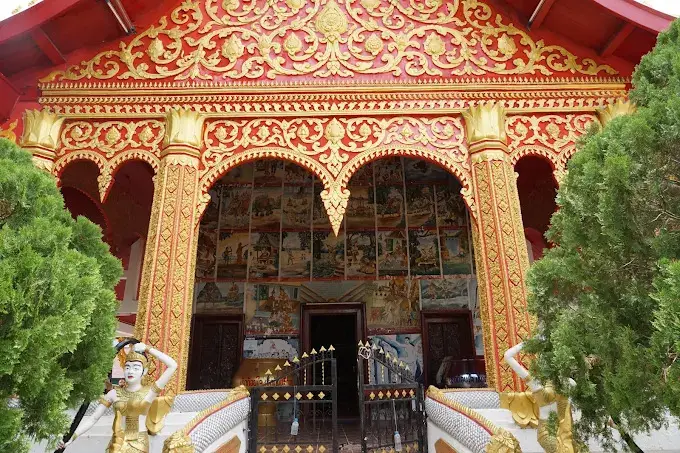
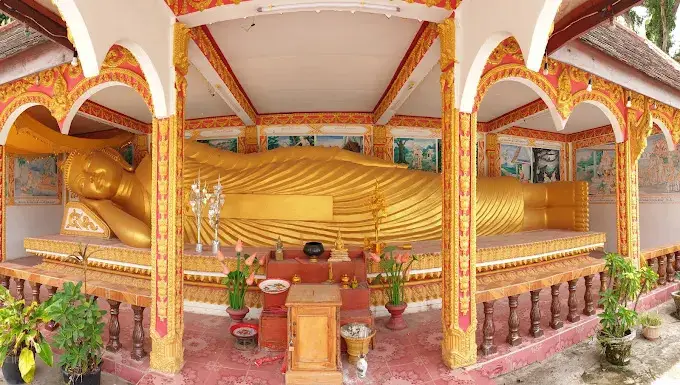
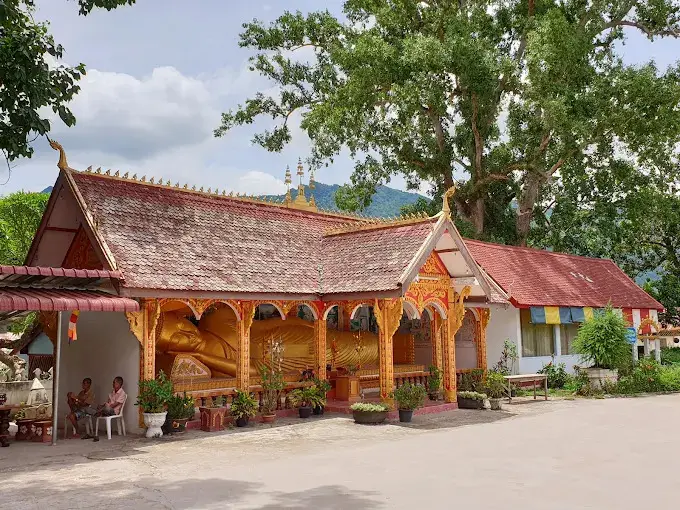
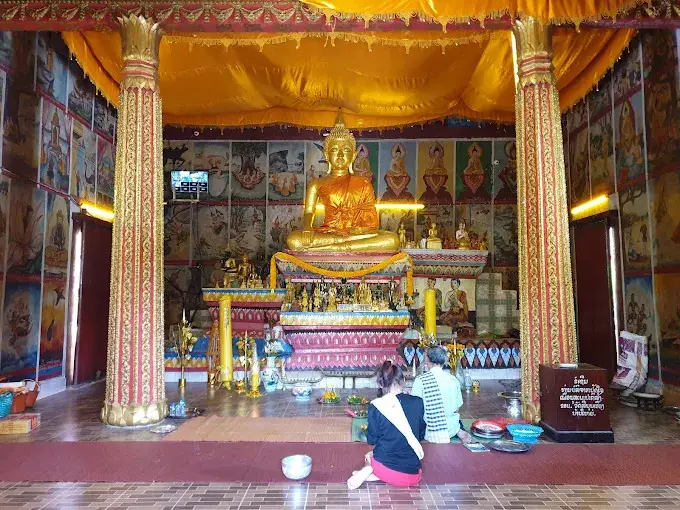
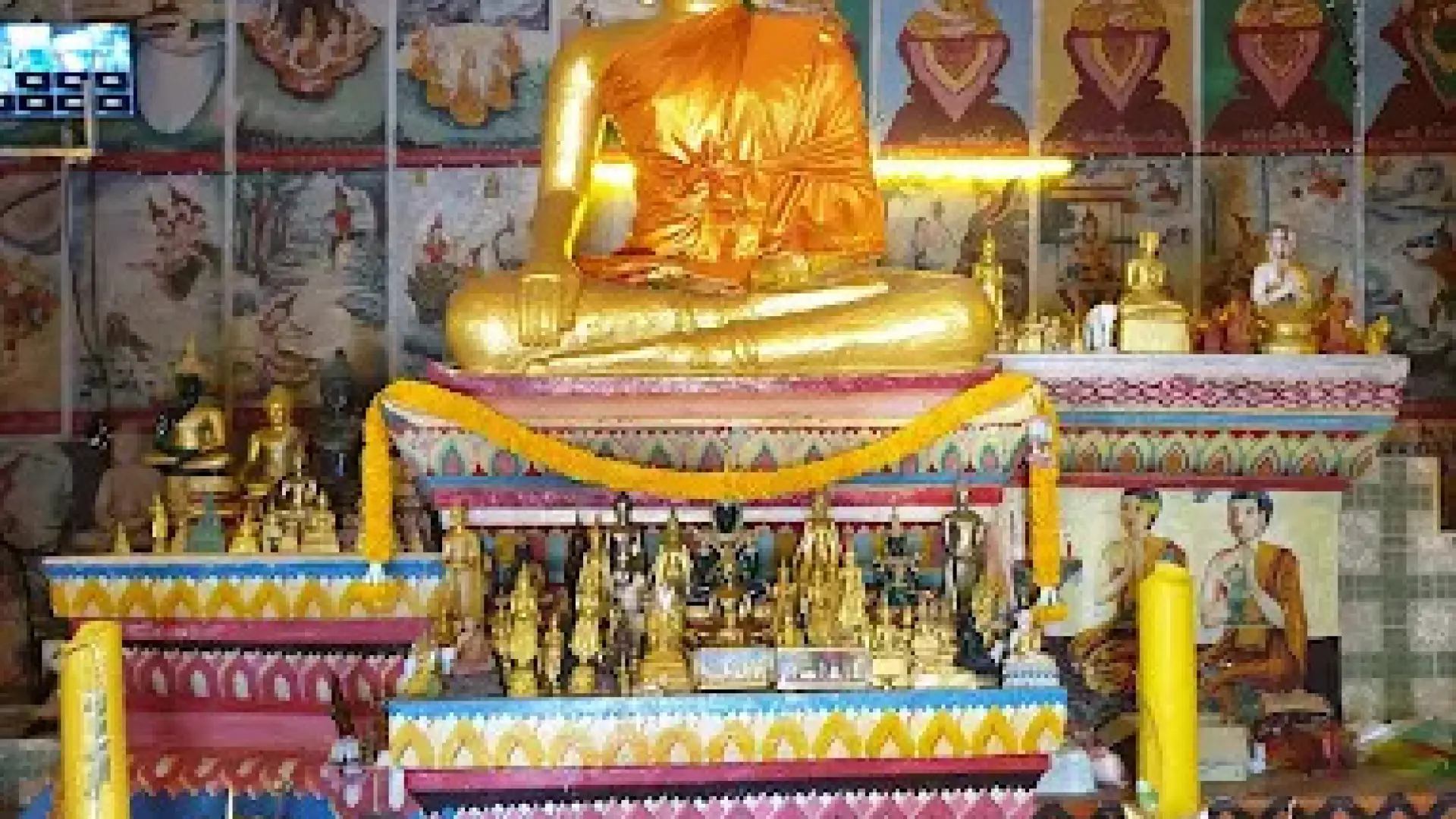
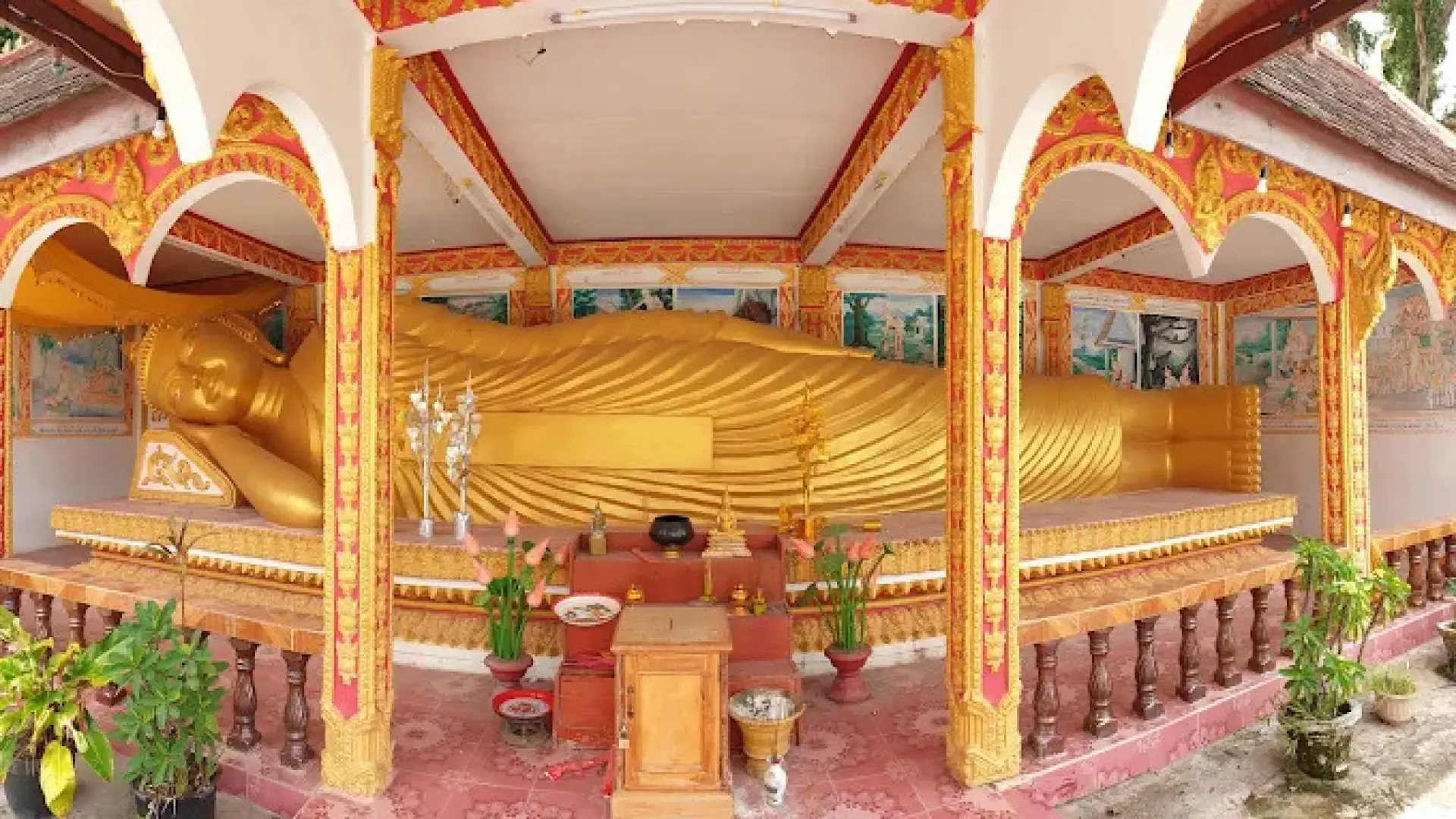
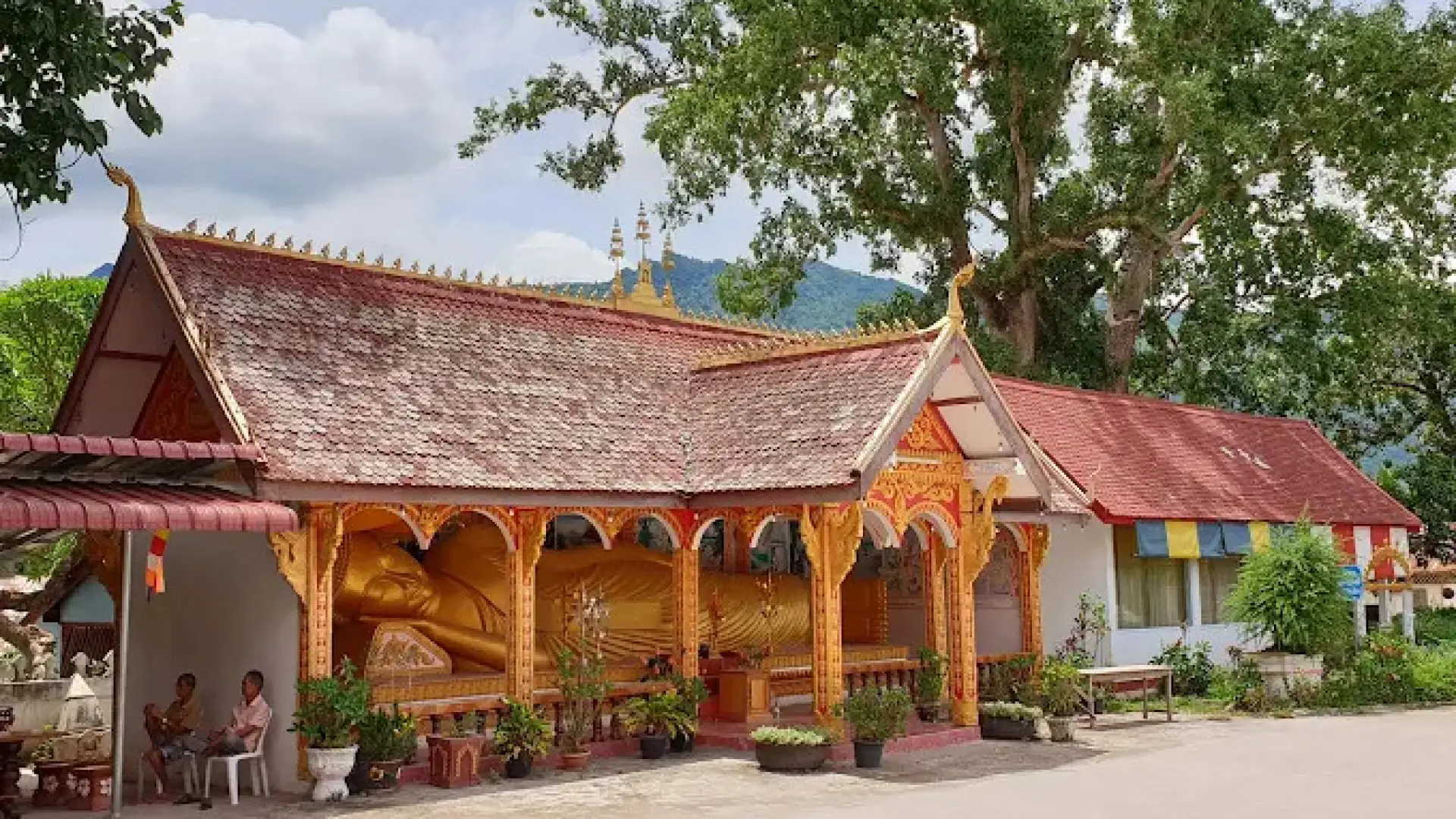
The temple is best known for housing the province's largest reclining Buddha statue, a magnificent 7-meter-long golden Buddha that attracts worshippers and visitors from across Laos. The temple's prayer halls are adorned with colorful murals depicting scenes from Buddhist teachings, local folklore, and traditional Lao life. Visitors can also see the remains of the original temple structure, which provide a fascinating glimpse into the site's long and storied history.
Vat Sibounheuang remains an active place of worship where local residents come to pray, seek blessings before embarking on journeys, and return to make merit and give thanks for safe travels. The temple continues to play a central role in the spiritual life of the community and is regarded as a symbol of protection and good fortune.
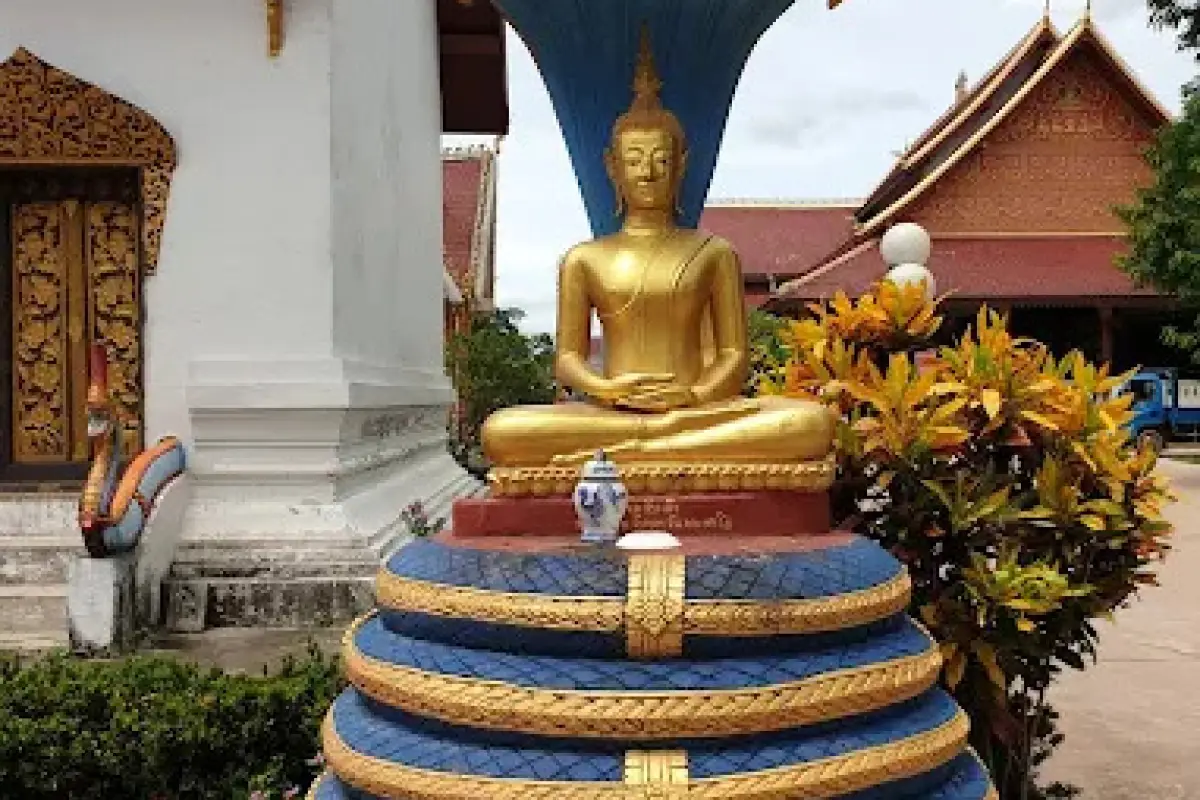
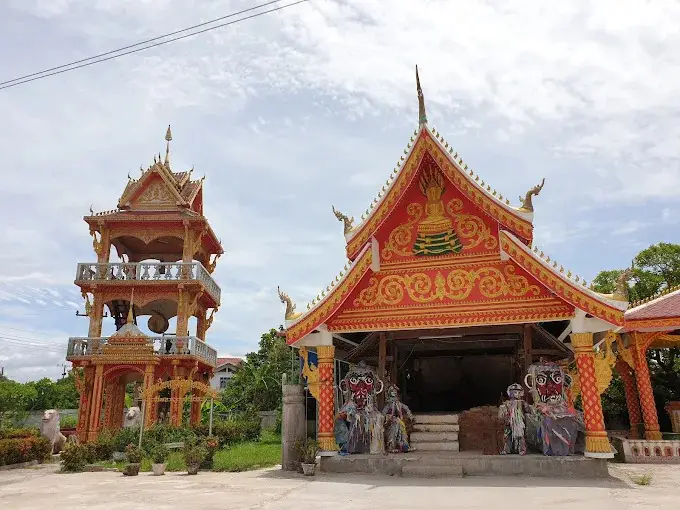
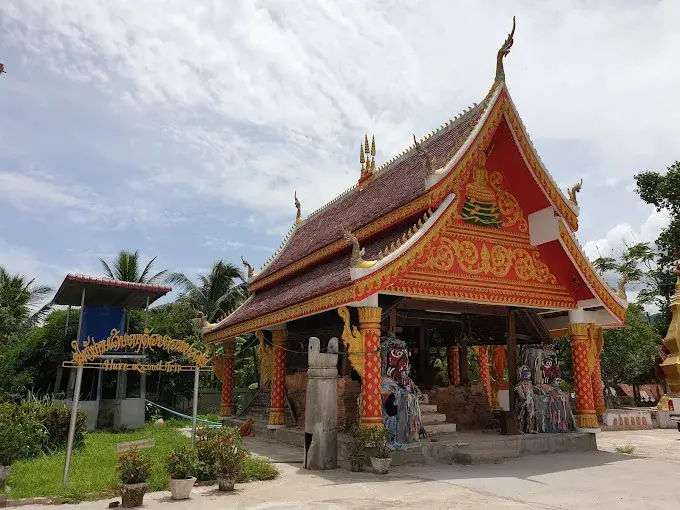
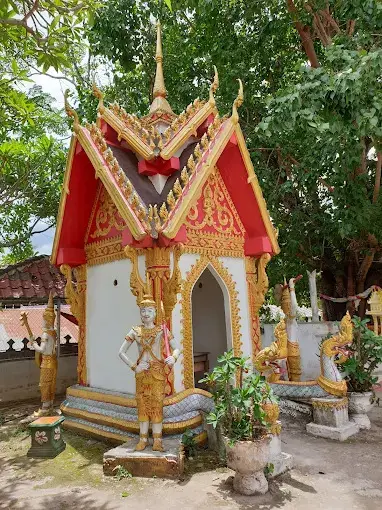
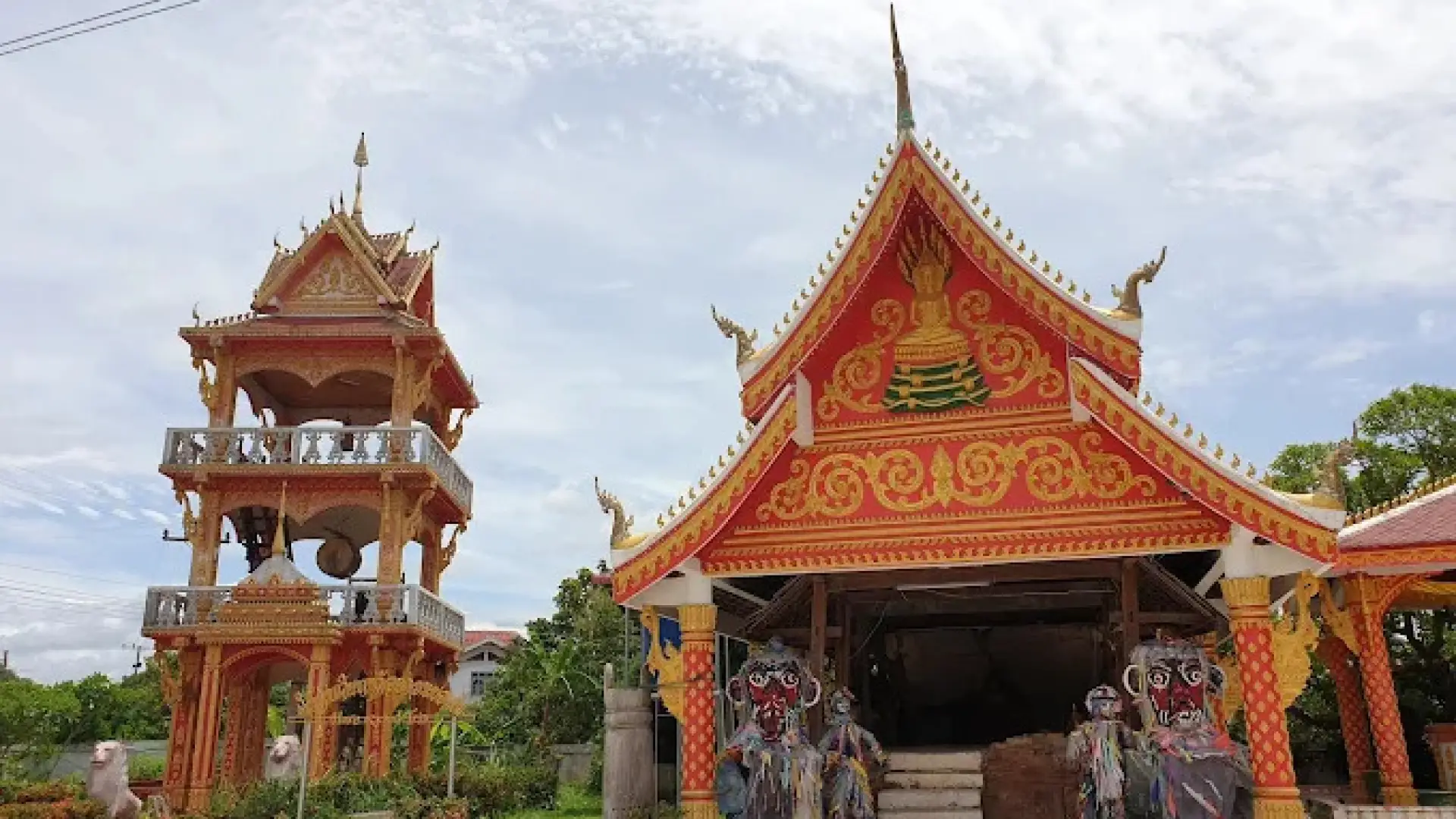
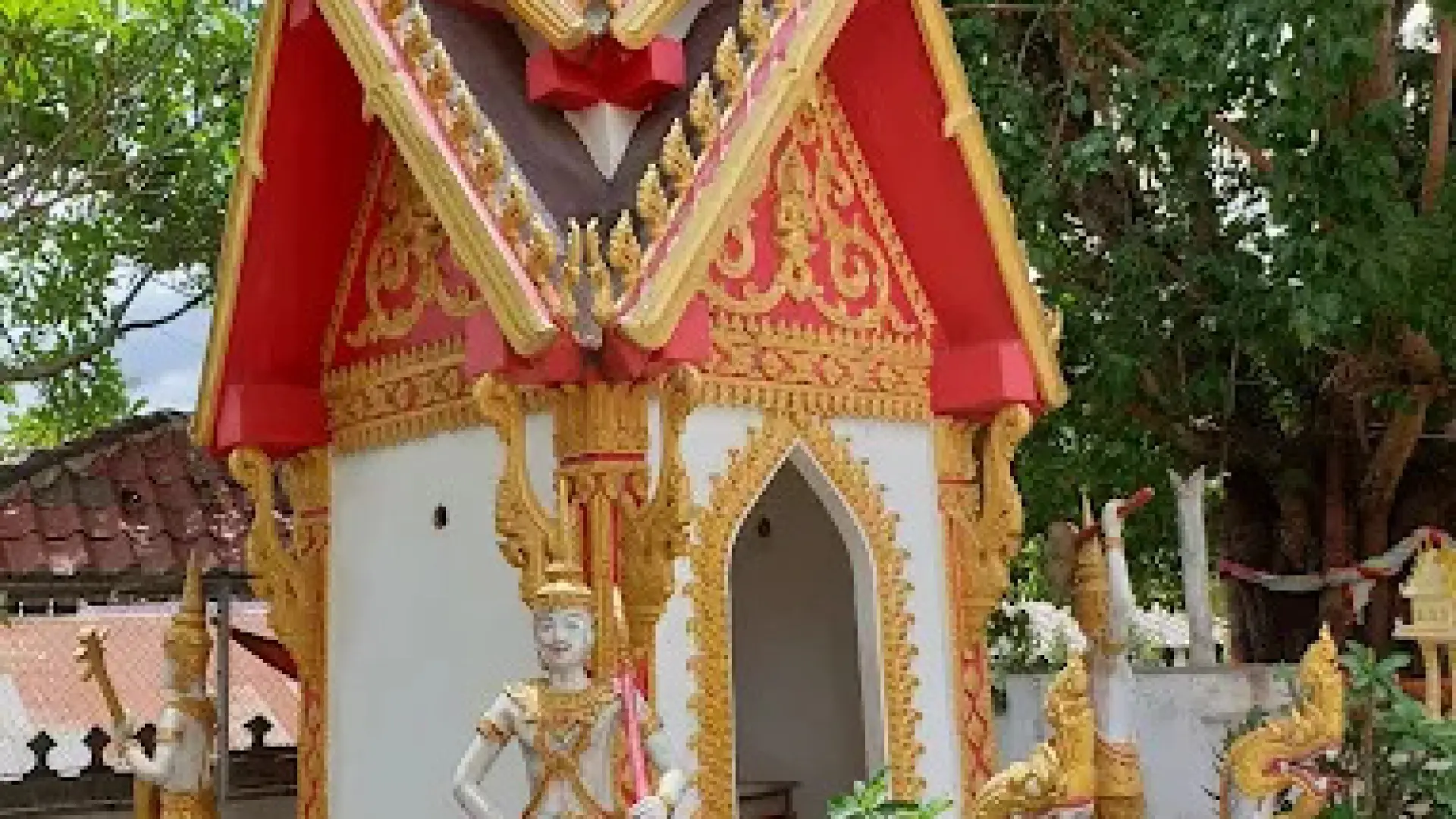
One of the temple's most unique features is its sacred stupa, which sits upon a singkhone and is guarded by four spirit-ghosts—two large and two small—believed to represent honesty, strength, and protection. According to local beliefs, the village guardian spirit also resides within the temple grounds, adding to the spiritual importance of the site.
Each year in mid-March, Vat Sibounheuang becomes the center of the district's colorful three-day Boun Phavet Festival, also known as the Ghost Festival. This traditional celebration commemorates Prince Phavet and local legends that tell of forest spirits guiding him safely back to town. The procession begins at the local cemetery and ends at the temple, where symbolic rituals, including the burning of clothes and their release into the Nam Houng River, are performed to honor ancestors and guardian spirits. The festival offers visitors a rare opportunity to experience one of Sayaboury's most unique cultural traditions.
Today, Vat Sibounheuang stands as both a revered religious sanctuary and an important historical landmark. Its combination of ancient history, beautiful architecture, spiritual traditions, local legends, and scenic surroundings makes it one of the most rewarding cultural attractions in Sayaboury Province.
Opening Hours
- Daily: 06:00 AM – 06:00 PM
- Best time to visit:
- Early morning to observe local worship and monk activities.
- Late afternoon for cooler temperatures and beautiful views over the Nam Houng River.
- Mid-March during the Boun Phavet Festival for a unique cultural experience.
Highlights
- Oldest temple in Sayaboury Province, dating back to 1456.
- Home to the province's largest 7-meter-long reclining golden Buddha.
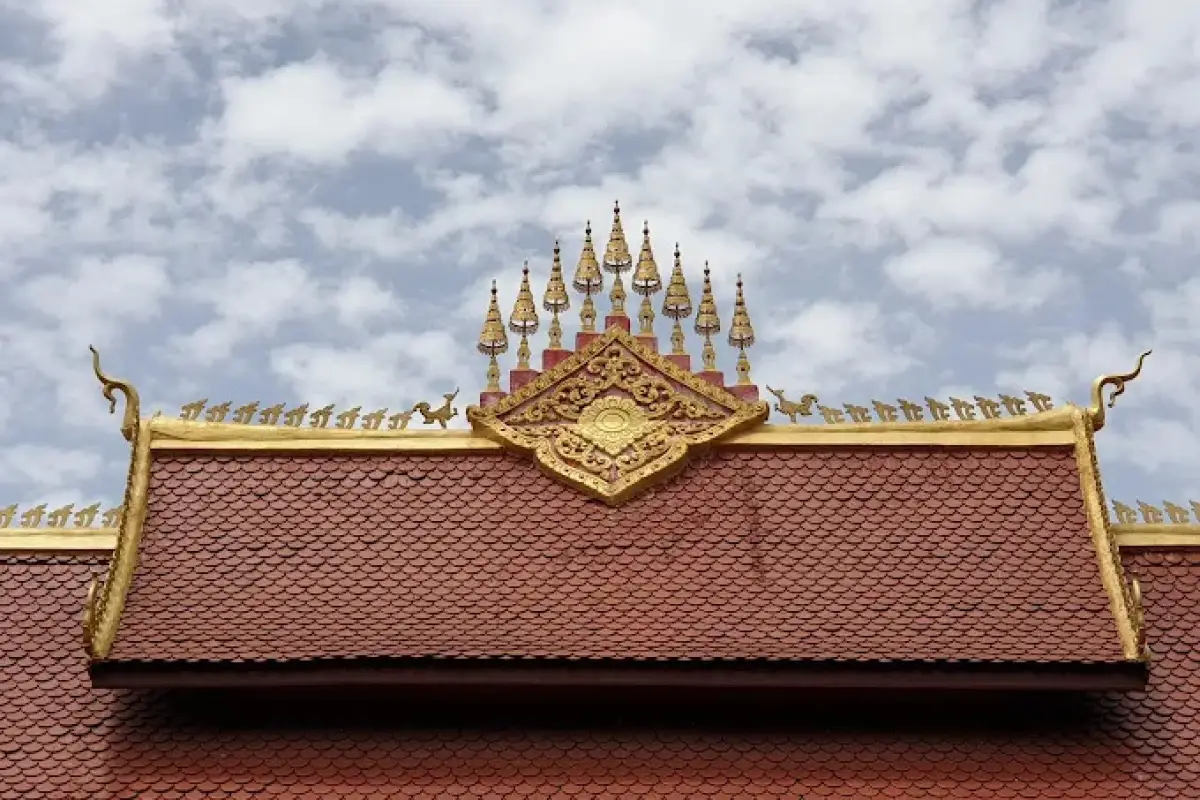
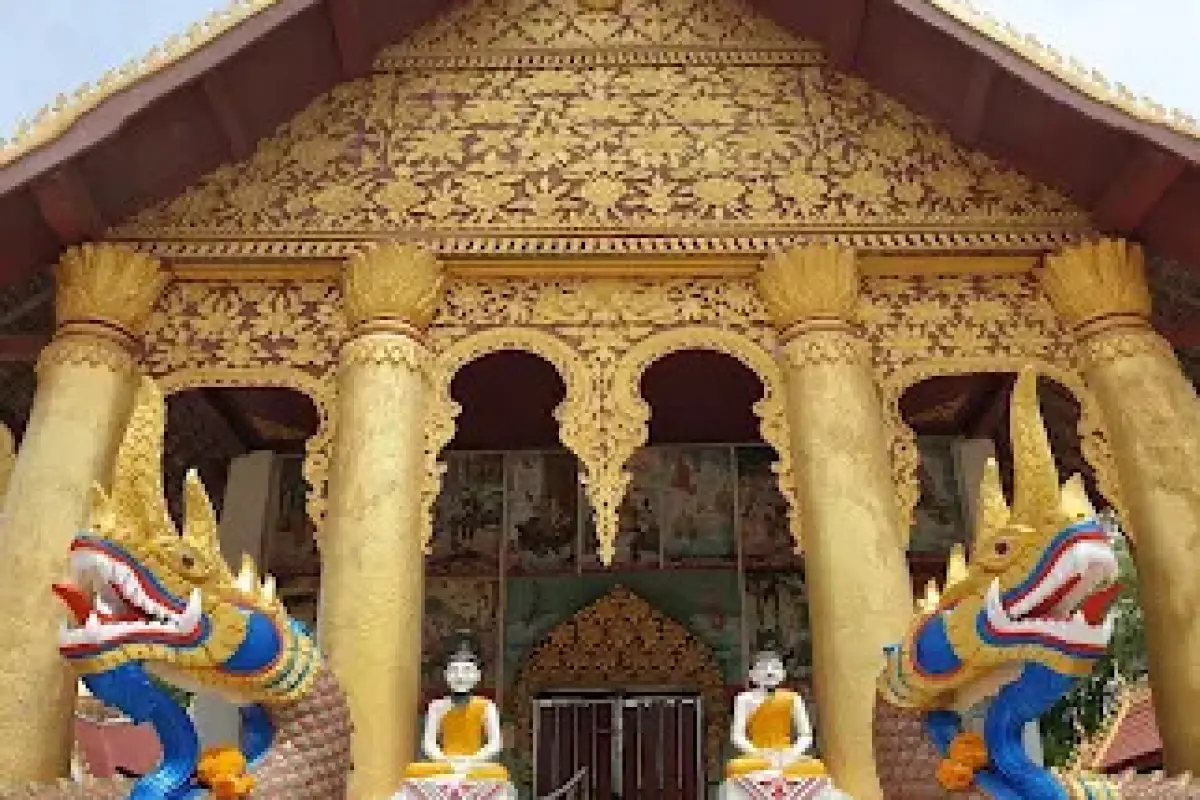
- Beautiful Buddhist murals and traditional Lao architecture.
- Historic remains of the original temple structure.
- Sacred stupa guarded by four spirit-ghosts according to local beliefs.
- Spectacular hilltop location overlooking the Nam Houng River.
- Active place of worship and community gathering.
- Host of the annual Boun Phavet (Ghost Festival).
- Rich blend of history, spirituality, folklore, and culture.
- Excellent photography opportunities and panoramic views.
Visitor Tips
- Dress modestly when visiting the temple, covering shoulders and knees.
- Remove shoes before entering temple buildings.
- Maintain a respectful and quiet demeanor while exploring the grounds.
- Ask permission before photographing monks or worshippers.
- Visit during sunrise or sunset for the best lighting and views.
- Bring water and sun protection, especially during the hot season.
- If visiting during the Boun Phavet Festival, arrive early to enjoy the processions and cultural activities.
- Allow 45–60 minutes to fully explore the temple and its surroundings.
Location
Vat Sibounheuang is located in the center of Sayaboury municipality, overlooking the Nam Houng River and easily accessible from most parts of the town.