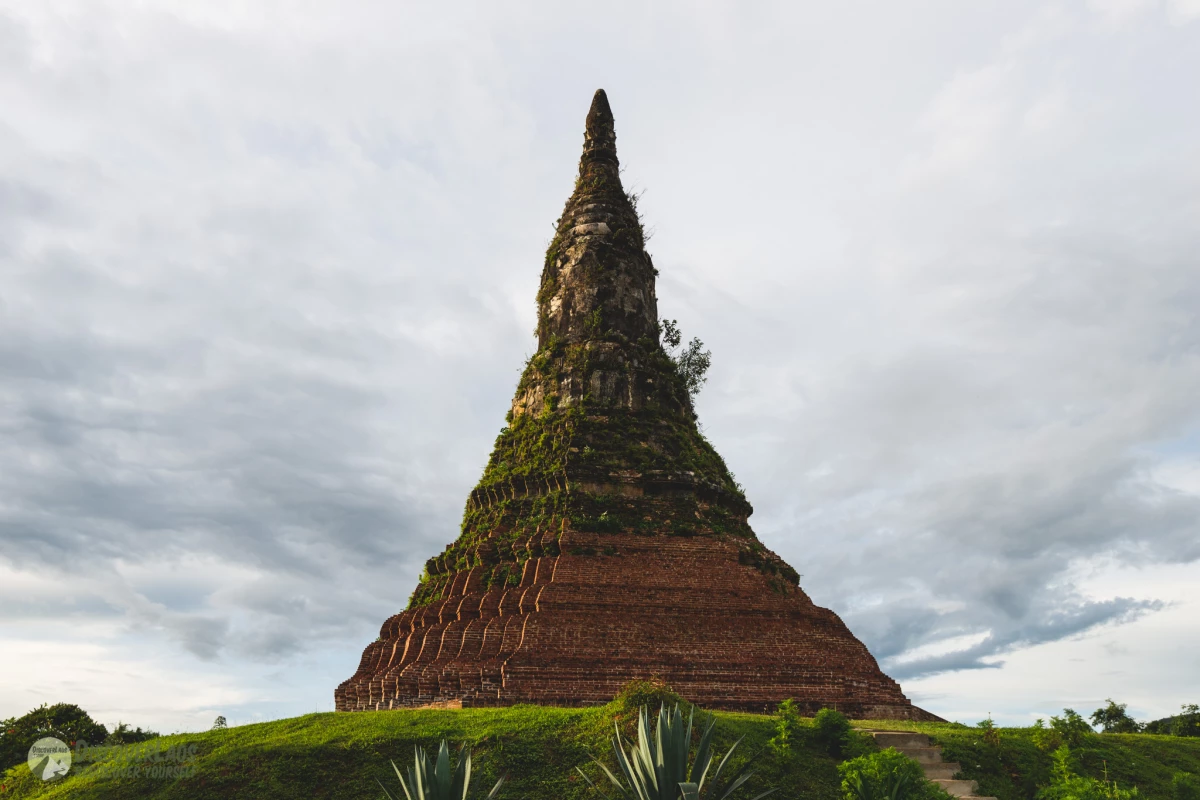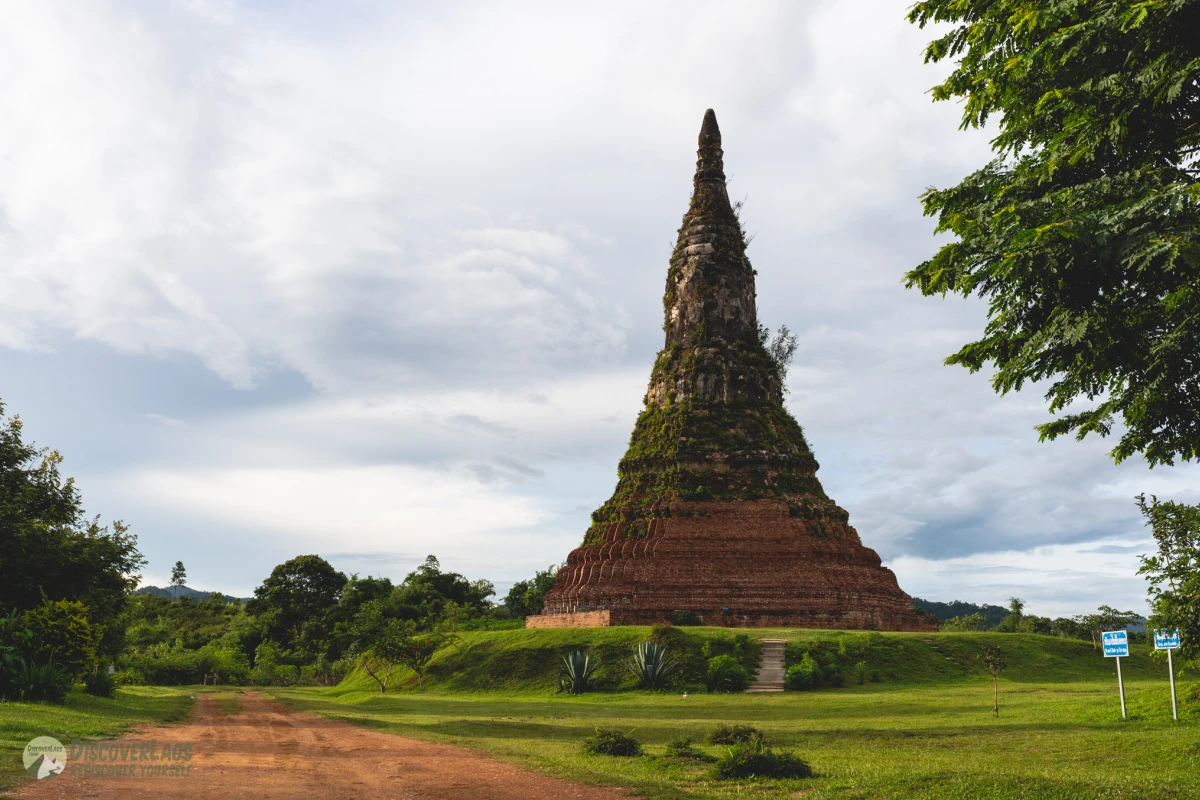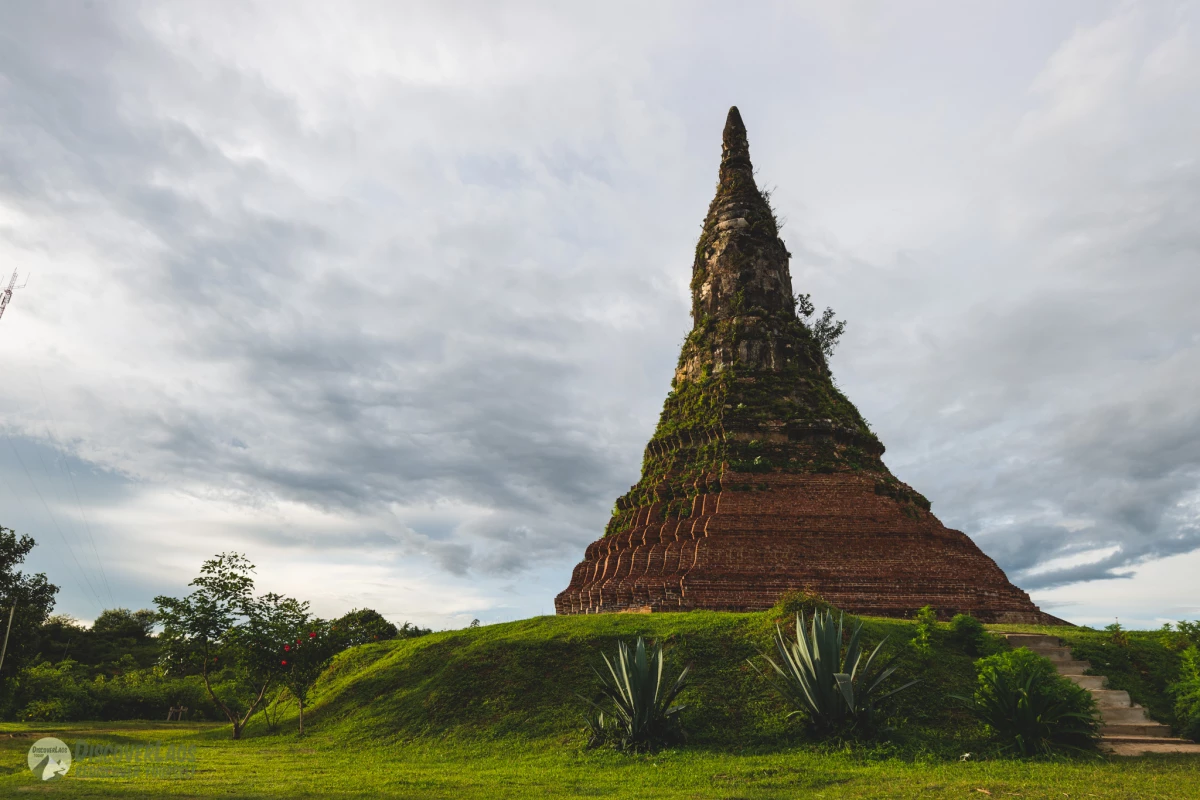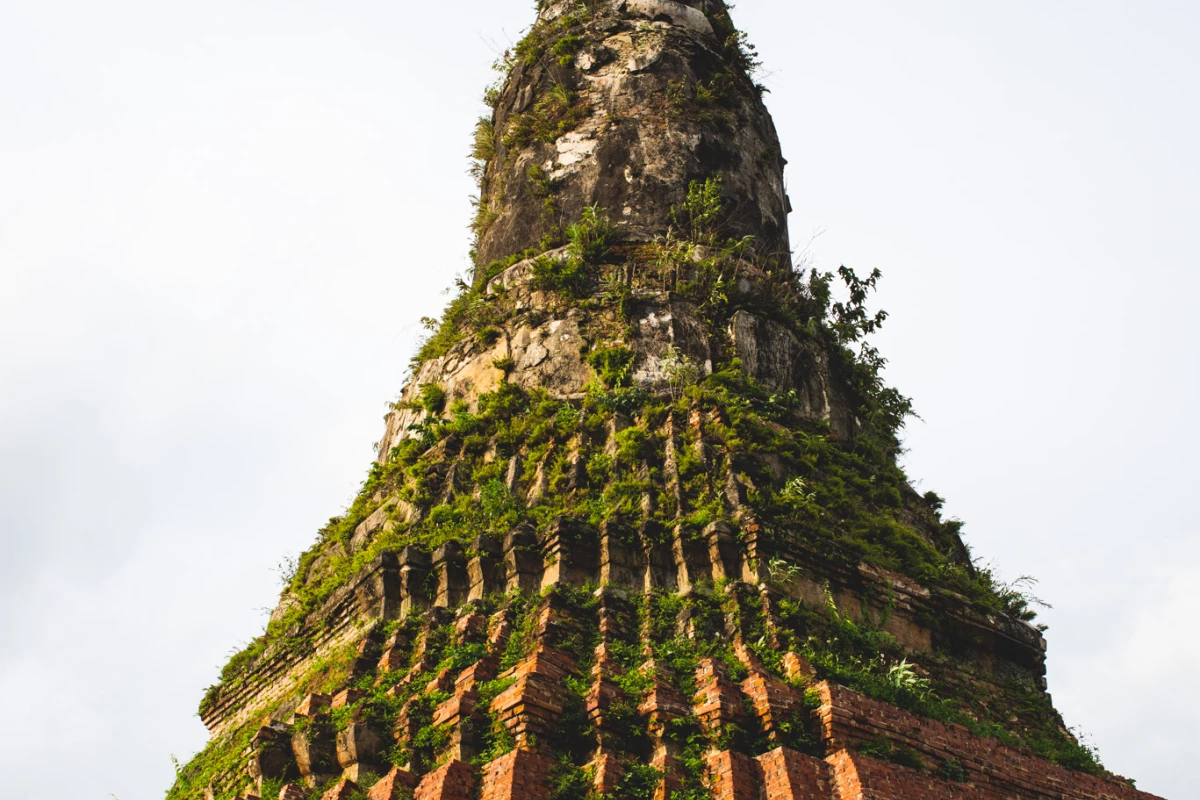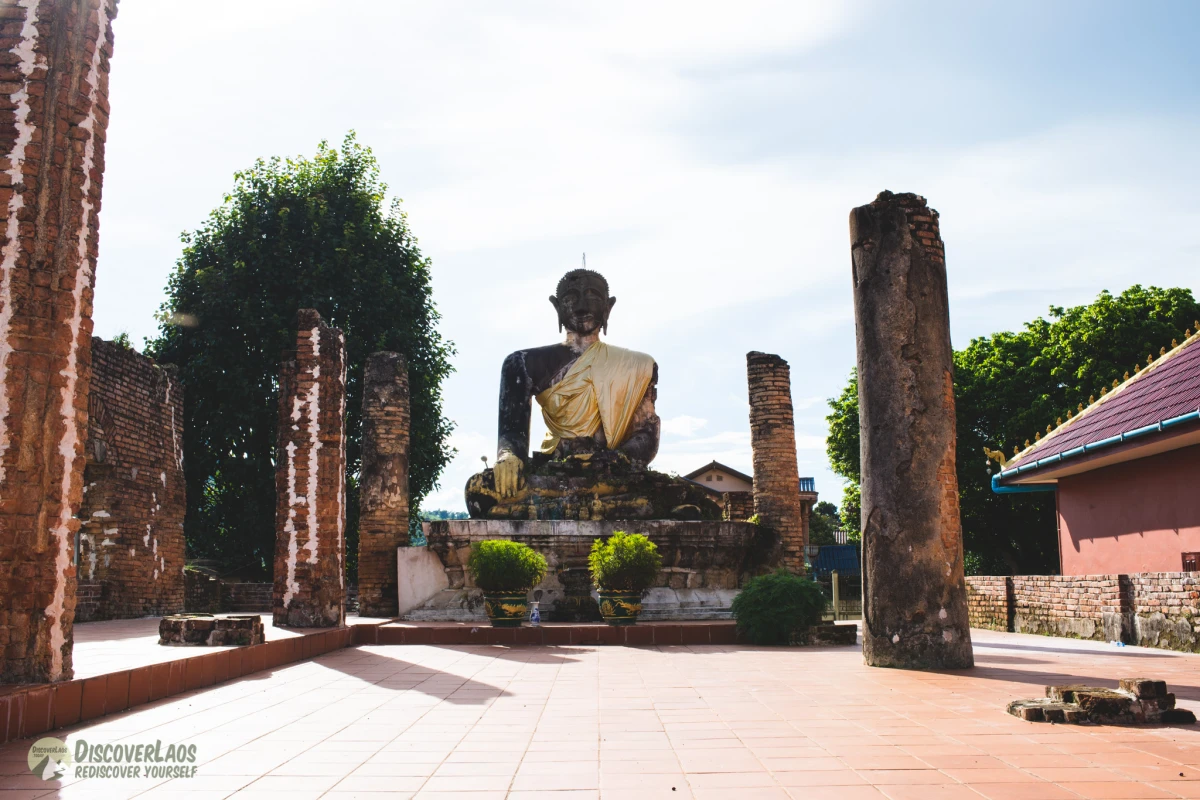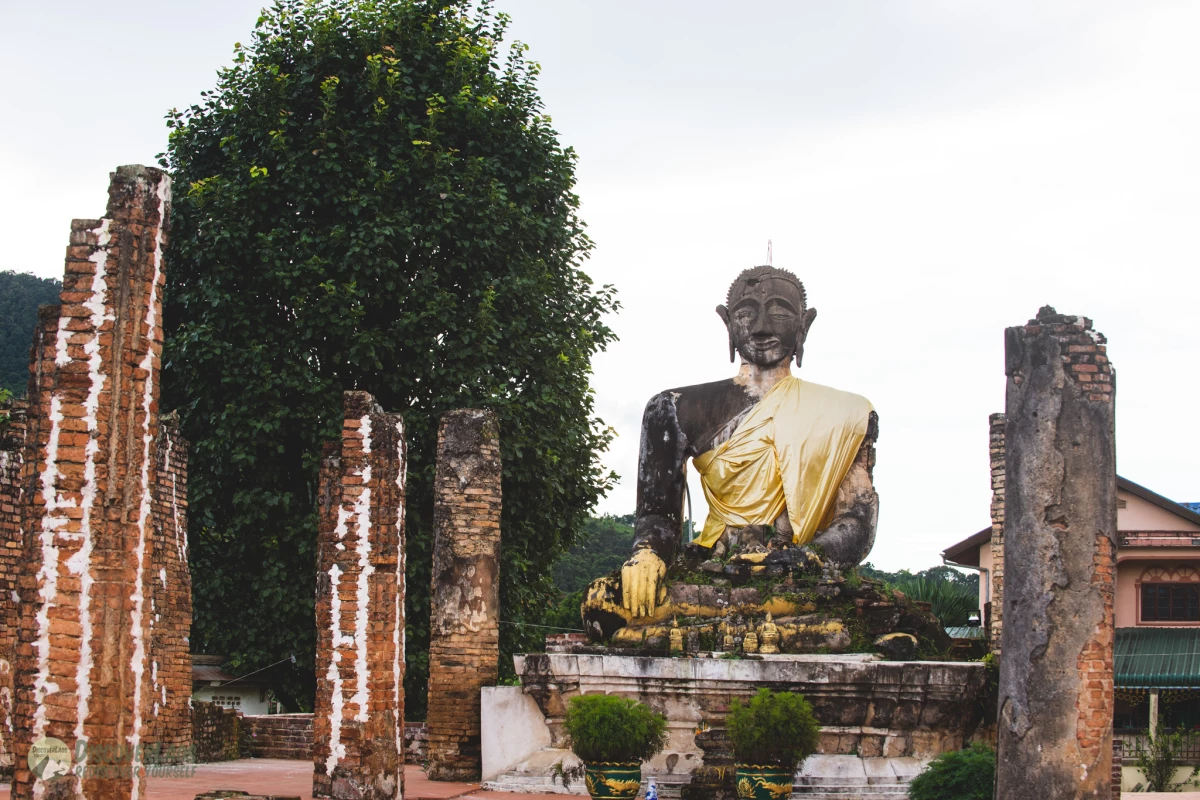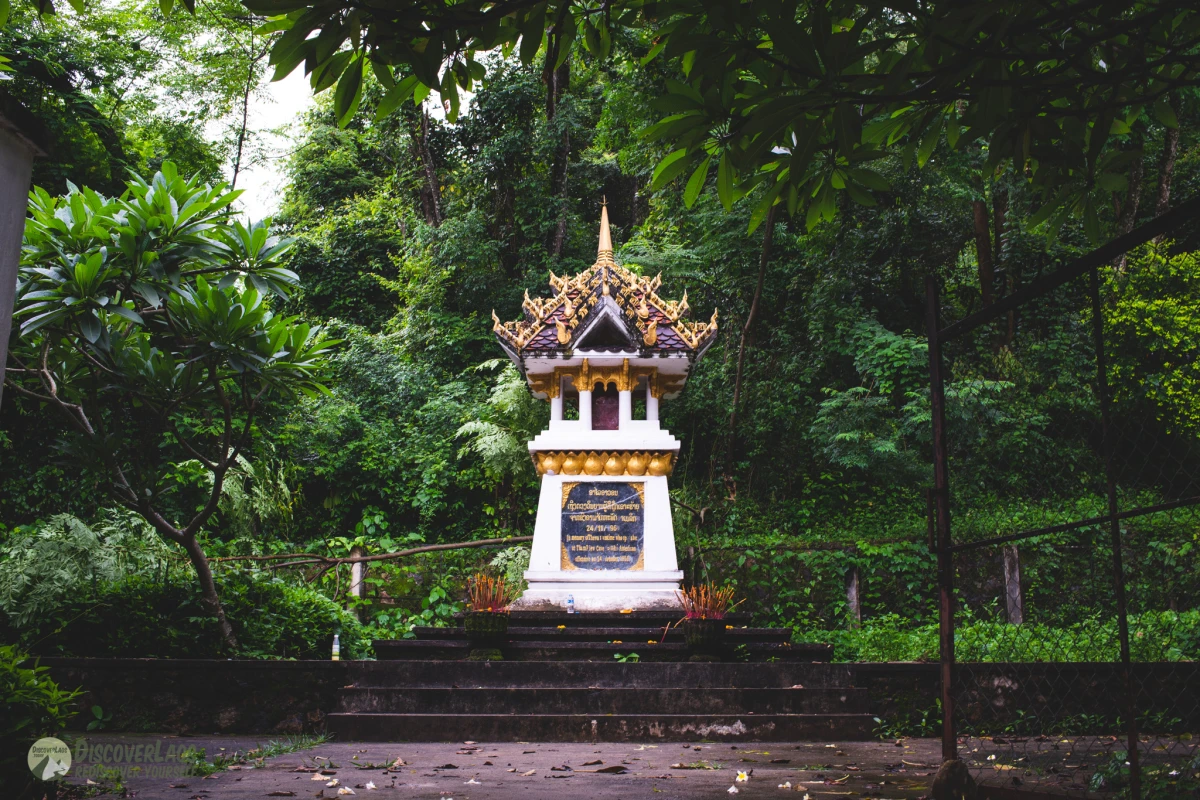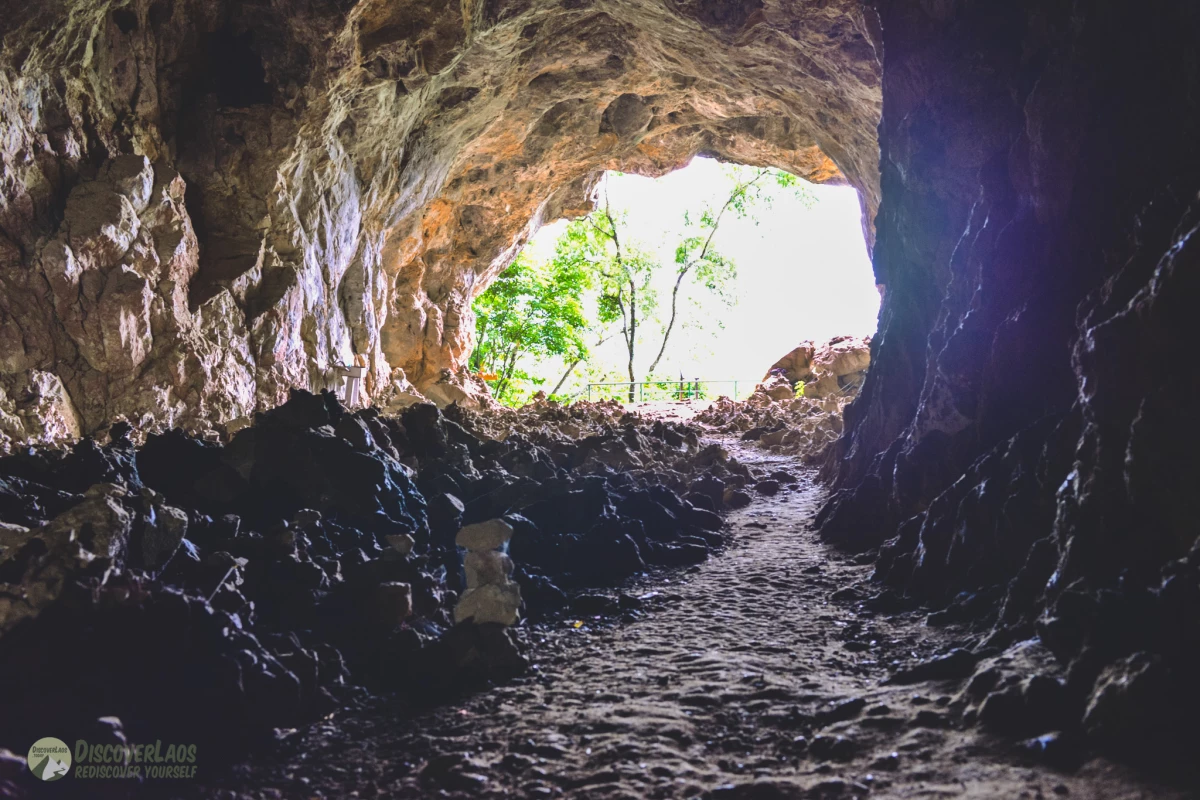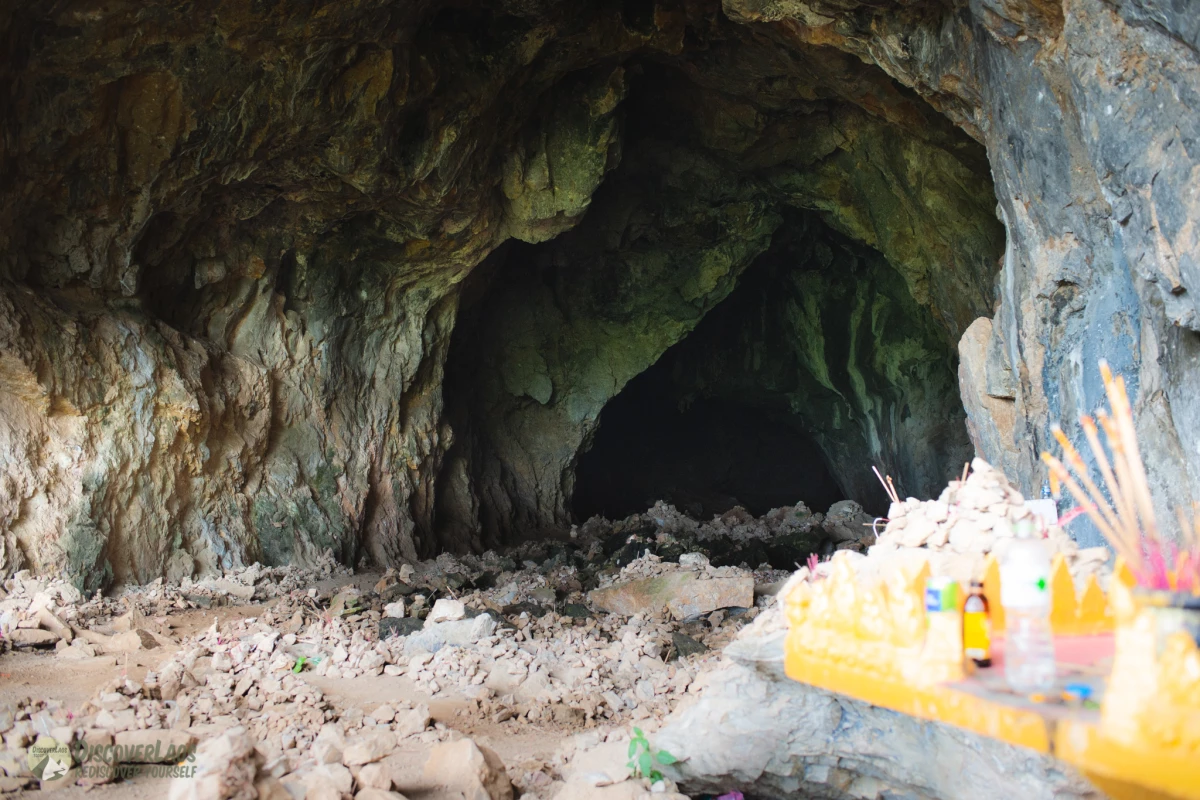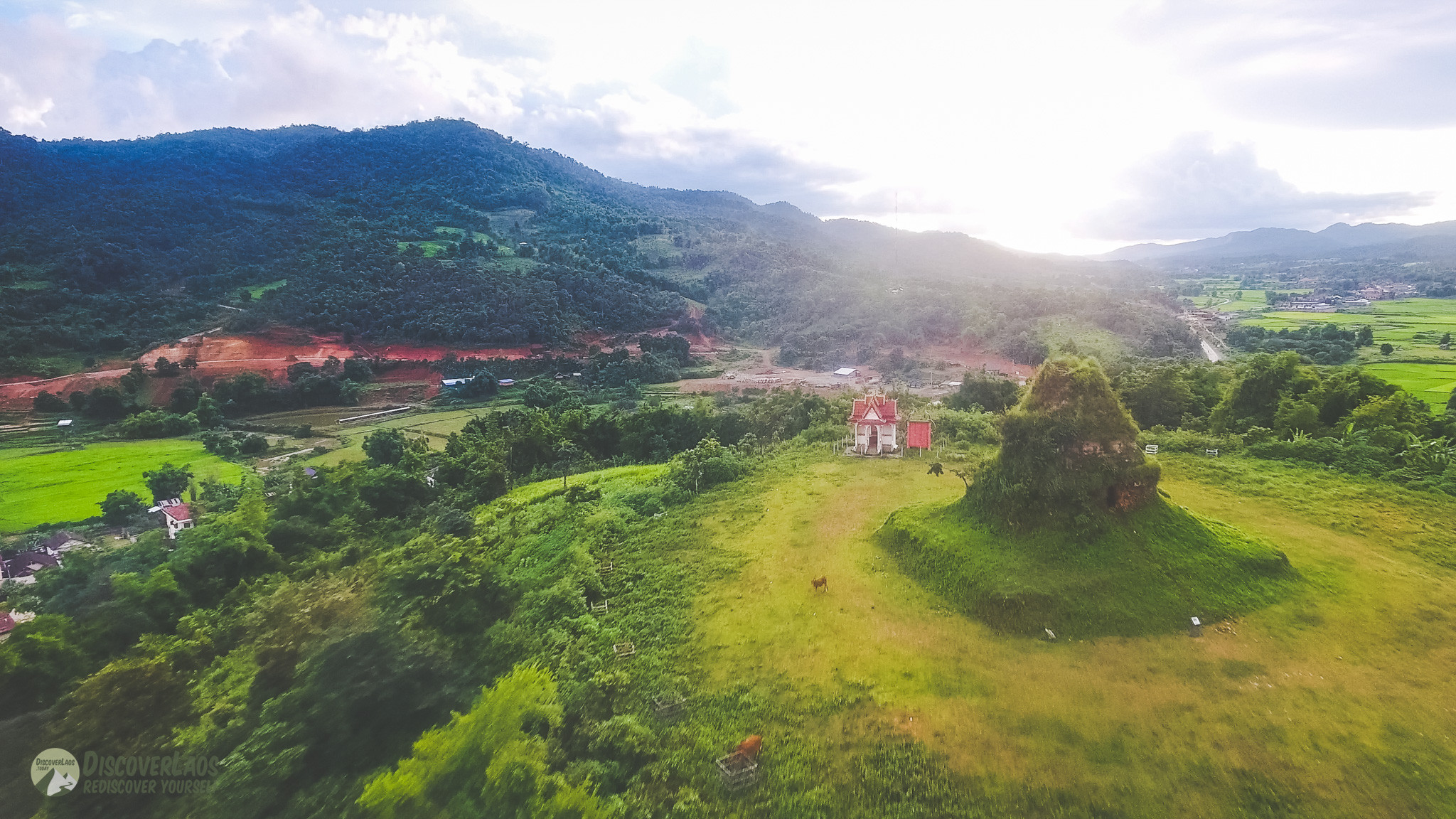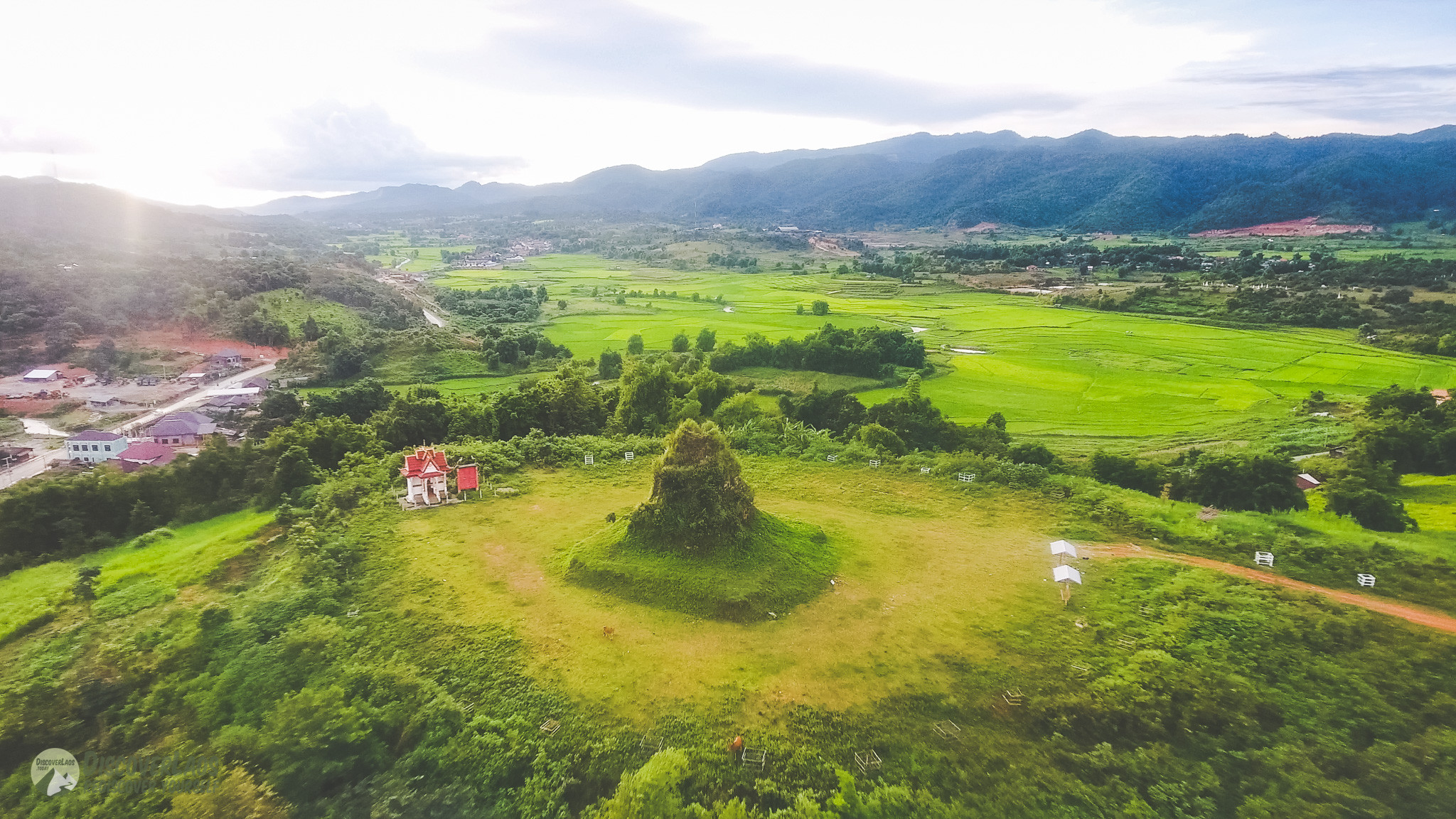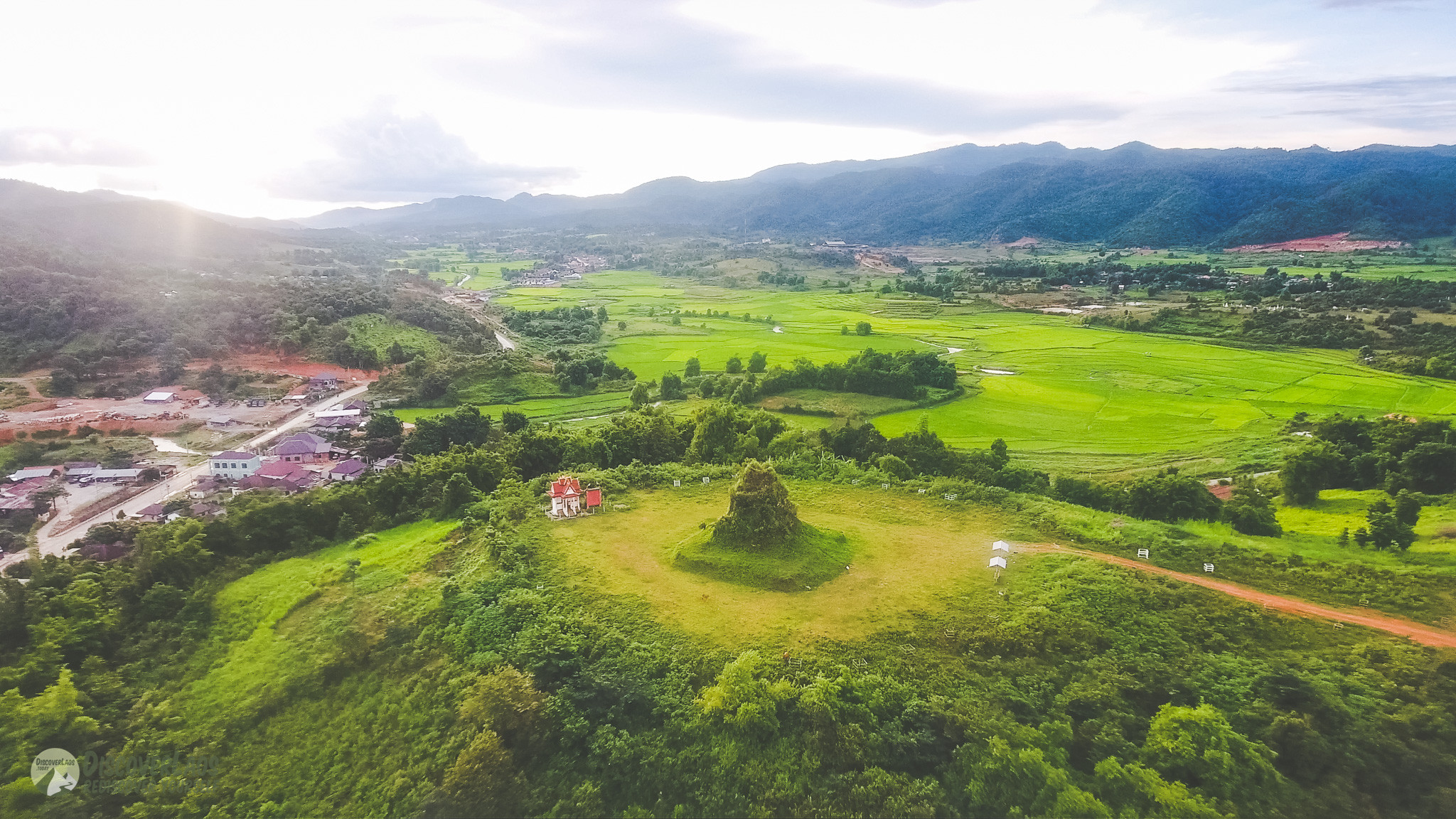
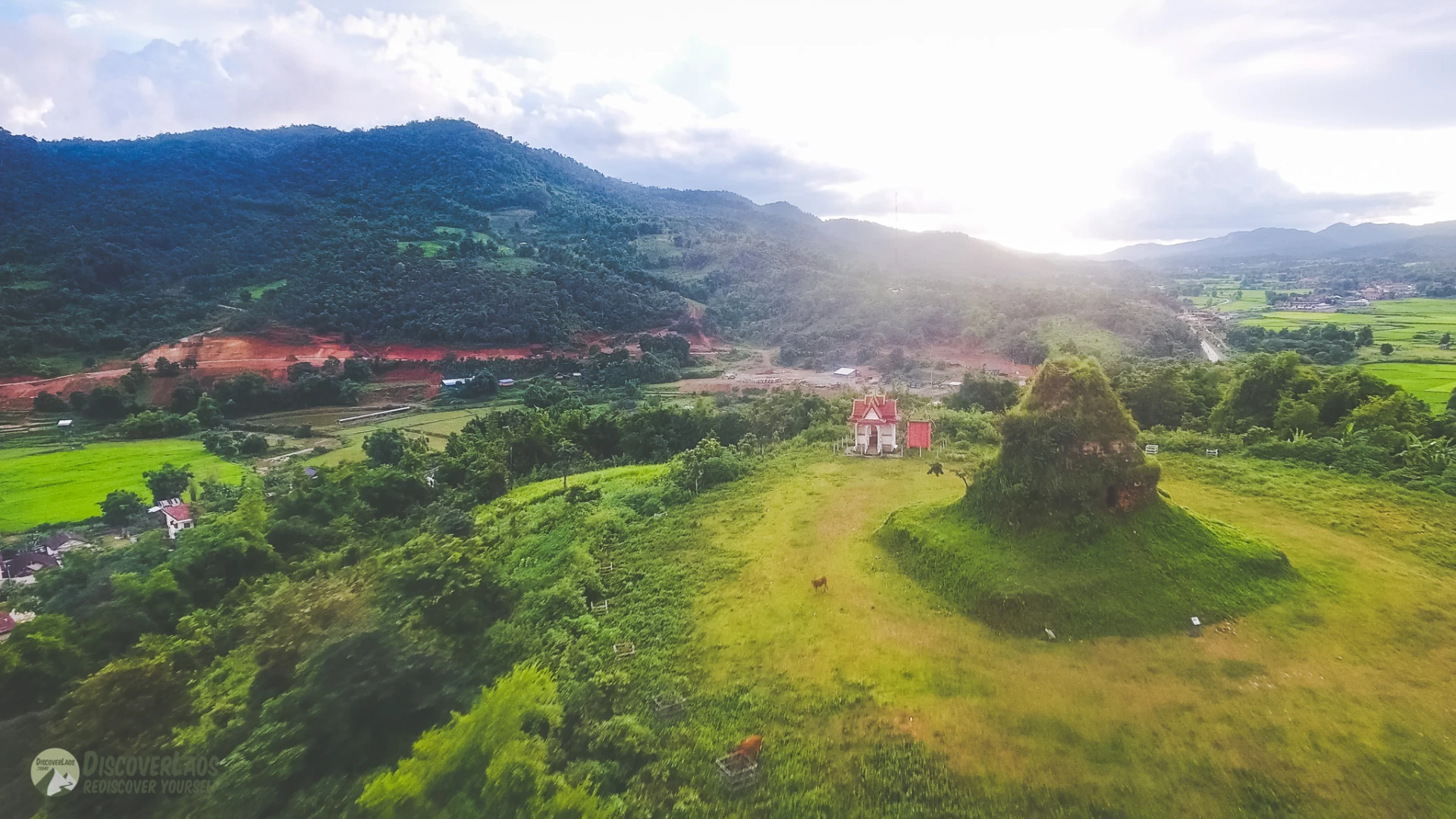
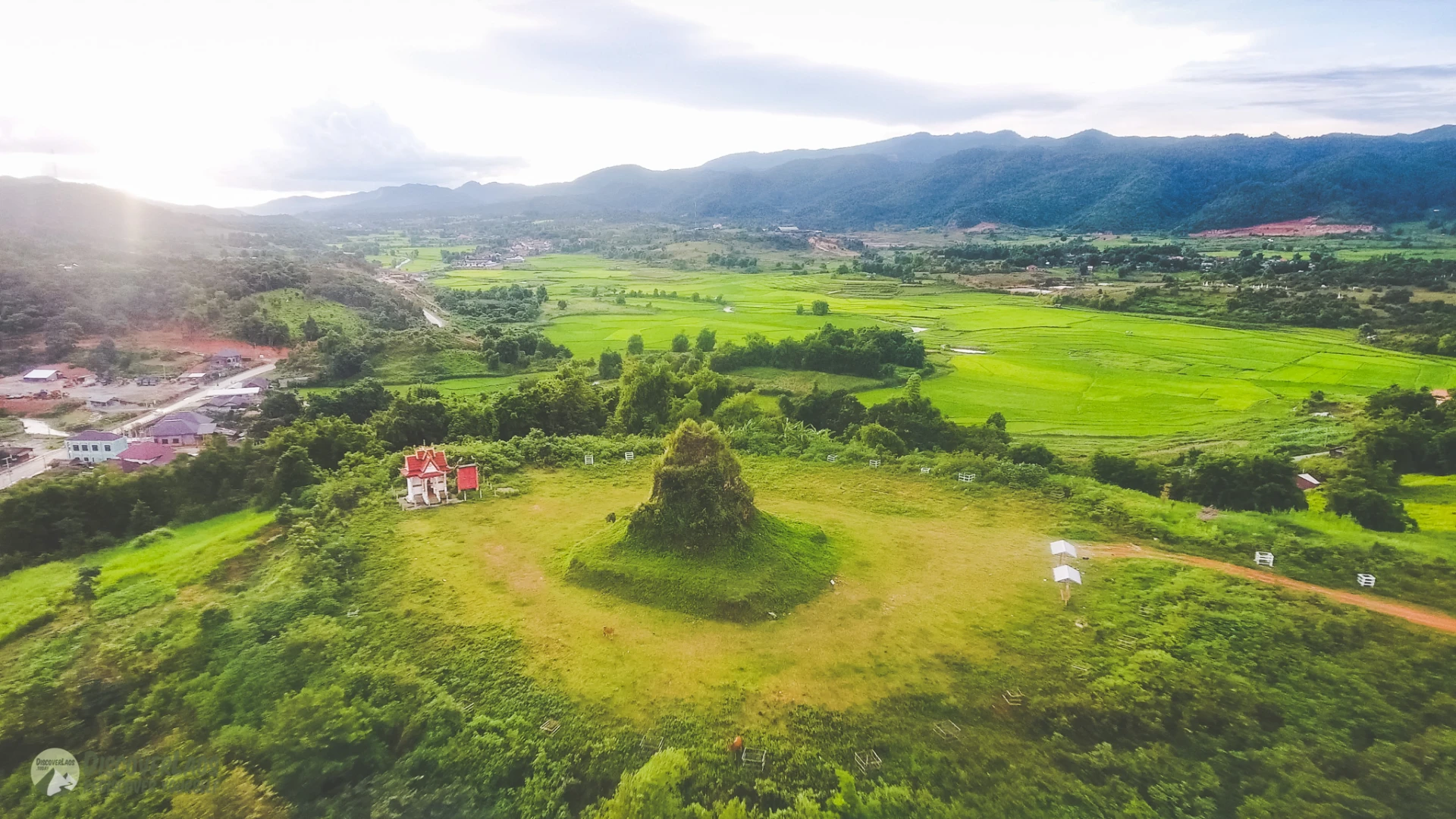
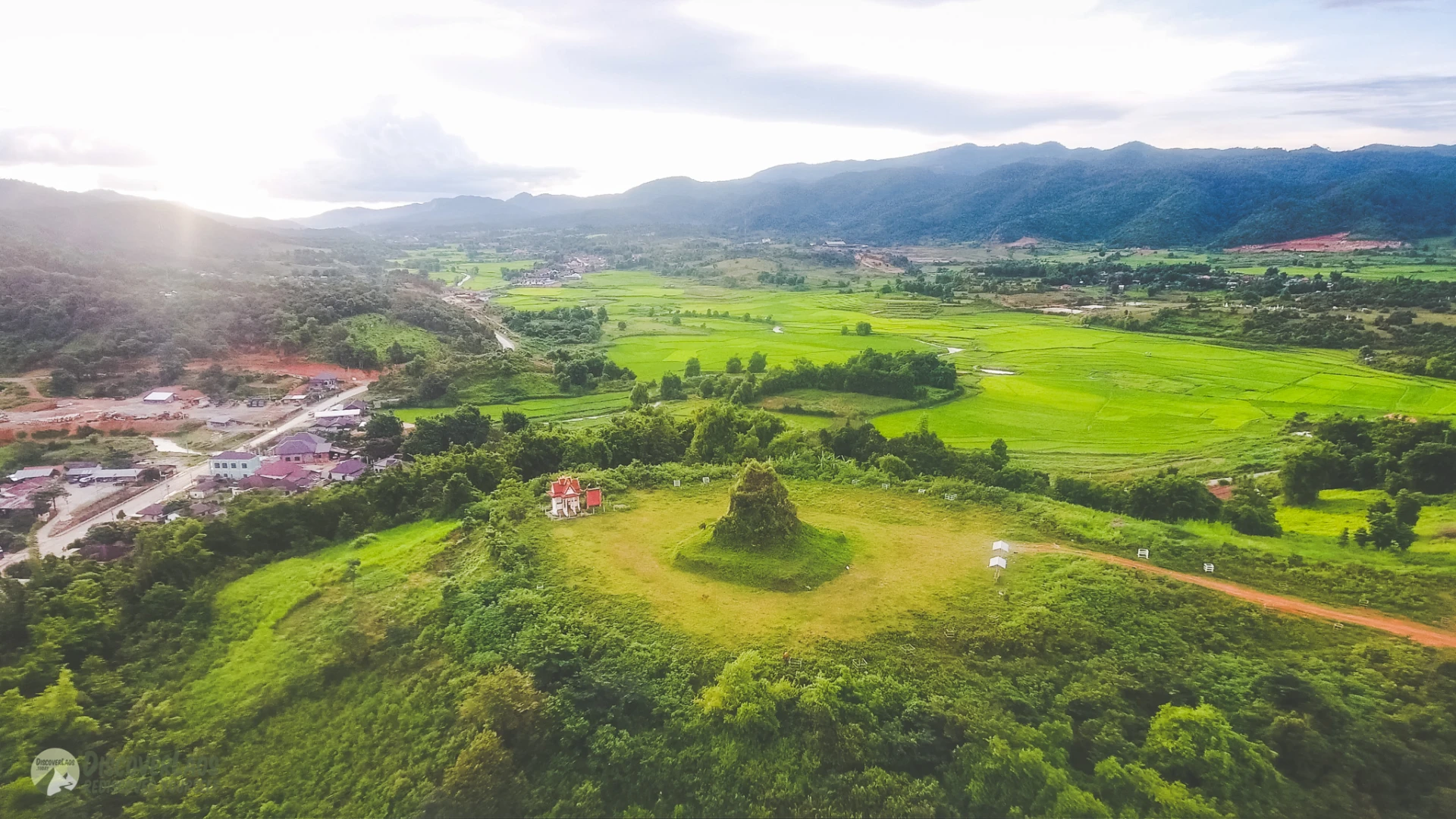
That Chomphet refers to a local Buddhist stupa site in Xiangkhouang Province, typically found in rural or semi-rural areas near village communities. These “That” stupas in northern Laos are often small religious monuments built to house sacred relics, honor the Buddha, or serve as spiritual centers for nearby villages.
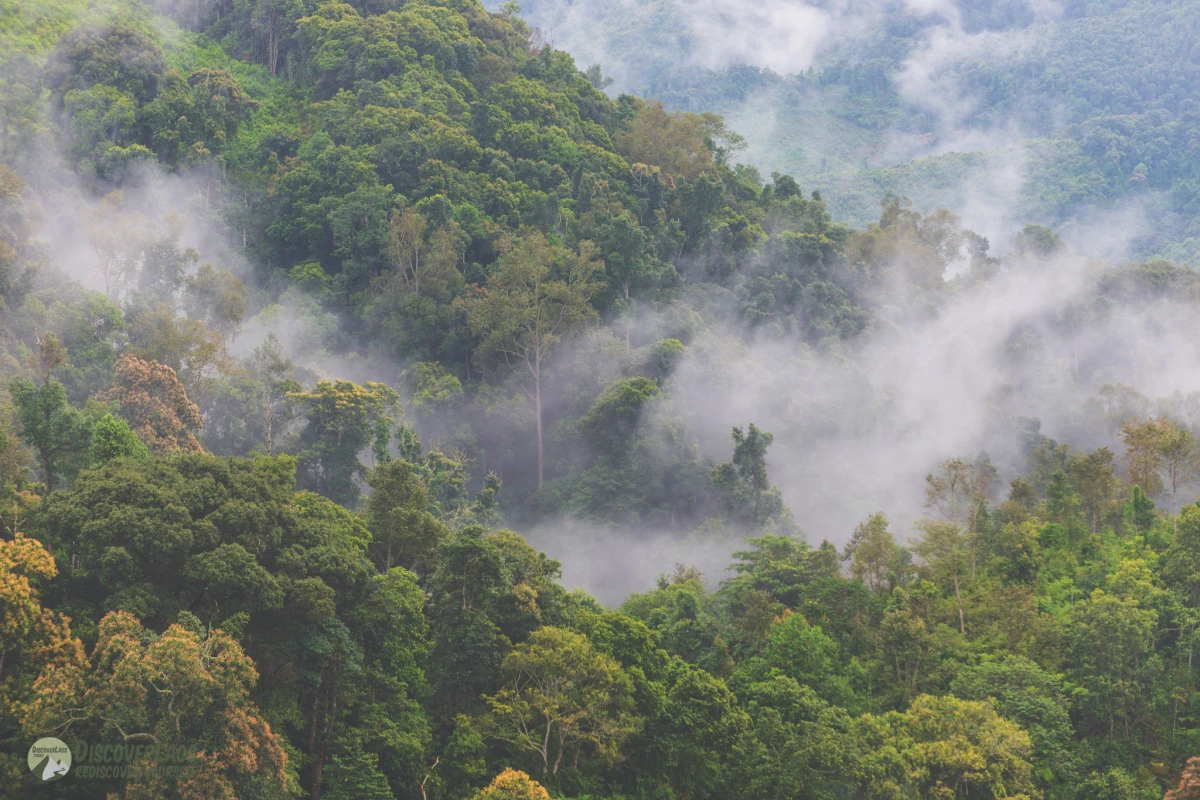
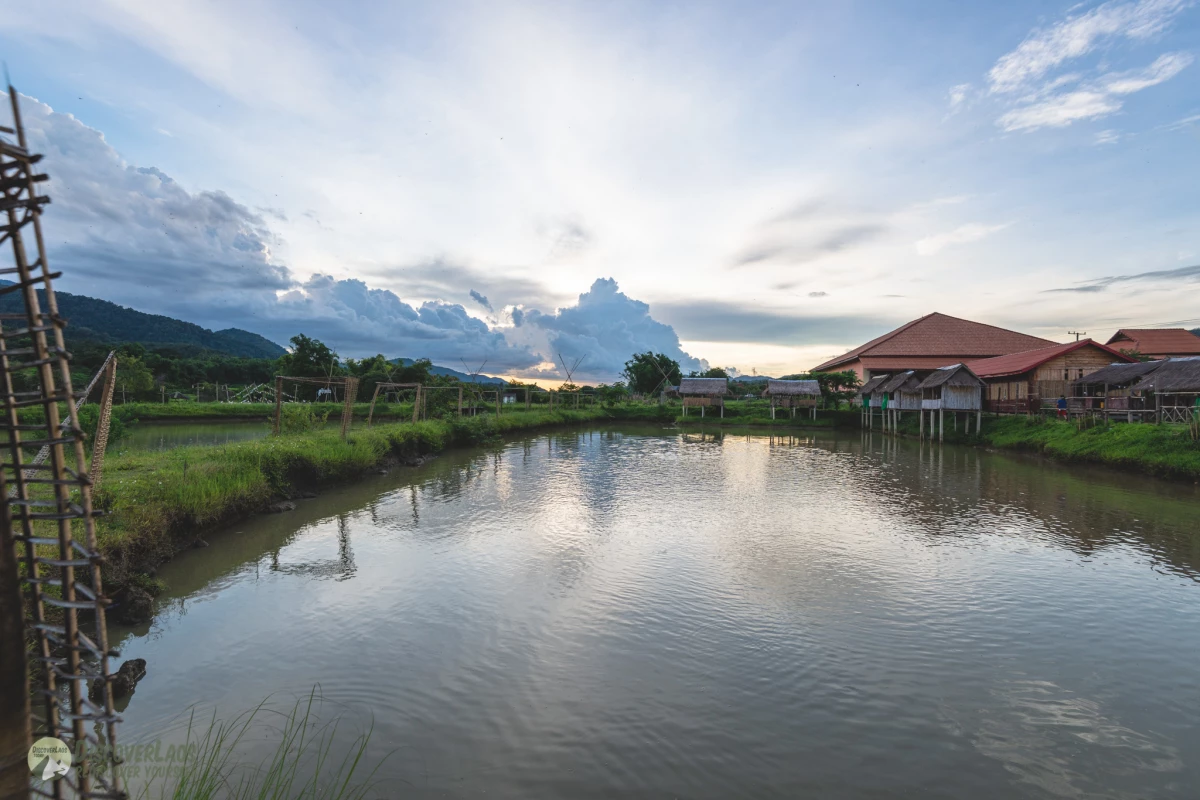
In Xiangkhouang, such stupas usually reflect traditional Lao Buddhist architecture influenced by regional styles, featuring a bell-shaped stupa structure, layered base platforms, and simple decorative elements. Many are surrounded by quiet countryside landscapes, rice fields, and forested hills, creating a peaceful and spiritual atmosphere.
Locals visit these sites to make merit, offer flowers, light incense, and participate in Buddhist ceremonies during important religious days such as Lao New Year (Pi Mai Lao) and Buddhist holy days. The stupa area often becomes a community gathering point for cultural and spiritual activities.
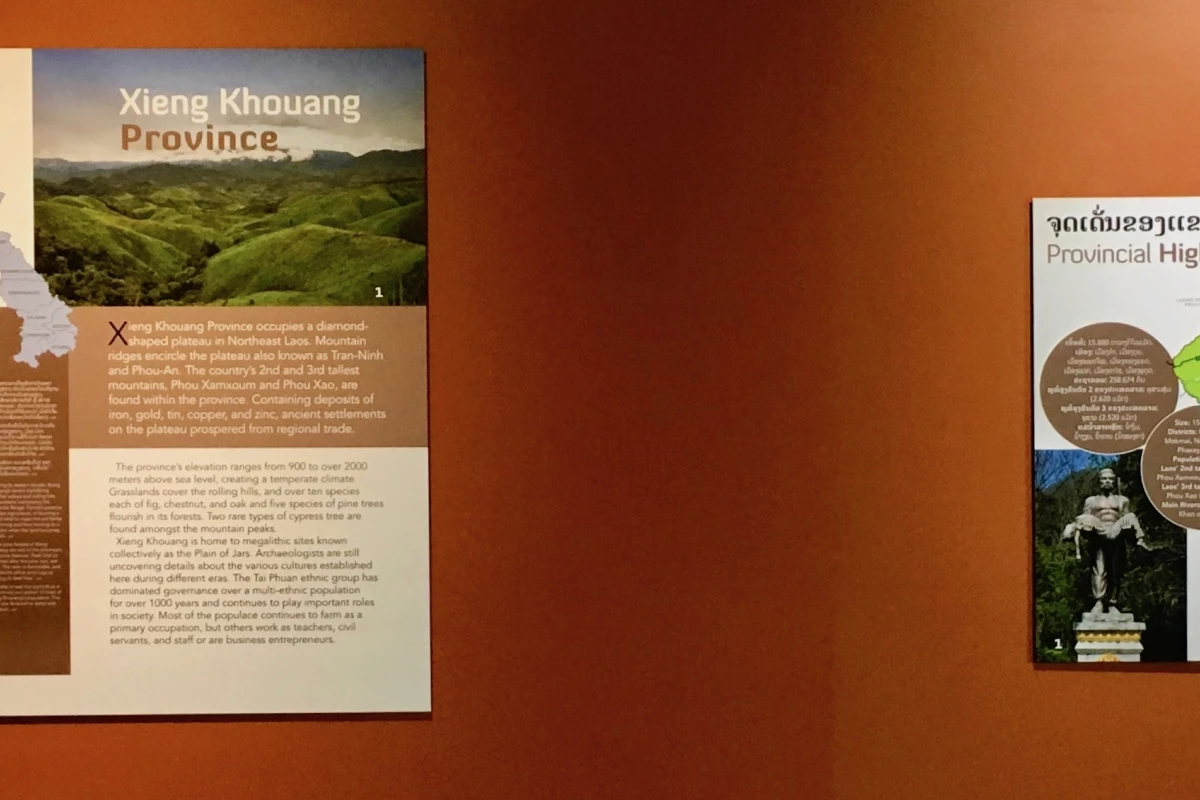
Unlike major tourist landmarks such as the Plain of Jars, That Chomphet is typically less commercialized and offers a more authentic glimpse into everyday rural Lao spiritual life. Visitors who travel through Xiangkhouang may encounter these stupas while exploring villages, war memorial sites, or natural landscapes in the region.
It is best suited for travelers interested in culture, photography, and local religious traditions rather than structured tourism attractions.
Opening Hours
- Open 24 hours daily (no formal gate or ticket system)
- Best time to visit:
- Morning: 06:00 AM – 10:00 AM (cool and active local life)
- Late afternoon: 04:00 PM – 06:30 PM (soft light for photography)
Highlights
- Traditional Lao rural stupa in Xiangkhouang
- Buddhist religious site used for local merit-making
- Peaceful countryside setting
- Authentic village cultural experience
- Simple Lao stupa architecture
- Occasionally used for local ceremonies and festivals
- Scenic photography spot in rural Laos
- Cultural insight into everyday Lao Buddhism
Visitor Tips
- Dress modestly as it is a religious site
- Be respectful during ceremonies and local prayers
- Combine visits with Plain of Jars or nearby villages
- Best explored with a local guide for context
- Bring water and sun protection for rural travel