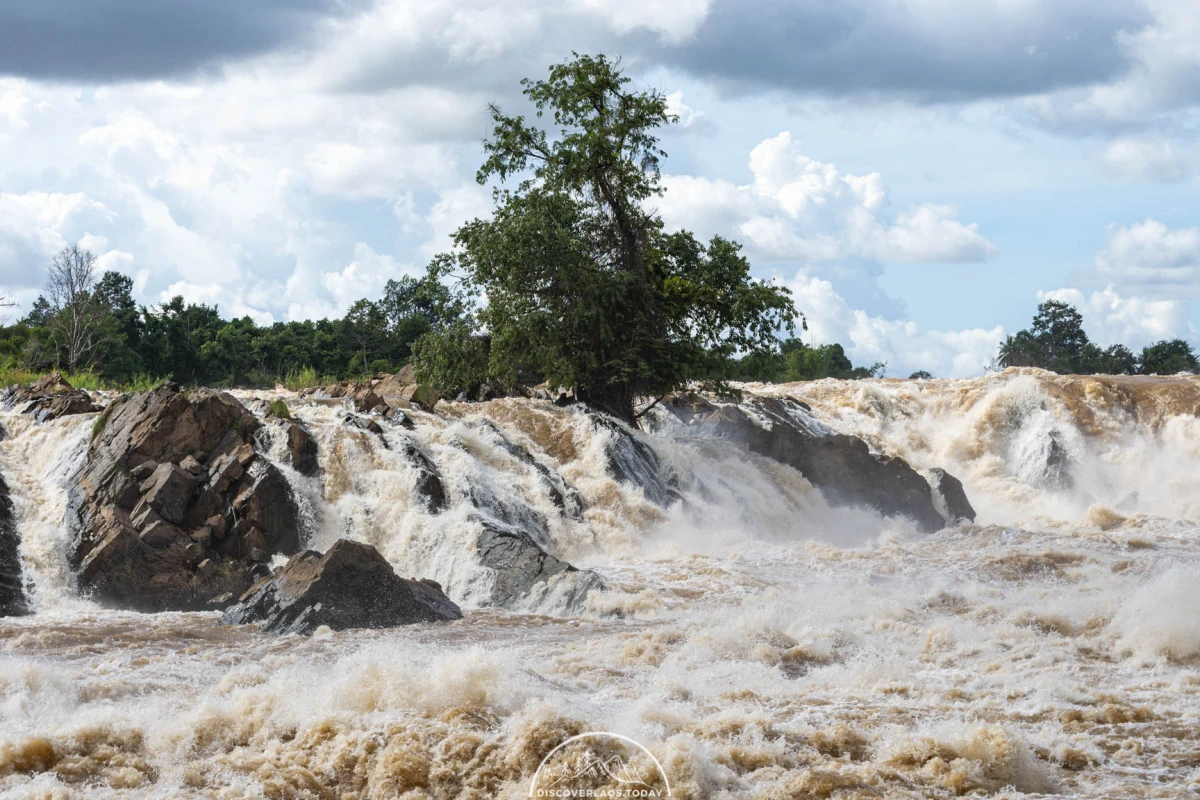
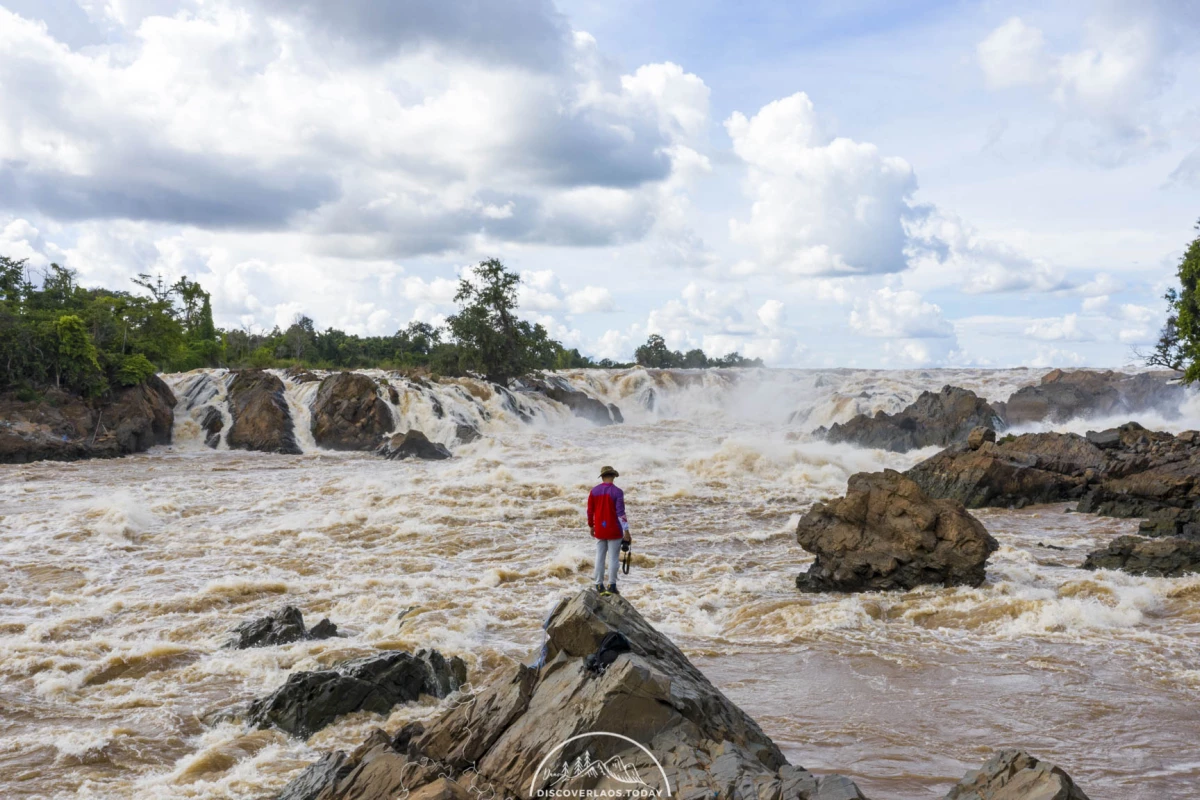
Xe Pian National Protected Area (also spelled Xe Pian NPA) is one of the largest and most biologically important protected areas in southern Laos. Established in 1993 as part of Laos' National Biodiversity Conservation Area system, the reserve covers more than 2,400 square kilometers across Champasak and Attapeu Provinces, near the borders with Thailand and Cambodia. The protected area is renowned for its diverse ecosystems, rich wildlife, wetlands, forests, rivers, and exceptional birdlife, making it one of the country's premier destinations for nature and eco-tourism.
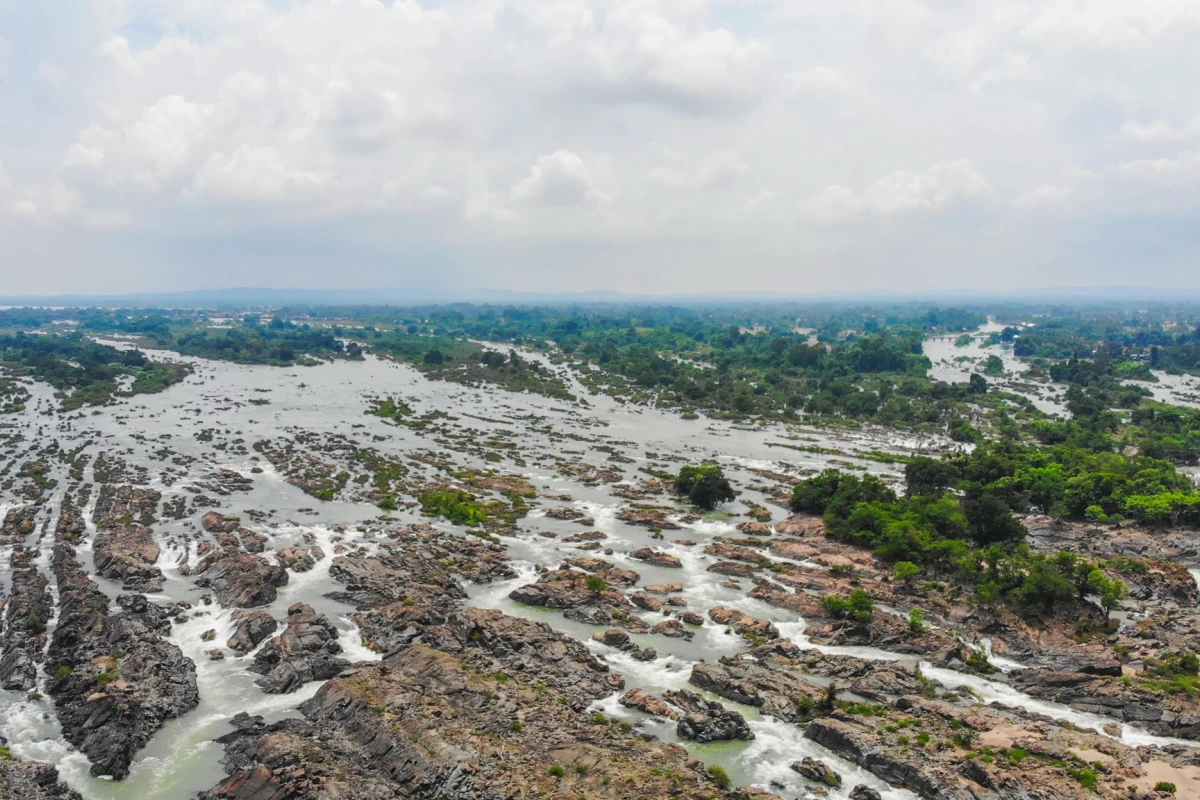
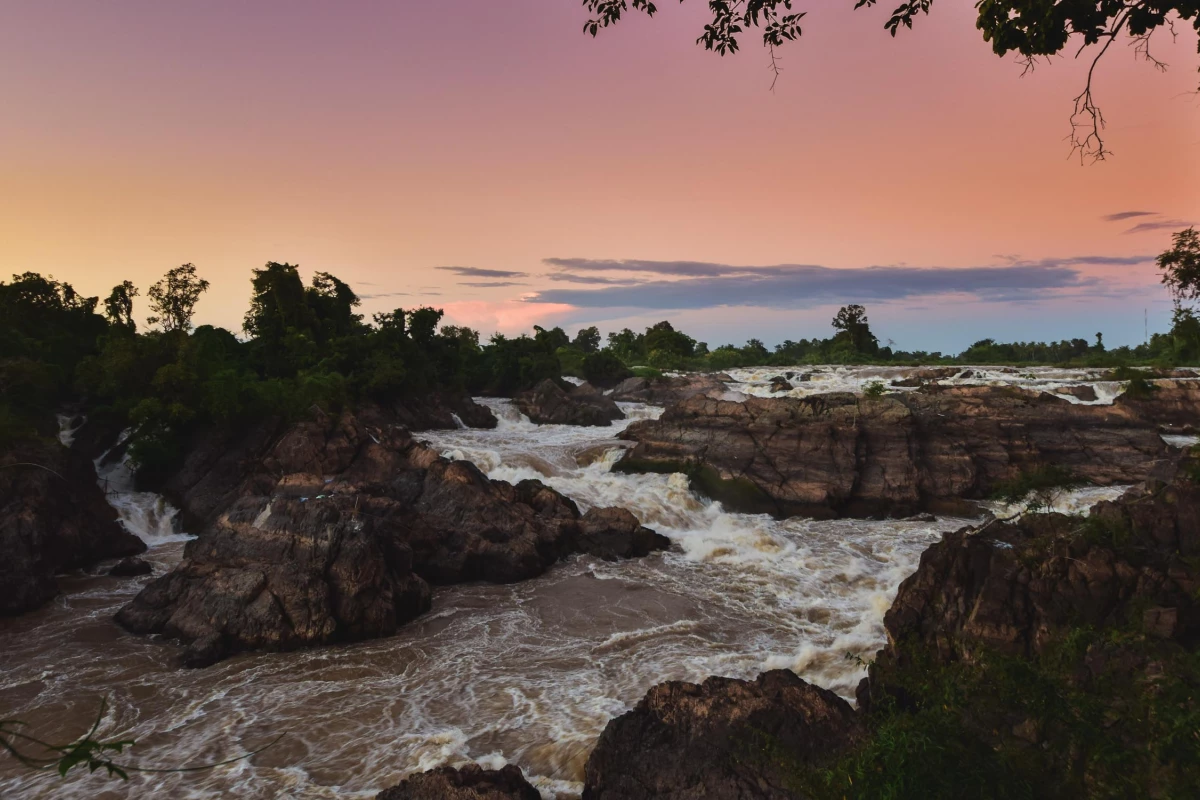
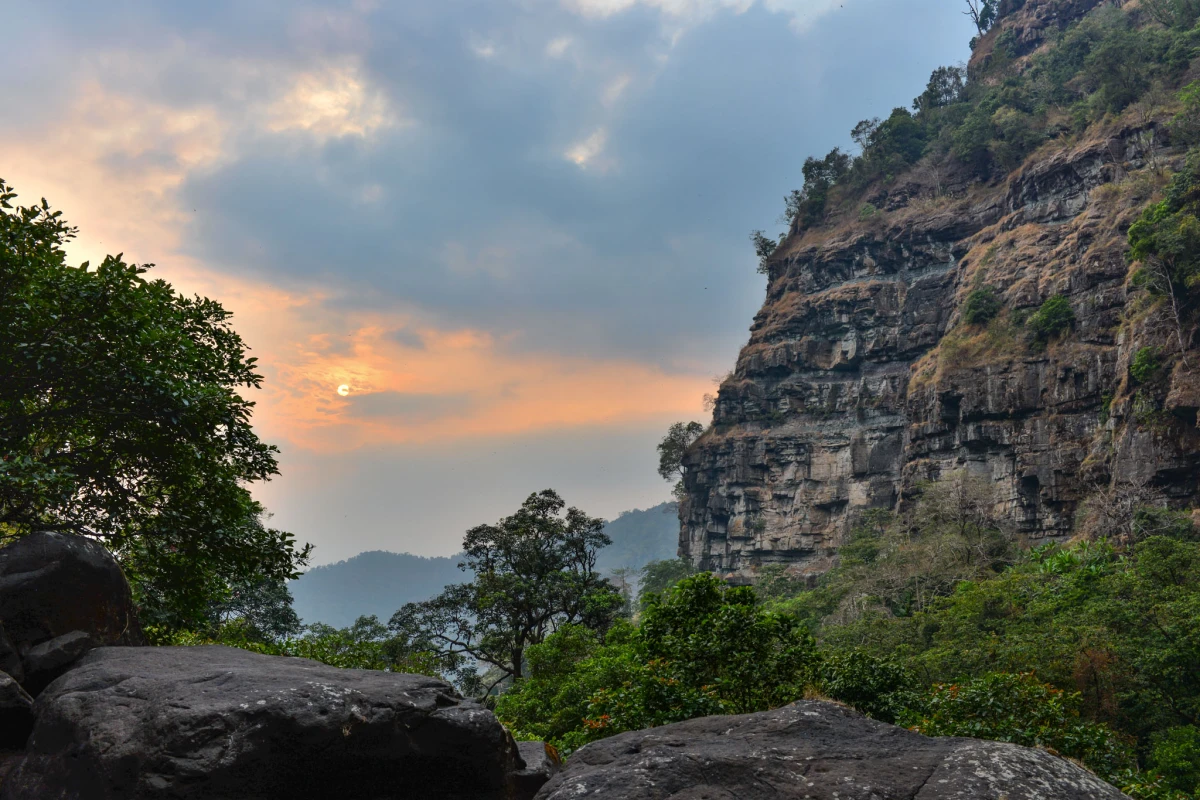
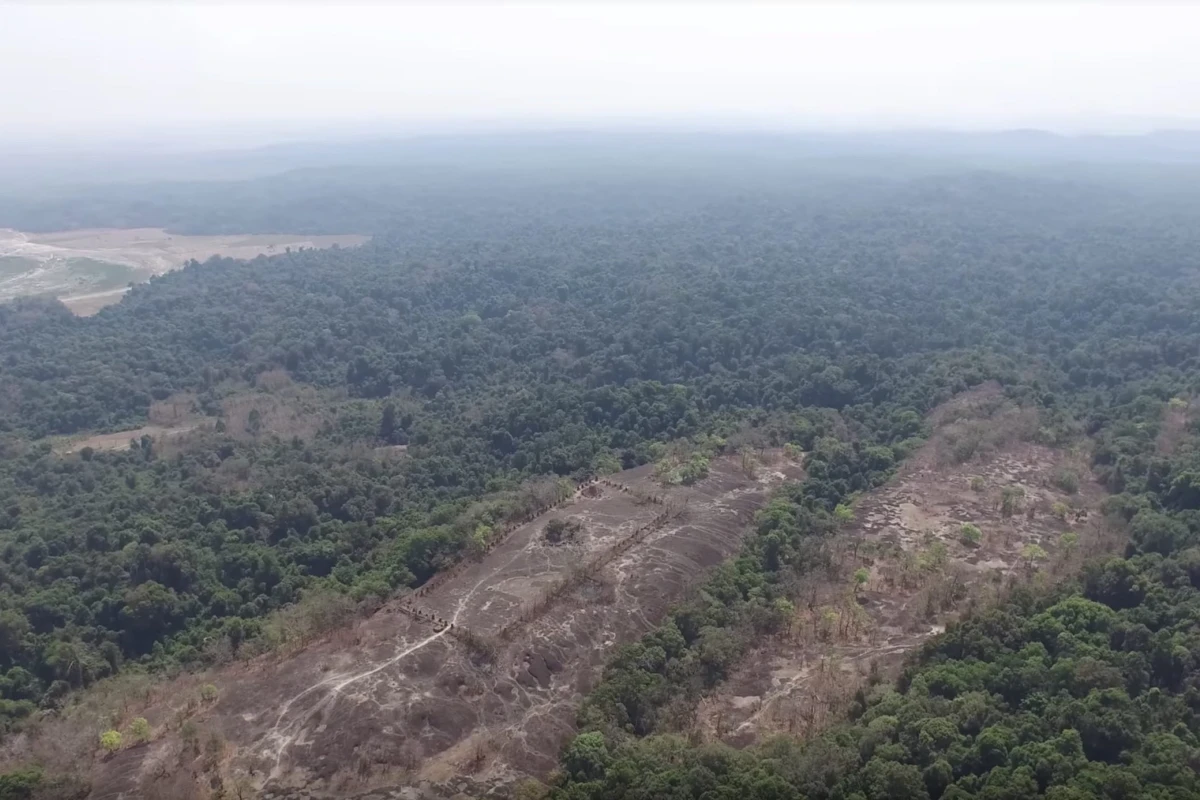
The landscape of Xe Pian is remarkably varied, ranging from lowland evergreen forests and dry dipterocarp woodlands to wetlands, grasslands, rivers, and seasonal floodplains. These habitats support an impressive diversity of wildlife, including several rare and endangered species. Although sightings are never guaranteed, the protected area is known to be home to Asian elephants, gaur (wild cattle), sun bears, otters, civets, macaques, gibbons, and numerous reptile species.
Xe Pian is especially famous among birdwatchers. More than 300 bird species have been recorded in the area, making it one of the best birdwatching destinations in Laos. Notable species include storks, hornbills, kingfishers, eagles, herons, and many migratory birds that visit the wetlands seasonally. The area's extensive wetlands are internationally recognized for their ecological importance and provide critical habitats for aquatic wildlife.
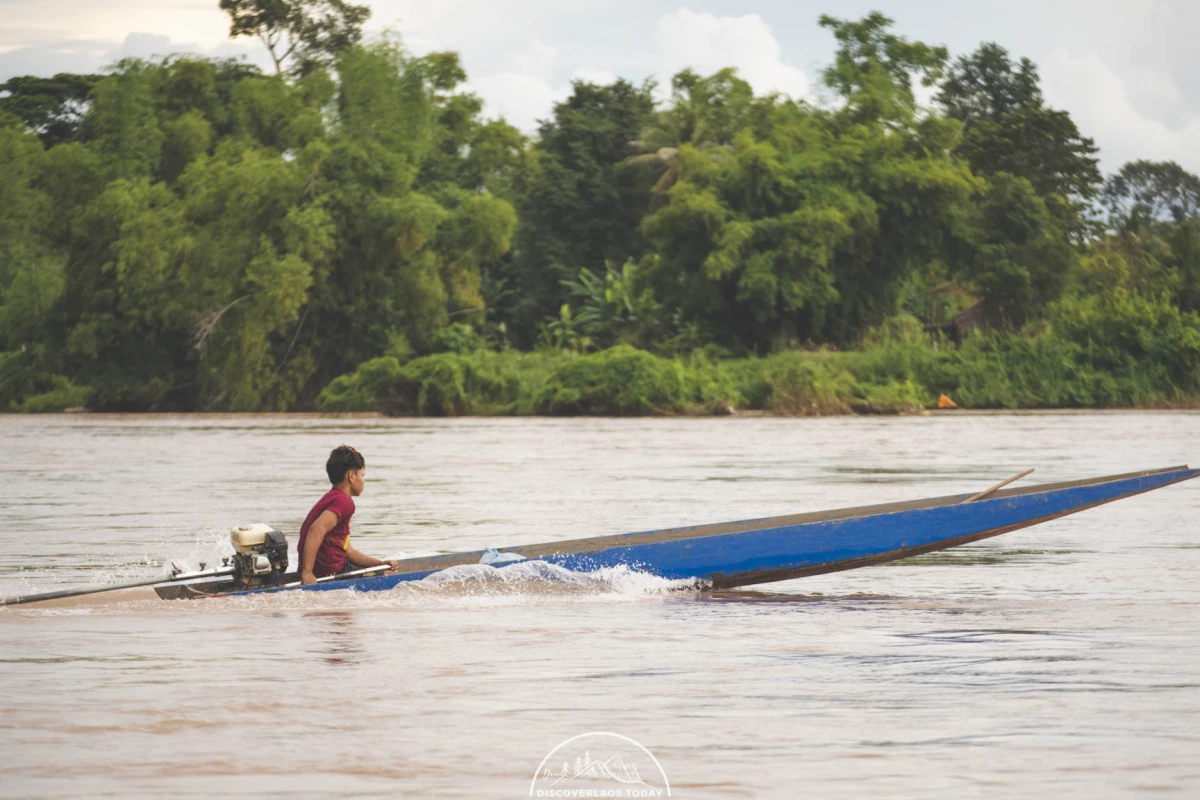
Visitors can explore the protected area through guided eco-tours, river excursions, wildlife observation trips, trekking routes, and community-based tourism programs. Local guides offer valuable insights into the region's biodiversity, traditional livelihoods, medicinal plants, and conservation efforts. Some tours include boat trips through wetland areas, allowing visitors to experience the area's unique ecosystems and observe wildlife from a safe distance.
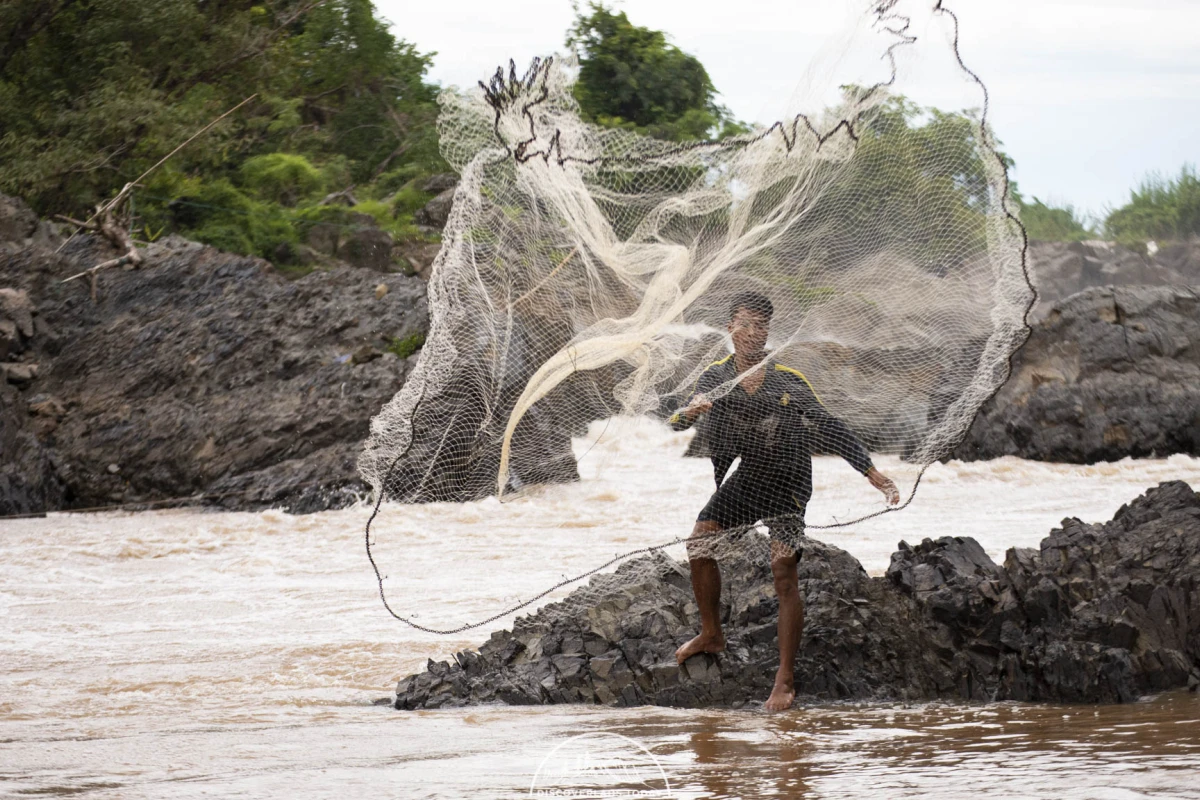
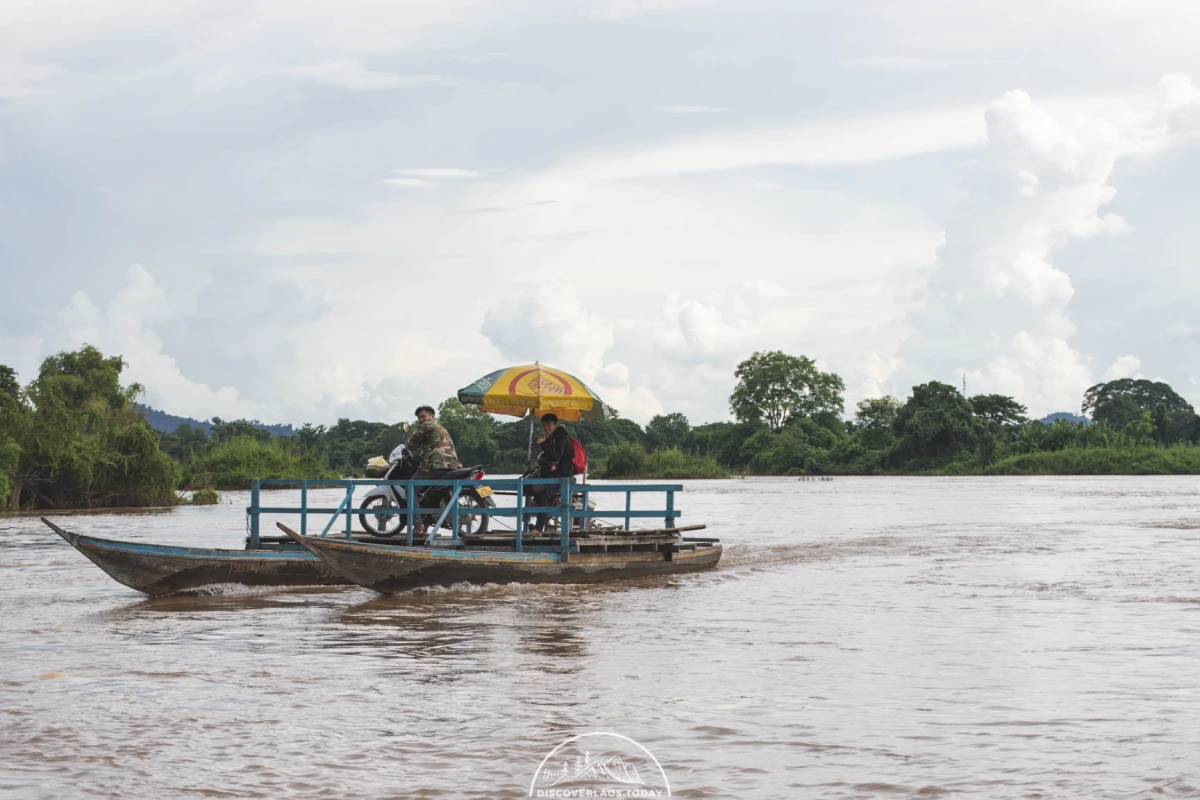
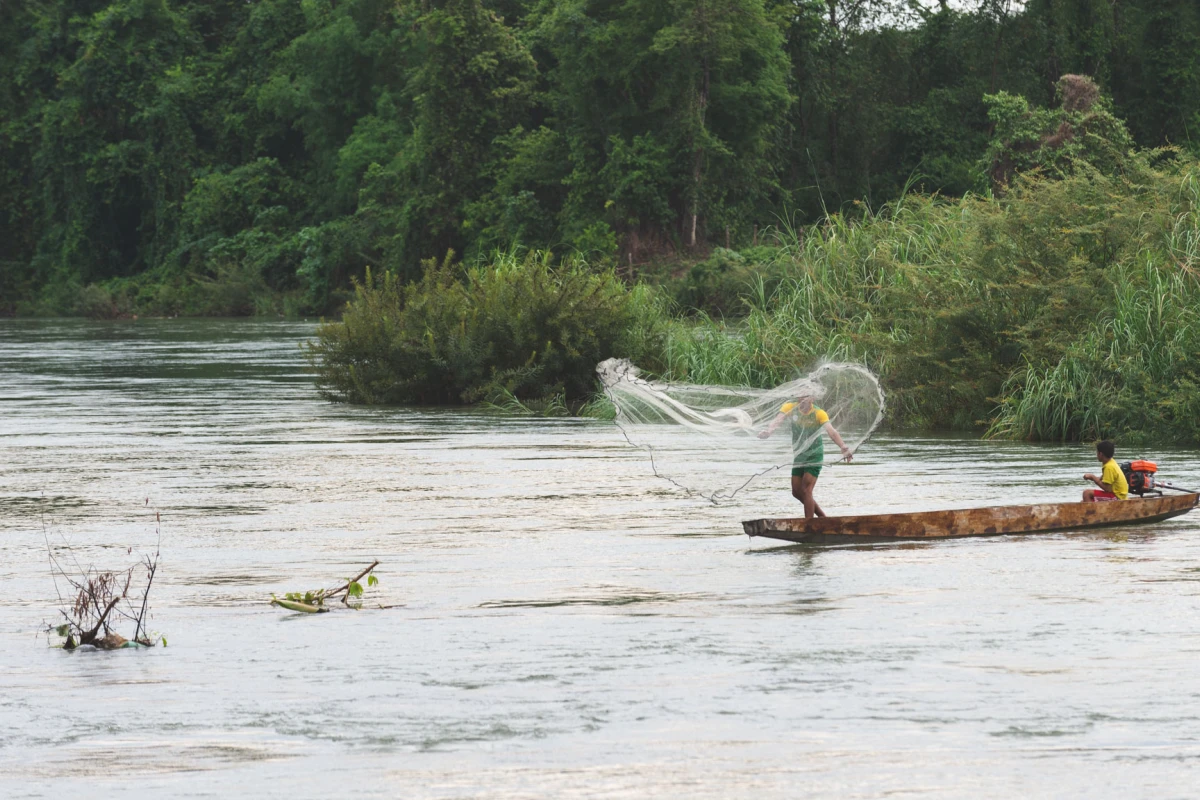
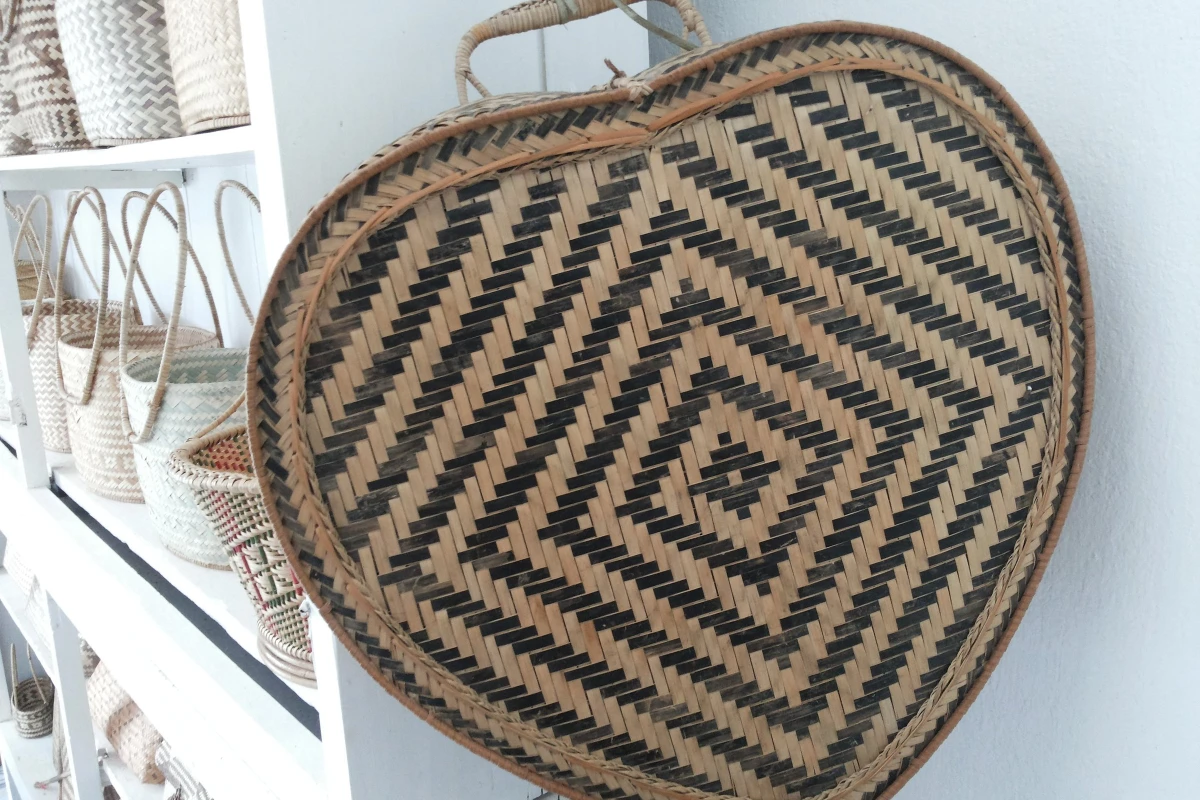
The protected area is also culturally significant, as several ethnic communities live in and around the reserve. Community-based tourism initiatives provide opportunities for visitors to learn about local traditions, agriculture, handicrafts, and sustainable resource management practices.
Because of its ecological importance, Xe Pian plays a crucial role in biodiversity conservation within the Greater Mekong Region. Conservation projects focus on habitat protection, wildlife monitoring, environmental education, and supporting local communities through sustainable tourism.
For travelers seeking nature, wildlife, birdwatching, photography, and authentic eco-tourism experiences, Xe Pian National Protected Area is one of the most rewarding destinations in southern Laos.
Opening Hours
- The protected area itself is accessible year-round.
- Guided tours generally operate:
- Multi-day trekking and wildlife tours are available with advance arrangements.
- Best time to visit:
- November to February for cooler weather and birdwatching.
- Wet season for lush landscapes and wetland scenery.
Highlights
- One of Laos' largest protected areas.
- Rich biodiversity and wildlife habitats.
- Excellent birdwatching opportunities.
- Wetlands, forests, rivers, and grasslands.
- Community-based eco-tourism experiences.
- Guided trekking and boat excursions.
- Potential wildlife observation opportunities.
- Important conservation area in the Greater Mekong Region.
Visitor Tips
- Hire a local guide for the best wildlife and birdwatching experience.
- Bring binoculars and a camera with a zoom lens.
- Wear lightweight long-sleeved clothing and sturdy footwear.
- Carry insect repellent and sufficient drinking water.
- Respect wildlife and follow conservation guidelines.
- Consider multi-day tours for a deeper experience.