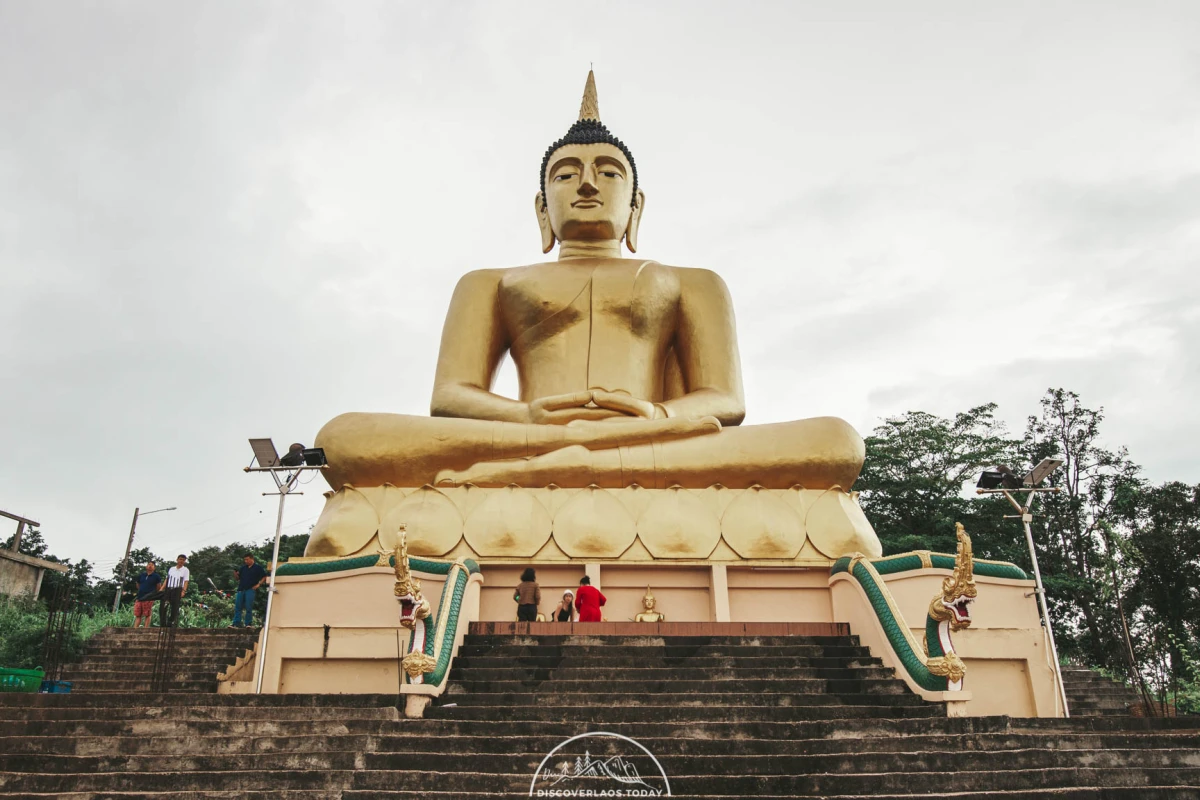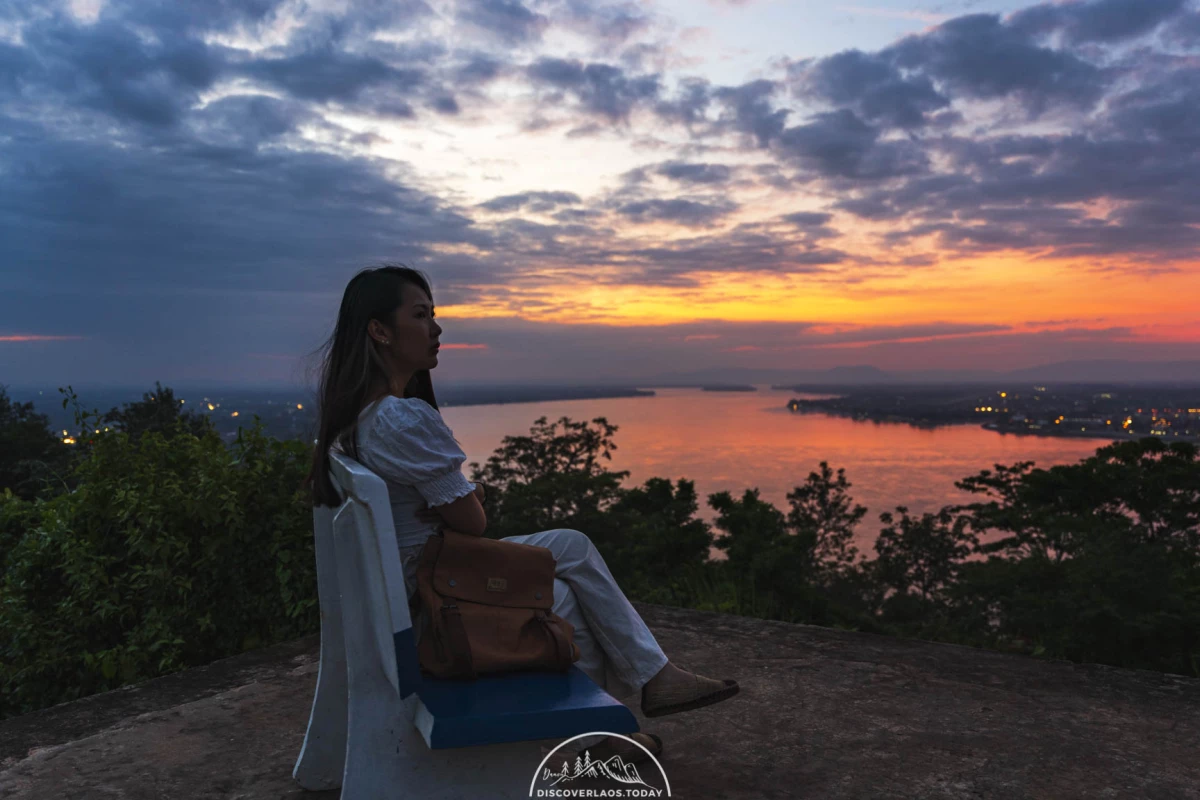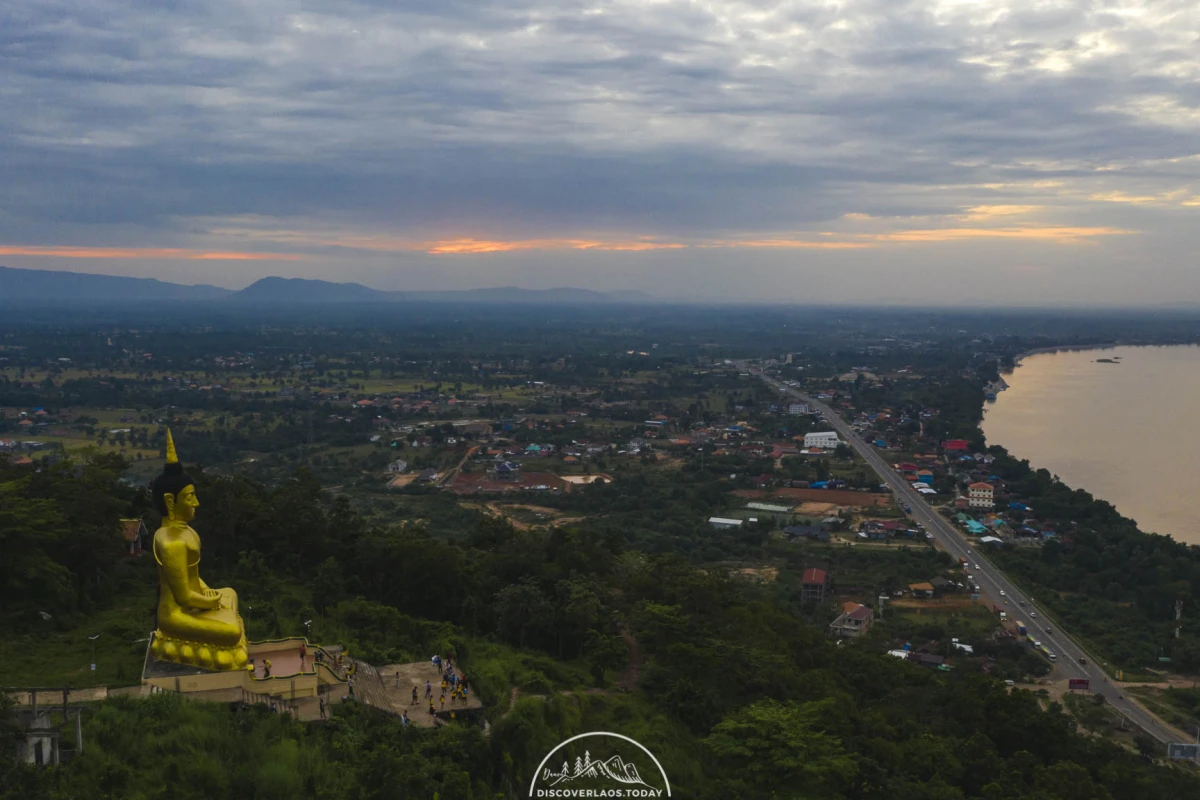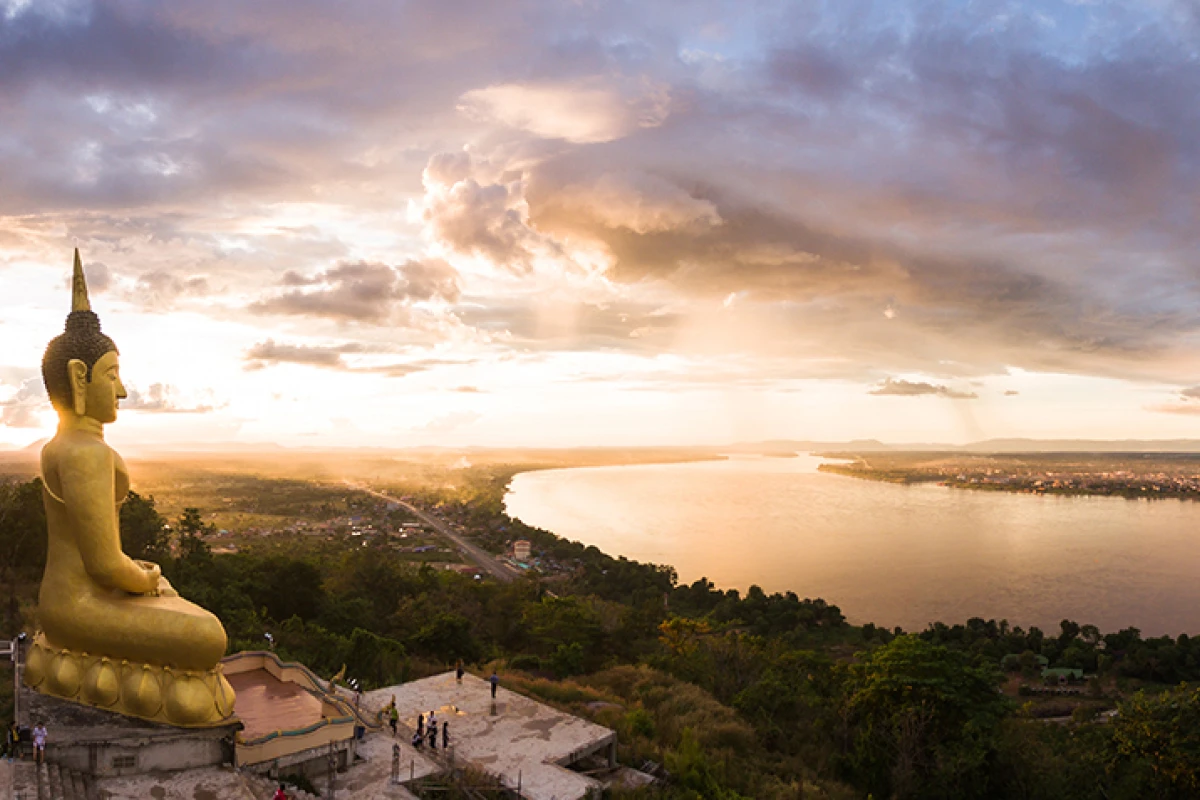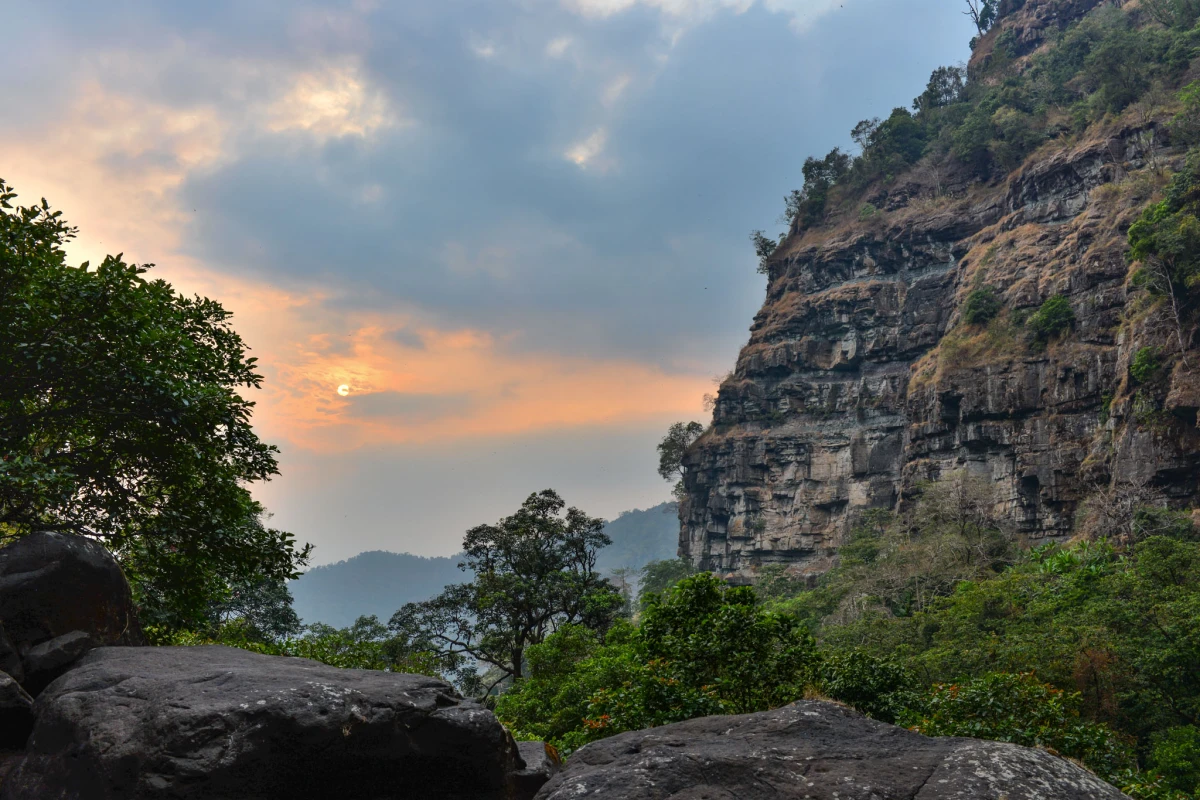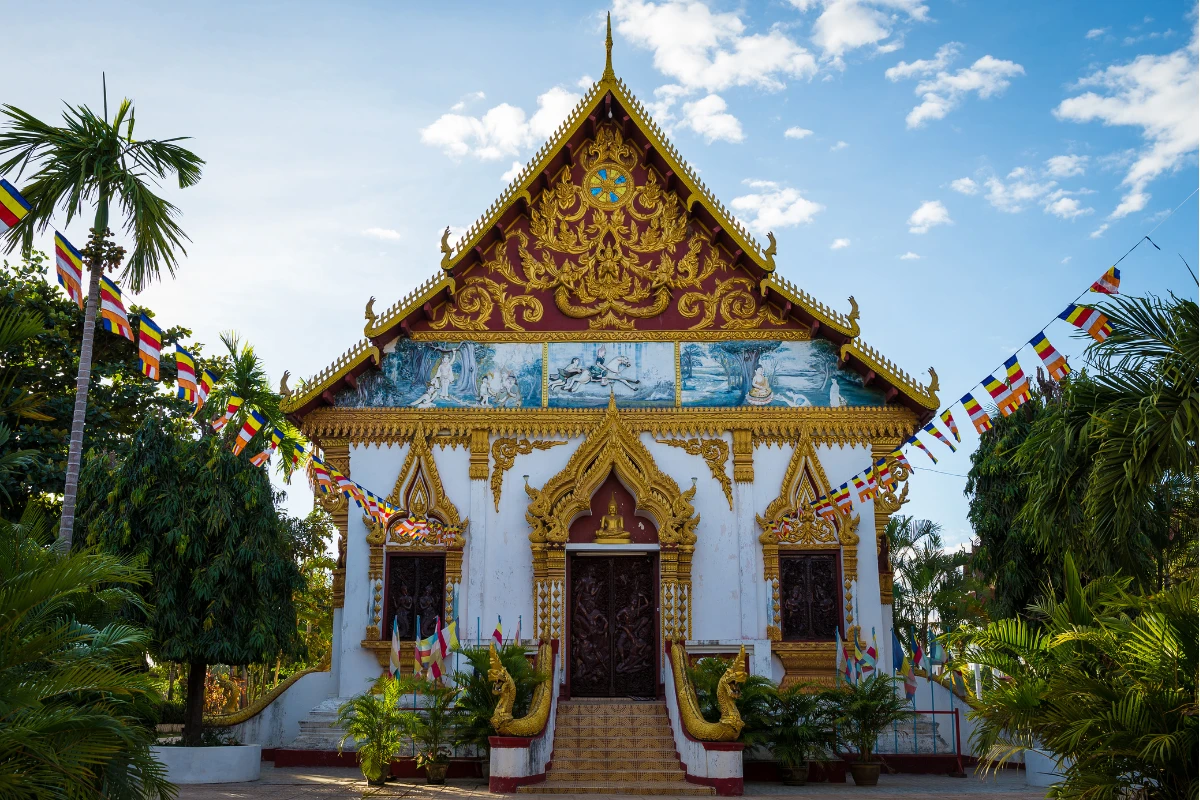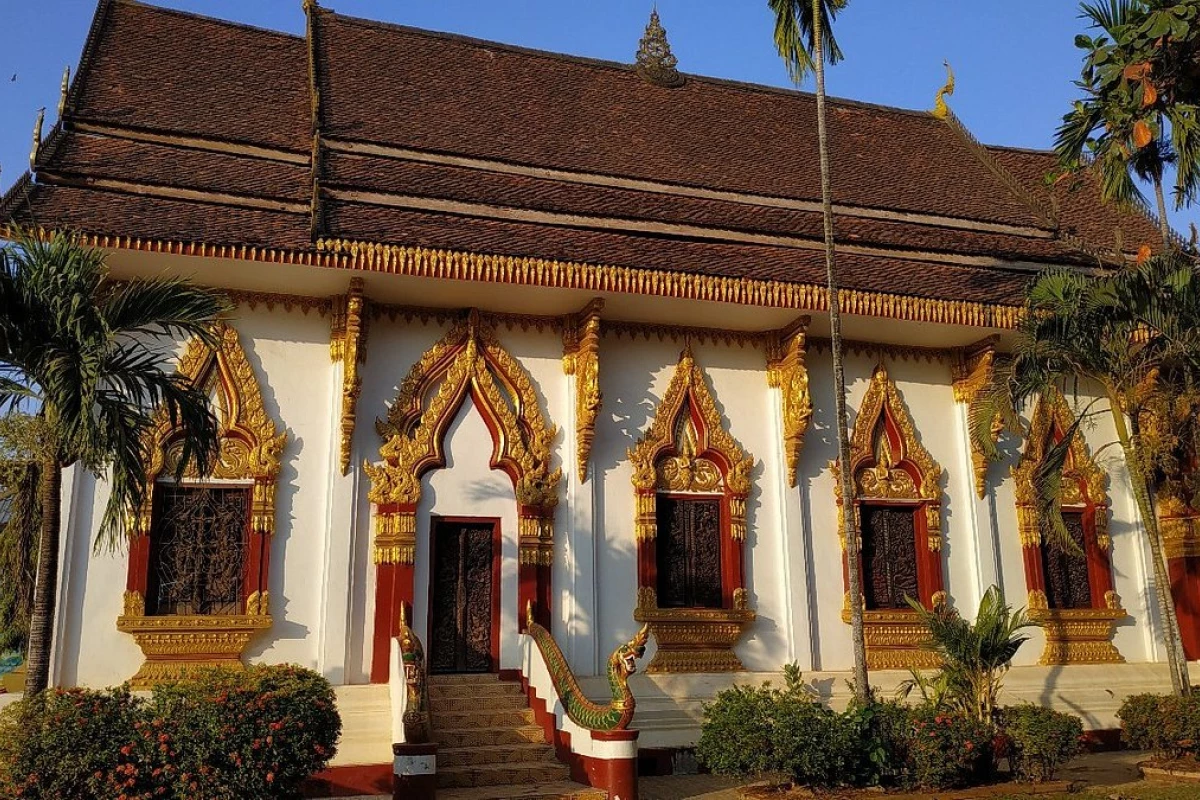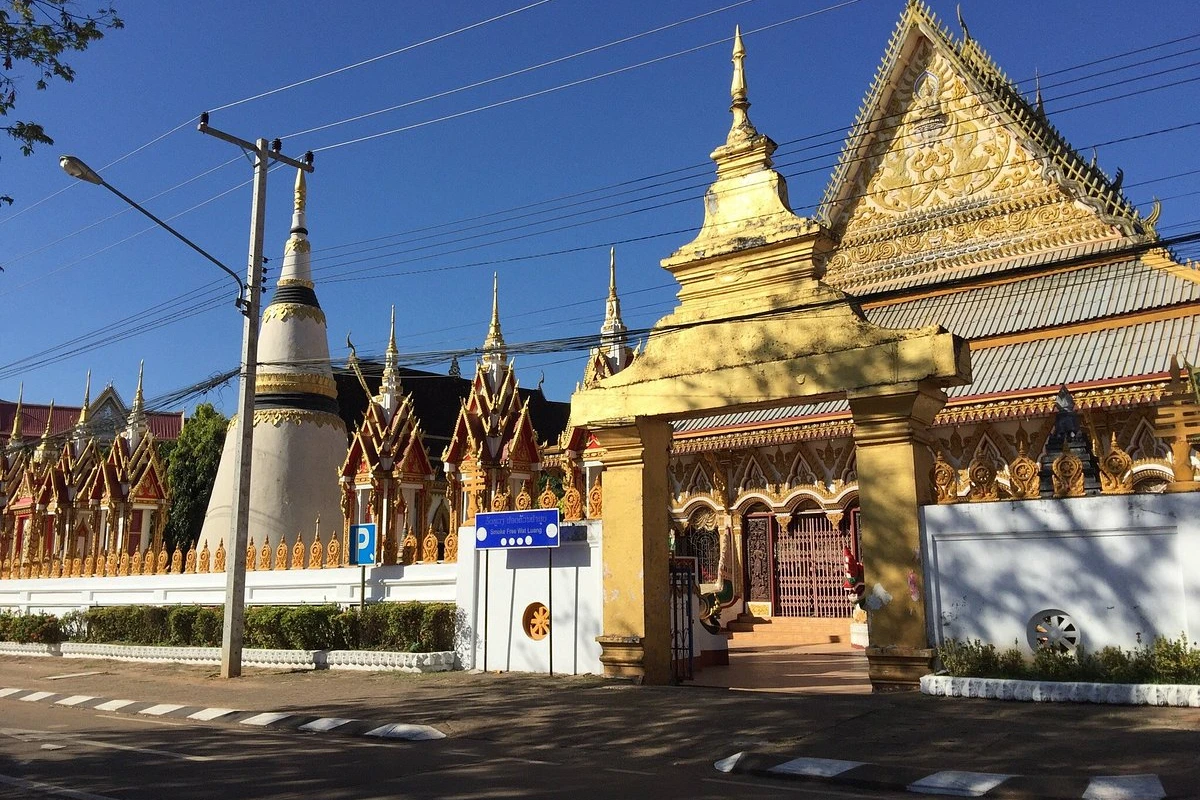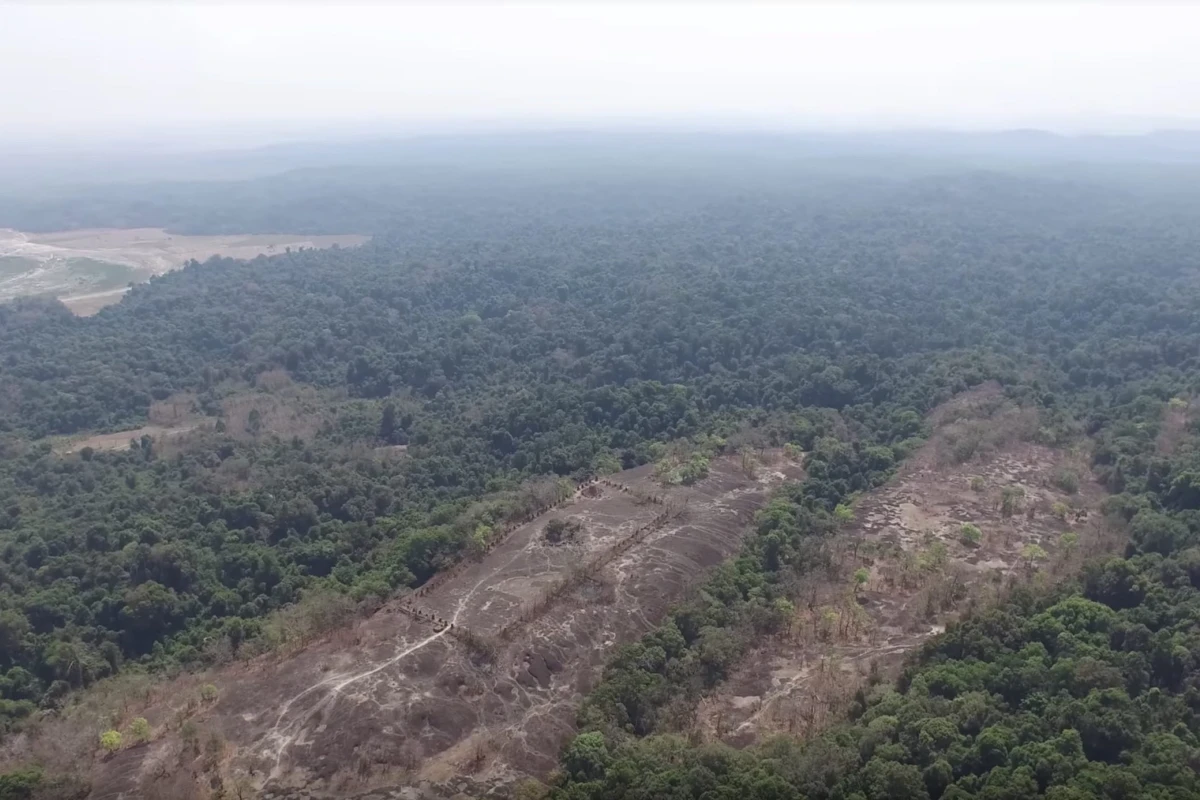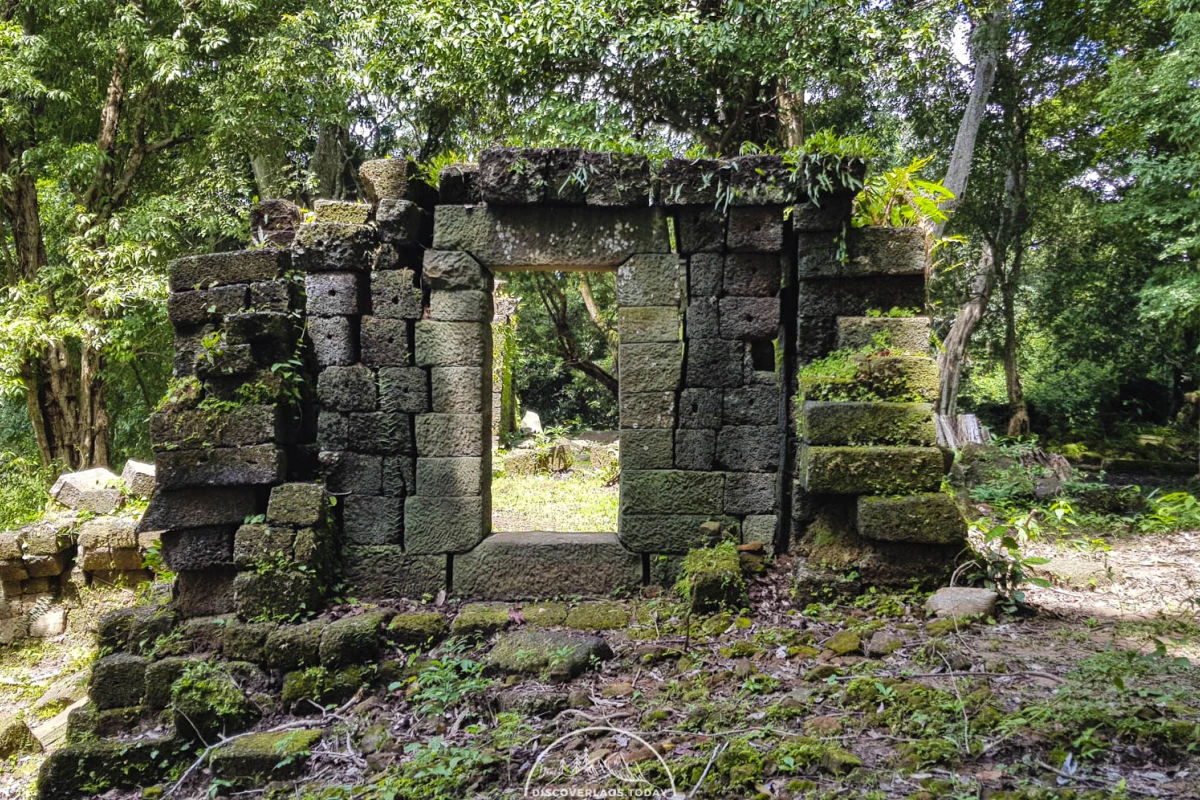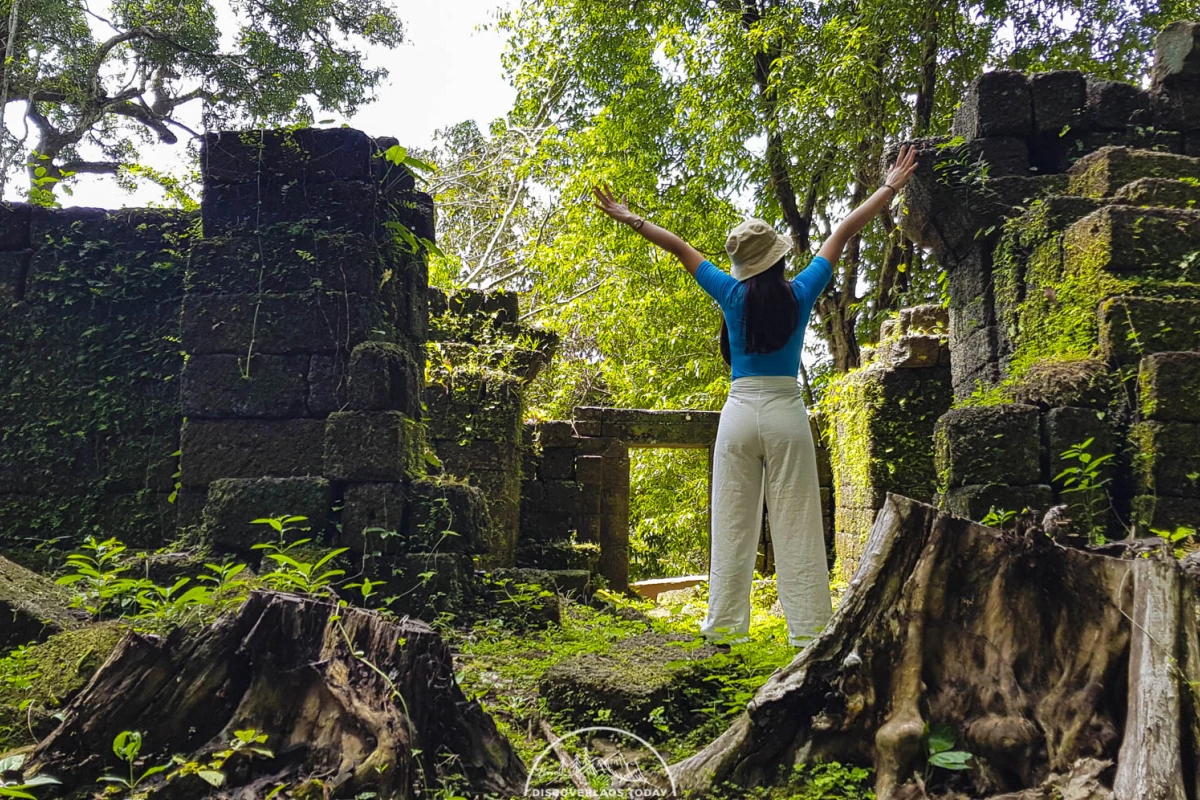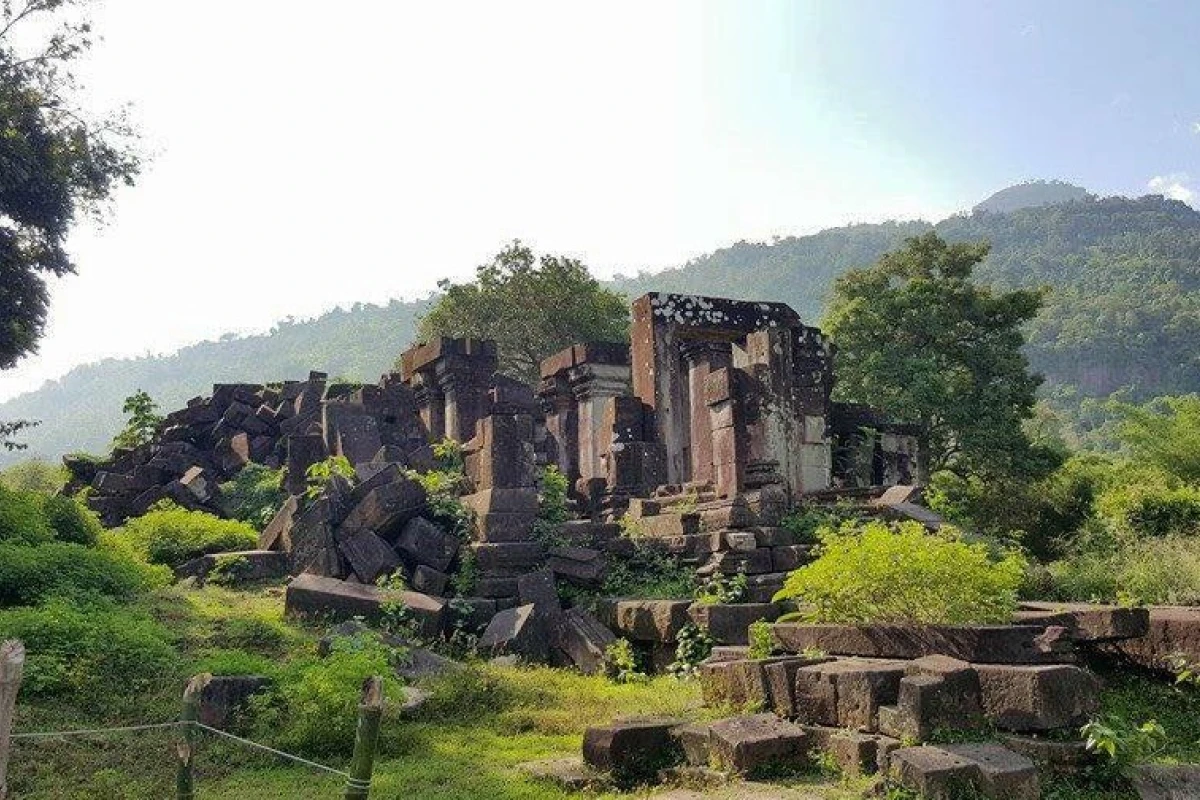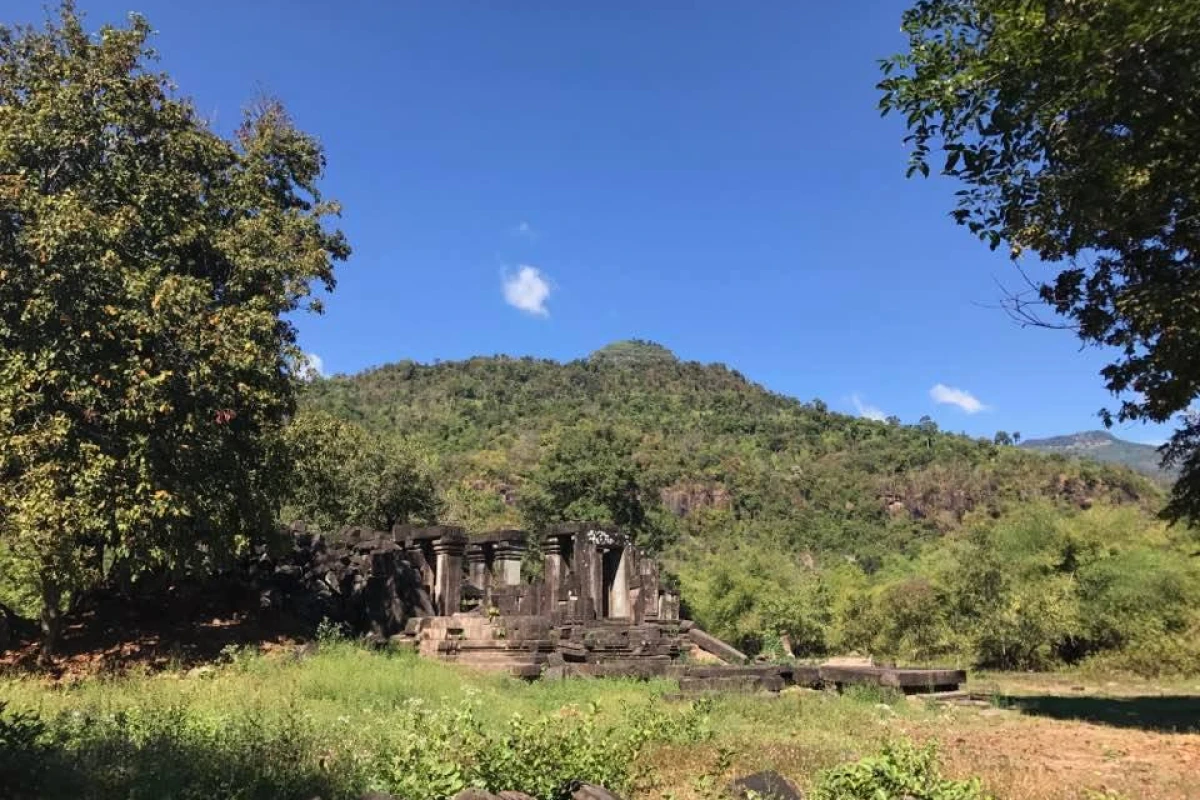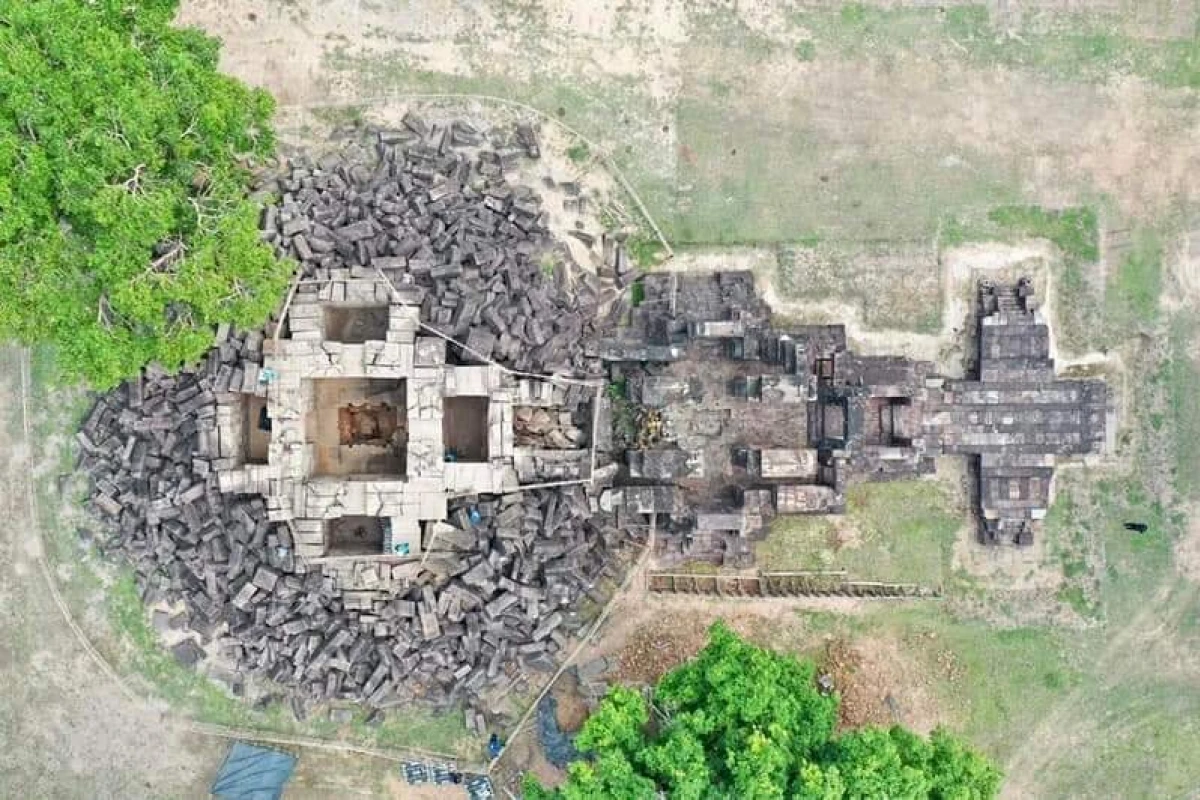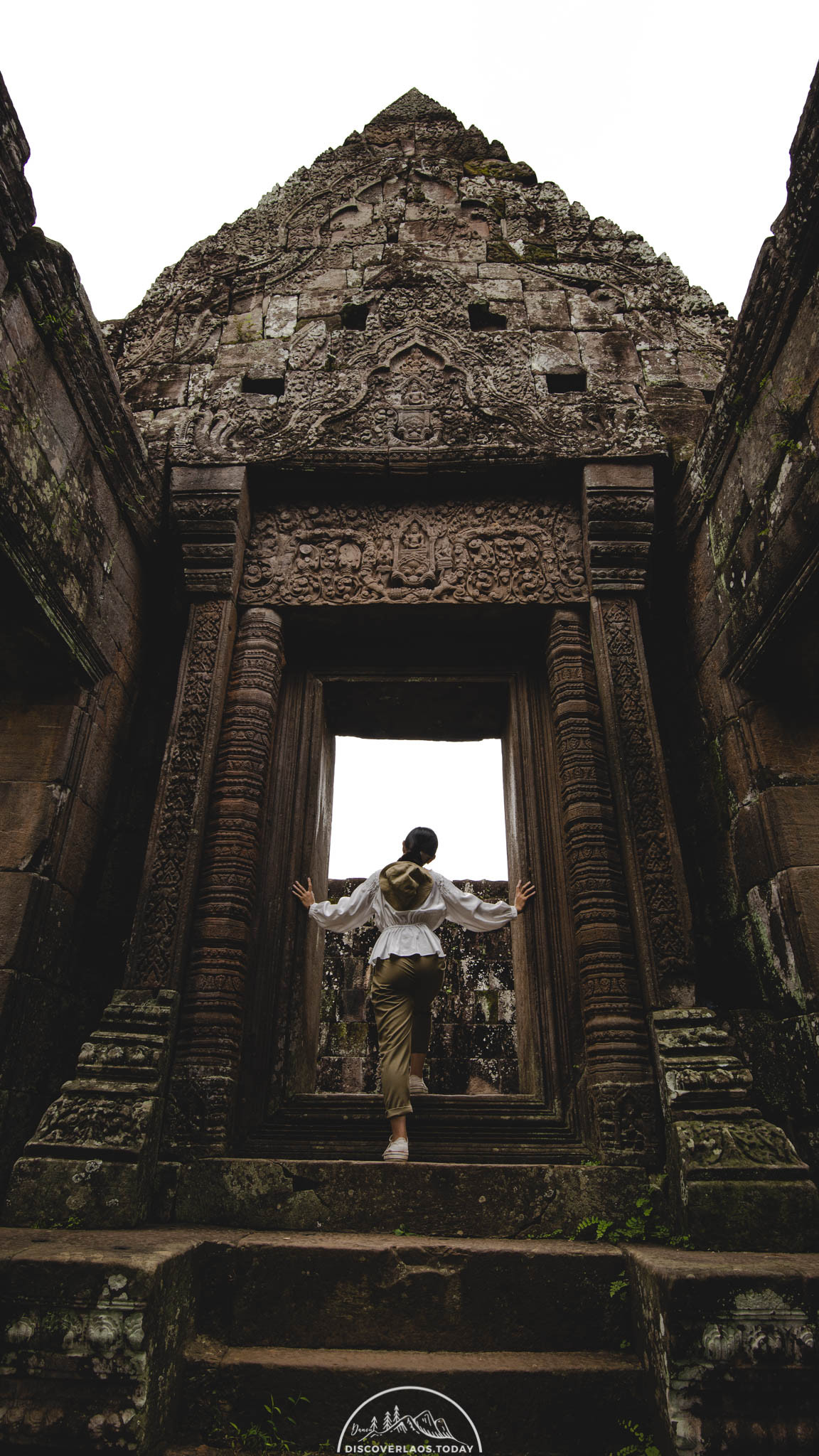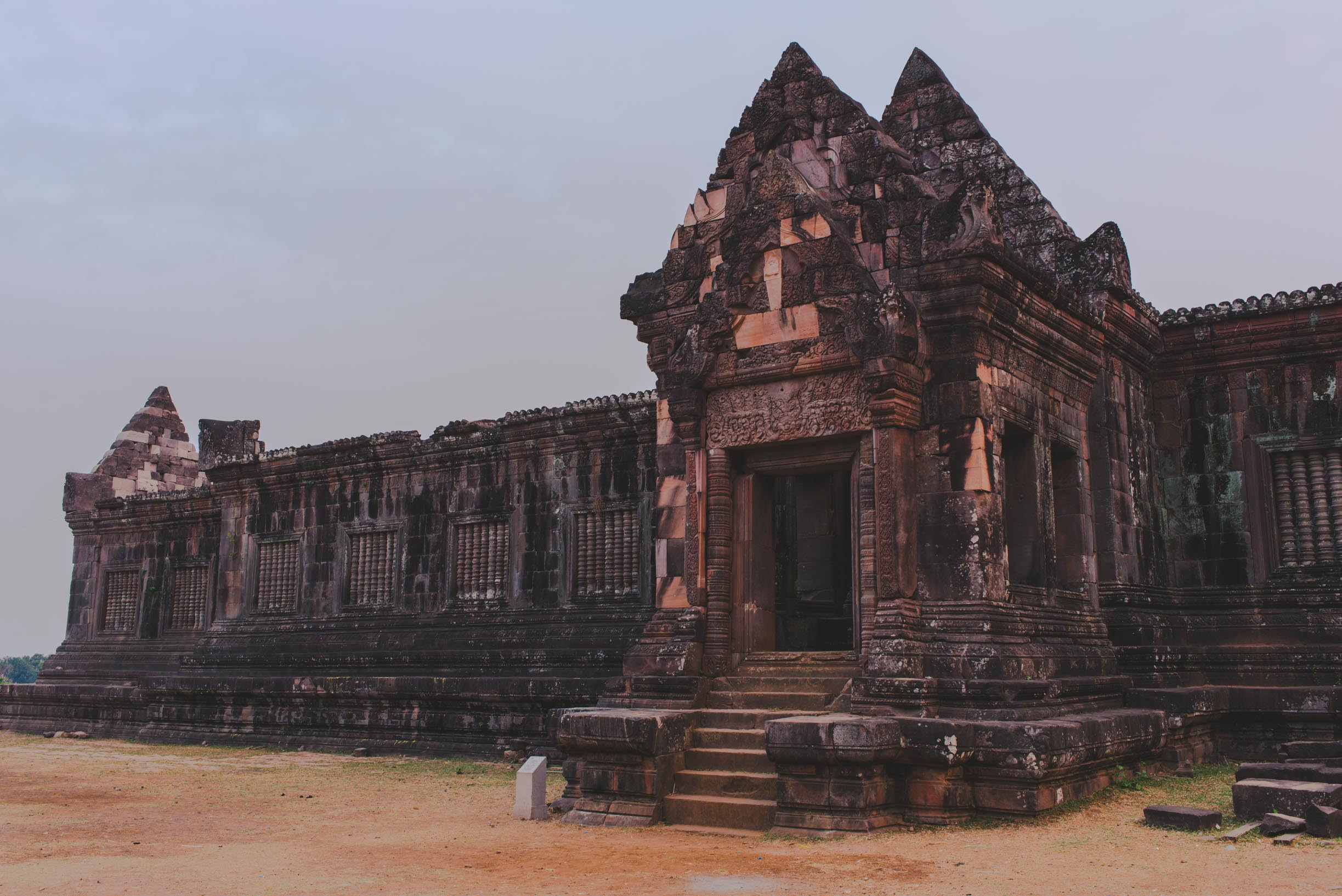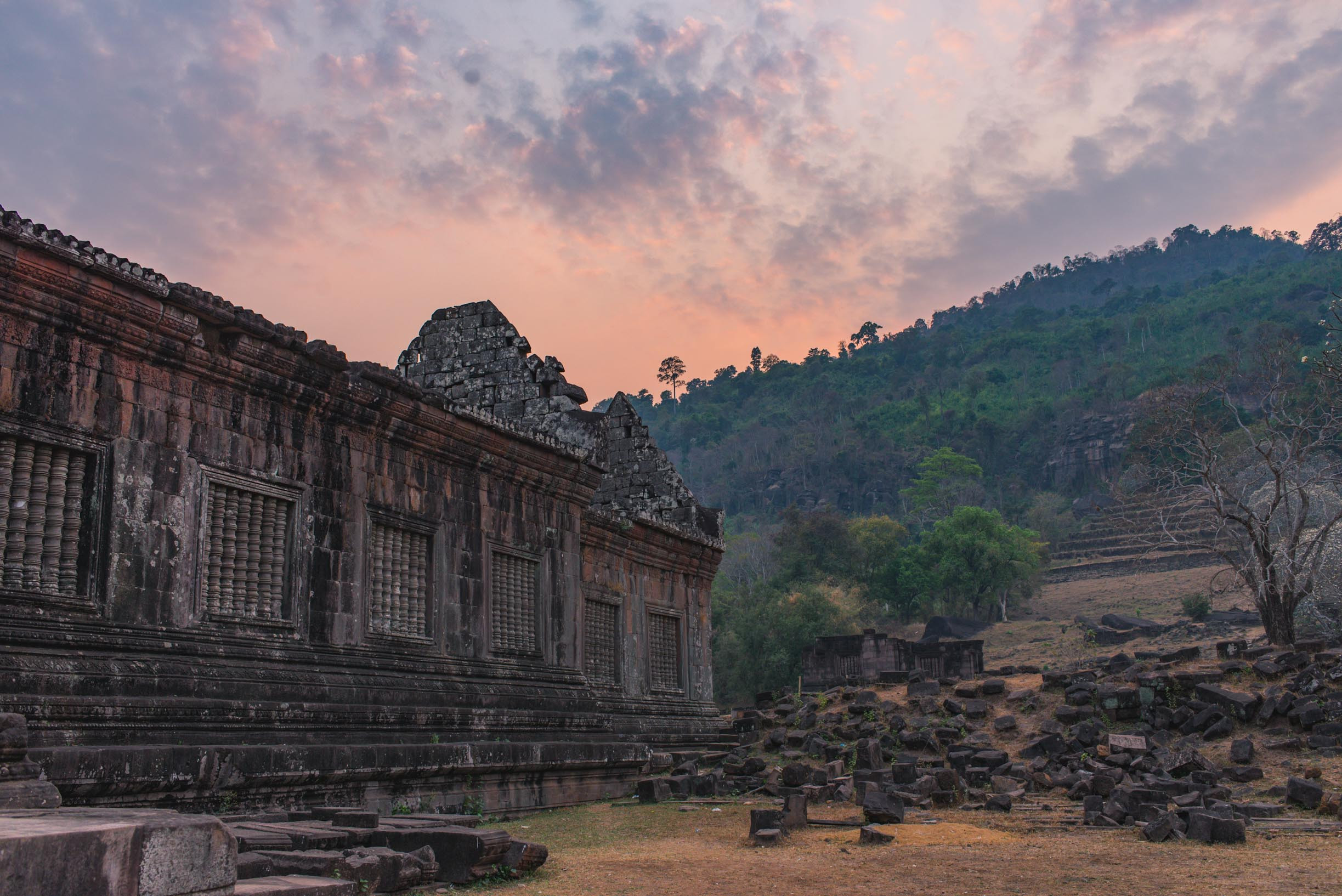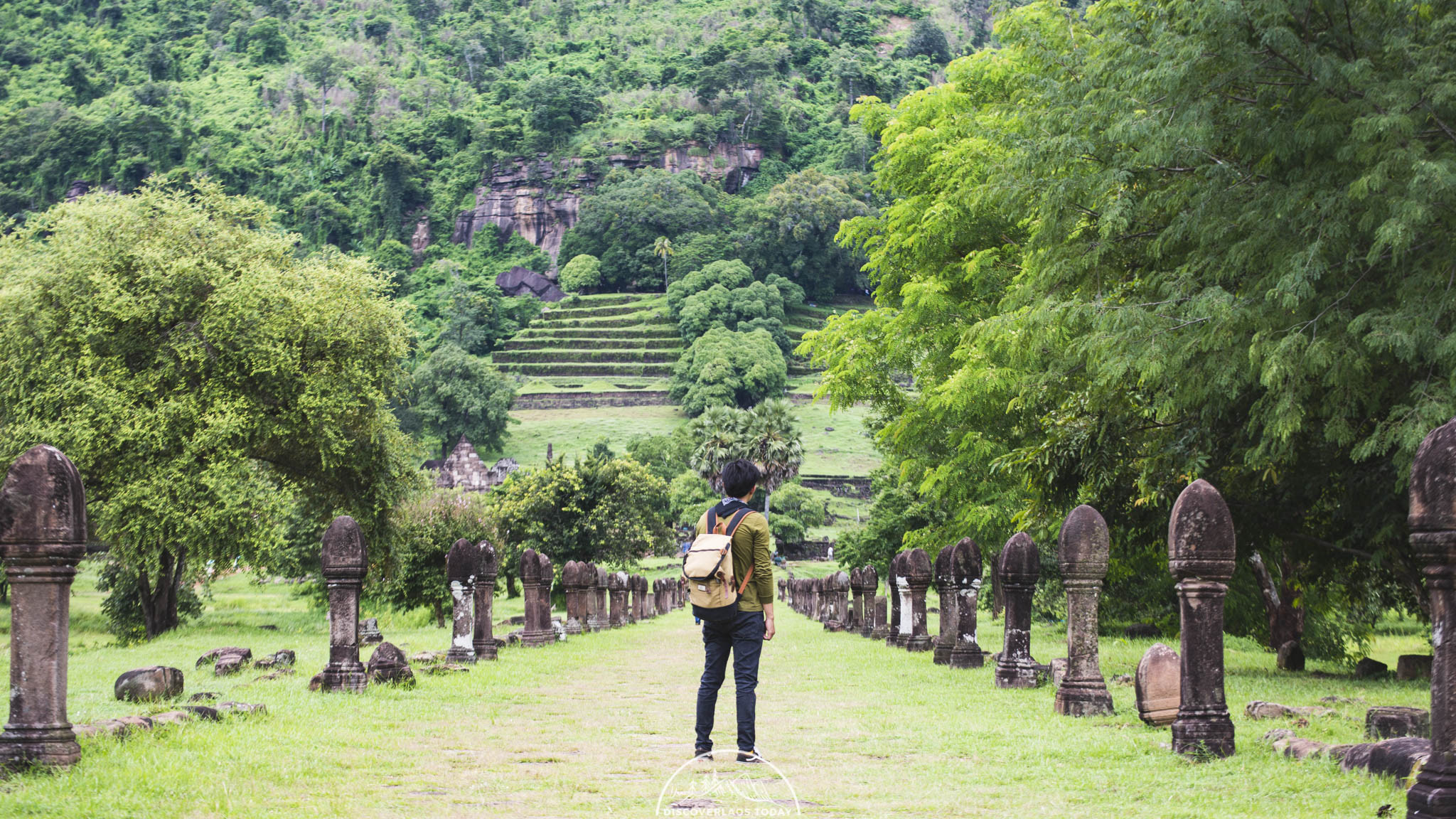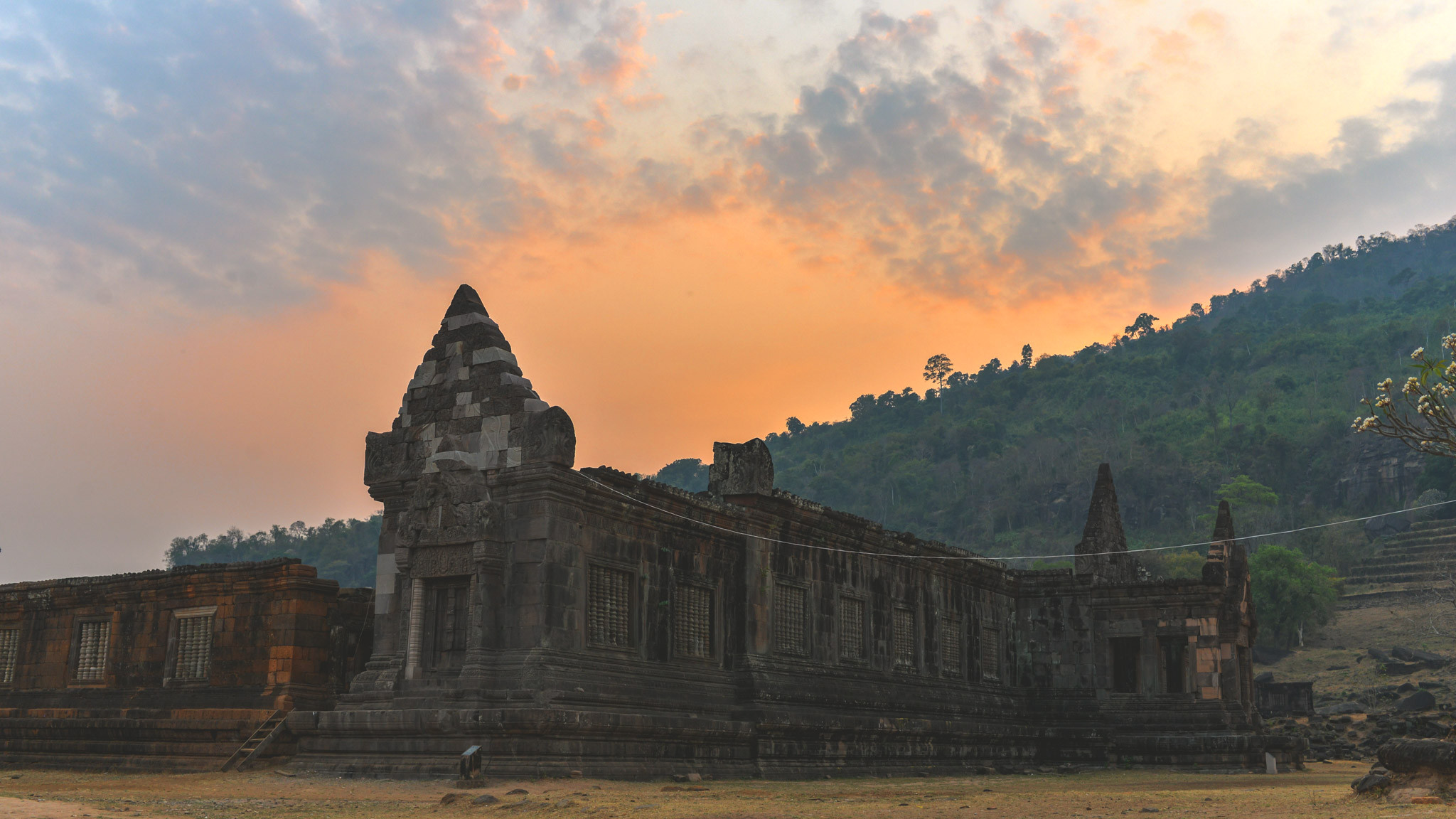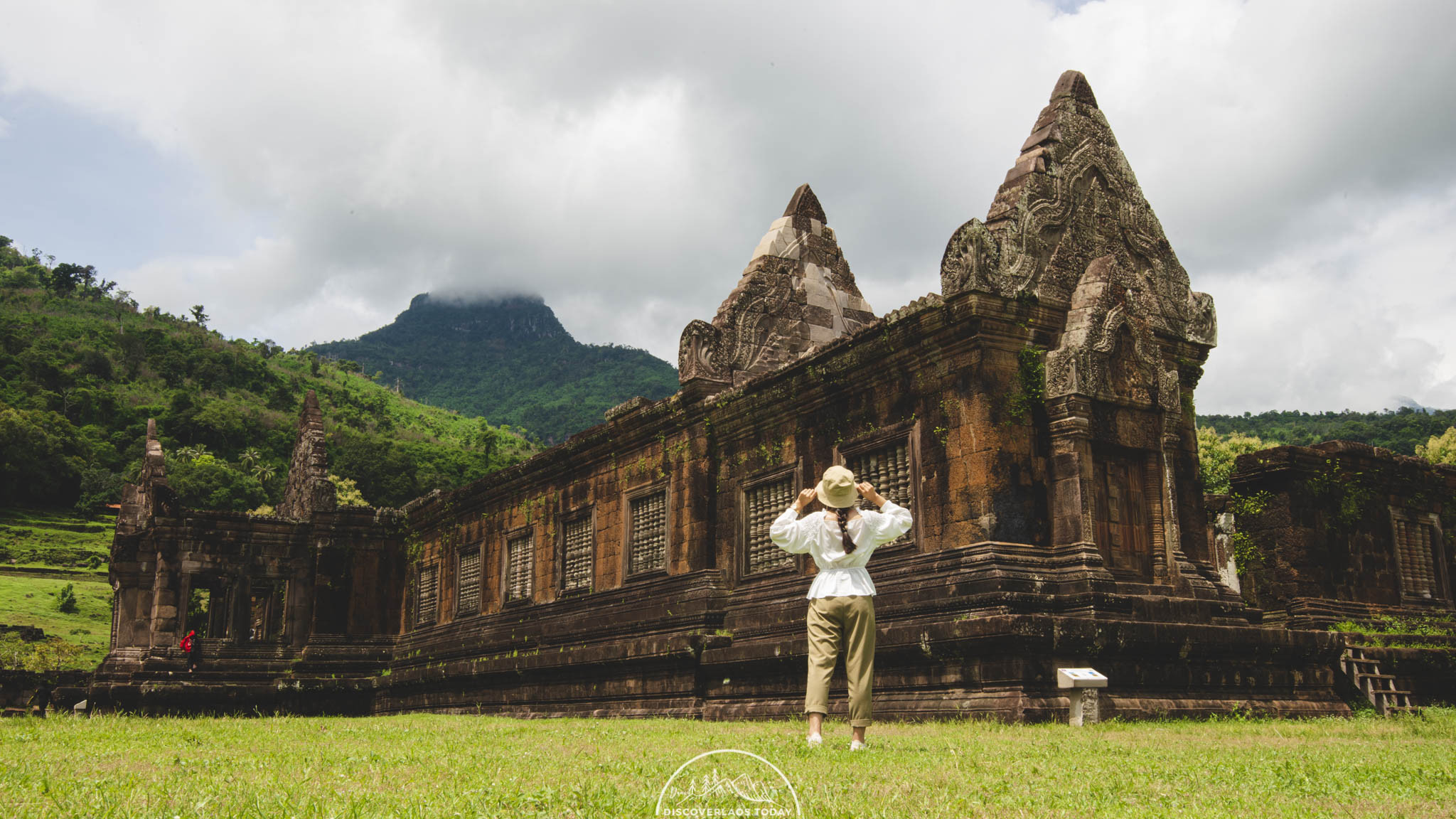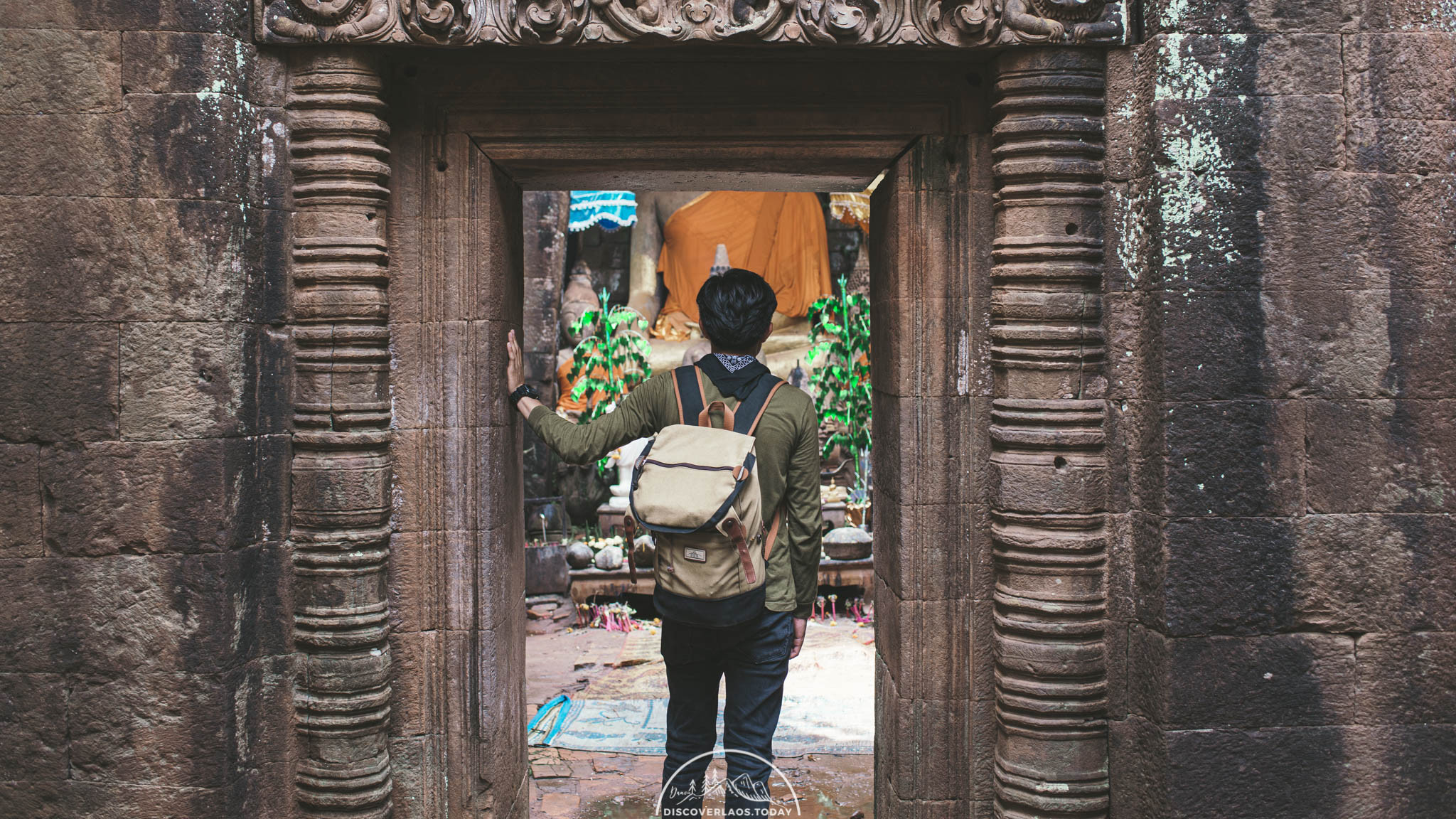
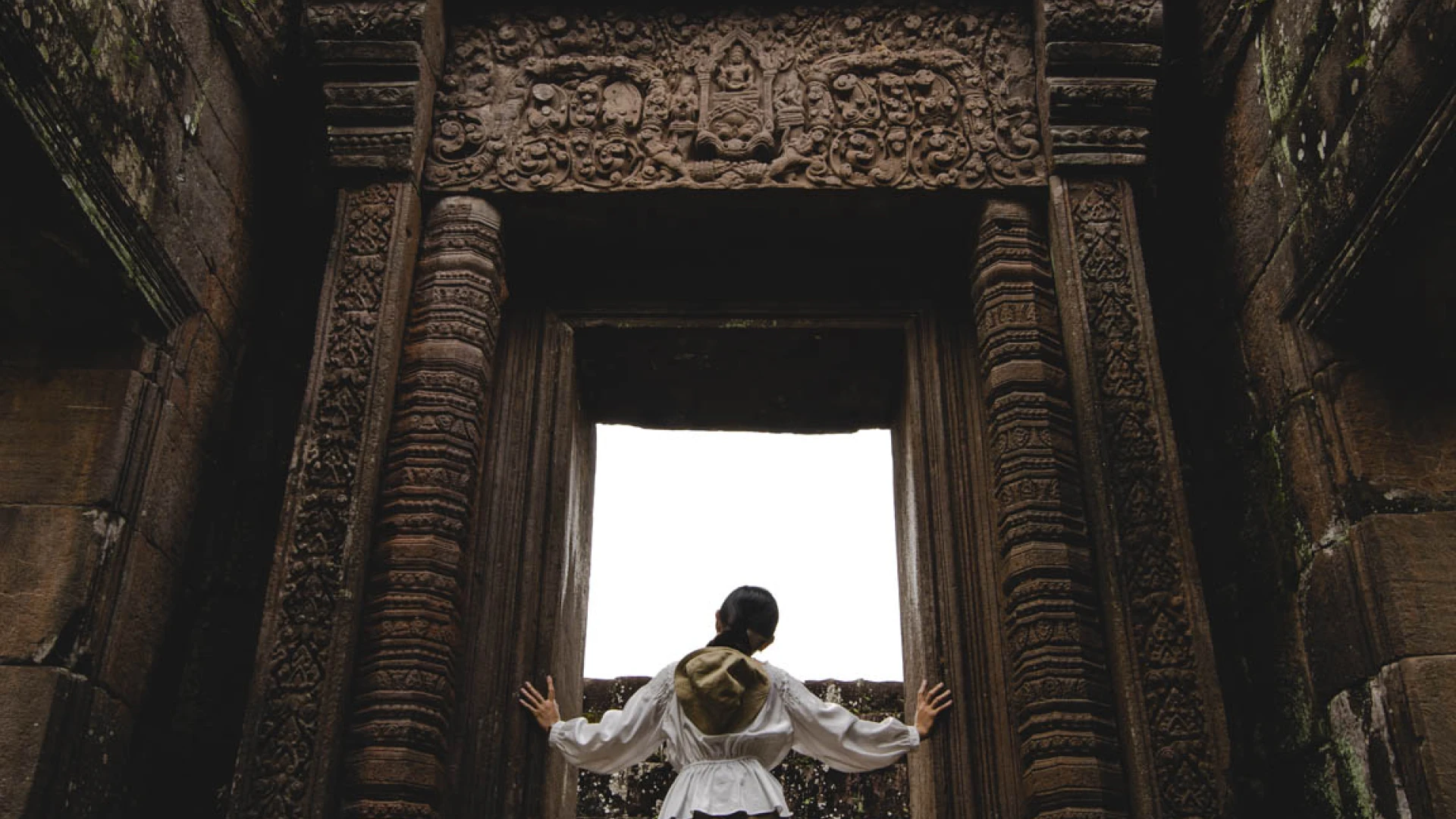
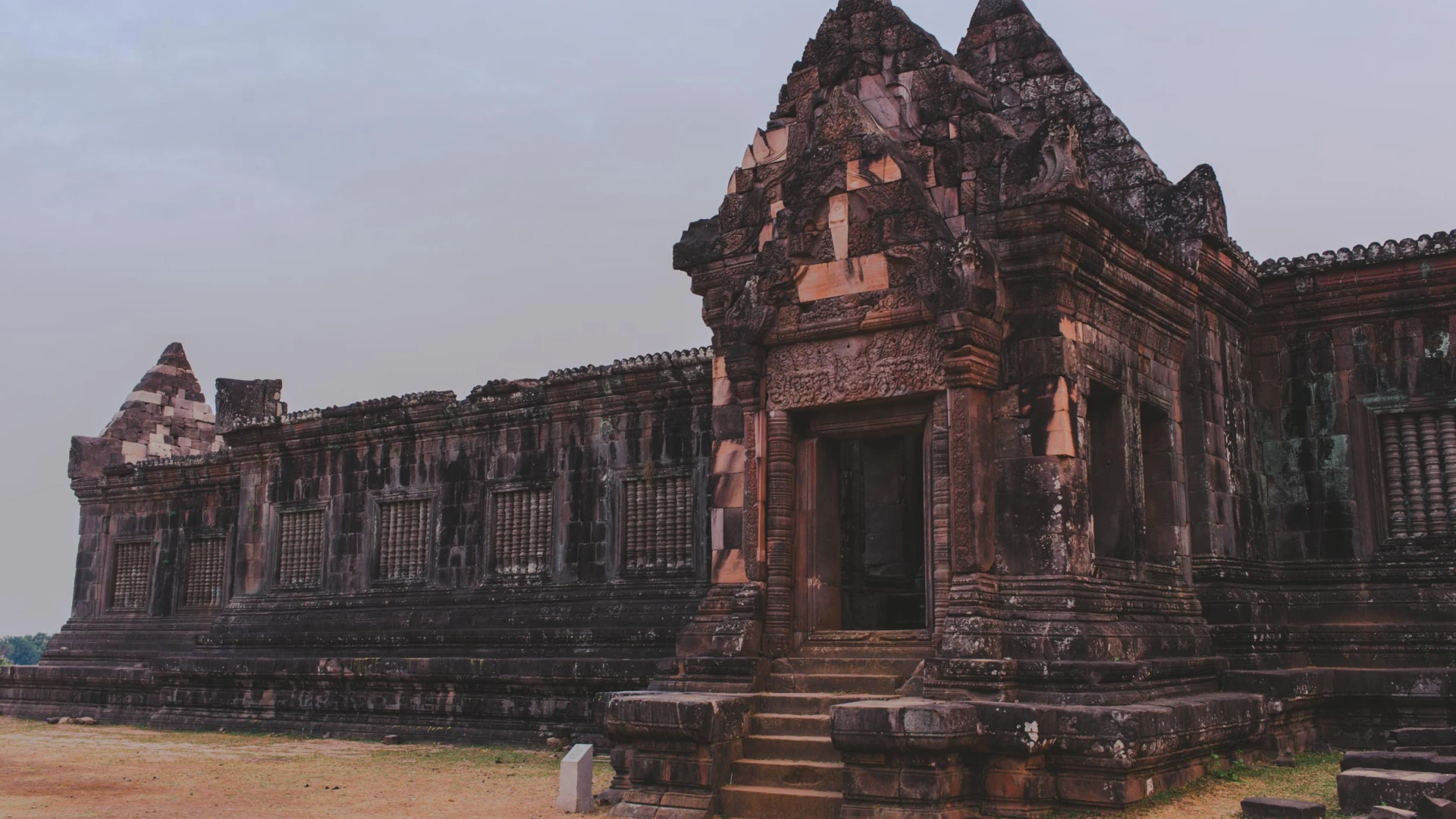
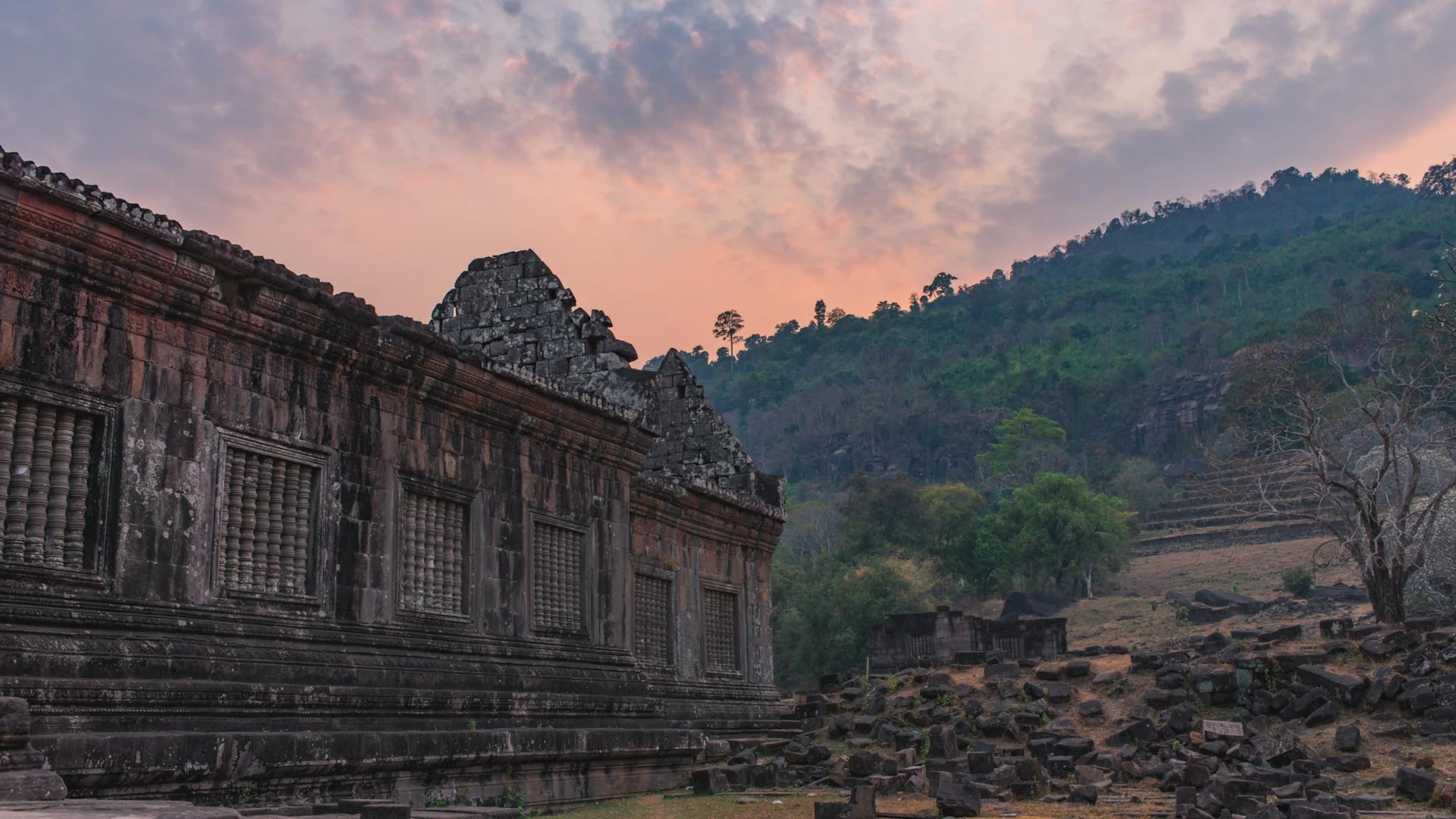
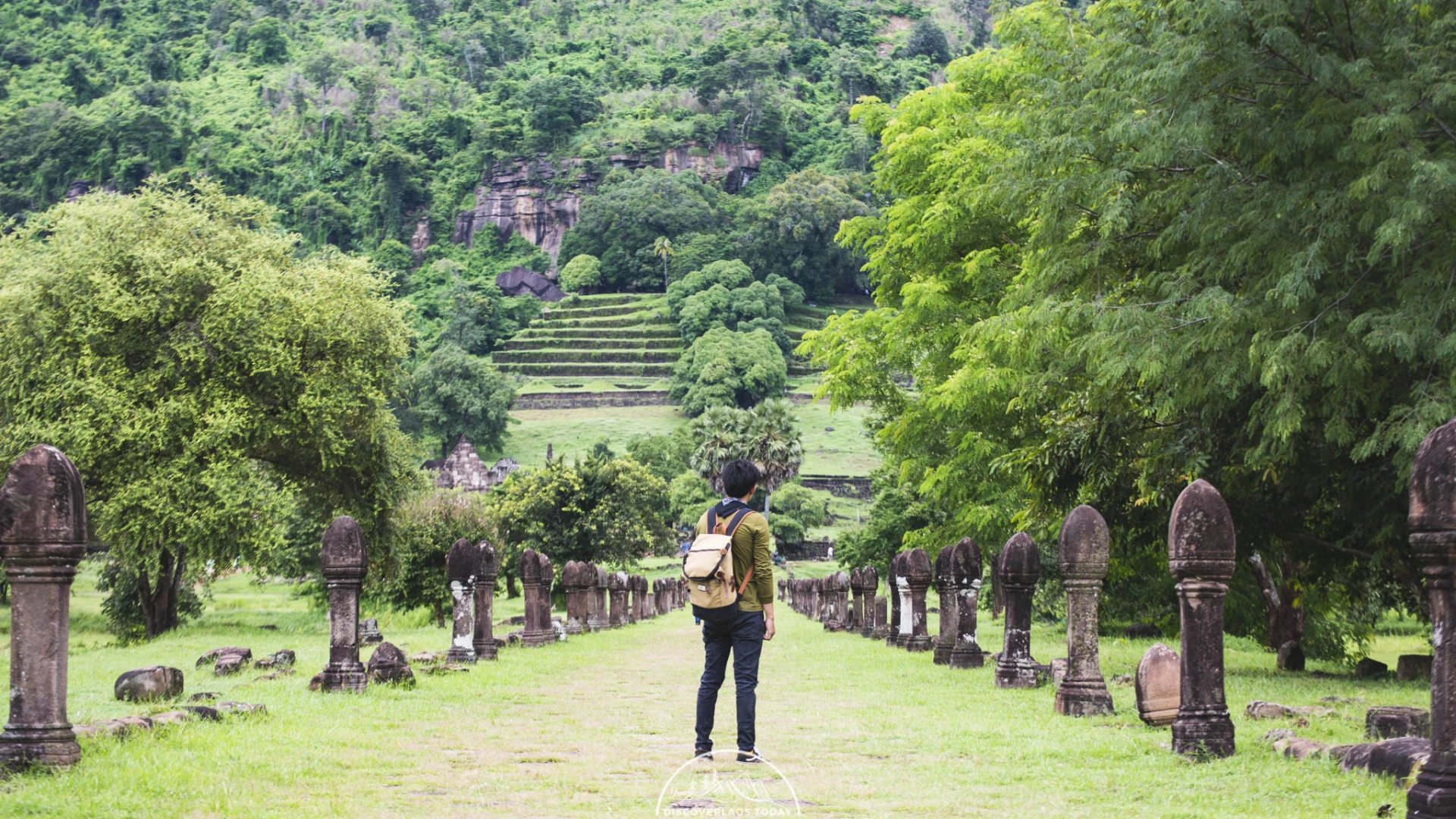
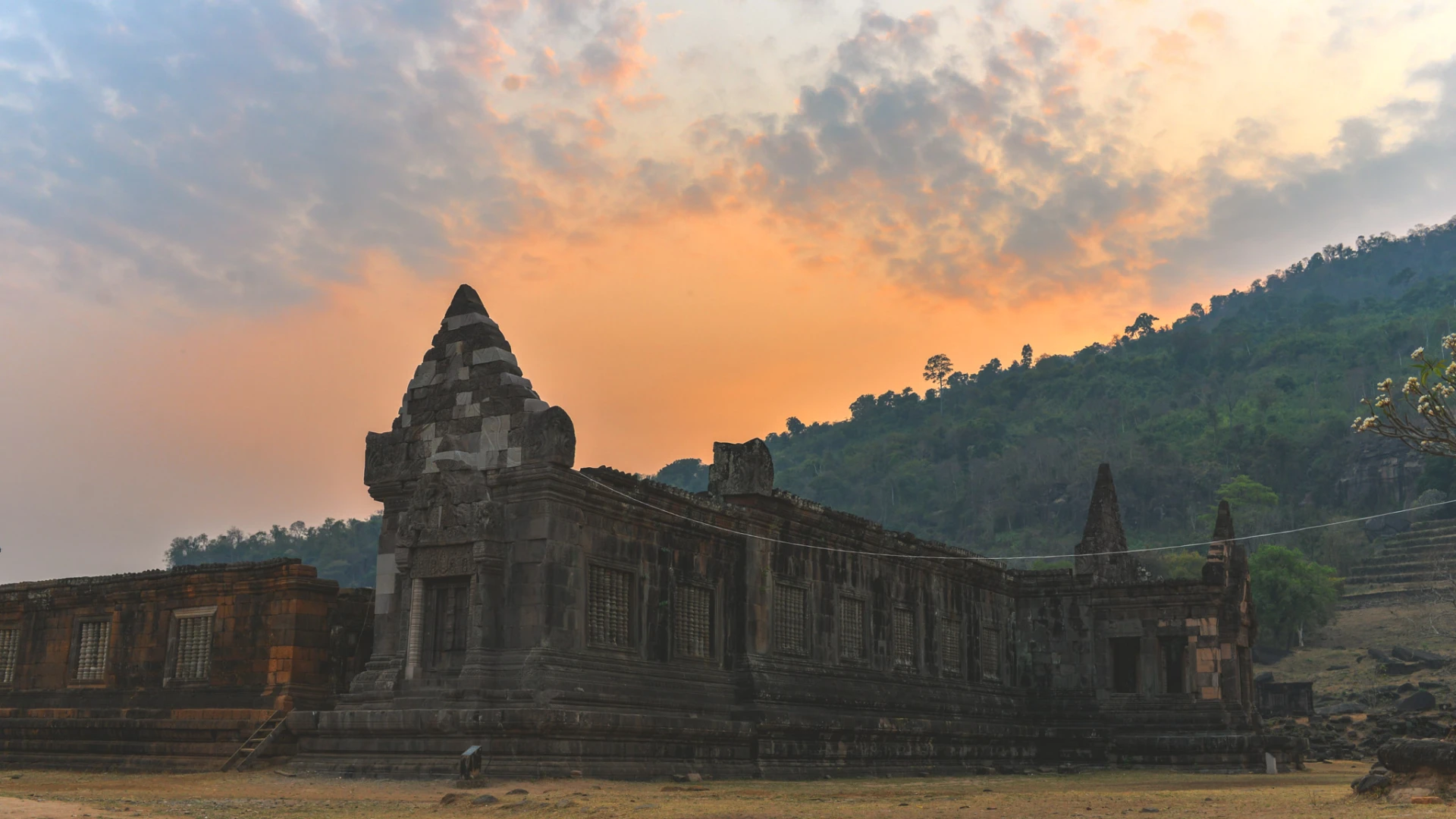
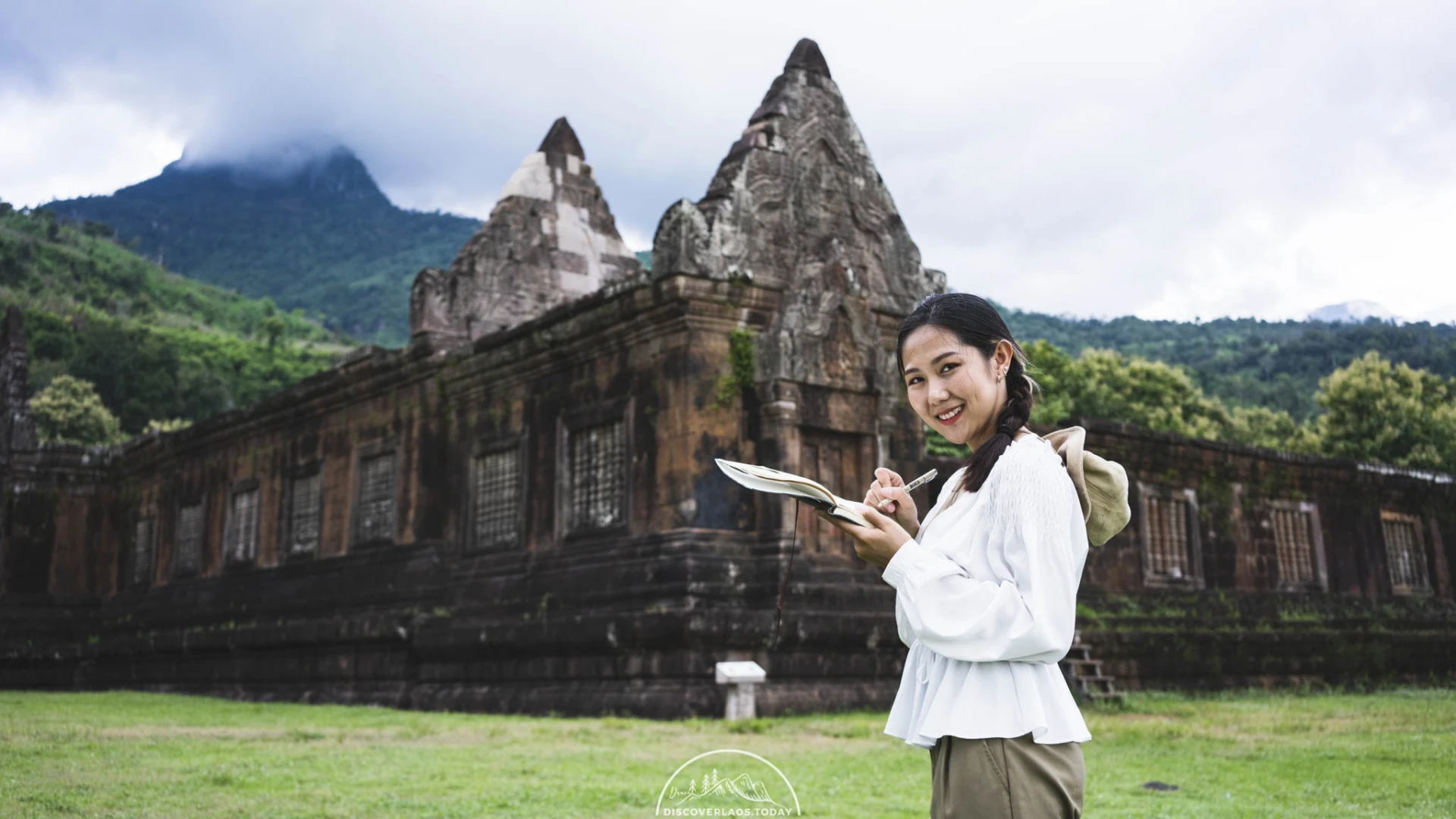
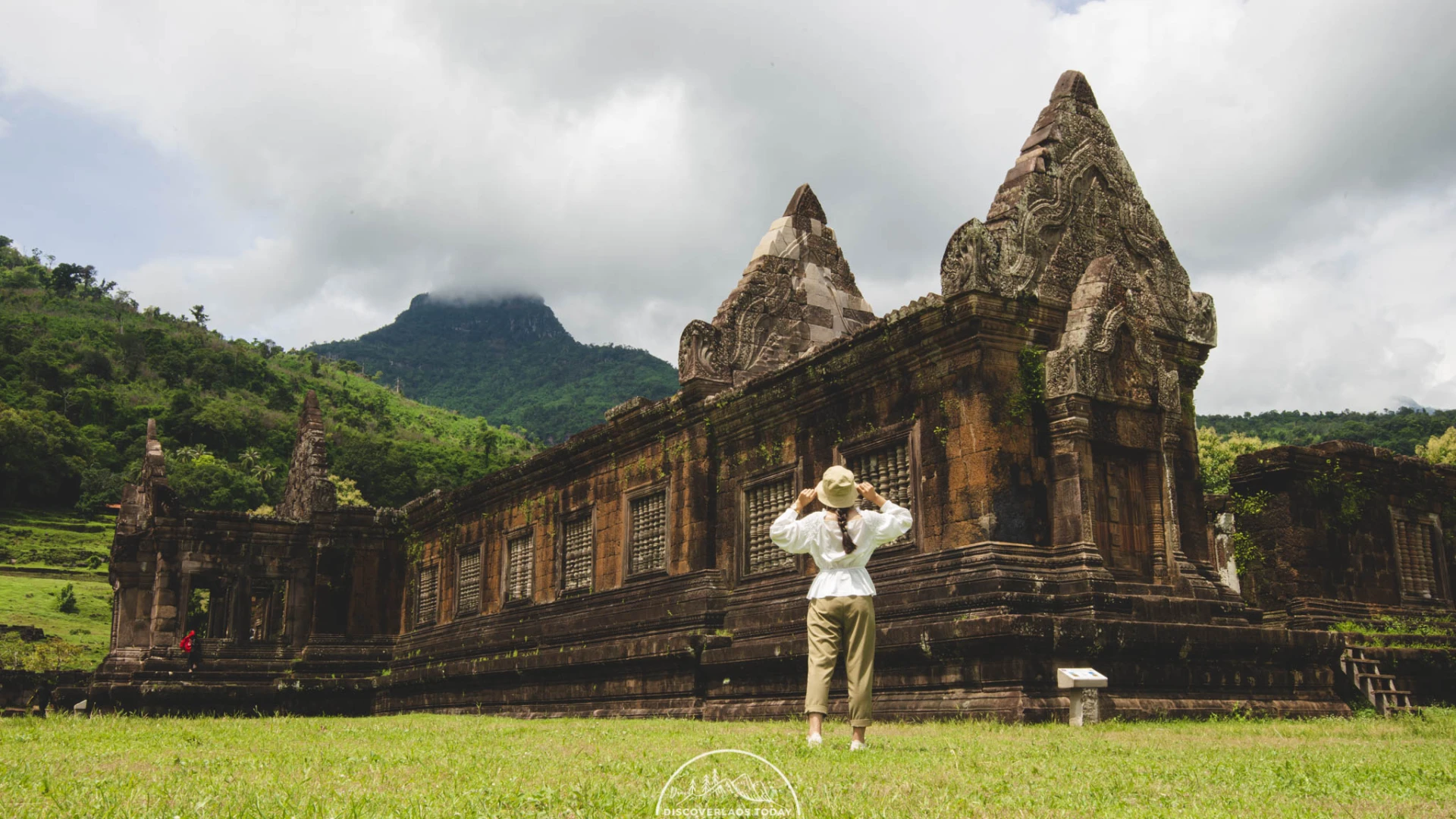
Vat Phou (also spelled Wat Phu) is one of the most important archaeological and religious sites in Laos and a designated UNESCO World Heritage Site. Located at the base of Phou Kao Mountain in Champasak Province, approximately 40 kilometers south of Pakse, this ancient Khmer temple complex predates the famous temples of Angkor in Cambodia and represents one of Southeast Asia's most significant historical treasures.
Originally established as a Hindu sanctuary dedicated to Lord Shiva between the 5th and 13th centuries, Vat Phou became an important spiritual center of the Khmer Empire. The temple complex was strategically built to align with the natural landscape, with Phou Kao Mountain representing the sacred Mount Meru of Hindu cosmology. A natural spring flowing from the mountain was considered holy and played a central role in religious ceremonies.
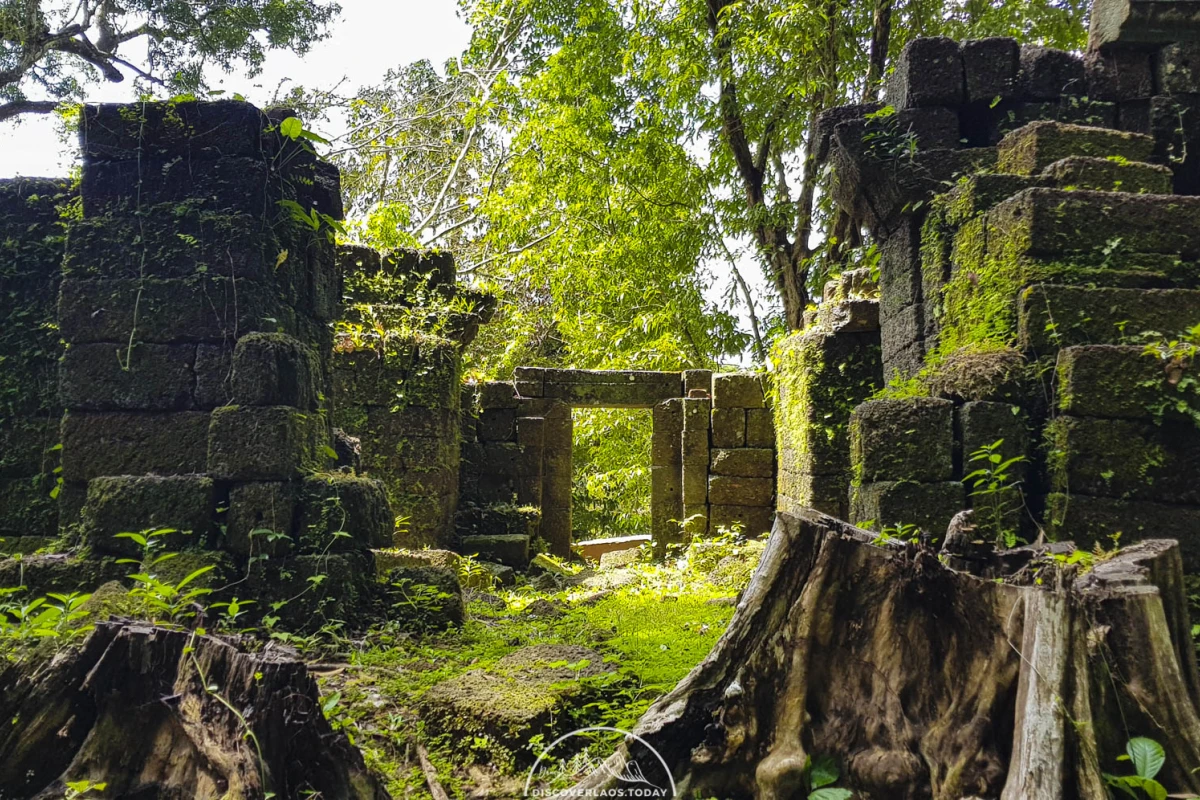
The site is renowned for its remarkable architecture, which blends seamlessly with the surrounding environment. Visitors enter through a series of ancient reservoirs, ceremonial pathways, sandstone terraces, and intricately carved structures that lead gradually up the mountainside. The upper sanctuary offers stunning views across the Mekong River valley and the surrounding countryside.
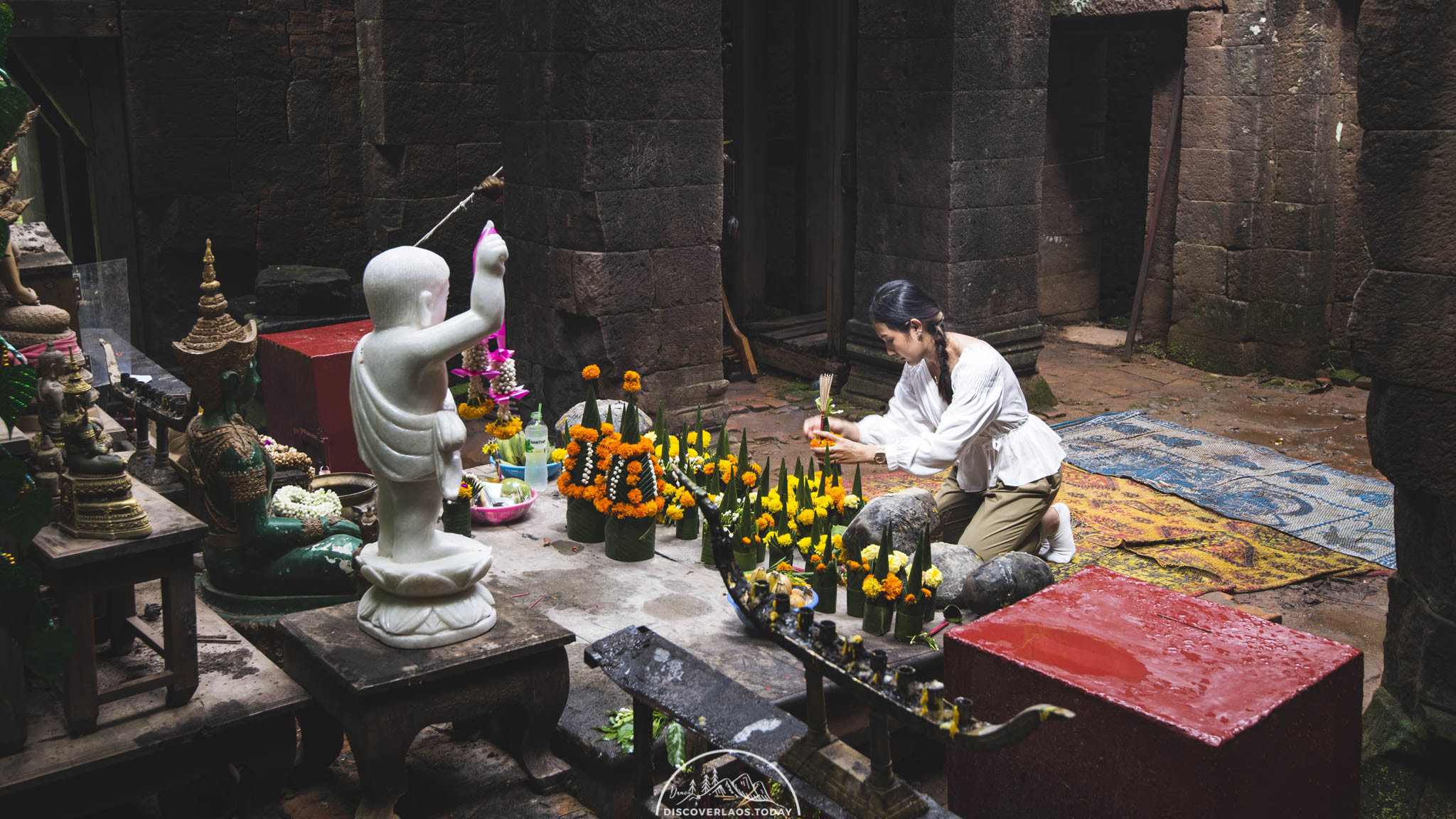
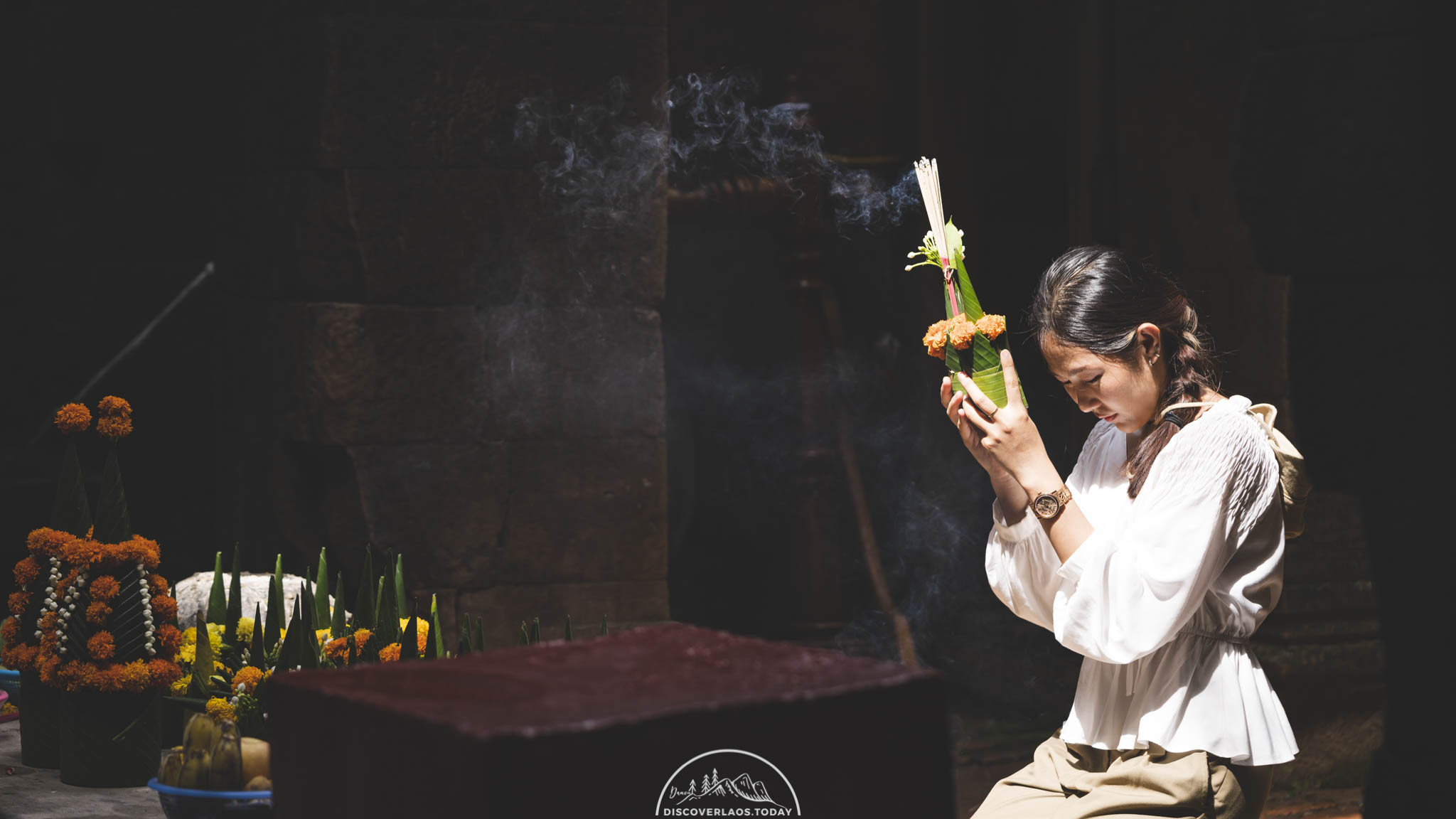
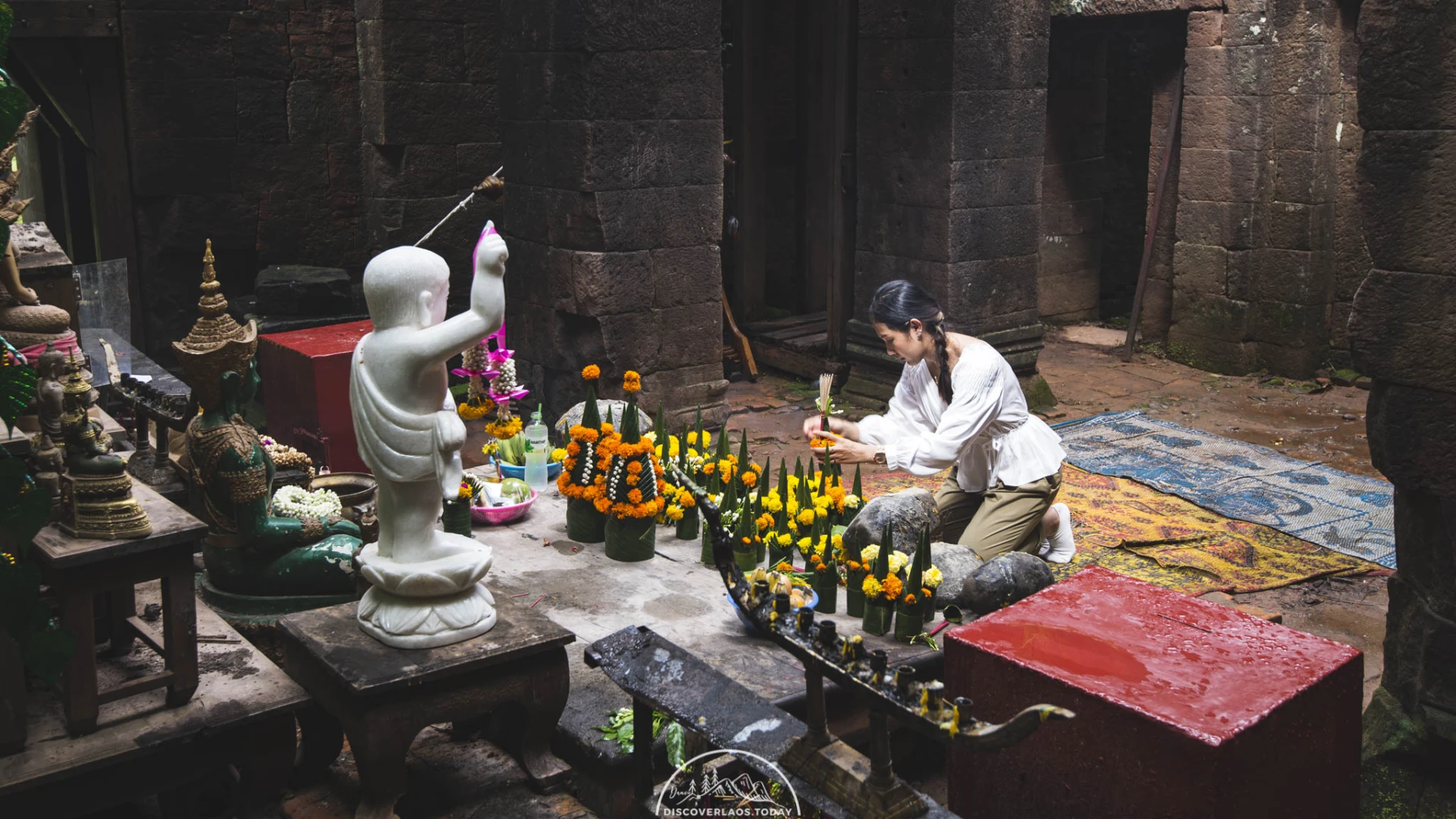
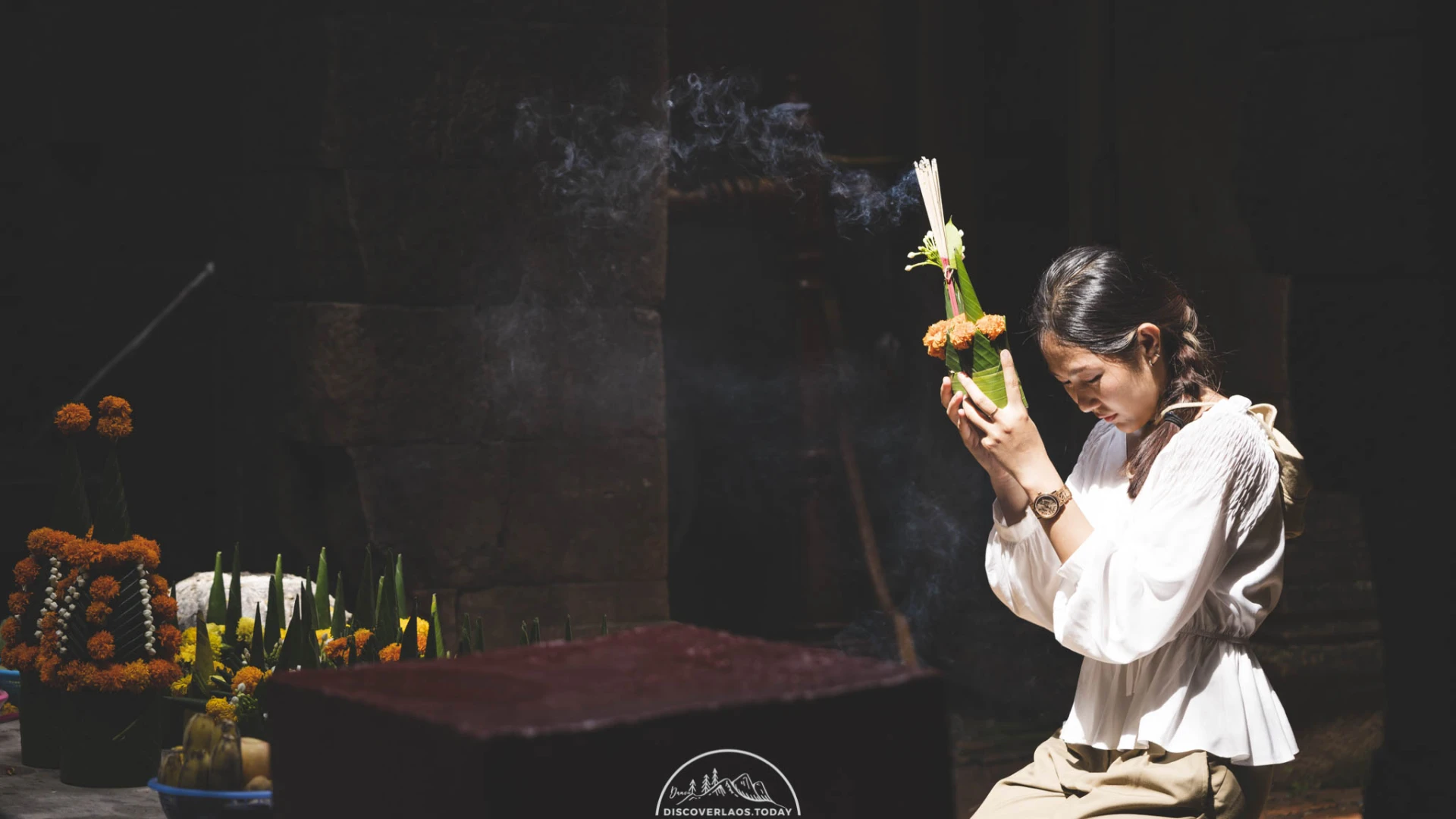
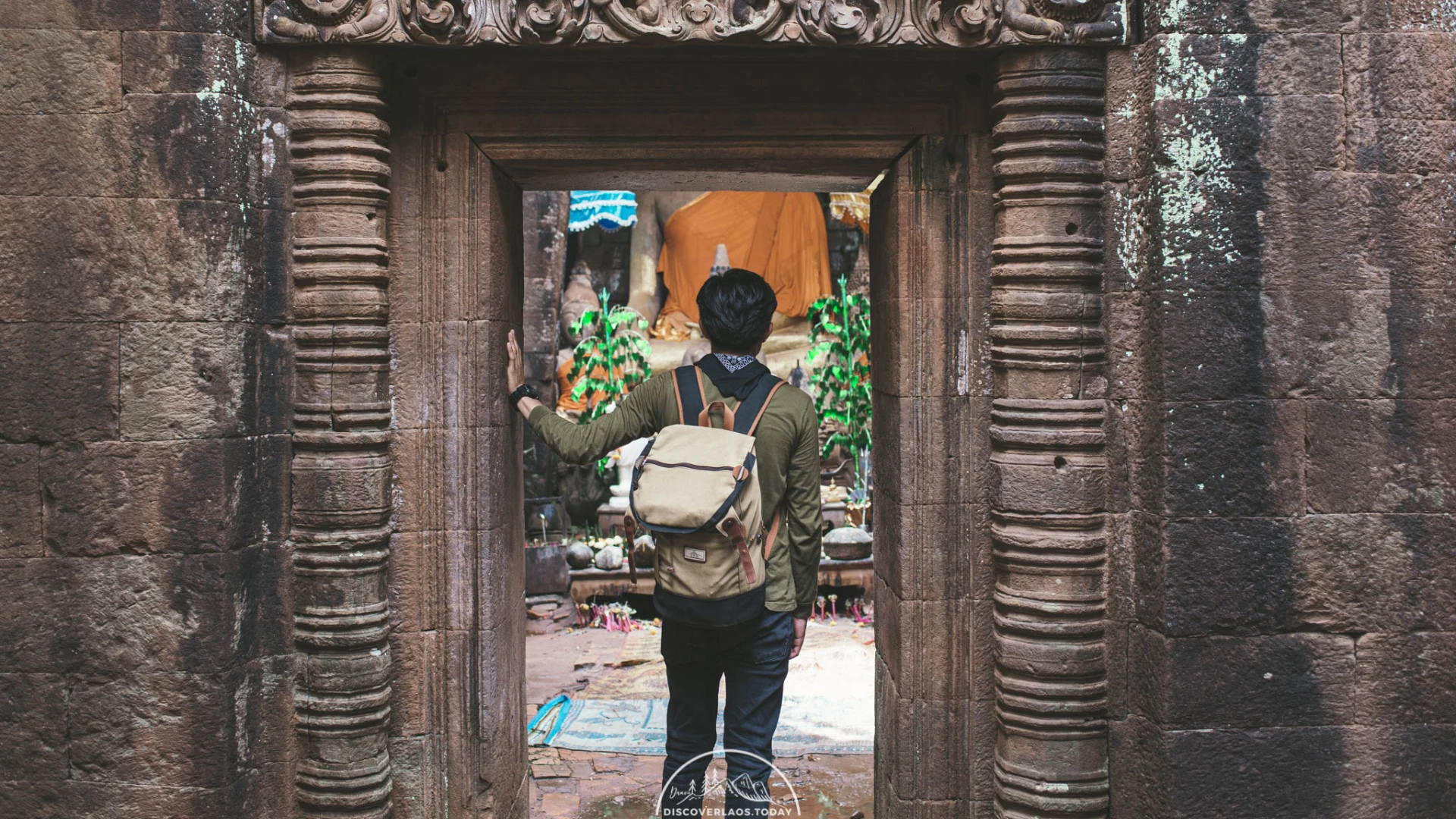
Throughout the centuries, Vat Phou evolved from a Hindu temple into an important Buddhist pilgrimage site. Today, many of the shrines contain Buddhist images, and local worshippers continue to visit the complex for religious ceremonies and merit-making activities. This unique blend of Hindu and Buddhist influences reflects the rich cultural history of Laos and the wider Mekong region.
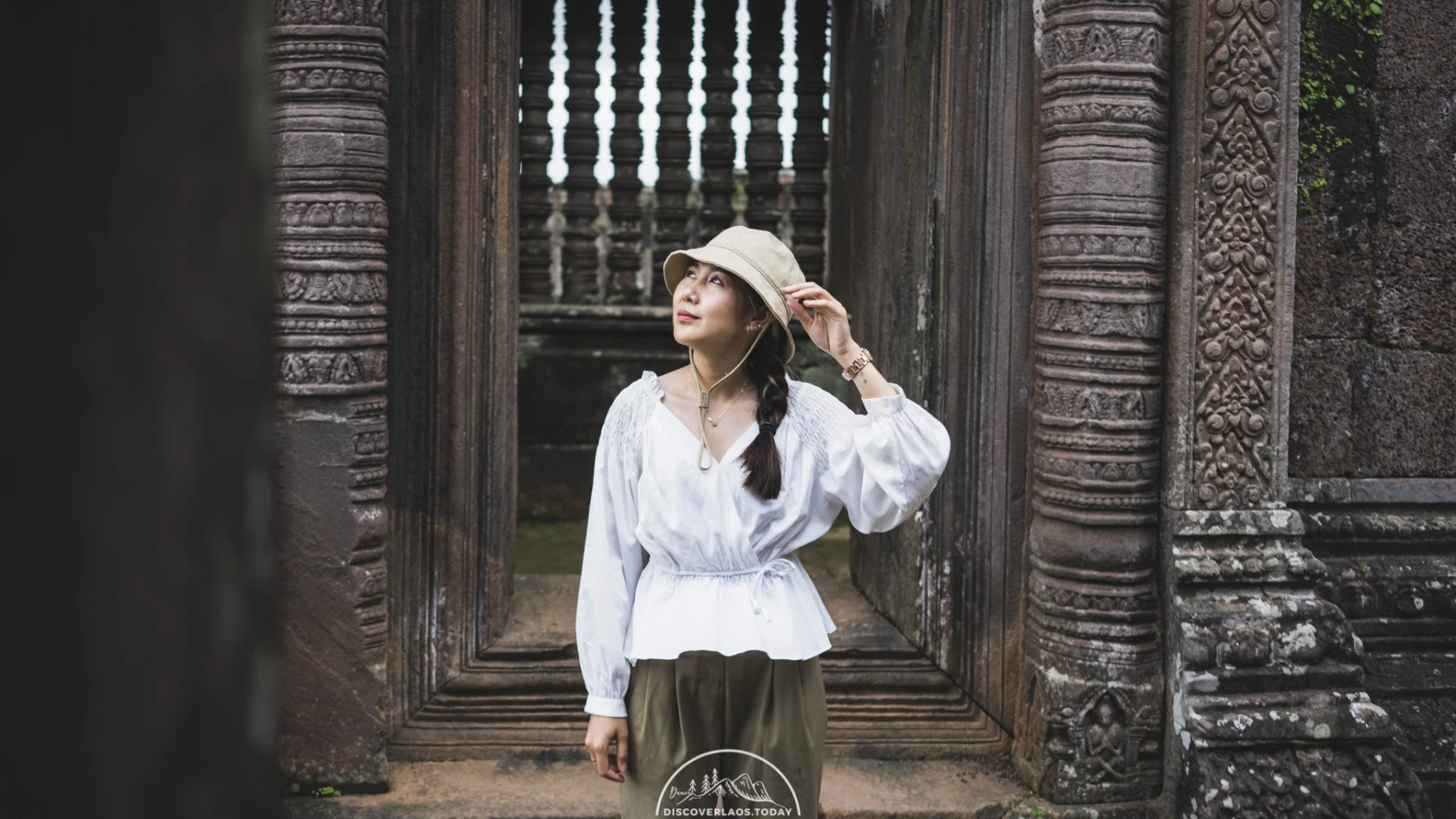
Among the highlights are the ancient stone carvings, lintels decorated with Hindu mythology, sacred elephant and crocodile carvings, ceremonial stairways, and the natural spring that still flows through the sanctuary. The peaceful setting, framed by mountains and forests, creates a spiritual atmosphere that attracts historians, archaeologists, photographers, and travelers from around the world.
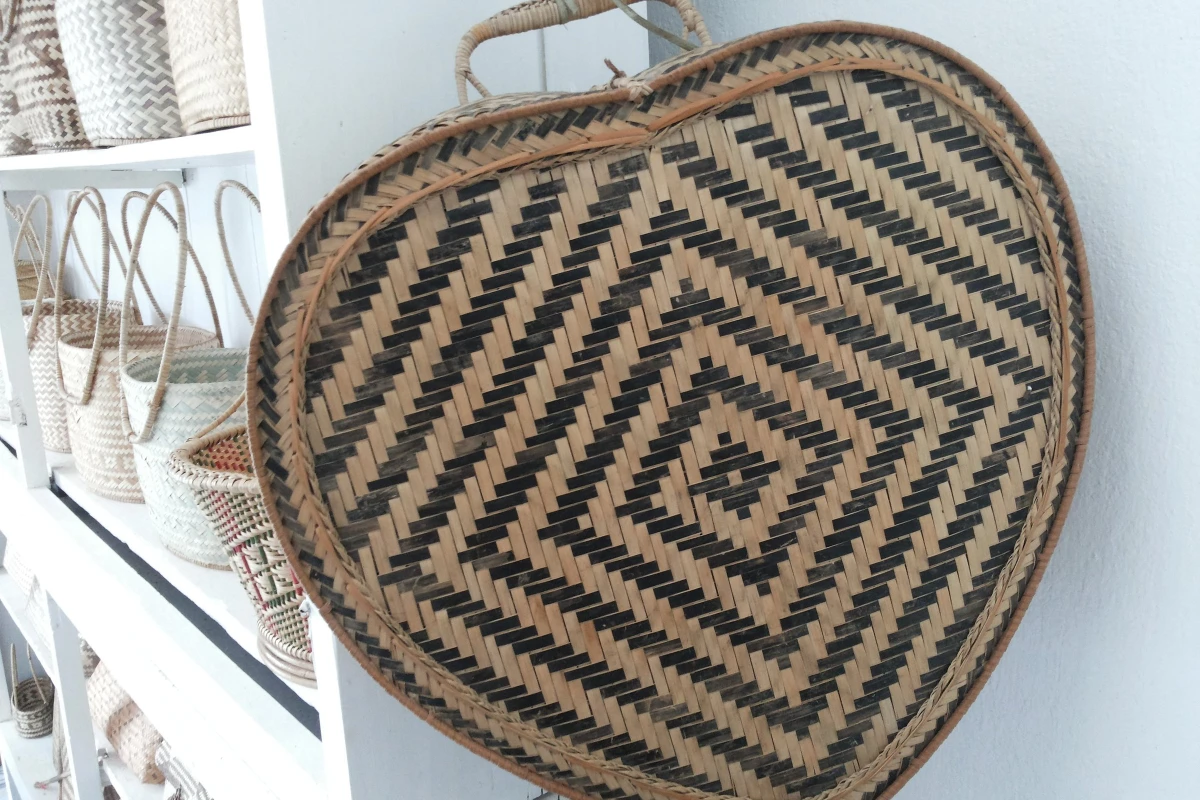
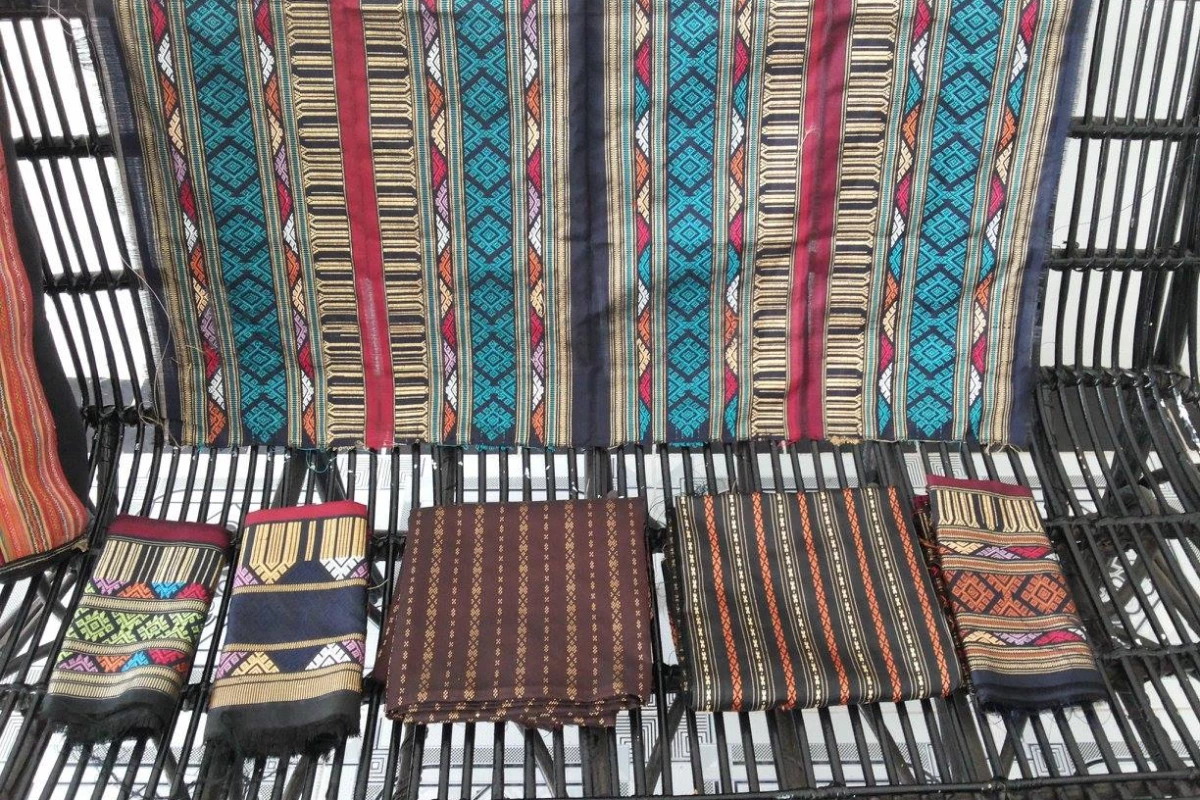
Each year, the Vat Phou Festival, held around the full moon of February, draws thousands of pilgrims and visitors who gather to celebrate traditional Lao culture, Buddhist ceremonies, music, and local handicrafts.
As one of Laos' most iconic landmarks, Vat Phou offers visitors an extraordinary journey through more than a thousand years of history, architecture, religion, and cultural heritage.
Opening Hours
- Daily: 08:00 AM – 06:00 PM
- Ticket Office: Typically 08:00 AM – 05:00 PM
- Best time to visit:
- Early morning for cooler temperatures.
- Late afternoon for softer light and photography.
- During the annual Vat Phou Festival for cultural experiences.
Highlights
- UNESCO World Heritage Site.
- Ancient Khmer temple complex.
- Predates Angkor Wat.
- Spectacular mountain and Mekong Valley views.
- Blend of Hindu and Buddhist heritage.
- Sacred spring and religious significance.
- Exceptional stone carvings and architecture.
- One of Laos' most important historical landmarks.
Visitor Tips
- Allow at least 2–3 hours to explore the complex.
- Wear comfortable walking shoes as there are many stairs.
- Bring water, sunscreen, and a hat.
- Visit the on-site museum before exploring the ruins.
- Combine your visit with nearby Champasak town and Mekong River attractions.